What is the technological significance of using a 150 µm test sieve for oyster shell powder? Key to Concrete Quality.
Updated 5 months ago
The 150 µm test sieve is the technical gatekeeper for Oyster Shell Powder (OSP) quality in concrete production. Utilizing this specific mesh size ensures that the OSP achieves a high degree of fineness and specific surface area, allowing it to function as a precision micro-filler. This controlled particle size is critical for filling microscopic voids between cement particles, which significantly increases the density and structural integrity of the resulting concrete.
By standardizing Oyster Shell Powder to a 150 µm threshold, engineers can transform a biological waste product into a high-performance additive. This process ensures the powder provides a consistent physical filling effect that optimizes the concrete's microstructure and enhances the accuracy of mechanical strength predictions.
Enhancing Microstructural Integrity
The Mechanism of the Physical Filling Effect
At the 150 µm level, OSP particles are fine enough to occupy the microscopic voids that naturally exist between cement particles. This physical filling effect reduces the porosity of the concrete matrix, creating a much denser and more compact internal structure.
Optimization of Specific Surface Area
Screening through a 150 µm sieve ensures the OSP possesses a high specific surface area. This characteristic is essential for providing sufficient contact points within the cement paste, facilitating either physical packing or potential chemical interactions that contribute to the stability of "green" concrete.
Achieving Fineness Comparable to Cement
Standardizing OSP to this micron level makes its particle size distribution comparable to ordinary Portland cement. This compatibility ensures that the additive integrates seamlessly into the mix without disrupting the hydration reaction activity or the rheological properties of the paste.
Improving Engineering Predictability
Standardizing Mechanical Property Models
Inconsistent particle sizes can lead to unpredictable mechanical behavior in hardened concrete. By using a 150 µm sieve to ensure uniformity, researchers can develop more accurate mathematical models for predicting compressive strength and other mechanical properties.
Eliminating Structural Discontinuities
While larger sieves (such as 10 mm) are used to remove pebbles and large impurities from raw sand, the 150 µm sieve focuses on the micro-level homogeneity. This prevents large-diameter particles from creating "weak spots" or discontinuities within the internal concrete matrix.
Enhancing Analytical Accuracy
Uniform particle size is critical when performing advanced material characterization like X-ray Diffraction (XRD). A consistent 150 µm sample eliminates signal scattering differences caused by size variation, ensuring that laboratory analysis of the OSP’s chemical composition is repeatable and precise.
Understanding the Trade-offs and Limitations
The Cost of Extreme Fineness
While finer particles generally improve density, processing shells beyond the 150 µm threshold—such as using a 75 µm (200 mesh) sieve—requires significantly more energy and time. The 150 µm standard represents a balance between high performance and the economic viability of processing waste shells.
Impact on Workability
Adding extremely fine powders increases the water demand of a concrete mix due to the increased surface area. If the OSP is too fine or used in excessive quantities, it may decrease the workability of the fresh concrete, requiring the use of plasticizers to maintain flowability.
De-agglomeration Challenges
Fine powders like OSP have a tendency to clump or agglomerate due to moisture or static. The 150 µm sieving process must often be paired with vibratory shakers or de-agglomeration techniques to ensure the particles remain individual and effective within the mix.
How to Apply This to Your Project
Recommendations for Implementation
- If your primary focus is Maximizing Compressive Strength: Ensure strict adherence to the 150 µm limit to maximize the micro-filling effect and minimize internal voids.
- If your primary focus is Producing Sustainable "Green" Concrete: Use the 150 µm sieve to replace a portion of fine aggregates or cement, ensuring the OSP provides the necessary fineness to maintain structural stability.
- If your primary focus is Research and Modeling: Use high-precision 150 µm sieves to standardize all OSP samples, which eliminates particle size as a variable in your mechanical property calculations.
Precision control of OSP fineness at the 150 µm level is the fundamental requirement for turning shell waste into a reliable, high-density concrete additive.
Summary Table:
| Technical Factor | 150 µm Sieve Significance | Impact on Concrete Performance |
|---|---|---|
| Microstructure | Enables physical filling effect | Reduces porosity and increases density |
| Specific Surface Area | Optimizes particle contact points | Facilitates stability and hydration activity |
| Uniformity | Standardizes particle distribution | Ensures predictable mechanical strength |
| Consistency | Improves XRD analytical accuracy | Repeatable chemical & material characterization |
| Efficiency | Balances performance vs. energy cost | Ensures economic viability of shell processing |
Precision Sample Preparation for High-Performance Concrete Research
Transforming biological waste into high-density additives requires the right technical tools. At [Your Brand Name], we provide complete laboratory sample preparation solutions tailored for material science and powder processing.
Whether you are refining Oyster Shell Powder (OSP) or developing next-generation green materials, our equipment ensures accuracy at every stage:
- Milling & Grinding: Achieve the perfect micron-level fineness with our planetary ball mills, jet mills, and jaw crushers.
- Sieve Analysis: Ensure particle size consistency with our high-precision vibratory and air-jet sieve shakers and a full range of test sieves.
- Compaction & Testing: Validate material strength using our professional-grade hydraulic presses, including Cold/Warm Isostatic Presses (CIP/WIP) and hot presses.
Ready to optimize your concrete additives and research workflow? Contact our experts today for a customized solution!
References
- Obiekwe A. Ubachukwu, Fidelis Onyebuchi Okafor. Formulation of predictive model for the compressive strength of oyster shell powdercement concrete using Scheffe’s simplex lattice theory. DOI: 10.14382/epitoanyag-jsbcm.2020.34
Mentioned Products
- 150x250mm Laboratory Jaw Crusher for Medium Hard Material Crushing and Sample Preparation
- 150x250mm Custom Laboratory Jaw Crusher for Coal Ore Mineral Crushing
- Small Laboratory Jaw Crusher 150x200mm Feed Opening for Sample Preparation and Medium Fine Crushing
- Laboratory Vibratory Test Sieve Shaker for Precision Particle Size Analysis and Powder Grading
- Small Laboratory Vibrating Sieve Shaker for Precise Particle Size Analysis
People Also Ask
- What is the primary function of a laboratory jaw crusher? Master Initial Hard Rock Ore Preparation & Feed Sizing
- What is the primary role of a laboratory jaw crusher in the initial stages of tin and tantalum ore reprocessing? Explained
- What is the role of a laboratory jaw crusher in the initial preparation of silicate-type low-grade copper ore?
- Why is a laboratory jaw crusher necessary for processing biomass materials? Essential Prep for Material Science
- What is the primary function of a laboratory jaw crusher in the pretreatment process of galena ore? Initial Prep Guide

Tech Team · PowderPreparation
Last updated on May 14, 2026
Related Products
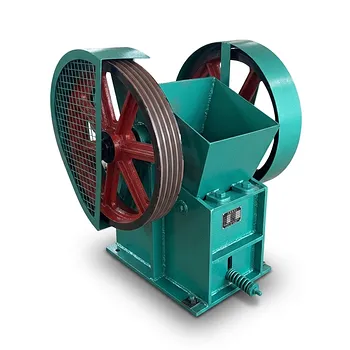
150x250mm Laboratory Jaw Crusher for Medium Hard Material Crushing and Sample Preparation
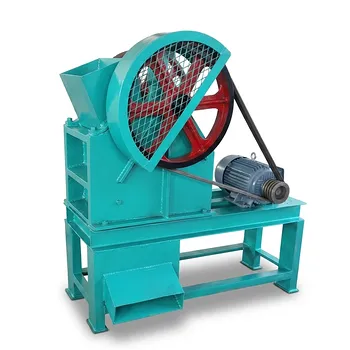
150x250mm Custom Laboratory Jaw Crusher for Coal Ore Mineral Crushing
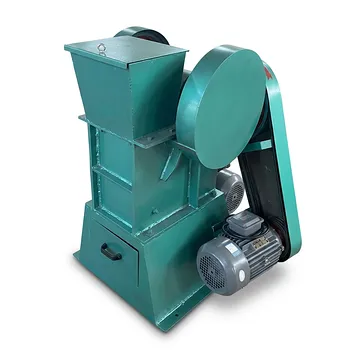
Small Laboratory Jaw Crusher 150x200mm Feed Opening for Sample Preparation and Medium Fine Crushing
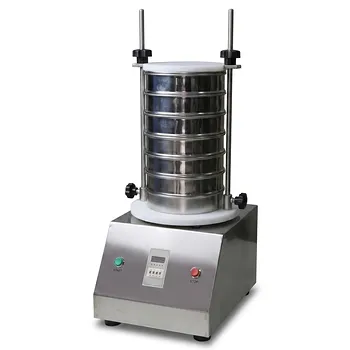
Laboratory Vibratory Test Sieve Shaker for Precision Particle Size Analysis and Powder Grading
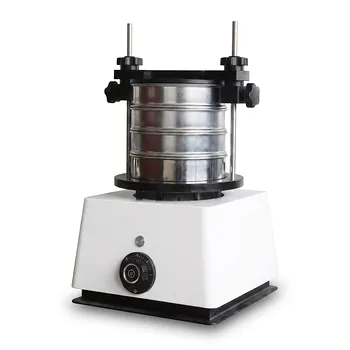
Small Laboratory Vibrating Sieve Shaker for Precise Particle Size Analysis
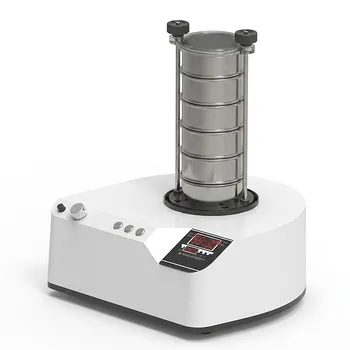
三维电磁微量振动筛分仪
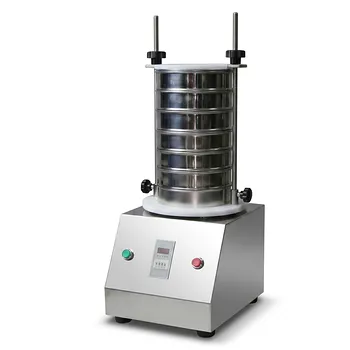
Small Laboratory Vibratory Sieve Shaker for Powder Gradation and Particle Size Analysis
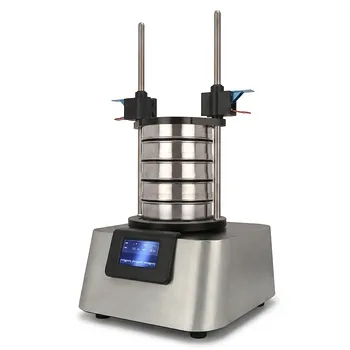
Vibratory Sieve Shaker Electromagnetic 3D Motion Powder Particle Size Analyzer for Dry and Wet Sieving
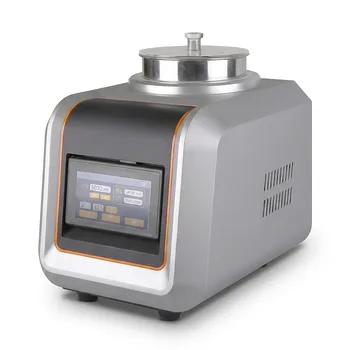
Laboratory Air Jet Sieving Machine for Fine Powder Particle Size Analysis and Deagglomeration
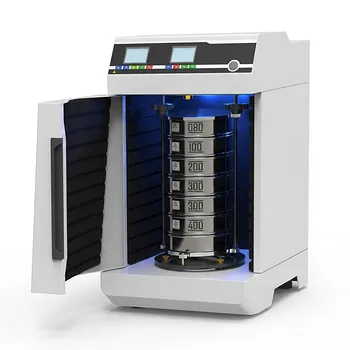
Laboratory Dry and Wet Three Dimensional Vibratory Sieve Shaker for Particle Analysis
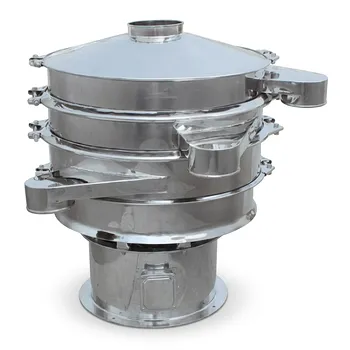
Stainless Steel Rotary Vibrating Sieve High Precision Circular Vibratory Separator Industrial Powder Grading Machine Multi Layer Sifting Equipment
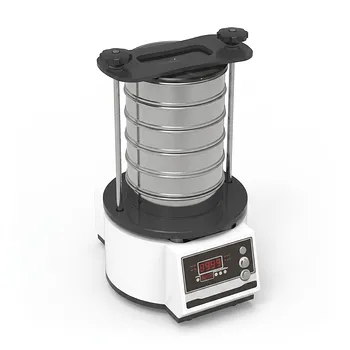
Tapping Oscillating Sieve Shaker for Dry and Wet Particle Size Analysis
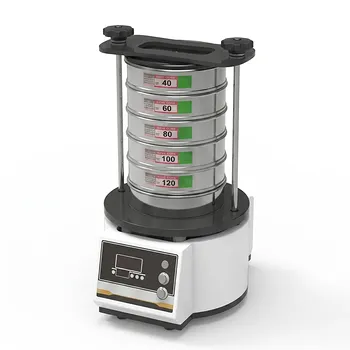
Dry Three Dimensional Vibratory Sieve Shaker
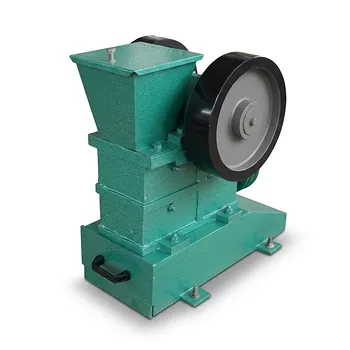
Laboratory Small Jaw Crusher 100x60mm
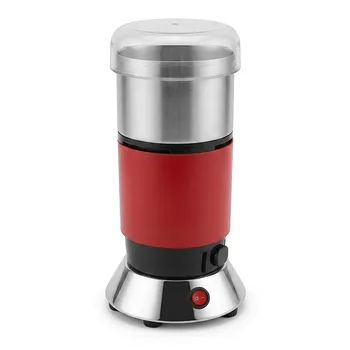
Micro Solid Sample Grinder High Speed Pulverizer for Laboratory Small Batch Grinding
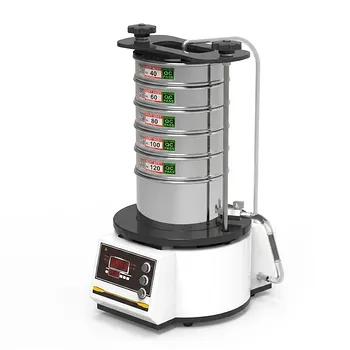
High Frequency Wet Three-Dimensional Vibrating Sieve Shaker for Dry and Wet Particle Size Analysis
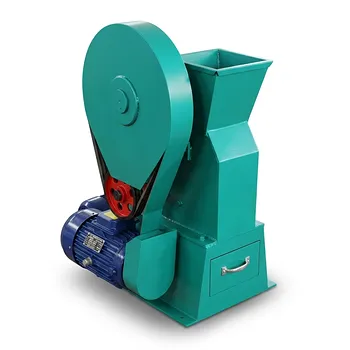
Small Laboratory Jaw Crusher 125x100mm Feed Opening for Sample Preparation
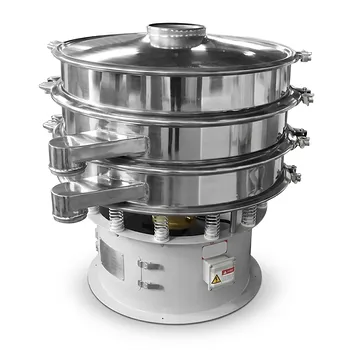
Three Dimensional Rotary Vibrating Sieve