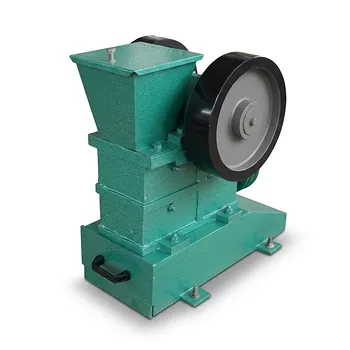
What is the primary function of a laboratory jaw crusher in the pretreatment process of galena ore? Initial Prep Guide
Updated 4 months ago
In the pretreatment of galena ore, the primary function of a laboratory jaw crusher is to perform the initial size reduction of raw samples through compressive force. This equipment typically takes large, raw galena chunks ranging from 50 to 100 mm and reduces them to a manageable feed size suitable for laboratory mills. This foundational step is essential for the initial release of valuable minerals from gangue, directly impacting the efficiency of all subsequent fine grinding and analysis.
The laboratory jaw crusher serves as the critical "primary" stage in mineral processing, transforming bulk raw galena into a uniform, sized feed that ensures the accuracy and repeatability of downstream grinding and metallurgical testing.
The Mechanics of Primary Size Reduction
Compressive Force and the V-Shaped Cavity
The laboratory jaw crusher operates by utilizing a V-shaped cavity formed between a fixed jaw plate and a reciprocating movable jaw. As the movable jaw cycles, it applies intense mechanical pressure and compressive force to the galena ore trapped within the chamber.
Mechanical Breakdown of Galena Lumps
This periodic squeezing motion shatters the large ore fragments into smaller particles. Because galena is a relatively dense and brittle lead sulfide mineral, the compressive mechanism is highly effective at fracturing the ore along its natural cleavage planes.
Adjustable Discharge Control
Most laboratory-grade crushers feature an adjustable discharge opening, allowing operators to precisely control the final particle size. This ensures the output meets the specific "qualified feed" requirements for the next stage of processing, such as ball milling or sample splitting.
The Role of Crushing in Mineral Liberation
Initial Mineral Release
The primary goal of crushing galena is the initial liberation of valuable minerals from the surrounding waste rock, or gangue. By breaking down the 50-100 mm chunks, the crusher begins the physical separation process necessary for effective mineral recovery.
Preparing Feed for Fine Grinding
A jaw crusher acts as the bridge between raw field samples and fine laboratory grinding. Without this preliminary step, laboratory mills would be unable to process the oversized ore, leading to equipment damage or insufficient mineral exposure during downstream flotation or gravity separation.
Ensuring Sample Uniformity
Uniformity is vital for the stability of the entire mineral processing workflow. By reducing ore to a consistent size (often down to 2 mm to 3.36 mm), the jaw crusher ensures that the samples used in tests like the Bond Work Index are representative and standardized.
Understanding the Trade-offs and Limitations
The Risk of Over-Crushing and Fines
While size reduction is the goal, excessive force can lead to the overproduction of fines (extremely small dust-like particles). In some mineral processing workflows, too many fines can interfere with gravity separation or cause material loss during handling.
Equipment Wear and Contamination
Laboratory jaw crushers often utilize high-manganese steel liners to withstand the abrasive nature of ore. However, operators must monitor these liners for wear, as metal fragments can potentially contaminate the galena sample and skew chemical assay results.
Limited Reduction Ratio
A single jaw crusher cannot turn a large rock into a fine powder in one step. It is designed for a specific reduction ratio, meaning it is only the first stage of a multi-step pretreatment process that must be followed by secondary crushing or milling.
Applying This to Your Pretreatment Workflow
How to Optimize Your Process
To achieve the best results in your galena ore pretreatment, your approach should vary based on your specific testing objectives.
- If your primary focus is accurate mineralogical analysis: Ensure the discharge opening is set to minimize the production of fines, preserving the natural grain structure as much as possible for initial observation.
- If your primary focus is downstream milling efficiency: Adjust the crusher to the smallest stable setting to provide a highly uniform feed, which reduces the energy requirements and time spent in the ball mill.
- If your primary focus is measuring ore hardness: Strictly adhere to standard discharge sizes (such as sub-3.36 mm) to ensure the feed size distribution meets the protocols for the Bond Work Index.
By precisely controlling the primary crushing stage, you establish the technical foundation necessary for successful lead extraction and mineral evaluation.
Summary Table:
| Feature | Laboratory Jaw Crusher Details |
|---|---|
| Primary Function | Initial size reduction of raw galena chunks via compressive force |
| Input Material Size | Large raw ore samples (typically 50 mm to 100 mm) |
| Output Size Range | Uniform feed particles (often 2 mm to 3.36 mm) |
| Core Mechanism | V-shaped cavity with fixed and reciprocating movable jaw plates |
| Key Benefit | Essential mineral liberation and protection of downstream lab mills |
| Material Handling | High-manganese steel liners for abrasive lead sulfide (galena) |
Optimize Your Mineral Research with Professional Pretreatment Solutions
At [Company Name], we provide complete laboratory sample preparation solutions tailored for material science and metallurgical research. Whether you are processing galena ore or advanced ceramics, our equipment ensures the accuracy and repeatability your analysis demands.
Our extensive product line includes:
- Crushing & Grinding: High-performance jaw and roll crushers, liquid nitrogen cryogenic grinders, and diverse mills (planetary ball, jet, sand/bead, disc, and rotor).
- Sizing & Mixing: Vibratory and air-jet sieve shakers with precision meshes, plus advanced powder and defoaming mixers.
- Compaction & Pressing: A full spectrum of hydraulic presses, including Cold/Warm Isostatic Presses (CIP/WIP), XRF pellet presses, and vacuum hot presses.
Ready to enhance your lab's efficiency and sample quality?
Contact our technical experts today to find the perfect equipment for your workflow!
References
- Steven Kuba Nuhu. Sieve Analysis For The Determination Of The Liberation Size Of Galena At Zurak, Wase L. G. A., Plateau State, Nigeria. DOI: 10.5281/zenodo.546465
Mentioned Products
- 150x250mm Laboratory Jaw Crusher for Medium Hard Material Crushing and Sample Preparation
- 150×125mm Laboratory Jaw Crusher for Medium and Fine Crushing of Brittle Materials
- Custom Raised Height Laboratory Jaw Crusher for Precision Sample Preparation in Material Science
- 150x250mm Custom Laboratory Jaw Crusher for Coal Ore Mineral Crushing
- Laboratory Jaw Crusher 200x300mm Opening for Primary Crushing of Ores and Aggregates
People Also Ask
- What is the primary function of a laboratory jaw crusher? Master Initial Hard Rock Ore Preparation & Feed Sizing
- What is the primary role of a laboratory jaw crusher in the initial stages of tin and tantalum ore reprocessing? Explained
- What is the role of a laboratory jaw crusher in the initial preparation of silicate-type low-grade copper ore?
- Why is a laboratory jaw crusher necessary for processing biomass materials? Essential Prep for Material Science
- What is the primary function of a laboratory jaw crusher when processing low-grade copper ore? Expert Guide

Tech Team · PowderPreparation
Last updated on May 14, 2026
Related Products
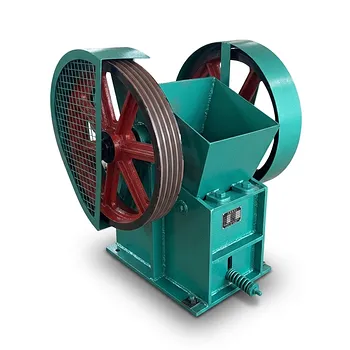
150x250mm Laboratory Jaw Crusher for Medium Hard Material Crushing and Sample Preparation
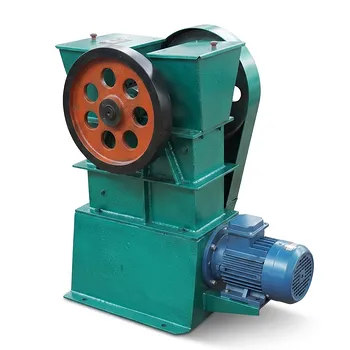
150×125mm Laboratory Jaw Crusher for Medium and Fine Crushing of Brittle Materials
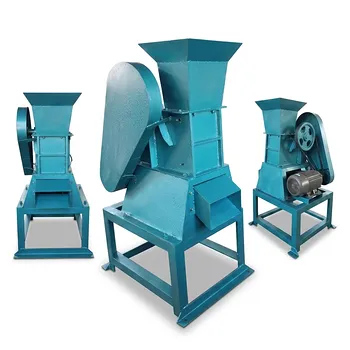
Custom Raised Height Laboratory Jaw Crusher for Precision Sample Preparation in Material Science
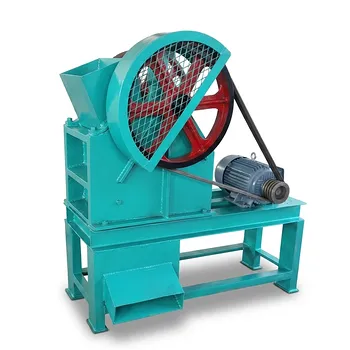
150x250mm Custom Laboratory Jaw Crusher for Coal Ore Mineral Crushing
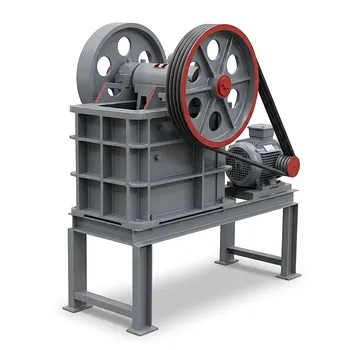
Laboratory Jaw Crusher 200x300mm Opening for Primary Crushing of Ores and Aggregates
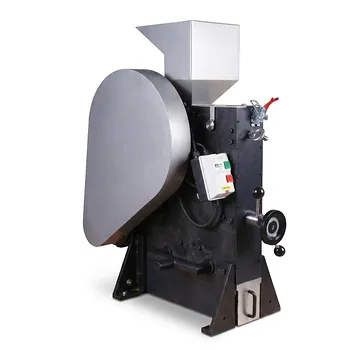
Heavy Duty Industrial Laboratory Jaw Crusher for Primary Sample Preparation and Hard Material Size Reduction
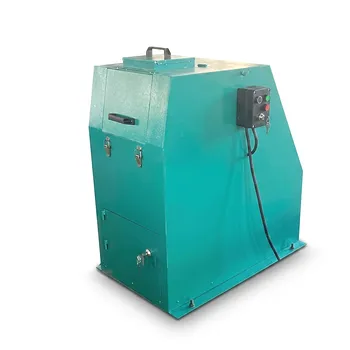
Environmentally Friendly Sealed Jaw Crusher for Laboratory Sample Preparation
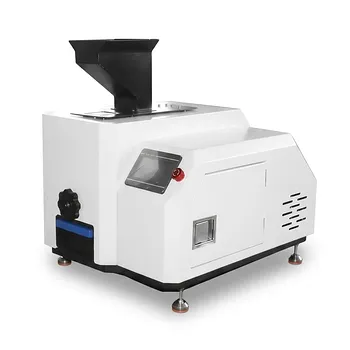
Laboratory Jaw Crusher 2025 Model for Ore and Brittle Material Crushing
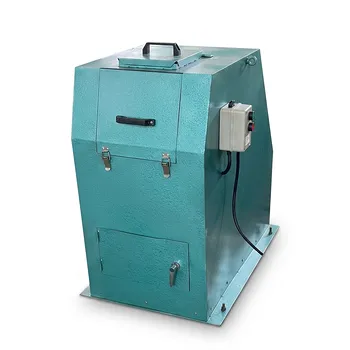
Environmentally Friendly Sealed Laboratory Jaw Crusher for Sample Preparation
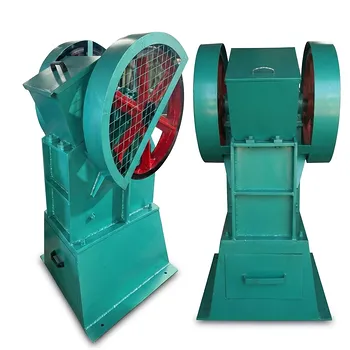
Sealed Jaw Crusher for Laboratory Material Crushing and Sample Preparation
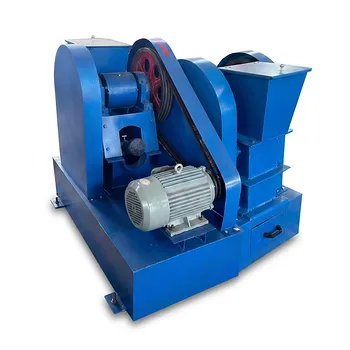
Horizontal Jaw Crusher Medium Hard Material Crushing Laboratory Sample Preparation Equipment
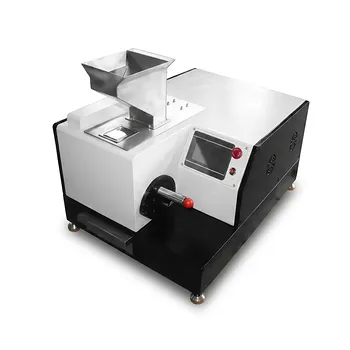
Experimental Jaw Crusher for Laboratory Ore Crushing and Sample Preparation
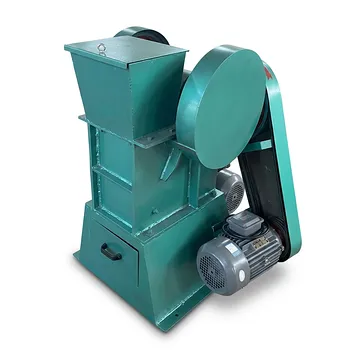
Small Laboratory Jaw Crusher 150x200mm Feed Opening for Sample Preparation and Medium Fine Crushing
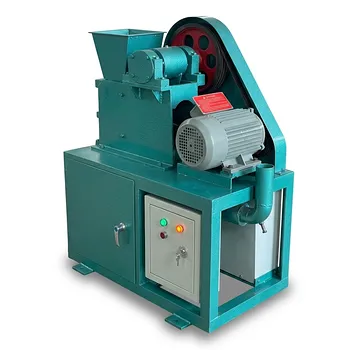
EP-B Type Sealed Jaw Crusher for Laboratory Sample Preparation
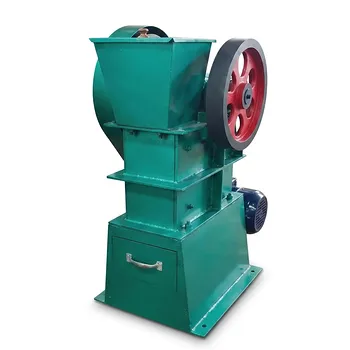
EP Series Small Jaw Crusher for Laboratory Sample Preparation
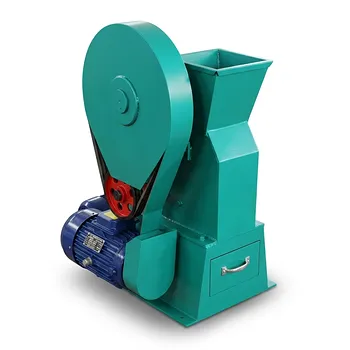
Small Laboratory Jaw Crusher 125x100mm Feed Opening for Sample Preparation
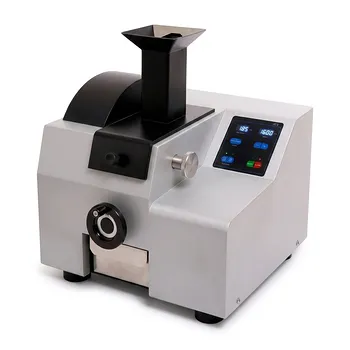
Laboratory Benchtop Jaw Crusher for Hard Brittle Materials Primary Size Reduction and Sample Preparation
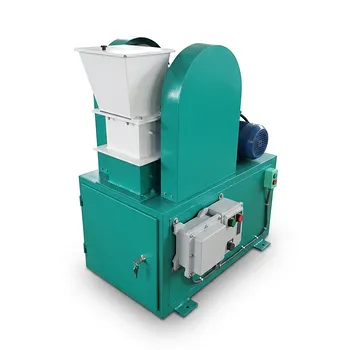
Custom Explosion-Proof Sealed Jaw Crusher for Laboratory and Industrial Sample Preparation
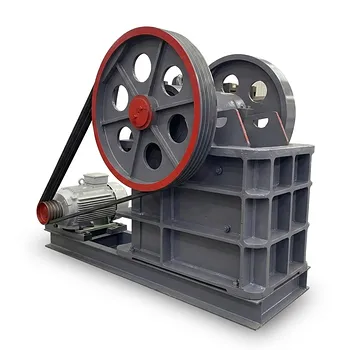
250x400mm Jaw Crusher Medium Crushing Equipment for Mining Mineral Sample Preparation