What is the function of a mechanical sieve shaker in concrete aggregate analysis? Ensure Precise PSD for High-Strength Mixes.
Updated 4 months ago
The primary function of a mechanical sieve shaker is to apply standardized, high-frequency vibration to a stack of test sieves to physically separate fine aggregate particles by size. This automated process ensures that each particle is exposed to sieve apertures repeatedly, providing the precise mass-fraction data required to calculate the fineness modulus and determine if the material meets grading requirements for high-strength concrete.
A mechanical sieve shaker replaces inconsistent manual agitation with uniform vibration and motion, ensuring that fine aggregates are classified accurately within specific timeframes. This precision is the foundation for calculating particle size distribution (PSD) metrics that dictate concrete density, workability, and structural integrity.
The Mechanics of Automated Separation
High-Frequency Vibration and Motion
The shaker employs high-frequency mechanical vibration, and sometimes a combination of horizontal circular motion and vertical tapping, to move the dry sample. This continuous energy keeps particles in motion, preventing "blinding" (clogging) of the mesh and ensuring smaller particles migrate downward through the stack.
Multi-Level Classification
By driving a stack of sieves with varying apertures—typically ranging from 4.75 mm down to 150 microns—the shaker isolates specific size fractions simultaneously. This simultaneous processing is significantly more efficient than manual methods and ensures that the entire sample is graded under identical physical conditions.
Standardization and Repeatability
Unlike manual sieving, which varies based on operator fatigue and technique, a mechanical shaker provides stable vibration frequency and force. This consistency is critical for achieving repeatable results, which are necessary for verifying that aggregates fit within specific grading intervals, such as Zone II.
Engineering Significance in Concrete Design
Calculating the Fineness Modulus
The data generated by the shaker is used to calculate the fineness modulus, as well as the coefficient of uniformity (Cu) and coefficient of curvature (Cc). these indices are the primary indicators of whether an aggregate is well-graded or gap-graded.
Optimizing Particle Packing
Accurate PSD analysis allows engineers to optimize particle packing density. When aggregates are properly graded, smaller particles fill the voids between larger ones, which reduces the required amount of cement paste and minimizes the porosity of the final concrete composite.
Impact on Workability and Strength
A well-graded sample, verified by mechanical sieving, ensures the concrete maintains optimal workability and compaction. Proper grading directly correlates to the production of high-strength concrete by ensuring a dense, cohesive matrix that can withstand structural loads.
Understanding the Trade-offs
Mechanical Wear vs. Manual Error
While mechanical shakers eliminate human error and reduce labor, they subject sieves to constant mechanical stress. Over time, this can lead to mesh deformation or wire wear, requiring regular calibration and inspection of the sieve stack to maintain accuracy.
The Risk of Over-Sieving
Extended vibration periods (e.g., exceeding 10 minutes) can lead to particle degradation, where softer aggregate materials break down into smaller fragments during the test itself. This "attrition" can skew results, making the sample appear finer than it actually is in its raw state.
Material Moisture Sensitivity
Mechanical shakers are designed for dry sieve analysis; even slight moisture in the fine aggregates can cause particles to clump or stick to the mesh. This renders the mechanical vibration ineffective, as the shaker cannot overcome the capillary forces of water to separate the individual grains.
How to Apply This to Your Project
Making the Right Choice for Your Goal
- If your primary focus is Quality Control (QC) compliance: Use a calibrated mechanical shaker to ensure your aggregates consistently meet Zone II grading requirements for standardized mix designs.
- If your primary focus is Research and Development (R&D): Utilize the shaker to precisely determine Cu and Cc values when experimenting with alternative materials like crushed glass or recycled aggregates to optimize packing density.
- If your primary focus is Operational Efficiency: Implement automated shakers with built-in timers to standardize the sieving duration at 10 minutes, reducing labor costs and improving data repeatability across different shifts.
Precise particle size distribution, facilitated by the mechanical sieve shaker, is the technical prerequisite for controlling the density, porosity, and ultimate performance of modern concrete.
Summary Table:
| Key Feature | Functional Benefit | Impact on Concrete Quality |
|---|---|---|
| High-Frequency Vibration | Prevents mesh blinding and ensures thorough separation. | Accurate mass-fraction data for grading. |
| Automated Timing | Eliminates manual error and provides standardized results. | Reliable repeatability for QC compliance. |
| Multi-Level Stack | Isolates particle sizes from 4.75mm to 150 microns simultaneously. | Precise calculation of the Fineness Modulus. |
| Motion Control | Optimizes particle migration through the sieve mesh. | Improved packing density and reduced porosity. |
Optimize Your Material Analysis with Precision Equipment
Achieving the perfect particle size distribution is the first step toward superior material performance. At our facility, we provide complete laboratory sample preparation solutions for material science, specializing in high-performance powder processing and compaction equipment.
Whether you are analyzing concrete aggregates or developing advanced ceramics, our extensive product lines are designed to meet the most rigorous standards:
- Particle Size Analysis: Vibratory and air-jet sieve shakers with a full range of precision test sieves and meshes.
- Milling & Grinding: Planetary ball mills, jet mills, sand/bead mills, and liquid nitrogen cryogenic grinders.
- Crushing & Mixing: Jaw/roll crushers, powder mixers, and defoaming mixers.
- Advanced Compaction: A full spectrum of hydraulic presses, including Cold/Warm Isostatic Presses (CIP/WIP), vacuum hot presses, and XRF pellet presses.
Ready to enhance your lab's efficiency and accuracy? Contact us today to discuss your specific requirements and let our experts help you find the ideal solution for your material characterization needs.
References
- O.M. Akwenuke, E. D. Edafiadhe. Effect of Green Admixtures on the Mechanical Properties of Concrete Composite. DOI: 10.53982/aijnas.2023.0302.12-j
Mentioned Products
- 三维电磁微量振动筛分仪
- Vibratory Sieve Shaker Electromagnetic 3D Motion Powder Particle Size Analyzer for Dry and Wet Sieving
- Laboratory Dry and Wet Three Dimensional Vibratory Sieve Shaker for Particle Analysis
- Small Laboratory Vibrating Sieve Shaker for Precise Particle Size Analysis
- Stainless Steel Laboratory Vibratory Test Sieve Shaker
People Also Ask
- Why is a standard sieve shaker essential for CBA powders in geopolymers? Enhance Reactivity & Material Strength
- Why are standard metal sieves and sieve shakers necessary for 5-aminotetrazole mixtures? Optimize Thermal & Kinetic Data
- Why Use Sieve Shakers for Gangue Slurry Experiments? Optimize Particle Grading for Superior Results
- What are the advantages of mechanical vs. manual sieving for road dust analysis? Achieve Superior Data Standardization.
- How do high-precision sieve shakers and powder mixers facilitate material circularity in metal PBF? Optimize AM Cycles

Tech Team · PowderPreparation
Last updated on Jun 03, 2026
Related Products
三维电磁微量振动筛分仪
Vibratory Sieve Shaker Electromagnetic 3D Motion Powder Particle Size Analyzer for Dry and Wet Sieving
Laboratory Dry and Wet Three Dimensional Vibratory Sieve Shaker for Particle Analysis
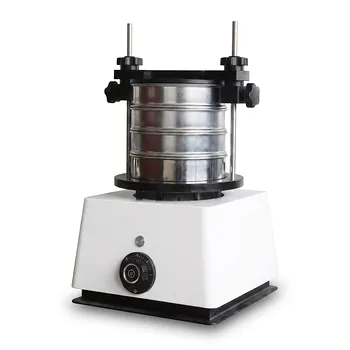
Small Laboratory Vibrating Sieve Shaker for Precise Particle Size Analysis
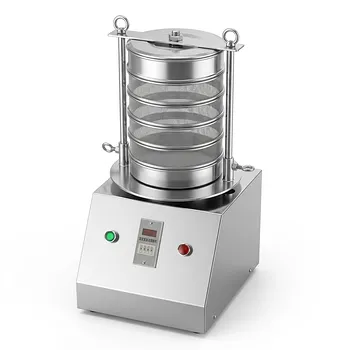
Stainless Steel Laboratory Vibratory Test Sieve Shaker
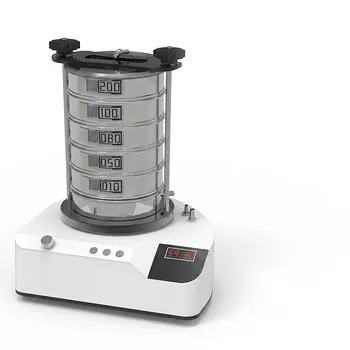
Heavy Duty Dry Three Dimensional Vibratory Sieve Shaker for Particle Separation
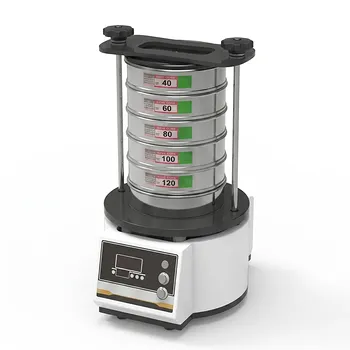
Dry Three Dimensional Vibratory Sieve Shaker
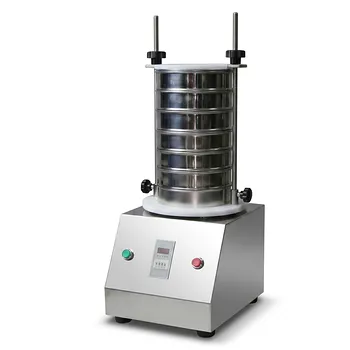
Small Laboratory Vibratory Sieve Shaker for Powder Gradation and Particle Size Analysis
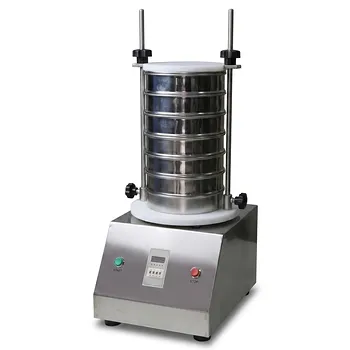
Laboratory Vibratory Test Sieve Shaker for Precision Particle Size Analysis and Powder Grading
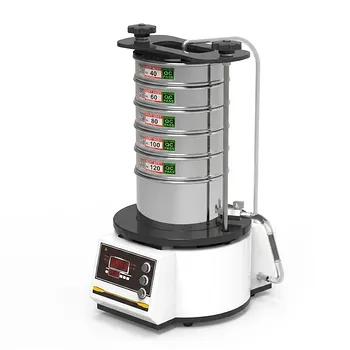
High Frequency Wet Three-Dimensional Vibrating Sieve Shaker for Dry and Wet Particle Size Analysis
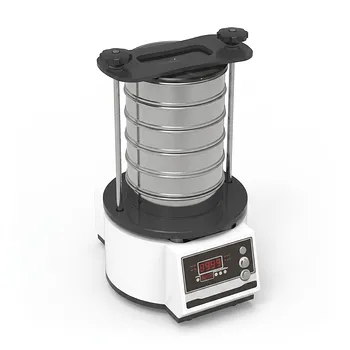
Tapping Oscillating Sieve Shaker for Dry and Wet Particle Size Analysis
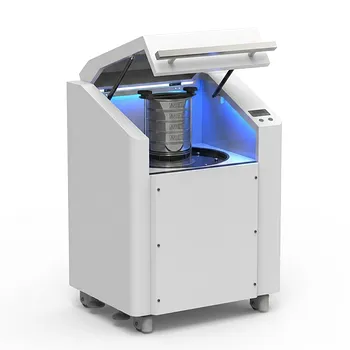
High Frequency Cabinet Type Three-Dimensional Rotary Vibrating Sieve Shaker for Dry Sieving and Particle Classification
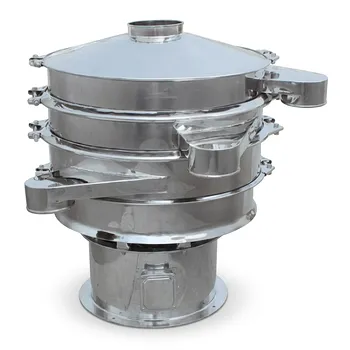
Stainless Steel Rotary Vibrating Sieve High Precision Circular Vibratory Separator Industrial Powder Grading Machine Multi Layer Sifting Equipment
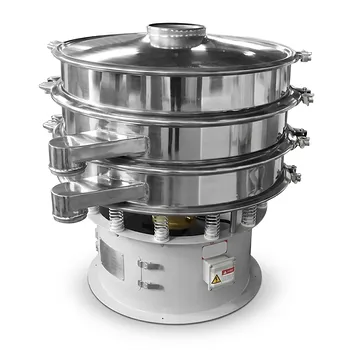
Three Dimensional Rotary Vibrating Sieve