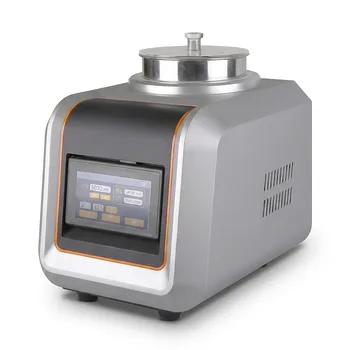
Why use sieve shakers for filter material particle size? Optimize pore structure and manufacturing consistency.
Updated 4 months ago
The precision of a composite filter element is fundamentally determined by the mechanical control of its raw material particle size.
Vibratory sieve shakers and standard test sieves work in tandem to physically classify crushed clay, activated carbon, and other fillers into specific, repeatable size fractions. By ensuring a consistent particle size distribution (PSD), this process directly dictates the pore structure, water permeability, and structural integrity of the final filter medium.
Control over particle size is the bridge between raw material quality and predictable filter performance. Without precise mechanical sieving, the resulting filter elements will suffer from inconsistent flow rates and physical instability.
Optimizing Functional Performance
Determining Pore Size and Permeability
The size of the particles—such as crushed clay or activated carbon—determines the geometry of the voids between them after molding. Consistent grading through meshes like 75μm and 300μm ensures a specific pore size distribution, which is the primary factor in a filter’s ability to intercept contaminants while maintaining water permeability.
Influencing Interfacial Bonding and Strength
Uniformity in particle size allows fillers to disperse evenly within a matrix, such as a polyester or ceramic base. This uniformity optimizes the interfacial bonding between components, which significantly increases the impact strength and physical durability of the finished composite material.
Managing Water Absorption and Porosity
By selecting specific mesh apertures, operators can extract the exact grading required to control hydraulic conductivity. This level of classification is critical for studying how different particle scales—from micron-scale to grit-sized—affect the water-holding capacity and absorption properties of the filter.
Enhancing Manufacturing Consistency
Control of Packing Density and Shrinkage
Standardized grit sizes ensure optimal particle packing density within the mold or during sintering. This precision reduces the risk of uneven shrinkage and deformation during high-temperature processes, which is essential for maintaining the dimensional accuracy of ceramic filter elements.
Reproducibility and Pass Percentage
Mechanical sieving provides a consistent and repeatable force that manual methods cannot replicate. This allows manufacturers to generate accurate passage percentage curves, ensuring that every batch of raw material meets the exact ratios required for workability and final strength.
Improving Material Flowability
In the production of active filter components, the particle size distribution influences how well powders flow into molds or through machinery. Precise classification via vibratory shakers ensures that materials do not bridge or clog, leading to a more efficient and reliable manufacturing cycle.
Understanding the Trade-offs
Material Attrition During Testing
While high-frequency vibration is necessary for effective stratification, it can cause friable materials, such as activated carbon or biochar, to break down further during the sieving process. This "attrition" can lead to a false representation of the original particle size if the shaking duration is not strictly controlled.
Sieve Blinding and Wear
Using standard test sieves requires constant maintenance to prevent blinding, where particles become lodged in the mesh openings. Over time, the mechanical stress of the vibratory shaker can lead to mesh stretching or damage, which compromises the accuracy of the grading and requires regular calibration against certified standards.
Applying Particle Control to Filter Production
To achieve the best results in composite filter manufacturing, your sieving strategy must align with your specific performance requirements.
- If your primary focus is filtration precision: Use finer mesh sizes, such as 75μm to 300μm, to create a dense, highly controlled pore structure for removing micro-contaminants.
- If your primary focus is flow rate and permeability: Select larger aggregate gradings (e.g., 1.18mm) to ensure high hydraulic conductivity and minimize pressure drops across the filter bed.
- If your primary focus is structural durability: Focus on achieving a wide but balanced particle size distribution (PSD) to maximize packing density and minimize shrinkage during the molding and sintering phases.
By mastering the mechanical classification of raw materials, you ensure that every filter element produced meets rigorous standards for both performance and longevity.
Summary Table:
| Key Factor | Impact on Filter Element | Recommended Sieve Range |
|---|---|---|
| Pore Geometry | Determines filtration precision and water permeability. | 75μm - 300μm |
| Interfacial Bonding | Enhances impact strength and structural durability. | Mixed Distribution |
| Packing Density | Reduces shrinkage and deformation during sintering. | Fine to Medium Grits |
| Flowability | Prevents clogging/bridging during mold filling. | Uniform Fractions |
| Hydraulic Conductivity | Controls water-holding capacity and flow rates. | Up to 1.18mm |
Elevate Your Filter Manufacturing Precision
At our core, we provide complete laboratory sample preparation solutions tailored for material science. Whether you are processing activated carbon, clay, or advanced ceramics, our equipment ensures the rigorous particle size control necessary for high-performance composite filters.
Our extensive product line includes:
- Size Reduction: Jaw/roll crushers and high-efficiency mills (planetary, jet, and cryogenic grinders).
- Classification: Precision vibratory and air-jet sieve shakers with a full range of certified test sieves.
- Powder Processing: Advanced powder and defoaming mixers for uniform filler distribution.
- Compaction: A full spectrum of hydraulic presses, including Cold/Warm Isostatic Presses (CIP/WIP), hot presses, and vacuum systems for superior structural integrity.
Ready to optimize your raw material consistency? Contact us today to discuss how our specialized equipment can enhance your lab's efficiency and product quality.
References
- Adedayo Deborah Adeyinka-Aderanti, Johnson Olumuyiwa Agunsoye. Effect of Process Parameters on the Properties of Clay-Based Composite Filter for Water Purification. DOI: 10.52968/72017829
Mentioned Products
- Vibratory Sieve Shaker Electromagnetic 3D Motion Powder Particle Size Analyzer for Dry and Wet Sieving
- Laboratory Dry and Wet Three Dimensional Vibratory Sieve Shaker for Particle Analysis
- Stainless Steel Laboratory Vibratory Test Sieve Shaker
- Heavy Duty Dry Three Dimensional Vibratory Sieve Shaker for Particle Separation
- Dry Three Dimensional Vibratory Sieve Shaker
People Also Ask
- How does a vibratory sieve shaker contribute to optimizing the performance of activated carbon? Enhance Adsorption Precision
- Why is a laboratory vibratory sieve shaker necessary for processing magnesium-based borate precursor powders? Boost Activity
- Why use a vibratory sieve shaker to verify coarse aggregate grading in rubberized concrete? Ensure Structural Integrity
- What function do vibratory sieve shakers and standard test sieves serve in the preparation of adsorbents? Key Guide
- What role does a vibratory sieve shaker play in the particle size analysis of ground corn products? Enhance QC Precision

Tech Team · PowderPreparation
Last updated on Jun 03, 2026
Related Products
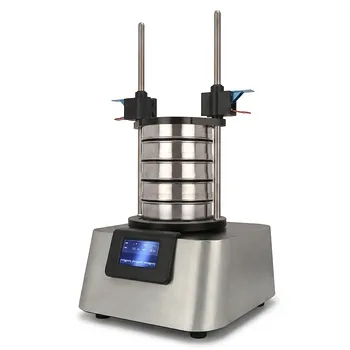
Vibratory Sieve Shaker Electromagnetic 3D Motion Powder Particle Size Analyzer for Dry and Wet Sieving
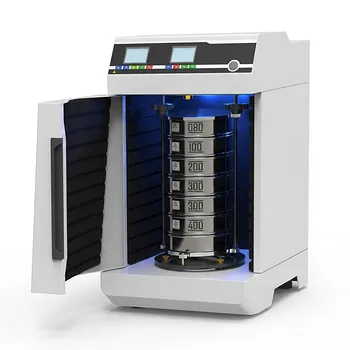
Laboratory Dry and Wet Three Dimensional Vibratory Sieve Shaker for Particle Analysis
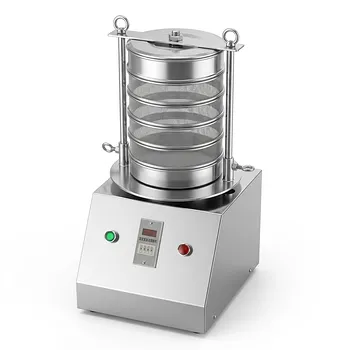
Stainless Steel Laboratory Vibratory Test Sieve Shaker
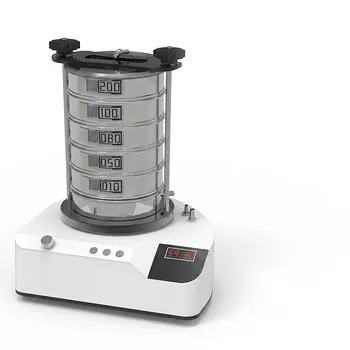
Heavy Duty Dry Three Dimensional Vibratory Sieve Shaker for Particle Separation
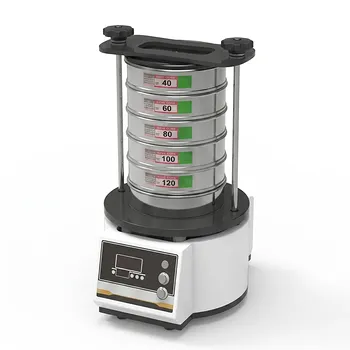
Dry Three Dimensional Vibratory Sieve Shaker
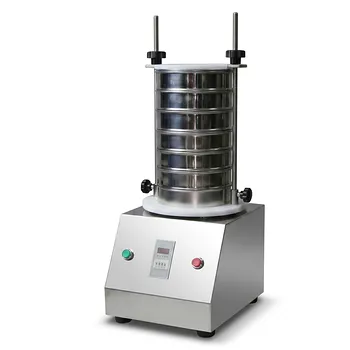
Small Laboratory Vibratory Sieve Shaker for Powder Gradation and Particle Size Analysis
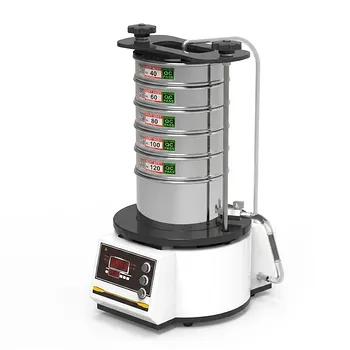
High Frequency Wet Three-Dimensional Vibrating Sieve Shaker for Dry and Wet Particle Size Analysis
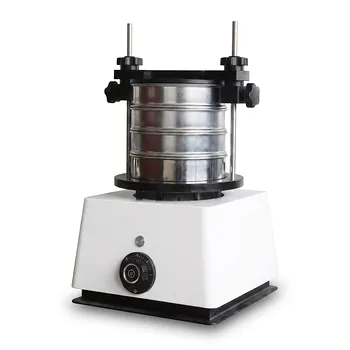
Small Laboratory Vibrating Sieve Shaker for Precise Particle Size Analysis
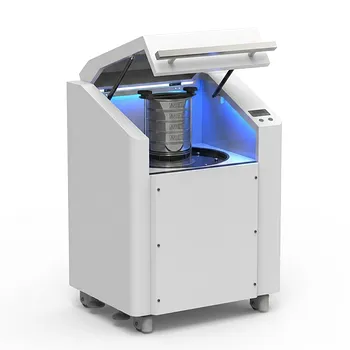
High Frequency Cabinet Type Three-Dimensional Rotary Vibrating Sieve Shaker for Dry Sieving and Particle Classification
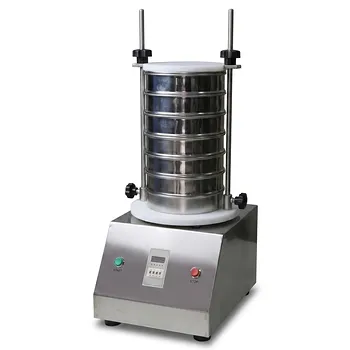
Laboratory Vibratory Test Sieve Shaker for Precision Particle Size Analysis and Powder Grading
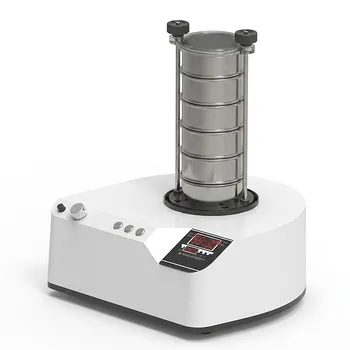
三维电磁微量振动筛分仪
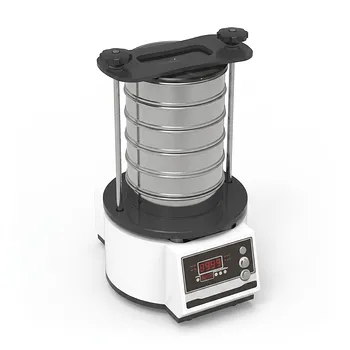
Tapping Oscillating Sieve Shaker for Dry and Wet Particle Size Analysis
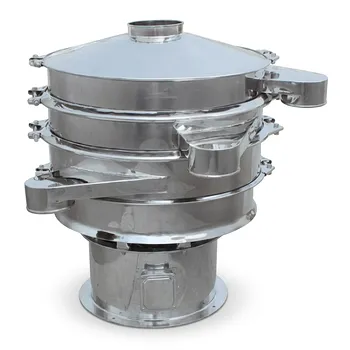
Stainless Steel Rotary Vibrating Sieve High Precision Circular Vibratory Separator Industrial Powder Grading Machine Multi Layer Sifting Equipment
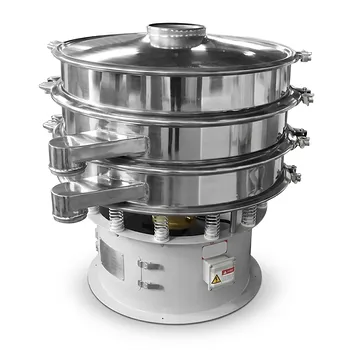
Three Dimensional Rotary Vibrating Sieve
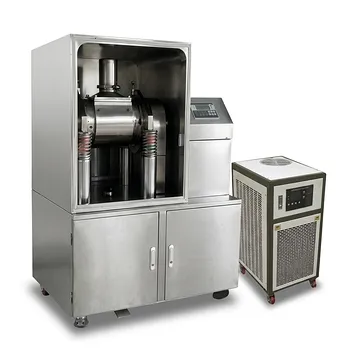
Small Vibrating Ultrafine Grinder for Traditional Chinese Medicine

Automatic Vibrating Powder Feeder for Laboratory Material Processing Precision Vibratory Hopper Feeder for Granular and Powder Material Handling Industrial Grade Vibrating Tray Feeder for Consistent Material Sample Preparation
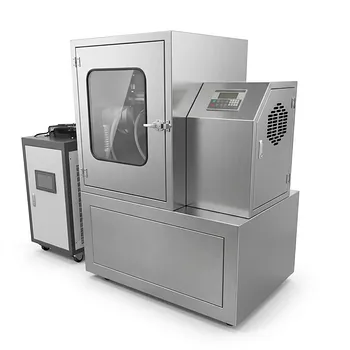
Vibratory Superfine Grinder for Ultra Fine Laboratory Powder Milling
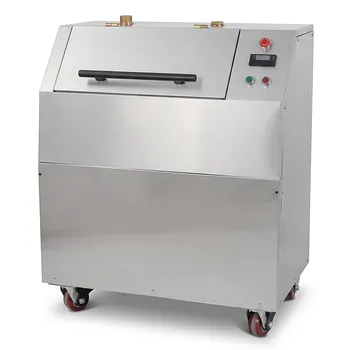
Vibratory Disc Mill for Rapid Fine Grinding and High Throughput Sample Preparation of Hard and Brittle Materials