What is the role of high-precision sieves and shakers in AAR research? Achieve Precise Gradation and Reliable Results
Updated 4 months ago
High-precision standard analytical sieves and vibratory sieve shakers are the primary tools used to strictly control the grading of aggregates according to standards like ABNT NBR NM 248. By accurately separating sand into specific size fractions ranging from 4.75mm to 150μm, these instruments create a standardized skeletal structure for mortar test bars. This precision is vital because it eliminates the risk of uneven physical porosity interfering with the measurement of chemical expansion, which is the core focus of Alkali-Aggregate Reaction (AAR) research.
Core Takeaway: In AAR research, these tools serve as the gatekeepers of experimental integrity by ensuring that any observed expansion is the result of chemical reactivity rather than inconsistent physical packing or void ratios within the test samples.
Achieving Strict Gradation Control
Adherence to Regulatory Standards
To produce reliable AAR data, researchers must follow strict protocols such as ABNT NBR NM 248. High-precision sieves provide the standardized apertures required to verify that fine aggregates meet these exact regulatory specifications.
Precise Particle Size Separation
The combination of a vibratory shaker and analytical sieves allows for the separation of mixed-grain samples into distinct fractions, typically from 4.75mm down to 150μm. This mechanical drive ensures that every particle is categorized by its size, allowing researchers to calculate the fineness modulus and determine the exact gradation range.
Removing Impurities and Oversized Matter
Beyond simple grading, the sieving process effectively removes impurities or oversized particles that could compromise the strength of the mortar. This provides a uniform raw material foundation, which is essential for optimizing concrete proportions and ensuring experimental consistency.
Eliminating Variables in AAR Testing
Standardizing the Skeletal Structure
AAR research depends on the creation of mortar test bars with a standardized skeletal structure. By ensuring the aggregate grading is identical across all samples, researchers can be certain that the "internal architecture" of the mortar does not vary between tests.
Isolating Chemical Expansion
The primary goal of using these tools is to eliminate interference from uneven physical porosity. If the physical structure is not uniform, voids and gaps can skew expansion results; by tightening the packing of particles, the researcher ensures that any measured expansion is purely a result of the alkali-aggregate chemical reaction.
Maximizing Density and Workability
Precise grading facilitates the tightest packing of particles, which significantly reduces the void ratio. This not only enhances the density and ultimate compressive strength of the concrete but also ensures that the material has the workability needed to form perfect, defect-free test specimens.
Understanding the Trade-offs and Pitfalls
The Risk of Sieve Blinding and Overloading
If too much material is placed on a sieve at once, particles can "blind" or clog the mesh, preventing smaller grains from passing through. This leads to inaccurate gradation data and can falsely suggest a coarser aggregate profile than what actually exists.
Vibration Duration and Intensity
While vibratory shakers automate the process, improper settings can lead to particle degradation. Excessive vibration time or intensity may cause softer aggregates to break down into smaller fragments during the test, artificially altering the particle size distribution and compromising the AAR study.
Maintenance of High-Precision Mesh
Standard analytical sieves are sensitive instruments; even microscopic damage to the wire mesh can invalidate results. Regular calibration and cleaning are required to ensure that the aperture sizes remain within the tolerances allowed by international standards.
How to Apply This to Your Research
Implementing Precision Grading Protocols
- If your primary focus is experimental accuracy: Use a calibrated vibratory shaker to eliminate human error and ensure that every sample reaches its "endpoint" of separation consistently.
- If your primary focus is isolating chemical variables: Prioritize the removal of all particles below 150μm and above 4.75mm to ensure a perfectly uniform skeletal structure that prevents physical voids from masking chemical expansion.
- If your primary focus is material benchmarking: Calculate the fineness modulus for every batch of natural sand or crushed stone to ensure your raw materials meet the specific "grading zone" required for high-performance concrete.
By meticulously controlling the physical dimensions of your raw materials, you transform aggregate grading from a potential variable into a reliable constant in your AAR research.
Summary Table:
| Key Feature | Benefit in AAR Research |
|---|---|
| Strict Gradation Control | Ensures adherence to ABNT NBR NM 248 standards for mortar test bars. |
| 4.75mm to 150μm Precision | Creates a standardized skeletal structure to eliminate physical porosity variables. |
| Automated Vibration | Removes human error and ensures every particle is categorized by fineness modulus. |
| Impurity Removal | Eliminates oversized matter to maximize density and compressive strength. |
| Isolated Variables | Guarantees that expansion is due to chemical reactivity, not inconsistent packing. |
Elevate Your Material Science Research with Precision Equipment
At [Your Brand Name], we provide complete laboratory sample preparation solutions tailored for advanced material science and AAR research. Our specialized equipment ensures your experimental integrity from raw material processing to final testing.
Our Core Solutions Include:
- Powder Processing: High-precision vibratory and air-jet sieve shakers, test sieves, and a variety of mills (planetary ball, jet, and rotor).
- Sample Preparation: Heavy-duty jaw and roll crushers, plus liquid nitrogen cryogenic grinders for sensitive materials.
- Advanced Compaction: A full spectrum of hydraulic presses, including Cold/Warm Isostatic Presses (CIP/WIP), vacuum hot presses, and XRF pellet presses.
- Mixing Excellence: High-efficiency powder mixers and vacuum defoaming mixers for defect-free specimens.
Don't let inconsistent material grading compromise your research data. Contact our technical experts today to find the perfect equipment configuration for your laboratory needs.
References
- Hygor Thairony Parreira Vilela, Tiago Ferreira Campos Neto. Efeitos do uso de aditivos cristalizantes na reação álcali-agregado e absorção das argamassas. DOI: 10.21041/ra.v11i1.461
Mentioned Products
- High Frequency Wet Three-Dimensional Vibrating Sieve Shaker for Dry and Wet Particle Size Analysis
- Laboratory Vibratory Test Sieve Shaker for Precision Particle Size Analysis and Powder Grading
- Small Laboratory Vibratory Sieve Shaker for Powder Gradation and Particle Size Analysis
- Small Laboratory Vibrating Sieve Shaker for Precise Particle Size Analysis
- Vibratory Sieve Shaker Electromagnetic 3D Motion Powder Particle Size Analyzer for Dry and Wet Sieving
People Also Ask
- Why are vibrating sieve shakers used with standard test sieves? Ensure Precise Grading for Recycled Aggregates
- What is the function of high-frequency vibratory sieve shakers in AMC powders? Master Particle Grading & PSD Control
- How does a vibratory sieve shaker contribute to optimizing the performance of activated carbon? Enhance Adsorption Precision
- Why is it essential to use a vibrating sieve shaker for the final grading of dietary fiber products? Master Quality.
- What is the role of a high-frequency vibratory sieve shaker in Cold Mix asphalt design? Optimize RAP Gradation Accuracy

Tech Team · PowderPreparation
Last updated on Jun 03, 2026
Related Products
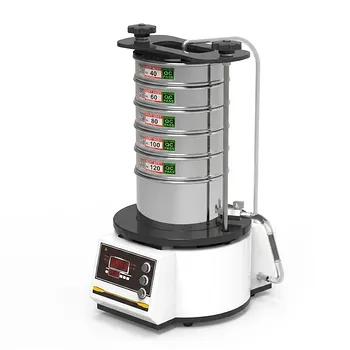
High Frequency Wet Three-Dimensional Vibrating Sieve Shaker for Dry and Wet Particle Size Analysis

Laboratory Vibratory Test Sieve Shaker for Precision Particle Size Analysis and Powder Grading
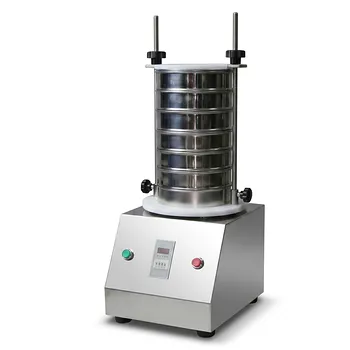
Small Laboratory Vibratory Sieve Shaker for Powder Gradation and Particle Size Analysis

Small Laboratory Vibrating Sieve Shaker for Precise Particle Size Analysis
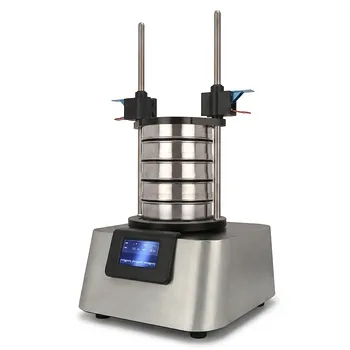
Vibratory Sieve Shaker Electromagnetic 3D Motion Powder Particle Size Analyzer for Dry and Wet Sieving
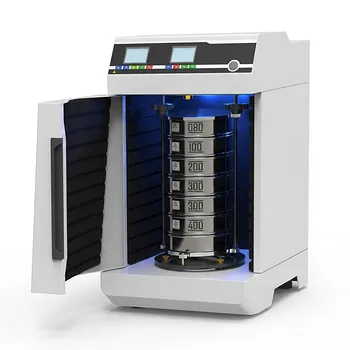
Laboratory Dry and Wet Three Dimensional Vibratory Sieve Shaker for Particle Analysis
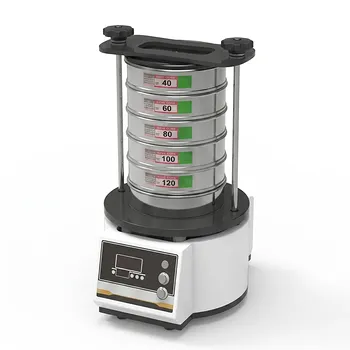
Dry Three Dimensional Vibratory Sieve Shaker
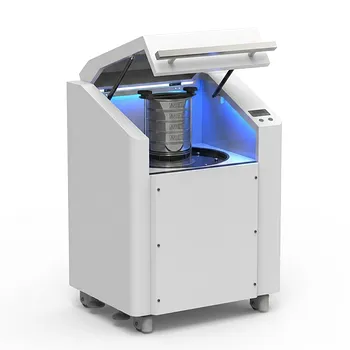
High Frequency Cabinet Type Three-Dimensional Rotary Vibrating Sieve Shaker for Dry Sieving and Particle Classification
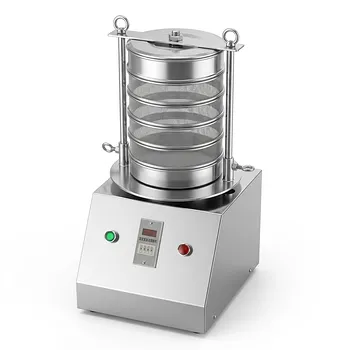
Stainless Steel Laboratory Vibratory Test Sieve Shaker
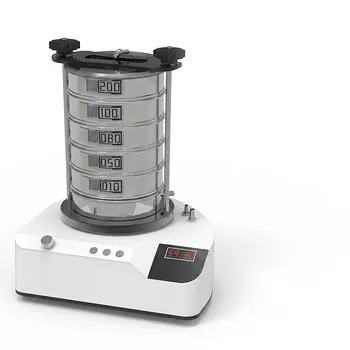
Heavy Duty Dry Three Dimensional Vibratory Sieve Shaker for Particle Separation

Stainless Steel Rotary Vibrating Sieve High Precision Circular Vibratory Separator Industrial Powder Grading Machine Multi Layer Sifting Equipment
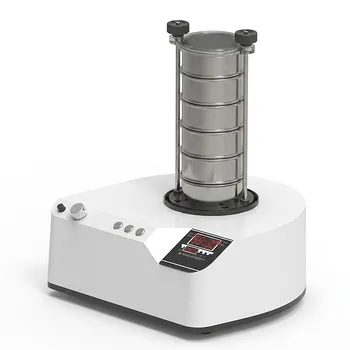
三维电磁微量振动筛分仪
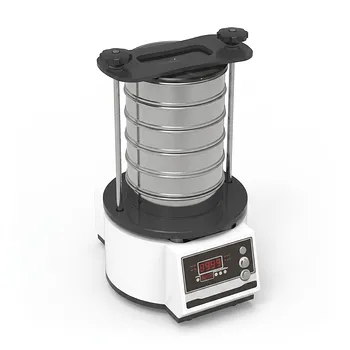
Tapping Oscillating Sieve Shaker for Dry and Wet Particle Size Analysis
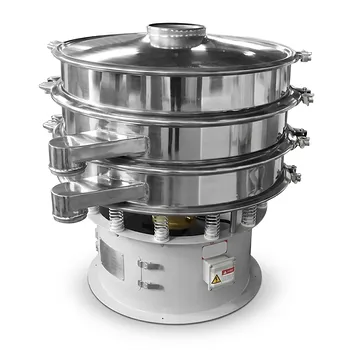
Three Dimensional Rotary Vibrating Sieve

Automatic Vibrating Powder Feeder for Laboratory Material Processing Precision Vibratory Hopper Feeder for Granular and Powder Material Handling Industrial Grade Vibrating Tray Feeder for Consistent Material Sample Preparation
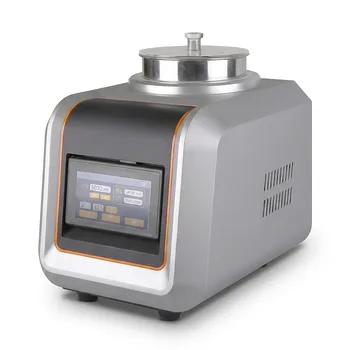
Laboratory Air Jet Sieving Machine for Fine Powder Particle Size Analysis and Deagglomeration
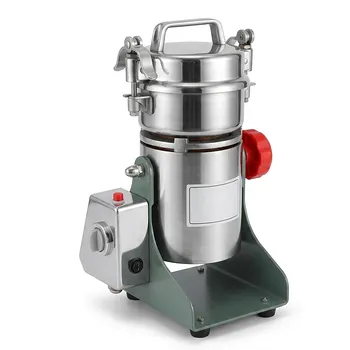
High Speed Swing Type Laboratory Pulverizer for Fine Powder Grinding and Sample Preparation
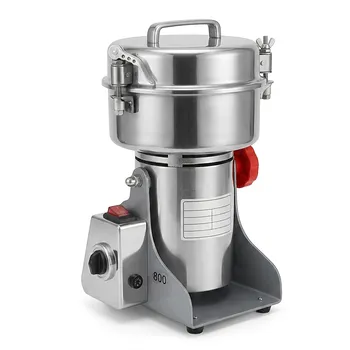
Small High-Speed Laboratory Grinder for Rapid Sample Preparation
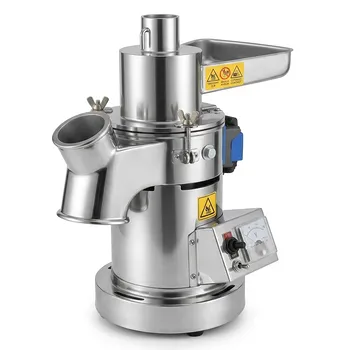
Continuous Feeding Grinder High Efficiency Pulverizer for Lab Sample Preparation