What is the role of ball milling equipment in the preparation of raw materials for grès porcelain? Master Uniformity
Updated 4 months ago
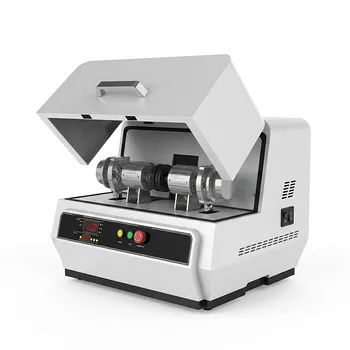
Ball milling equipment is the primary mechanical system used to grind and homogenize the diverse mineral components of grès porcelain. It transforms raw materials like clay, feldspar, kaolin, and sand into a refined ceramic slip with the precise particle size distribution required for spray drying and high-density sintering.
Ball milling serves as the critical bridge between raw mineral extraction and the formation of a high-quality ceramic body. It ensures chemical uniformity and optimal particle fineness, which are essential for achieving the mechanical strength and low porosity characteristic of grès porcelain.
Achieving Optimal Particle Size and Surface Area
The Mechanics of Impact and Attrition
Ball mills utilize the physical impact and shear forces generated by grinding media (typically ceramic balls) to break down hard minerals. As the mill rotates, the media collide with the raw materials, reducing particle sizes from hundreds of micrometers to a finely controlled range.
Increasing Surface Reactivity
By significantly reducing particle size, the milling process increases the specific surface area of the powder. This heightened surface area enhances the reactivity of the materials during the firing process, allowing for faster and more complete chemical reactions.
Preparing for Spray Drying
The fineness achieved during ball milling is specifically calibrated for subsequent spray drying operations. A uniform particle size ensures that the resulting granules are consistent, which is vital for the pressing and molding stages of porcelain production.
Homogenization and Chemical Uniformity
Microscopic Blending of Components
Grès porcelain requires a precise mixture of plastic (clay) and non-plastic (feldspar, sand) materials. Ball milling ensures these diverse minerals are thoroughly mixed at a microscopic scale, preventing "pockets" of unreacted material that could cause structural defects.
De-agglomeration for Stable Slips
In wet milling, the equipment works to de-agglomerate powders within a liquid medium, usually water. This creates a stable, high-quality ceramic slip where the multi-component raw materials are uniformly dispersed, ensuring the suspension remains consistent until it is dried.
Facilitating Phase Transformation
A highly uniform mixture provides the favorable kinetic conditions necessary for phase transformation during sintering. This uniformity is what allows grès porcelain to develop its characteristic vitrified, dense microstructure.
Understanding the Trade-offs and Limitations
The Risk of Media Contamination
Extended milling cycles can lead to the wear of the grinding media, which may introduce impurities into the ceramic slip. Choosing high-quality, wear-resistant media that is chemically compatible with the porcelain body is essential to maintain purity.
Energy Consumption vs. Refinement
High-energy milling, such as using planetary ball mills, offers rapid refinement but comes with significant energy costs. Manufacturers must balance the desired level of fineness with the operational costs of the equipment to maintain profitability.
Processing Time and Heat Generation
Longer milling durations increase fineness but also generate heat, which can alter the rheological properties of the slip. Monitoring temperature and milling time is critical to prevent the slurry from becoming too viscous for efficient processing.
Optimizing Milling Strategy for Production
To achieve the best results with ball milling equipment, the strategy must align with the specific requirements of the porcelain grade being produced.
- If your primary focus is Maximum Density and Strength: Prioritize high-energy milling to achieve a sub-micron particle size, which facilitates superior densification during sintering.
- If your primary focus is Cost-Effective Mass Production: Optimize milling duration and media-to-material ratios to achieve the minimum required fineness for spray drying without excessive energy expenditure.
- If your primary focus is Aesthetic Purity: Utilize high-alumina or specialized ceramic grinding media to minimize the risk of color-distorting metallic or mineral contamination.
Properly executed ball milling is the foundation of a stable, high-performance ceramic body, ensuring the reliability and quality of the final grès porcelain product.
Summary Table:
| Key Function | Role in Porcelain Preparation | Operational Impact |
|---|---|---|
| Particle Refinement | Reduces minerals to sub-micron levels | Increases surface reactivity & sintering speed |
| Homogenization | Microscopic blending of clay & feldspar | Prevents structural defects and "pockets" |
| De-agglomeration | Creates stable, uniform ceramic slips | Essential for consistent spray drying results |
| Phase Control | Facilitates kinetic conditions for firing | Ensures dense, vitrified final microstructure |
Elevate Your Ceramic Material Preparation with Expert Solutions
Achieve the perfect particle size distribution and chemical uniformity for your grès porcelain with [Brand Name]. We provide complete laboratory sample preparation solutions for material science, specializing in high-performance powder processing and compaction equipment.
Our extensive line includes:
- Advanced Milling: Planetary ball mills, jet mills, sand/bead mills, and rotor mills for precise grinding.
- Sizing & Mixing: Vibratory/air-jet sieve shakers and high-efficiency powder/defoaming mixers.
- Sample Compaction: A full spectrum of hydraulic presses, including Cold/Warm Isostatic Presses (CIP/WIP), vacuum hot presses, and standard lab presses.
Ready to optimize your milling strategy and enhance material density? Contact our technical experts today to find the ideal solution for your laboratory or production needs!
References
- Cristiano Fragassa, Francesco Ubertini. Experimental evaluation of pyroclastic deformation on mechanical properties of Grès porcelain stoneware. DOI: 10.5937/imk1403077f
Mentioned Products
- Heavy Duty Horizontal Planetary Ball Mill for Efficient Industrial Grinding and Sample Preparation
- Vertical Semi Circular Planetary Ball Mill for Laboratory Precision Grinding
- Vertical Square Planetary Ball Mill for Laboratory Sample Preparation and Nanoscale Grinding
- High Energy Planetary Ball Mill for Nano Scale Grinding and Mechanical Alloying
- Vertical Production Planetary Ball Mill for High Throughput Powder Processing
People Also Ask
- Why grind lime-pozzolan specimens for TG/DTA for 3 mins? Master sample prep for high-precision thermal analysis.
- What is the role of a planetary ball mill in the mechanical activation of ZTA powder? Boost Sintering Performance
- What is the function of a planetary ball mill in wollastonite ceramic prep? Achieve Molecular Homogenization & Reactivity
- How does a planetary ball mill contribute to the homogenization of trace elements? Achieve Sub-Micron Uniformity
- What is the function of a high-performance planetary ball mill in AMZ laminates? Master Ceramic Homogenization.

Tech Team · PowderPreparation
Last updated on Jun 03, 2026
Related Products
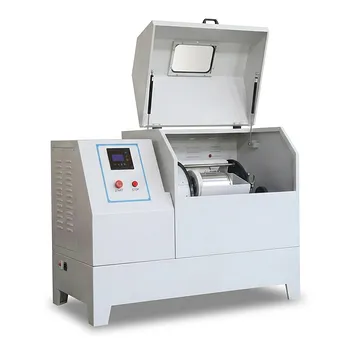
Heavy Duty Horizontal Planetary Ball Mill for Efficient Industrial Grinding and Sample Preparation
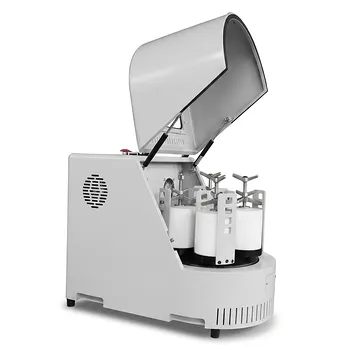
Vertical Semi Circular Planetary Ball Mill for Laboratory Precision Grinding
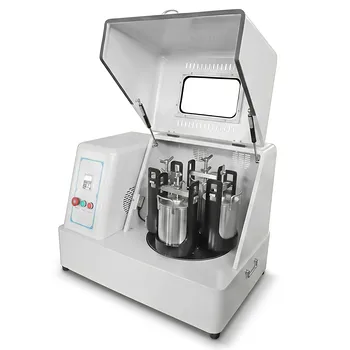
Vertical Square Planetary Ball Mill for Laboratory Sample Preparation and Nanoscale Grinding

High Energy Planetary Ball Mill for Nano Scale Grinding and Mechanical Alloying
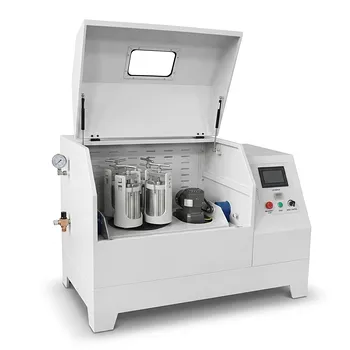
Vertical Production Planetary Ball Mill for High Throughput Powder Processing
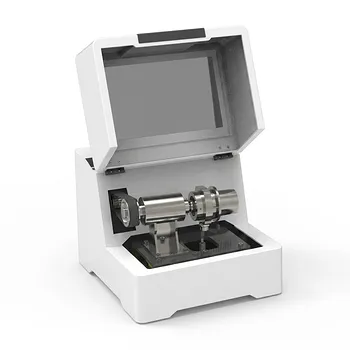
Single Tank High Energy Vibratory Ball Mill for Laboratory Grinding and Mixing
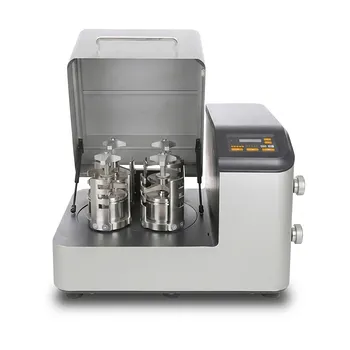
High Energy Planetary Ball Mill for Nano Scale Grinding and Colloidal Mixing in Material Science Research
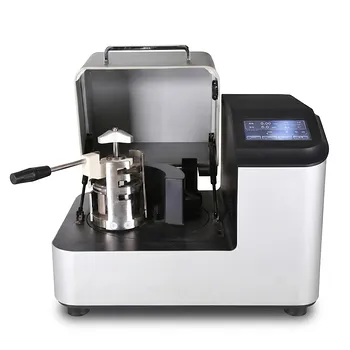
High Energy Laboratory Planetary Ball Mill for Nano Grinding and Material Science Sample Preparation
Miniature Planetary Ball Mill with Vacuum Grinding and High Efficiency for Laboratory Sample Preparation
Dual Station Planetary Ball Mill 24L
360° Rotating Omnidirectional Laboratory Planetary Ball Mill for Homogeneous Ultra-Fine Grinding and Mixing
High Energy Hybrid Vibratory Ball Mill for Grinding Mixing and Cell Disruption
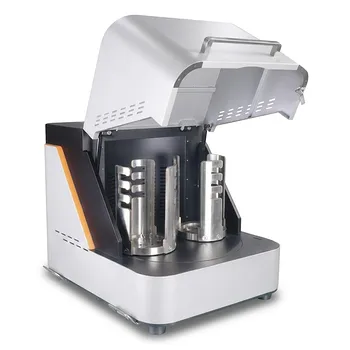
High Energy Laboratory Planetary Ball Mill for Nano Grinding and Colloidal Mixing of Hard and Brittle Materials
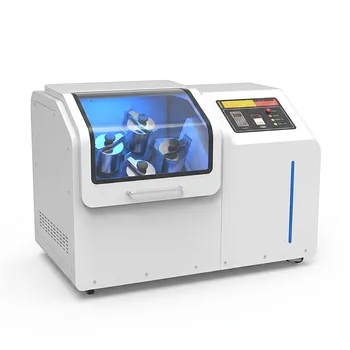
High Energy Omnidirectional Planetary Ball Mill 16L
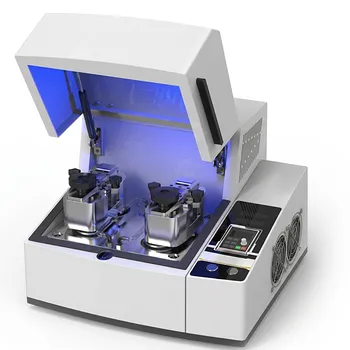
Laboratory Nano High Energy Ball Mill Ultrafine Grinding Mechanical Alloying
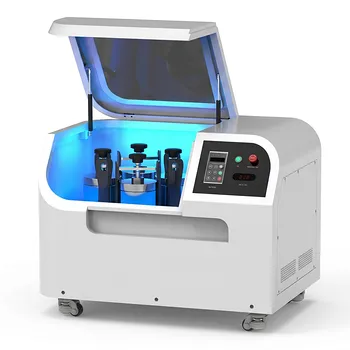
Planetary Ball Mill 12L
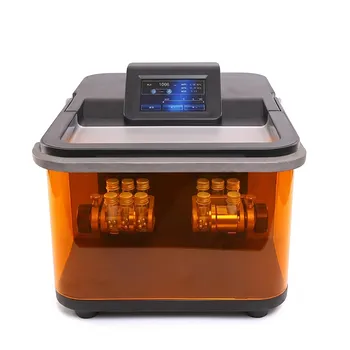
High Throughput Micro Ball Mill for Cryogenic Grinding and Laboratory Cell Disruption
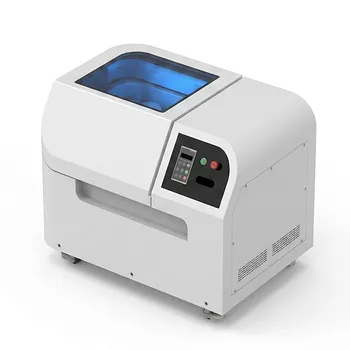
8L Planetary Ball Mill for Laboratory Grinding and Sample Preparation
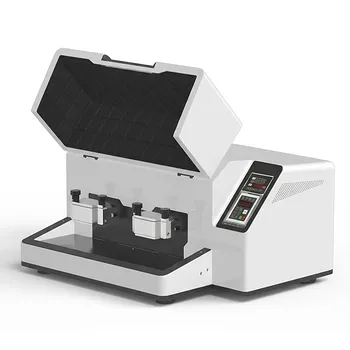
Nanoscale High-Energy Vibratory Ball Mill for Laboratory Sample Preparation, Mechanochemistry, and Mechanical Alloying