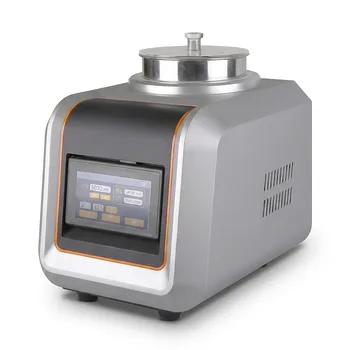
What is the role of an industrial vibratory sieve shaker in core layer prep? Achieve Superior Composite Uniformity
Updated 5 months ago
The industrial vibratory sieve shaker serves as the critical gatekeeper for material uniformity in the production of sustainable wood-waste composite sandwich panels. By utilizing a series of standard test sieves and a controlled 3-D throwing motion, the equipment precisely grades raw wood waste into specific particle size fractions. This rigorous classification is essential for optimizing the packing density of the core layer and ensuring that the final composite achieves consistent mechanical performance across its entire surface.
An industrial vibratory sieve shaker transforms heterogeneous wood waste into a standardized engineering filler by precisely controlling particle size distribution. This process eliminates structural variables, allowing manufacturers to optimize the core's density and mechanical stability for high-performance sustainable panels.
Precision Grading for Core Layer Consistency
Accurate Particle Fraction Selection
The primary role of the sieve shaker is to separate shredded wood waste into distinct, usable fractions, such as 0.15 mm and 0.30 mm. This selection process ensures that only particles within a tight tolerance are used in the core layer, which is vital for maintaining a predictable structural matrix.
Optimization of Packing Density
By classifying particles into specific sizes, the shaker allows for the calculation of an ideal packing density. When particles are uniform, they nest together more efficiently during the pressing stage, reducing internal voids and creating a more robust core.
Quantitative Evaluation of Raw Materials
The shaker provides a means for quantitative evaluation of the shredding process. By measuring the proportions of different size fractions, engineers can assess processing precision and adjust upstream equipment to minimize waste and maximize the yield of desired particle sizes.
Impact on Mechanical and Physical Properties
Ensuring Uniform Mechanical Distribution
Consistent particle size directly correlates to the uniform distribution of mechanical properties, such as tensile and flexural strength. Without precise sieving, larger wood chunks can create "weak spots" or areas of lower density that compromise the panel's integrity.
Prevention of Stress Concentration
Precision screening removes oversized particles or secondary agglomerates that could lead to stress concentration. In composite materials, large, irregular particles often act as crack initiation sites, so removing them is essential for long-term durability.
Controlling Surface Roughness and Stability
The filler size determined by the vibratory shaker influences the surface roughness and density distribution of the core. This is particularly important in sandwich panels where the core must bond perfectly with the outer skins to ensure structural stability.
Common Pitfalls and Trade-offs
The Risk of Sieve Blinding
In high-moisture environments or with very fine powders, "blinding" can occur where particles clog the sieve meshes. This leads to inaccurate grading and requires frequent maintenance or the use of specialized cleaning balls to maintain throughput.
Yield vs. Precision
There is a constant trade-off between the precision of the grading and the total material yield. While extremely tight tolerances (e.g., only using a 63μm mesh) ensure high uniformity, they may result in a significant amount of "oversized" waste that cannot be used in the primary core layer.
Energy Consumption and Processing Time
Achieving a truly uniform distribution through a multi-layer sieve stack requires significant vibration time. Manufacturers must balance the need for perfect classification with the energy costs and production timelines of an industrial-scale operation.
How to Optimize Sieving for Your Project
Recommendations Based on Production Goals
The application of vibratory sieving should be tailored to the specific requirements of the final composite panel.
- If your primary focus is Maximum Structural Strength: Utilize a multi-layer sieve stack to select a "binary" mix of particle sizes that maximizes packing density and minimizes resin consumption.
- If your primary focus is 3D Printing or Extrusion: Implement a strict upper-limit sieve (such as 63μm) to remove all coarse particles and secondary agglomerates that could cause nozzle clogging or filament fluctuations.
- If your primary focus is High-Volume Production Yield: Focus on broader grading fractions to minimize material rejection while still removing the most detrimental oversized fibers.
By mastering the grading process through vibratory sieving, manufacturers can turn low-value wood waste into high-performance, sustainable building materials with predictable engineering properties.
Summary Table:
| Key Function | Impact on Core Layer | Primary Benefit |
|---|---|---|
| Precision Grading | Accurate particle fraction selection | Predictable structural matrix |
| Density Optimization | Maximum packing & reduced voids | Enhanced mechanical stability |
| Quality Control | Removal of oversized particles | Prevention of stress concentration |
| Process Evaluation | Quantitative material measurement | Minimized waste & higher yield |
Elevate Your Material Research with Precise Sample Preparation
At [Brand Name], we provide complete laboratory sample preparation solutions for material science, specializing in high-performance powder processing and compaction equipment. Whether you are developing sustainable wood-waste composites or advanced ceramics, our equipment ensures the precision your research demands.
Our extensive product line includes:
- Sieving & Grading: Vibratory and air-jet sieve shakers with various test sieves and meshes.
- Milling & Crushing: Jaw/roll crushers, planetary ball mills, jet mills, and cryogenic grinders.
- Compaction & Pressing: A full spectrum of hydraulic presses, including Cold/Warm Isostatic Presses (CIP/WIP), XRF pellet presses, and vacuum hot presses.
- Mixing: Powder mixers and vacuum defoaming mixers for uniform material blends.
Why partner with us? We empower researchers and manufacturers to transform raw waste into standardized engineering fillers with predictable mechanical properties.
Contact our experts today to optimize your production workflow!
References
- Sofia Gomes, Tânia M. Lima. Development of Sustainable Composite Sandwich with Wood Waste and Natural Fibers for Circular Economy Applications. DOI: 10.3390/recycling10040131
Mentioned Products
- Vibratory Sieve Shaker Electromagnetic 3D Motion Powder Particle Size Analyzer for Dry and Wet Sieving
- Stainless Steel Laboratory Vibratory Test Sieve Shaker
- Heavy Duty Dry Three Dimensional Vibratory Sieve Shaker for Particle Separation
- Laboratory Dry and Wet Three Dimensional Vibratory Sieve Shaker for Particle Analysis
- Dry Three Dimensional Vibratory Sieve Shaker
People Also Ask
- How does a vibratory sieve shaker contribute to optimizing the performance of activated carbon? Enhance Adsorption Precision
- Why is a laboratory vibratory sieve shaker necessary for processing magnesium-based borate precursor powders? Boost Activity
- Why use a vibratory sieve shaker to verify coarse aggregate grading in rubberized concrete? Ensure Structural Integrity
- What function do vibratory sieve shakers and standard test sieves serve in the preparation of adsorbents? Key Guide
- What role does a vibratory sieve shaker play in the particle size analysis of ground corn products? Enhance QC Precision

Tech Team · PowderPreparation
Last updated on May 14, 2026
Related Products
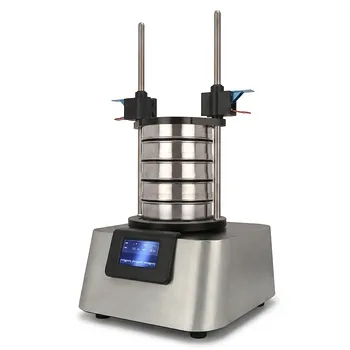
Vibratory Sieve Shaker Electromagnetic 3D Motion Powder Particle Size Analyzer for Dry and Wet Sieving
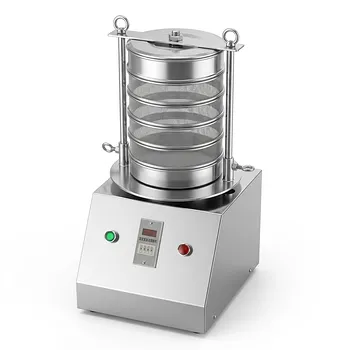
Stainless Steel Laboratory Vibratory Test Sieve Shaker
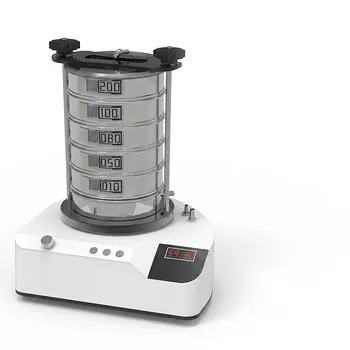
Heavy Duty Dry Three Dimensional Vibratory Sieve Shaker for Particle Separation
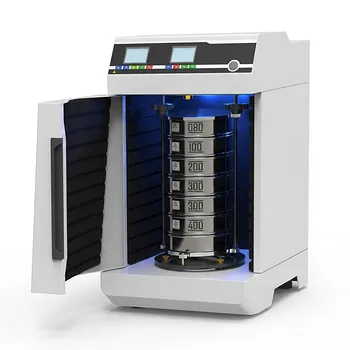
Laboratory Dry and Wet Three Dimensional Vibratory Sieve Shaker for Particle Analysis
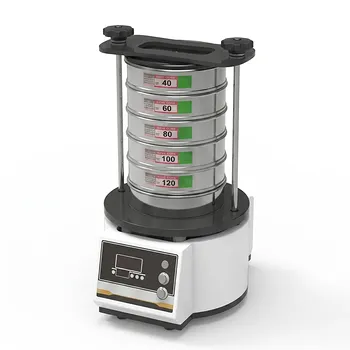
Dry Three Dimensional Vibratory Sieve Shaker
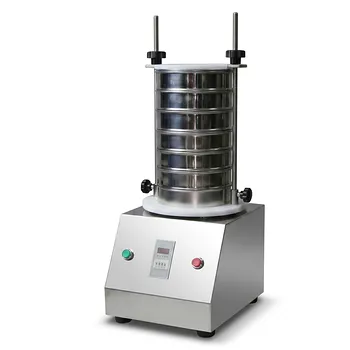
Small Laboratory Vibratory Sieve Shaker for Powder Gradation and Particle Size Analysis
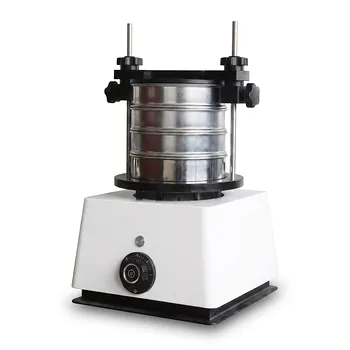
Small Laboratory Vibrating Sieve Shaker for Precise Particle Size Analysis
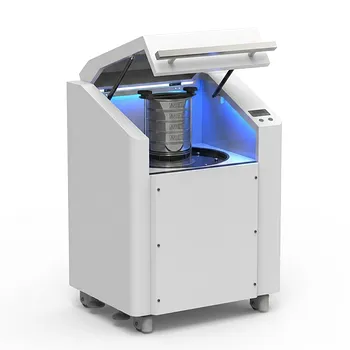
High Frequency Cabinet Type Three-Dimensional Rotary Vibrating Sieve Shaker for Dry Sieving and Particle Classification
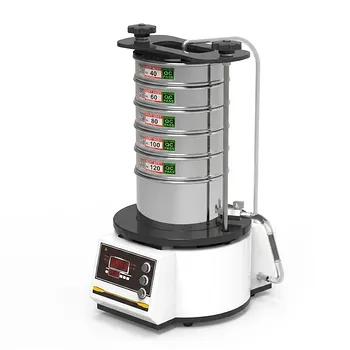
High Frequency Wet Three-Dimensional Vibrating Sieve Shaker for Dry and Wet Particle Size Analysis
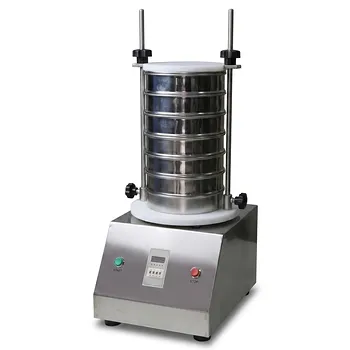
Laboratory Vibratory Test Sieve Shaker for Precision Particle Size Analysis and Powder Grading
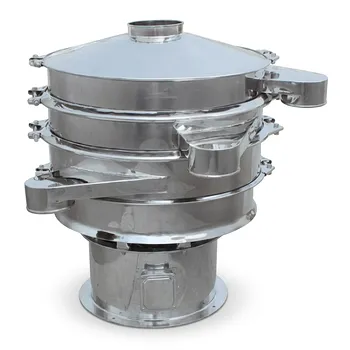
Stainless Steel Rotary Vibrating Sieve High Precision Circular Vibratory Separator Industrial Powder Grading Machine Multi Layer Sifting Equipment
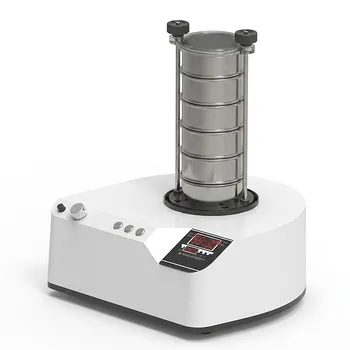
三维电磁微量振动筛分仪

Tapping Oscillating Sieve Shaker for Dry and Wet Particle Size Analysis

Automatic Vibrating Powder Feeder for Laboratory Material Processing Precision Vibratory Hopper Feeder for Granular and Powder Material Handling Industrial Grade Vibrating Tray Feeder for Consistent Material Sample Preparation
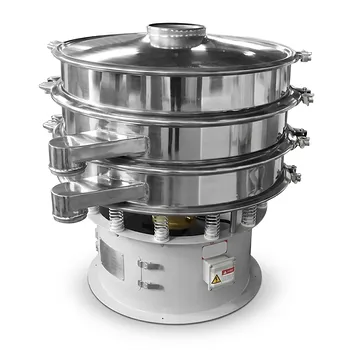
Three Dimensional Rotary Vibrating Sieve
Vibratory Superfine Grinder for Ultra Fine Laboratory Powder Milling
Vibratory Disc Mill for Rapid Fine Grinding and High Throughput Sample Preparation of Hard and Brittle Materials
Small Vibrating Ultrafine Grinder for Traditional Chinese Medicine