What is the role of a vibratory sieve shaker in the grading of biomass particles? Optimize Quality & Cost Efficiency
Updated 5 months ago
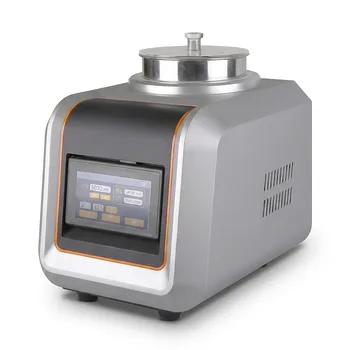
The vibratory sieve shaker is a precision instrument used to classify biomass particles into specific size ranges by passing crushed material through a stack of standard test sieves via high-frequency mechanical vibration. Its primary role is to ensure a scientific particle size distribution by removing excessive fine dust and oversized coarse particles. This process is essential for maintaining the structural integrity, binder efficiency, and chemical reactivity of the final biomass product.
The vibratory sieve shaker acts as a critical quality control gatekeeper, ensuring that biomass particles meet the exact geometric requirements for downstream processing. By standardizing particle size, manufacturers can optimize material density, reduce energy consumption during molding, and ensure consistent mechanical properties in finished goods.
Optimizing Manufacturing and Structural Integrity
Controlling Binder Efficiency and Cost
In the production of high-density particleboards, fine powder must be strictly regulated. Excessive dust consumes disproportionate amounts of binder or resin, leading to increased production costs and potentially weak spots where the binder is insufficient.
Ensuring Mechanical Stability
Large, oversized fibers can create a loose board structure, compromising the mechanical properties of the finished product. By using apertures typically ranging from 0.5 to 2 mm, the sieve shaker removes these coarse particles to ensure a stable, uniform internal matrix.
Improving Pellet Durability and Densification
For fuel pellets, the particle size configuration directly influences the molding effect. Finer particles help achieve partial densification even under low-pressure conditions, which reduces energy consumption during the forming process and enhances the mechanical interlocking strength of the pellets.
Enhancing Material Analysis and Research
Quantitative Measurement of Processing Efficiency
The shaker serves as a diagnostic tool to evaluate the effectiveness of different grinding processes, such as comparing dry versus wet milling. By measuring the proportion of material retained on each sieve, researchers can calculate the geometric mean diameter and standard deviation of the samples.
Predicting Material Behavior in Systems
Particle size distribution is a primary predictor of how biomass will behave in feeding systems and fluidized beds. Standardized grading helps predict material flowability and ensures consistent reaction activity during combustion or gasification.
Characterizing Biochar for Specialized Use
In agricultural applications, the shaker is used to divide biochar into specific fractions (e.g., below 0.5mm, 0.5-2mm). This allows researchers to study how different sizes impact porosity, specific surface area, and chemical composition, helping to determine the optimal grade for soil health.
Understanding the Trade-offs and Limitations
The Risk of Sieve Blinding
Biomass materials, particularly those with high moisture or resin content, can cause sieve blinding, where particles plug the mesh openings. This requires the use of anti-blinding aids like bouncing balls or ultrasonic cleaners to maintain the accuracy of the grading.
Material Attrition During Testing
The high-frequency vibration used to move particles can sometimes cause secondary breakage or attrition, especially in fragile materials like biochar. This can lead to a slight overestimation of the "fines" fraction if the shaking duration is too long or the intensity is too high.
Limitations of Two-Dimensional Apertures
Standard sieves measure particles based on their smallest cross-section, which can be misleading for elongated biomass fibers. A long, thin fiber may pass through a small mesh if it hits the aperture vertically, potentially allowing "oversized" length particles into a "fine" grade.
Applying Grading Standards to Your Goals
How to Apply This to Your Project
To maximize the utility of vibratory sieving in your biomass workflow, consider your specific end-use requirements:
- If your primary focus is Industrial Board Manufacturing: Use sieving to strictly limit fines to prevent excessive binder consumption and ensure a high-strength internal structure.
- If your primary focus is Fuel Pellet Production: Aim for a distribution that includes enough fine material to reduce forming energy while maintaining larger particles for structural durability.
- If your primary focus is Fluidized Bed Combustion: Focus on achieving a narrow size range to ensure uniform reaction rates and prevent "slugging" or uneven flow within the reactor.
- If your primary focus is Laboratory Research: Utilize multi-layered sieving to calculate geometric standard deviation, ensuring the scientific reliability of your data when studying material properties.
The precise grading provided by a vibratory sieve shaker is the foundational step in transforming raw biomass into a high-performance, predictable industrial material.
Summary Table:
| Key Role | Impact on Biomass Processing |
|---|---|
| Particle Size Control | Optimizes binder efficiency and reduces production costs by removing fine dust. |
| Structural Integrity | Ensures mechanical stability in particleboards and fuel pellets through uniform grading. |
| Process Diagnostic | Evaluates grinding efficiency and predicts material flowability in feeding systems. |
| Research Accuracy | Characterizes biochar porosity and surface area for specialized agricultural use. |
Optimize Your Biomass Research with Precision Equipment
Achieving the perfect particle size distribution is critical for high-performance material science. Contact us today to discuss how our complete laboratory sample preparation solutions can enhance your results.
At our core, we specialize in high-end powder processing and compaction equipment designed for precision and reliability. Our extensive product lines include:
- Size Reduction: Jaw/roll crushers and liquid nitrogen cryogenic grinders.
- Advanced Milling: Planetary ball mills, jet mills, sand/bead mills, disc mills, and rotor mills.
- Grading & Mixing: Vibratory and air-jet sieve shakers (with a full range of test sieves), as well as powder and defoaming mixers.
- Compaction & Pressing: A full spectrum of hydraulic presses, including Cold/Warm Isostatic Presses (CIP/WIP), standard lab presses, XRF pellet presses, and vacuum hot presses.
Whether you are refining fuel pellets or developing advanced bio-composites, we provide the tools necessary for scientific consistency. Reach out now to find the ideal solution for your laboratory!
References
- Ramūnas Tupčiauskas, Gunars Pavlovics. Physical–Mechanical Properties of Innovative Biobased Particleboards for Application in External Building Façades. DOI: 10.3390/f16081359
Mentioned Products
- Vibratory Sieve Shaker Electromagnetic 3D Motion Powder Particle Size Analyzer for Dry and Wet Sieving
- Laboratory Dry and Wet Three Dimensional Vibratory Sieve Shaker for Particle Analysis
- Stainless Steel Laboratory Vibratory Test Sieve Shaker
- Heavy Duty Dry Three Dimensional Vibratory Sieve Shaker for Particle Separation
- Dry Three Dimensional Vibratory Sieve Shaker
People Also Ask
- How does a vibratory sieve shaker contribute to optimizing the performance of activated carbon? Enhance Adsorption Precision
- Why is a laboratory vibratory sieve shaker necessary for processing magnesium-based borate precursor powders? Boost Activity
- Why use a vibratory sieve shaker to verify coarse aggregate grading in rubberized concrete? Ensure Structural Integrity
- What function do vibratory sieve shakers and standard test sieves serve in the preparation of adsorbents? Key Guide
- What role does a vibratory sieve shaker play in the particle size analysis of ground corn products? Enhance QC Precision

Tech Team · PowderPreparation
Last updated on May 14, 2026
Related Products
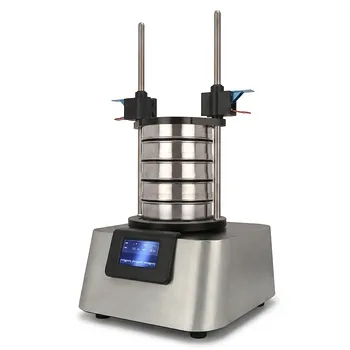
Vibratory Sieve Shaker Electromagnetic 3D Motion Powder Particle Size Analyzer for Dry and Wet Sieving
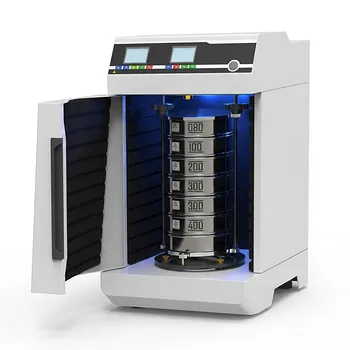
Laboratory Dry and Wet Three Dimensional Vibratory Sieve Shaker for Particle Analysis
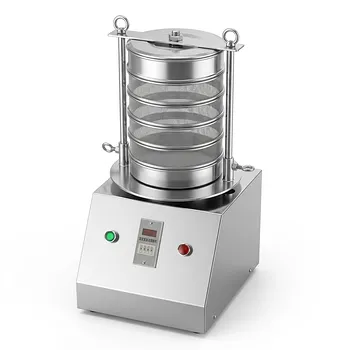
Stainless Steel Laboratory Vibratory Test Sieve Shaker
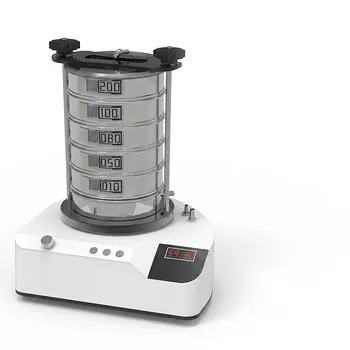
Heavy Duty Dry Three Dimensional Vibratory Sieve Shaker for Particle Separation
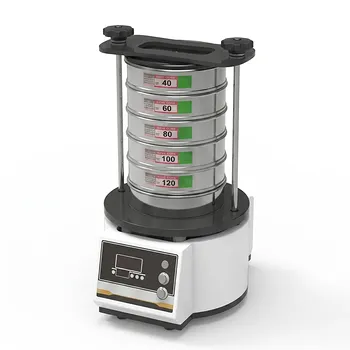
Dry Three Dimensional Vibratory Sieve Shaker
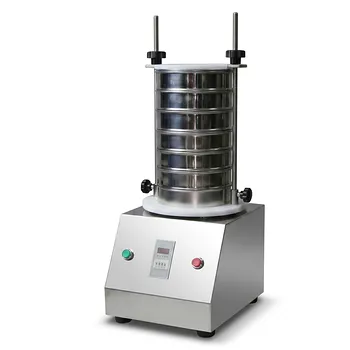
Small Laboratory Vibratory Sieve Shaker for Powder Gradation and Particle Size Analysis
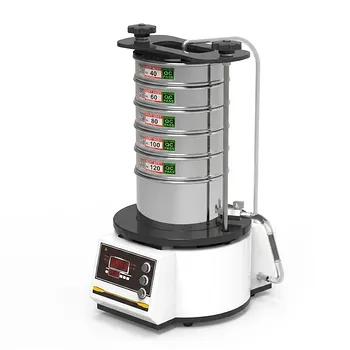
High Frequency Wet Three-Dimensional Vibrating Sieve Shaker for Dry and Wet Particle Size Analysis
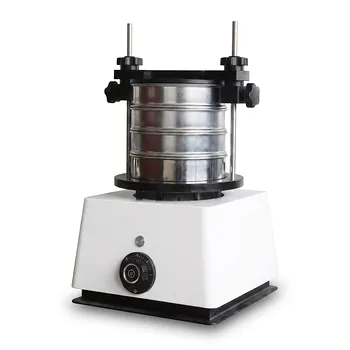
Small Laboratory Vibrating Sieve Shaker for Precise Particle Size Analysis
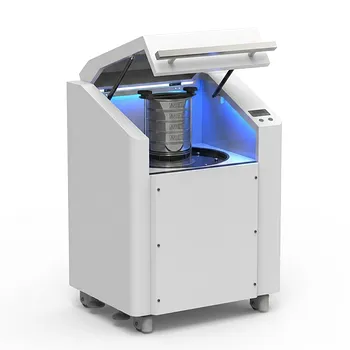
High Frequency Cabinet Type Three-Dimensional Rotary Vibrating Sieve Shaker for Dry Sieving and Particle Classification
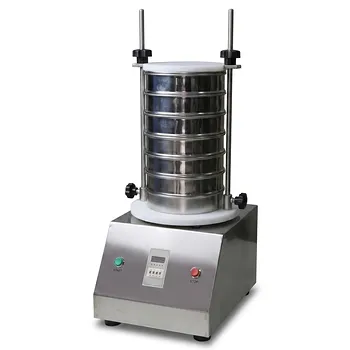
Laboratory Vibratory Test Sieve Shaker for Precision Particle Size Analysis and Powder Grading
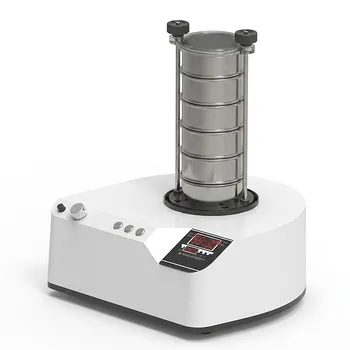
三维电磁微量振动筛分仪
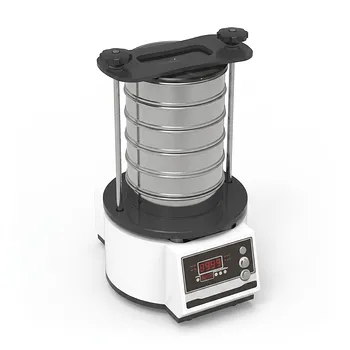
Tapping Oscillating Sieve Shaker for Dry and Wet Particle Size Analysis
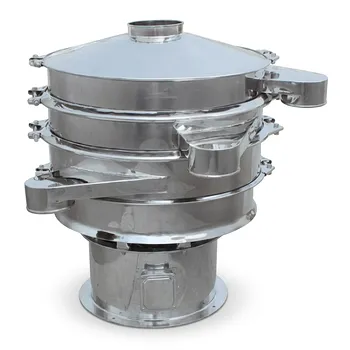
Stainless Steel Rotary Vibrating Sieve High Precision Circular Vibratory Separator Industrial Powder Grading Machine Multi Layer Sifting Equipment
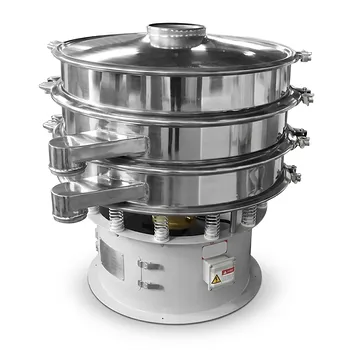
Three Dimensional Rotary Vibrating Sieve
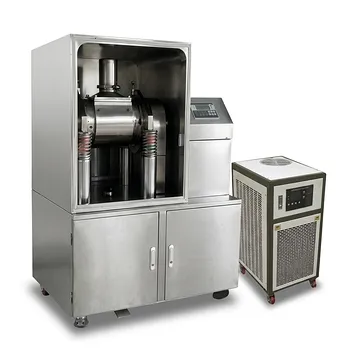
Small Vibrating Ultrafine Grinder for Traditional Chinese Medicine
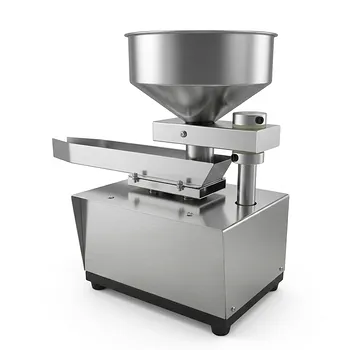
Automatic Vibrating Powder Feeder for Laboratory Material Processing Precision Vibratory Hopper Feeder for Granular and Powder Material Handling Industrial Grade Vibrating Tray Feeder for Consistent Material Sample Preparation
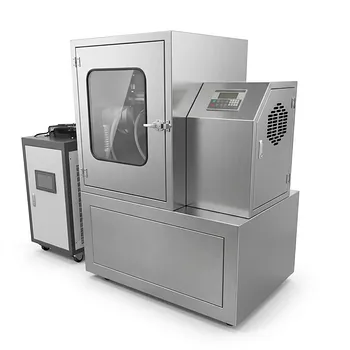
Vibratory Superfine Grinder for Ultra Fine Laboratory Powder Milling
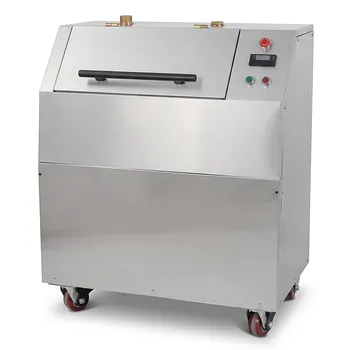
Vibratory Disc Mill for Rapid Fine Grinding and High Throughput Sample Preparation of Hard and Brittle Materials