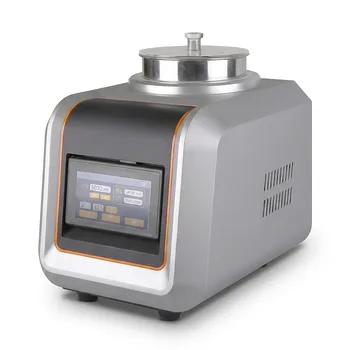
What is the role of a vibratory sieve shaker in characterizing the particle size distribution of infant formula powder?
Updated 5 months ago
The vibratory sieve shaker acts as the primary mechanical instrument for quantifying the physical dimensions and mass distribution of infant formula particles. By utilizing high-precision test sieves and controlled vibration amplitudes, it separates the powder into distinct size fractions. This process is essential for calculating the mass mean particle diameter and determining the distribution range, which directly impacts the powder's flowability, dissolution rate, and overall manufacturing consistency.
Characterizing particle size distribution (PSD) is not merely about measurement; it is a critical quality control step that ensures infant formula maintains the specific physical properties required for accurate dosing and rapid rehydration.
The Mechanics of Particle Characterization
Controlled Vibration and Amplitude
A vibratory sieve shaker employs specific vibration amplitudes and interval settings to induce high-frequency motion in a sample. This mechanical energy ensures that particles are continuously reoriented as they contact the sieve mesh, allowing them to pass through or be retained based on their width.
The Standardized Sieve Stack
The process utilizes a series of high-precision standard test sieves stacked in descending order of aperture size. For infant formula, this allows researchers to isolate various fractions, typically ranging from 1.19 mm down to 0.074 mm, to create a comprehensive profile of the powder's fineness.
Temporal Consistency in Testing
To achieve a "constant state" of mass, the shaker typically operates for a standardized duration, often between 5 to 10 minutes. This ensures that the particles have had sufficient opportunity to navigate the mesh, leading to repeatable and scientifically valid data.
Quantifying Distribution and Quality
Calculating Mass Percentages
The primary output of the sieving process is the mass percentage of the sample retained on each layer. By weighing these fractions, technicians can calculate critical markers such as d10, d50 (median), and d90, which describe the cumulative size distribution of the formula.
Analyzing Particle Contact and Friction
Characterization is fundamental for analyzing the particle contact area and friction within the powder bulk. These microscopic interactions determine the powder's flowability, which is a vital factor in preventing clogging during the automated filling and packaging of formula canisters.
Monitoring Process Integrity
Vibratory sieving serves as a diagnostic tool to evaluate the impact of industrial forces, such as shear forces in feeders or size-reduction processes. It helps determine if the manufacturing chain is causing unwanted particle breakage or over-grinding, which could compromise the product's final quality.
Understanding the Trade-offs
The Risk of Particle Attrition
While vibration is necessary for separation, excessive mechanical energy can cause attrition, where fragile infant formula agglomerates break apart during testing. This can lead to a "false" characterization of the powder as finer than it actually is in its natural state.
Sieve Blinding and Electrostatic Interference
Infant formula often contains high fat or moisture content, which can lead to sieve blinding, where particles clog the mesh openings. Furthermore, dry powders are susceptible to static electricity, which may cause particles to cling to the sieve walls rather than passing through the mesh.
Resolution vs. Range
While a sieve stack provides excellent physical separation, its resolution is limited by the number of sieves used. Unlike laser diffraction, sieving provides discrete data points rather than a continuous curve, which may miss subtle variations within a specific size fraction.
How to Apply This to Your Process
Making the Right Choice for Your Goal
To maximize the utility of your vibratory sieve shaker, consider your primary objective in the production or testing cycle:
- If your primary focus is Quality Control: Standardize your vibration amplitude and time intervals to ensure that every batch of formula meets the "ideal range" required for packaging precision.
- If your primary focus is Formulation Stability: Use the distribution data to analyze how different ingredient ratios affect particle friction and long-term shelf-life consistency.
- If your primary focus is Troubleshooting Flow Issues: Compare the d50 and d90 values against flowability benchmarks to identify if excessive fines are causing bridge formation in your hoppers.
Effective particle size characterization via vibratory sieving is the technical foundation for delivering a consistent, high-quality nutritional product to the consumer.
Summary Table:
| Aspect | Role in Particle Characterization | Impact on Formula Quality |
|---|---|---|
| Vibration Amplitude | Reorients particles for efficient mesh passage | Ensures high repeatability and valid data |
| Sieve Stacking | Isolates fractions from 1.19mm to 0.074mm | Defines the specific fineness profile |
| Mass Retention | Calculates d10, d50, and d90 markers | Predicts flowability and rehydration speed |
| Testing Duration | Reaches a "constant state" of mass (5-10 min) | Eliminates errors in distribution analysis |
Optimize Your Powder Processing Success
Ensure the highest quality and consistency in your material characterization with our specialized equipment. We provide complete laboratory sample preparation solutions tailored for material science and infant formula testing.
From high-precision vibratory and air-jet sieve shakers to advanced planetary ball mills, jet mills, and vacuum hot presses, we offer the tools you need for accurate powder analysis. Our extensive line also includes Cold/Warm Isostatic Presses (CIP/WIP), crushers, and mixers designed for reliability and performance.
Ready to elevate your lab's precision? Contact our technical experts today to find the perfect solution for your application!
References
- Maja Benković, Ingrid Bauman. Flow Properties Of Commercial Infant Formula Powders. DOI: 10.5281/zenodo.1080486
Mentioned Products
- Vibratory Sieve Shaker Electromagnetic 3D Motion Powder Particle Size Analyzer for Dry and Wet Sieving
- Laboratory Dry and Wet Three Dimensional Vibratory Sieve Shaker for Particle Analysis
- Stainless Steel Laboratory Vibratory Test Sieve Shaker
- Heavy Duty Dry Three Dimensional Vibratory Sieve Shaker for Particle Separation
- Dry Three Dimensional Vibratory Sieve Shaker
People Also Ask
- How does a vibratory sieve shaker contribute to optimizing the performance of activated carbon? Enhance Adsorption Precision
- Why is a laboratory vibratory sieve shaker necessary for processing magnesium-based borate precursor powders? Boost Activity
- Why use a vibratory sieve shaker to verify coarse aggregate grading in rubberized concrete? Ensure Structural Integrity
- What function do vibratory sieve shakers and standard test sieves serve in the preparation of adsorbents? Key Guide
- What role does a vibratory sieve shaker play in the particle size analysis of ground corn products? Enhance QC Precision

Tech Team · PowderPreparation
Last updated on May 14, 2026
Related Products
Vibratory Sieve Shaker Electromagnetic 3D Motion Powder Particle Size Analyzer for Dry and Wet Sieving
Laboratory Dry and Wet Three Dimensional Vibratory Sieve Shaker for Particle Analysis
Stainless Steel Laboratory Vibratory Test Sieve Shaker
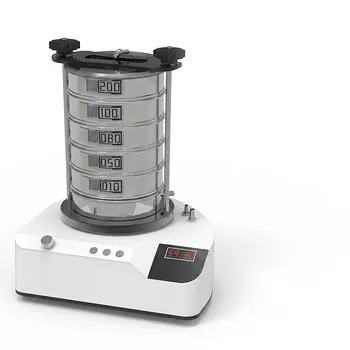
Heavy Duty Dry Three Dimensional Vibratory Sieve Shaker for Particle Separation
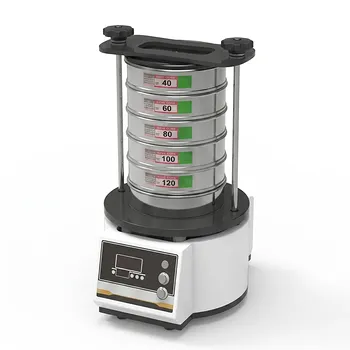
Dry Three Dimensional Vibratory Sieve Shaker
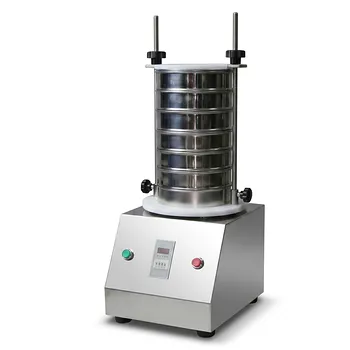
Small Laboratory Vibratory Sieve Shaker for Powder Gradation and Particle Size Analysis
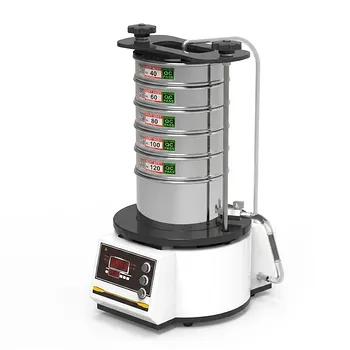
High Frequency Wet Three-Dimensional Vibrating Sieve Shaker for Dry and Wet Particle Size Analysis
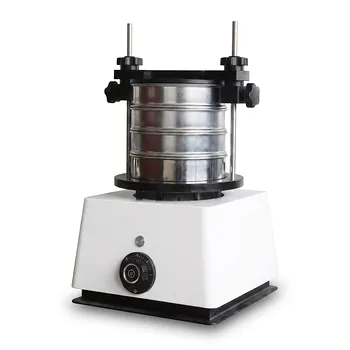
Small Laboratory Vibrating Sieve Shaker for Precise Particle Size Analysis
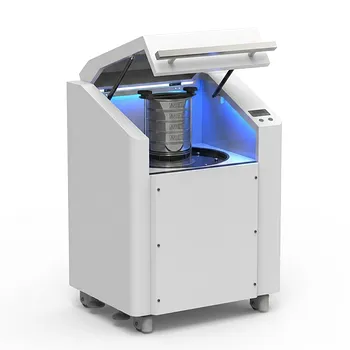
High Frequency Cabinet Type Three-Dimensional Rotary Vibrating Sieve Shaker for Dry Sieving and Particle Classification
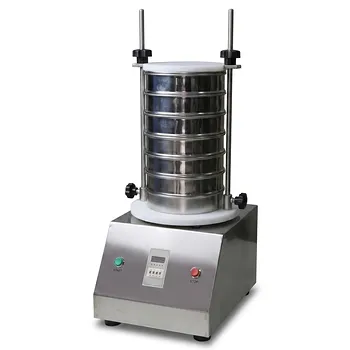
Laboratory Vibratory Test Sieve Shaker for Precision Particle Size Analysis and Powder Grading
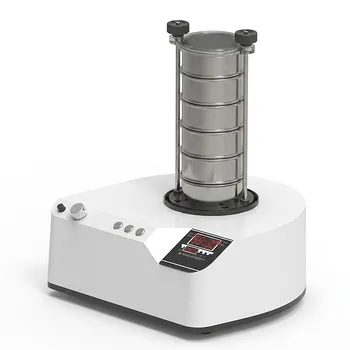
三维电磁微量振动筛分仪
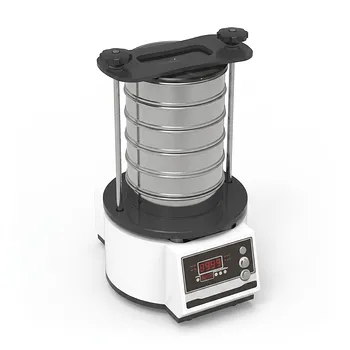
Tapping Oscillating Sieve Shaker for Dry and Wet Particle Size Analysis
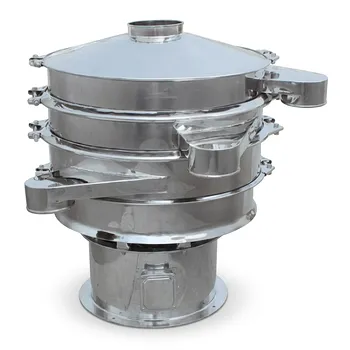
Stainless Steel Rotary Vibrating Sieve High Precision Circular Vibratory Separator Industrial Powder Grading Machine Multi Layer Sifting Equipment
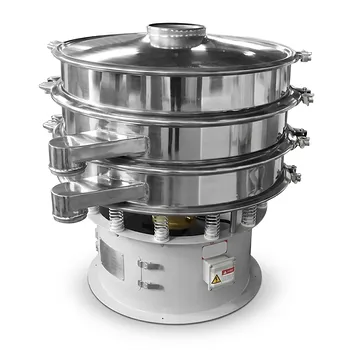
Three Dimensional Rotary Vibrating Sieve
Small Vibrating Ultrafine Grinder for Traditional Chinese Medicine
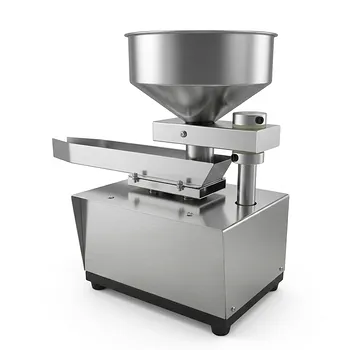
Automatic Vibrating Powder Feeder for Laboratory Material Processing Precision Vibratory Hopper Feeder for Granular and Powder Material Handling Industrial Grade Vibrating Tray Feeder for Consistent Material Sample Preparation
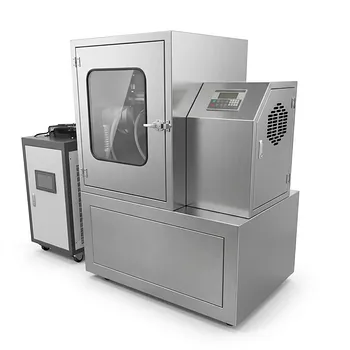
Vibratory Superfine Grinder for Ultra Fine Laboratory Powder Milling
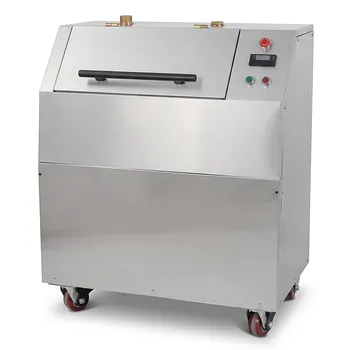
Vibratory Disc Mill for Rapid Fine Grinding and High Throughput Sample Preparation of Hard and Brittle Materials