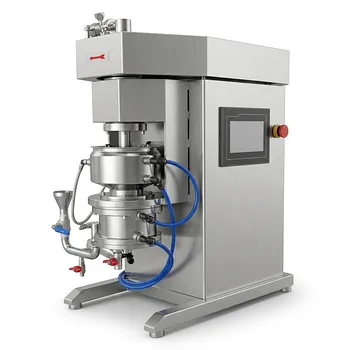
What is the role of a superfine bead mill in the SESC process? Unlock Nano-Lignin with Sustainable Wet Grinding
Updated 4 months ago
The superfine bead mill serves as the primary mechanical catalyst in the SESC process, utilizing high-frequency impact and shear forces to perform wet grinding on plant raw materials. This mechanical action physically deconstructs dense cellulose structures, allowing enzymes to efficiently separate polysaccharides and yield stable, nano-sized lignin aqueous dispersions without the need for toxic chemical reagents.
The superfine bead mill enables a "green" approach to lignin recovery by replacing harsh chemical treatments with high-precision mechanical energy. It transforms raw biomass into a state where enzymes can easily isolate lignin at the nanoscale.
Mechanical Deconstruction of Plant Biomass
The Role of Impact and Shear Forces
The mill applies high-frequency impact to crush raw materials within a liquid medium. Simultaneously, shear forces tear apart the complex fibrous network of the plant matter.
Benefits of Wet Grinding
By operating as a wet grinding system, the mill prevents dust and minimizes heat-induced degradation of organic components. This environment is ideal for maintaining the chemical integrity of the lignin being processed.
Enhancing Enzymatic Efficiency
Overcoming Cellulose Resistance
Cellulose is naturally resistant to biological degradation. The bead mill disrupts this dense structure, significantly increasing the surface area available for enzymatic attack.
Facilitating Simultaneous Saccharification
As the mill comminutes the material, enzymes can more easily perform saccharification, which is the conversion of polysaccharides into soluble sugars. This concurrent action is what defines the "Simultaneous" nature of the SESC process.
Achieving Nano-Scale Lignin Dispersions
Precise Particle Size Control
The primary output of this combined process is a nano-sized lignin aqueous dispersion. The mill's ability to reach superfine levels ensures the lignin particles are small enough for high-value industrial applications.
Eliminating Toxic Reagents
Unlike traditional pulping or separation methods, this process avoids toxic chemical reagents. The bead mill provides the mechanical energy needed to bypass harsh solvents, making the process environmentally benign.
Understanding the Trade-offs
Energy Consumption vs. Chemical Costs
While the mill eliminates the need for expensive and hazardous chemicals, it requires significant electrical energy to maintain high-frequency operation. This shifts the operational expense from chemical procurement to utility consumption.
Component Wear and Maintenance
The grinding media within the mill are subject to mechanical wear over time. Regular monitoring is essential to ensure that bead fragments do not contaminate the high-purity lignin dispersion.
How to Apply This to Your Project
If your primary focus is Environmental Sustainability: Prioritize the SESC process to eliminate hazardous waste streams and the need for complex toxic solvent recovery systems.
If your primary focus is Product Uniformity: Utilize the superfine bead mill to achieve consistent, nano-scale particle distributions that are difficult to replicate with chemical precipitation alone.
If your primary focus is Bio-Refinery Efficiency: Use this mechanical-enzymatic synergy to maximize the separation of polysaccharides while preserving the structure of the lignin for secondary use.
By integrating mechanical force with biological catalysts, the superfine bead mill provides a sustainable path toward high-quality nano-lignin production.
Summary Table:
| Key Action | Mechanism | Strategic Benefit |
|---|---|---|
| Biomass Deconstruction | High-frequency impact & shear | Breaks down dense cellulose resistance |
| Process Synergy | Simultaneous wet grinding | Maximizes enzymatic saccharification efficiency |
| Particle Refinement | Nano-scale comminution | Produces stable, high-value lignin dispersions |
| Green Catalyst | Mechanical energy input | Eliminates the need for toxic chemical reagents |
Advanced Sample Preparation for Material Science Innovation
Are you looking to optimize your lignin dispersion or biomass processing? At [Brand Name], we provide complete laboratory sample preparation solutions designed for the rigorous demands of material science. Our equipment is engineered to deliver the precision and reliability required for advanced research and sustainable production.
Our extensive product lines include:
- Grinding & Milling: Superfine bead mills, planetary ball mills, jet mills, rotor mills, and liquid nitrogen cryogenic grinders.
- Crushing & Sizing: Jaw/roll crushers and vibratory/air-jet sieve shakers with specialized test sieves.
- Mixing & Homogenizing: High-efficiency powder mixers and vacuum defoaming mixers.
- Compaction Solutions: A full spectrum of hydraulic presses, including Cold/Warm Isostatic Presses (CIP/WIP), standard lab presses, XRF pellet presses, and vacuum hot presses.
Empower your lab with high-performance equipment. Contact us today to discuss your specific application needs and discover how our solutions can enhance your research outcomes.
References
- Kazuhiro Shikinaka, Yuichiro Otsuka. Nonflammable UV protective films consisting of clay and lignin with tunable light/gas transparency. DOI: 10.1039/d1ra04096k
Mentioned Products
- Vibratory Superfine Grinder for Ultra Fine Laboratory Powder Milling
- Horizontal Bead Mill for Nanoscale Grinding and Advanced Material Powder Processing
- High Efficiency Laboratory Bead Mill Nano Powder Dispersion Sand Mill for Material Science Research
- Vertical Nano Bead Mill for Ceramic Materials with Permanent Magnet Motor and High Efficiency Grinding
- Nano Laboratory Bead Mill Desktop Sub Micron Sand Mill Screenless Seal Less Powder Grinder
People Also Ask
- What role does a laboratory grinder play in the pretreatment of sunflower seed shell-based adsorbents? Boost Efficiency.
- How does a laboratory grinder or mill enhance the adsorption performance of agricultural waste materials? Boost Surface Area
- What is the function of a laboratory vibratory mill? Master StPh/MMT Nanocomposite Preparation via Mechanochemistry
- Why is high-efficiency ultra-fine grinding required for Portland cement before XRD? Get Accurate Rietveld Results
- How does the size of grinding media influence the vibratory milling efficiency? Achieve Optimal Pharmaceutical Fineness

Tech Team · PowderPreparation
Last updated on Jun 03, 2026
Related Products
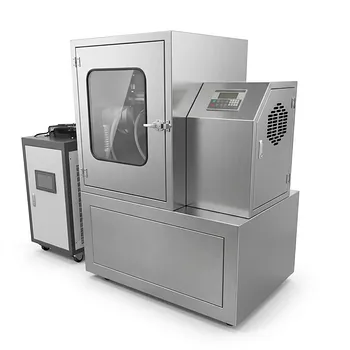
Vibratory Superfine Grinder for Ultra Fine Laboratory Powder Milling
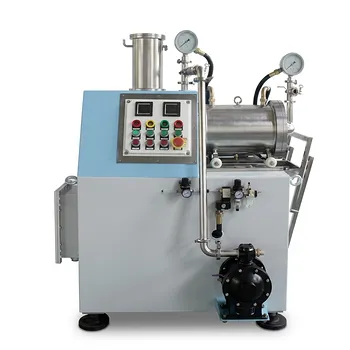
Horizontal Bead Mill for Nanoscale Grinding and Advanced Material Powder Processing
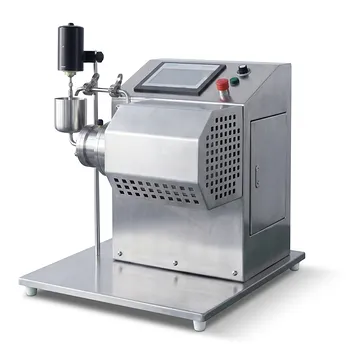
High Efficiency Laboratory Bead Mill Nano Powder Dispersion Sand Mill for Material Science Research
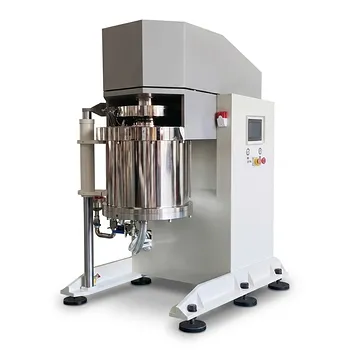
Vertical Nano Bead Mill for Ceramic Materials with Permanent Magnet Motor and High Efficiency Grinding
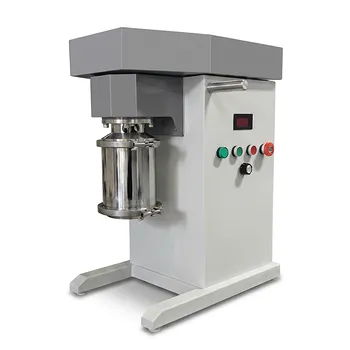
Nano Laboratory Bead Mill Desktop Sub Micron Sand Mill Screenless Seal Less Powder Grinder
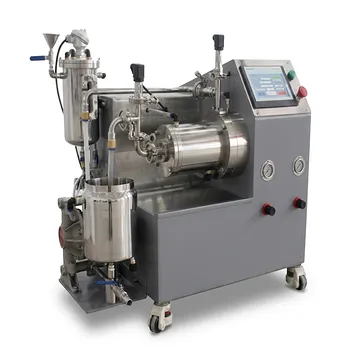
Laboratory Horizontal Bead Mill for Nanomaterial Wet Grinding and Material Science Research
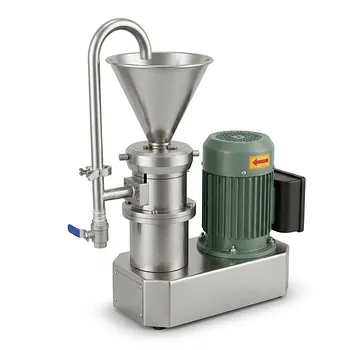
Small Laboratory Colloid Mill for Ultra-Fine Wet Grinding and Emulsification
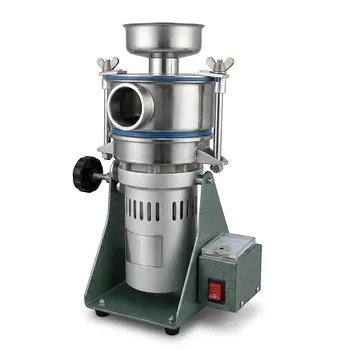
Small Airflow Ultra-Fine Grinder for Laboratory Sample Preparation

360° Rotating Omnidirectional Laboratory Planetary Ball Mill for Homogeneous Ultra-Fine Grinding and Mixing
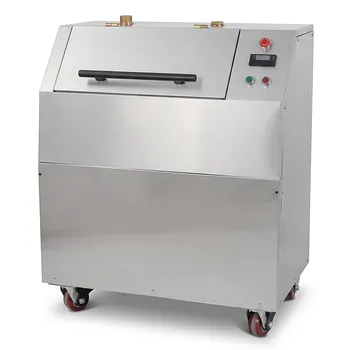
Vibratory Disc Mill for Rapid Fine Grinding and High Throughput Sample Preparation of Hard and Brittle Materials
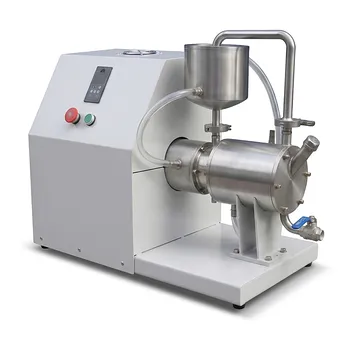
Laboratory Small Horizontal Sand Mill for Nano Materials Wet Grinding
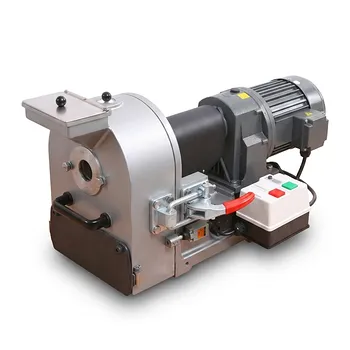
Laboratory Disc Mill for Fine Sample Preparation of Hard and Brittle Materials
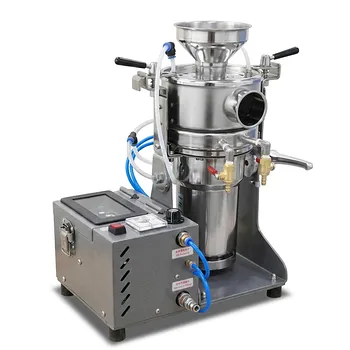
Water Cooled Pulse Jet Ultrafine Grinder
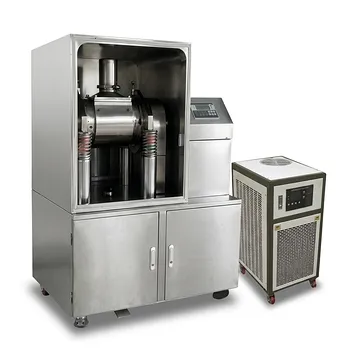
Small Vibrating Ultrafine Grinder for Traditional Chinese Medicine
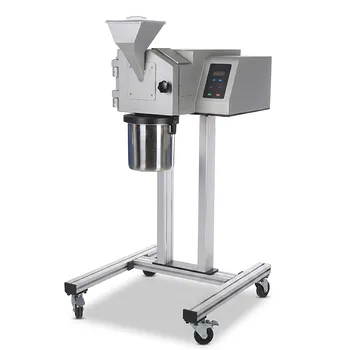
Cross Beater Mill for Brittle Material Grinding and Continuous Fine Crushing Industrial Sample Preparation
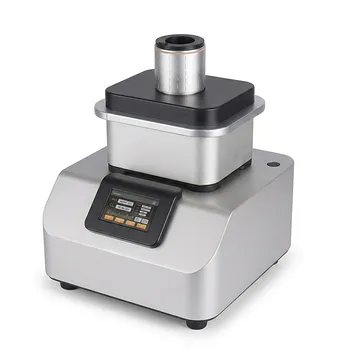
Ultra Centrifugal Mill High Speed Laboratory Grinder for Fibrous and Brittle Sample Preparation
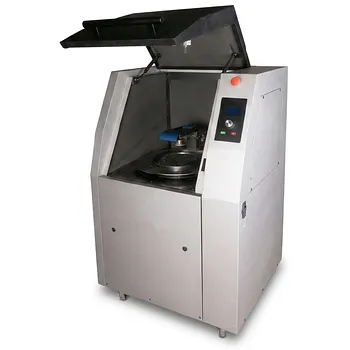
High Speed Vibratory Disc Mill for Spectral Analysis Sample Preparation and Rapid Powder Grinding
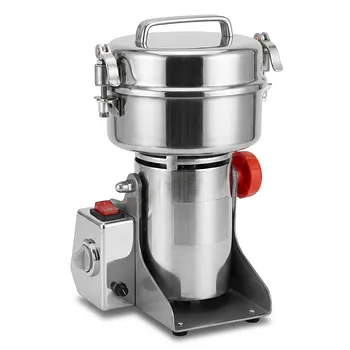
High Speed Laboratory Powder Grinder Small Batch Sample Preparation Mill

High Energy Planetary Ball Mill for Nano Scale Grinding and Mechanical Alloying