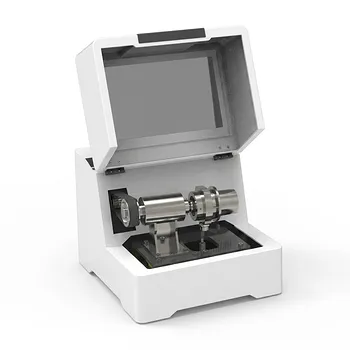
What is the role of a planetary ball mill in graphene-aluminum composites? Achieve Superior Dispersion & Strength
Updated 5 months ago
The planetary ball mill is the primary mechanical tool used to achieve a uniform dispersion of graphene within the aluminum matrix. By generating high-energy impact and shear forces, it transforms spherical aluminum powder into flake-like shapes, breaking down graphene agglomerates and mechanically embedding the reinforcement onto the particle surfaces. This process is critical for ensuring the final composite reaches its theoretical strength and structural integrity.
A planetary ball mill facilitates the transition from simple mixing to mechanical alloying, ensuring graphene is uniformly distributed and bonded to the aluminum matrix. This high-energy process is essential for overcoming the natural tendency of nanomaterials to clump and for refining the final microstructure.
Achieving Uniform Dispersion and De-agglomeration
Breaking Van der Waals Forces
Graphene nanosheets naturally tend to form clusters due to strong internal Van der Waals forces. The planetary ball mill uses high-speed rotation and revolution to generate the mechanical energy necessary to overcome these forces and separate the sheets. This ensures a nano-scale pre-dispersion within the matrix powder before any subsequent processing.
Morphological Transformation of Aluminum Powder
During the high-energy milling process, aluminum particles undergo significant plastic deformation, flattening from spherical shapes into thin, flake-like structures. This increase in surface area provides a larger platform for graphene nanosheets to adhere to. This transformation is a prerequisite for achieving a uniform distribution across the entire volume of the metal.
Controlling Particle Size and Distribution
By adjusting the rotation speed and milling duration, operators can precisely control the energy input and the resulting particle size. This process often refines the powder particles, creating a size distribution that is ideal for further manufacturing steps like thermal spraying or sintering. A well-controlled distribution ensures microstructural uniformity in the finished product.
Enhancing the Metal-Reinforcement Interface
Mechanical Embedding and Cold Welding
The continuous impact of the milling balls forces the graphene into the aluminum particles through a process of cold welding. This action mechanically embeds the reinforcement phase into the matrix, rather than just letting it sit on the surface. This creates a robust interfacial bond, which is essential for effective load transfer between the aluminum and the graphene.
Grain Refinement and Surface Reactivity
The intense mechanical energy leads to grain refinement within the aluminum matrix itself. Smaller grain sizes generally improve the hardness and overall mechanical performance of the composite. Additionally, the milling process increases the surface reactivity of the powders, which enhances the degree of densification during later stages like sintering or hot pressing.
Preparation for Advanced Consolidation
High-energy ball milling prepares the composite powder for complex consolidation techniques such as hot pressing or extrusion. By ensuring the graphene is already integrated at the powder level, the mill provides the foundation for an interconnected network structure. This structural foundation is what ultimately dictates the electrical and mechanical properties of the bulk material.
Understanding the Trade-offs and Pitfalls
The Risk of Structural Damage to Graphene
While high energy is required for dispersion, excessive milling can cause structural defects in the graphene lattice. If the graphene is fragmented or its crystalline structure is destroyed, its reinforcing capabilities—such as high carrier mobility and tensile strength—are severely compromised.
Potential for Powder Contamination
The high-speed collisions between the balls, the jar, and the powder can introduce impurities into the composite. Wear and tear on the milling media may result in foreign metallic or ceramic particles entering the mix. Furthermore, the increased surface area of the aluminum flakes makes the powder highly susceptible to oxidation if not processed in a vacuum or inert gas environment.
How to Apply This to Your Project
Making the Right Choice for Your Goal
To maximize the effectiveness of a planetary ball mill in your composite preparation, consider the following strategic priorities:
- If your primary focus is maximizing graphene integrity: Use lower rotation speeds and shorter milling durations with a process control agent (PCA) to prevent excessive lattice damage.
- If your primary focus is achieving a fine, homogeneous microstructure: Prioritize higher energy inputs and longer durations to ensure complete grain refinement and the breakdown of all agglomerates.
- If your primary focus is improving mechanical load transfer: Focus on the mechanical alloying phase to ensure graphene is deeply embedded into the matrix via cold welding.
Mastering the energy dynamics of the planetary ball mill allows you to unlock the full potential of graphene-reinforced metals by creating a perfectly integrated, high-performance material.
Summary Table:
| Process Phase | Mechanism | Impact on Composite |
|---|---|---|
| De-agglomeration | Breaking Van der Waals forces | Ensures nano-scale dispersion of graphene sheets |
| Morphology Change | Plastic deformation (Flaking) | Increases surface area for reinforcement adhesion |
| Mechanical Alloying | Cold welding & embedding | Creates a robust bond between graphene and aluminum |
| Micro-refinement | High-energy impact | Refines grain size and improves final hardness |
| Consolidation Prep | Size distribution control | Optimizes powder for hot pressing and sintering |
Precision Equipment for High-Performance Graphene Composites
Achieving a uniform dispersion and robust interfacial bond in aluminum matrix composites requires more than just mixing—it requires the right mechanical energy. At KINTEK, we specialize in providing complete laboratory sample preparation solutions for material science, focusing on powder processing and compaction equipment.
Whether you need high-energy planetary ball mills, jet mills, or cryogenic grinders for mechanical alloying, or advanced consolidation tools like Hot Presses, Vacuum Hot Presses, and Cold Isostatic Presses (CIP), our equipment is engineered for precision and durability. We support your entire workflow—from initial crushing and milling to precision sieving and final powder compaction.
Ready to enhance your lab’s efficiency and material quality? Contact our technical experts today to find the perfect solution for your powder processing needs!
References
- Xiaohui Du, F. Liu. Microstructure and mechanical properties of graphene-reinforced aluminum-matrix composites. DOI: 10.17222/mit.2018.021
Mentioned Products
- Vertical Semi Circular Planetary Ball Mill for Laboratory Precision Grinding
- High Energy Planetary Ball Mill for Nano Scale Grinding and Mechanical Alloying
- Vertical Production Planetary Ball Mill for High Throughput Powder Processing
- Heavy Duty Horizontal Planetary Ball Mill for Efficient Industrial Grinding and Sample Preparation
- 360° Rotating Omnidirectional Laboratory Planetary Ball Mill for Homogeneous Ultra-Fine Grinding and Mixing
People Also Ask
- What role does a planetary ball mill play in the synthesis of Li6PS5Cl (LPSCl)? Unlock High Ionic Conductivity
- Why is a planetary ball mill essential for SiBCN-rGO wet-spinning? Achieve Superior Dispersion and Spinnability
- Why is an intermittent grinding process required for perovskites in a planetary ball mill? Ensure Stability & Purity
- Why is a planetary ball mill required for PET micronization? Ensure Accurate Chemical Analysis of Reprocessed PET
- How does mechanized planetary ball milling compare to manual agate grinding? Optimize sulfide standard material precision.

Tech Team · PowderPreparation
Last updated on May 14, 2026
Related Products
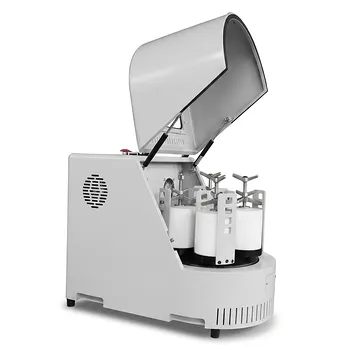
Vertical Semi Circular Planetary Ball Mill for Laboratory Precision Grinding

High Energy Planetary Ball Mill for Nano Scale Grinding and Mechanical Alloying

Vertical Production Planetary Ball Mill for High Throughput Powder Processing
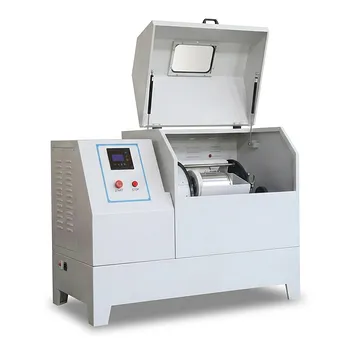
Heavy Duty Horizontal Planetary Ball Mill for Efficient Industrial Grinding and Sample Preparation
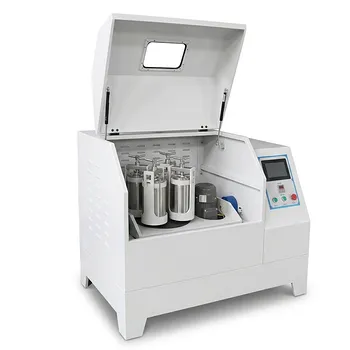
360° Rotating Omnidirectional Laboratory Planetary Ball Mill for Homogeneous Ultra-Fine Grinding and Mixing
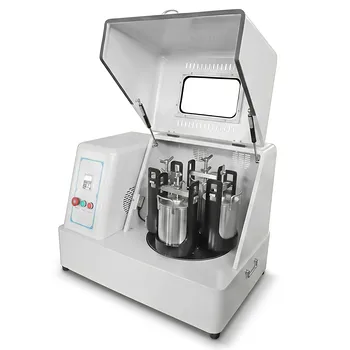
Vertical Square Planetary Ball Mill for Laboratory Sample Preparation and Nanoscale Grinding

Miniature Planetary Ball Mill with Vacuum Grinding and High Efficiency for Laboratory Sample Preparation
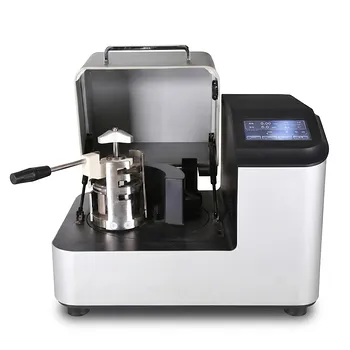
High Energy Laboratory Planetary Ball Mill for Nano Grinding and Material Science Sample Preparation

High Energy Omnidirectional Planetary Ball Mill 16L
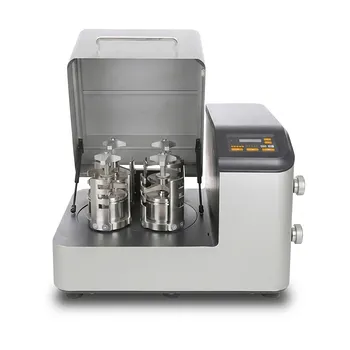
High Energy Planetary Ball Mill for Nano Scale Grinding and Colloidal Mixing in Material Science Research
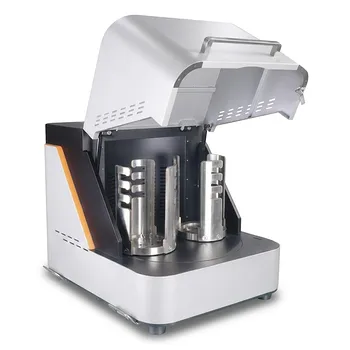
High Energy Laboratory Planetary Ball Mill for Nano Grinding and Colloidal Mixing of Hard and Brittle Materials
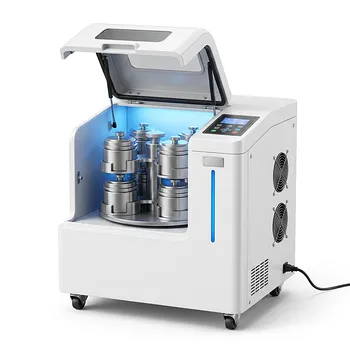
High Energy Omnidirectional Planetary Ball Mill 20L
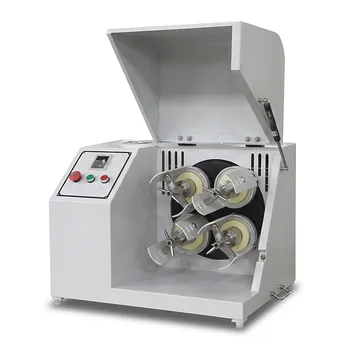
Horizontal Light Duty Planetary Ball Mill for Laboratory Sample Preparation

8L Planetary Ball Mill for Laboratory Grinding and Sample Preparation
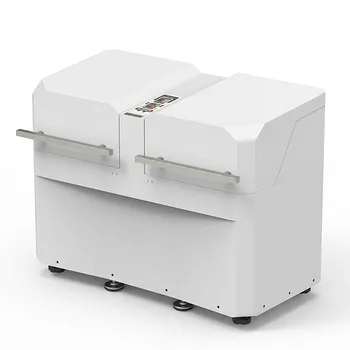
Dual Station Planetary Ball Mill 24L
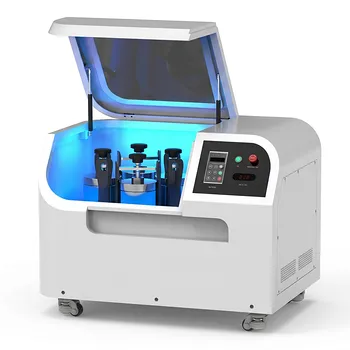
Planetary Ball Mill 12L

Nano High Energy Vibratory Ball Mill for Laboratory Sample Preparation

Multi-Platform Nanoscale High-Energy Vibratory Ball Mill
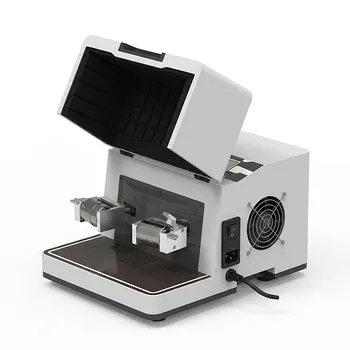
High Energy Hybrid Vibratory Ball Mill for Grinding Mixing and Cell Disruption