What is the role of a laboratory vibratory sieve shaker in the PSD analysis of MSW? Optimize Your Waste Engineering
Updated 4 months ago
The laboratory vibratory sieve shaker is the foundational instrument for quantifying the physical dimensions of waste components. It automates the separation of Municipal Solid Waste (MSW) into precise size fractions by applying standardized mechanical vibrations to a stack of test sieves. This process provides the essential mass distribution data required to optimize crushing equipment, design sorting systems, and prepare samples for downstream chemical or biological analysis.
The vibratory sieve shaker transforms heterogeneous waste into quantifiable data by eliminating the inconsistency of manual screening. This standardized approach is critical for determining the mass proportions of size fractions, which directly informs the engineering of waste-processing facilities and environmental safety protocols.
Characterizing Waste Fractions for Engineering Efficiency
Determining Optimal Feed Size for Biological Processes
In MSW management, biological treatments like anaerobic digestion or composting require specific particle sizes to maximize surface area and microbial activity. The vibratory sieve shaker identifies the exact proportions of waste that meet these "optimal feed" criteria. This data ensures that pretreated materials will react efficiently within the processing vessel.
Validating Crushing and Sorting Machinery Performance
Engineers use the shaker to quantify the effectiveness of industrial crushing equipment. By comparing the particle size distribution (PSD) before and after processing, they can determine if a shredder is meeting its performance targets. Furthermore, the resulting data is vital for designing the feed inlets and mechanical apertures of automated sorting machinery.
Predicting Material Flowability and Reaction Activity
For MSW sub-streams like bulk biomass or incineration residues, particle size dictates how the material moves through a system. The sieve shaker reveals distribution characteristics that help predict material flowability in feeding systems. This information is also critical for calculating reaction activity within fluidized beds, where particle size influences heat transfer and combustion efficiency.
Technical Advantages Over Manual Processes
Elimination of Human Error and Randomness
Manual screening is inherently subjective and inconsistent, leading to unreliable data. A vibratory sieve shaker utilizes standardized vibration durations and constant amplitudes to ensure every sample is treated identically. This mechanization provides the high level of repeatability necessary for scientific research and industrial quality control.
Precise Mass Proportion Measurement
The shaker enables the mechanized grading of mixed waste across a wide range of apertures, from 10–300mm coarse sieves down to 1–10mm medium sieves. By weighing the material retained on each level, technicians can calculate the precise mass proportion for each fraction. This quantitative analysis is the basis for creating accurate PSD curves.
Specialized Handling for Fine and Hazardous Residues
In cases involving incineration bottom ash, the shaker isolates specific size fractions (such as 0–2 mm or 22.4–40 mm) for targeted chemical analysis. This is a prerequisite for studying the distribution of heavy metals like Lead (Pb) and Cadmium (Cd). Additionally, for fine powders that tend to agglomerate, the shaker can be adapted for wet sieving to ensure thorough dispersion and accurate grading.
Understanding the Trade-offs and Pitfalls
The Risk of Particle Degradation
Extensive vibration durations or excessive amplitudes can cause friable MSW components to break down during the test. This results in an "artificial" increase in fine particles that does not reflect the true state of the bulk material. Operators must calibrate vibration intensity to balance thorough separation with material integrity.
Blinding and Clogging of Sieve Meshes
MSW often contains moist, sticky, or fibrous materials that can "blind" the sieve mesh, preventing smaller particles from passing through. If the mesh is obstructed, the resulting data will incorrectly show a higher mass of coarse material. Regular maintenance and the use of mechanical cleaning aids (like sieve balls) are often necessary to maintain accuracy.
Sample Representativeness
Municipal waste is notoriously heterogeneous, meaning a small laboratory sample may not represent the entire waste stream. While the vibratory shaker is highly accurate, its results are only as good as the sampling protocol used to collect the waste. Large-scale MSW analysis often requires multiple repetitions and larger sample volumes to achieve statistical significance.
Applying PSD Data to MSW Management Systems
How to Apply This to Your Project
To maximize the value of your particle size distribution analysis, your approach should vary based on your specific operational goals.
- If your primary focus is designing mechanical sorting systems: Use the shaker to identify the "cut points" where the majority of high-value recyclables reside to set your machinery apertures.
- If your primary focus is optimizing biological treatments: Focus on the mass percentage of the 10-50mm range to ensure maximum surface area for microbial degradation without sacrificing airflow.
- If your primary focus is environmental toxicity assessments: Utilize the shaker to isolate the finest ash fractions (under 2mm), as these typically contain the highest concentrations of leachable heavy metals.
- If your primary focus is fuel preparation for waste-to-energy: Use the PSD data to predict the flow characteristics and combustion rate of the waste within the furnace or fluidized bed.
Mastering the use of the vibratory sieve shaker allows you to turn unpredictable waste streams into a predictable, engineered feedstock.
Summary Table:
| Application | Key Role in PSD Analysis | Impact on MSW Management |
|---|---|---|
| Biological Treatment | Determines optimal feed size | Maximizes microbial activity and surface area. |
| Machinery Validation | Quantifies crusher/shredder performance | Ensures equipment meets target reduction ratios. |
| Environmental Safety | Isolates fine ash fractions (0-2mm) | Vital for heavy metal (Pb, Cd) toxicity testing. |
| System Engineering | Predicts material flowability | Prevents clogging in feed inlets and sorting gates. |
| Quality Control | Eliminates manual screening bias | Provides repeatable, scientific data for research. |
Optimize Your MSW Analysis with Precision Engineering
Accurate Particle Size Distribution is the backbone of efficient waste-to-energy and recycling systems. At [Brand Name], we provide complete laboratory sample preparation solutions for material science, specializing in high-performance powder processing and compaction equipment.
Whether you are characterizing MSW fractions or analyzing incineration residues, our extensive product line supports every stage of your workflow:
- Sieve Shakers: Vibratory and air-jet models for precise grading of coarse and fine particles.
- Size Reduction: Heavy-duty jaw/roll crushers and advanced mills (planetary ball, jet, rotor) to prepare samples for chemical analysis.
- Advanced Compaction: A full spectrum of hydraulic presses, including Cold/Warm Isostatic Presses (CIP/WIP) and XRF pellet presses for material testing.
- Mixing Solutions: Specialized powder and defoaming mixers for homogeneous sample preparation.
Contact us today to discover how our expertise in material science equipment can enhance your lab's data accuracy and operational efficiency!
References
- Yue Zhang, S. Heaven. Particle Size Distribution in Municipal Solid Waste Pre-Treated for Bioprocessing. DOI: 10.3390/resources8040166
Mentioned Products
- Stainless Steel Laboratory Vibratory Test Sieve Shaker
- Laboratory Dry and Wet Three Dimensional Vibratory Sieve Shaker for Particle Analysis
- Small Laboratory Vibratory Sieve Shaker for Powder Gradation and Particle Size Analysis
- Vibratory Sieve Shaker Electromagnetic 3D Motion Powder Particle Size Analyzer for Dry and Wet Sieving
- Laboratory Vibratory Test Sieve Shaker for Precision Particle Size Analysis and Powder Grading
People Also Ask
- What function does a laboratory vibratory sieve shaker serve in the production process of metakaolin? Optimize Reactivity
- Why is a precision laboratory vibratory sieve shaker necessary for particle size control? Optimize Biomass Carbonization
- What is the function of a laboratory vibratory sieve shaker? Enhance Coal Particle Size Distribution (PSD) Analysis
- What role do laboratory vibratory sieve shakers and test sieves play before the molding of Nb-Cu composite powders?
- What is the primary function of a laboratory vibratory sieve shaker in the evaluation of sand liquefaction potential?

Tech Team · PowderPreparation
Last updated on Jun 03, 2026
Related Products
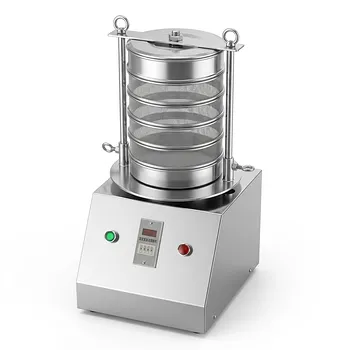
Stainless Steel Laboratory Vibratory Test Sieve Shaker
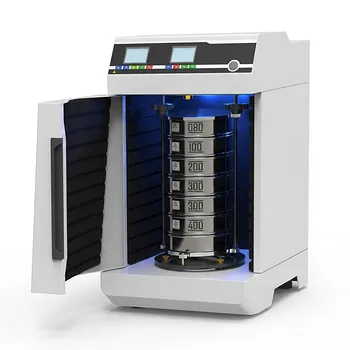
Laboratory Dry and Wet Three Dimensional Vibratory Sieve Shaker for Particle Analysis
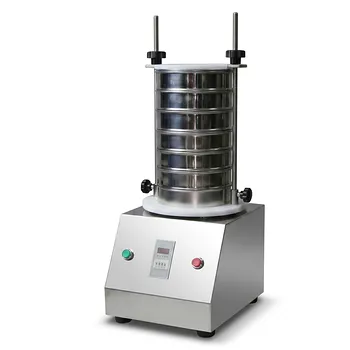
Small Laboratory Vibratory Sieve Shaker for Powder Gradation and Particle Size Analysis
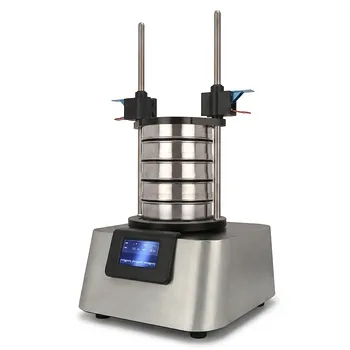
Vibratory Sieve Shaker Electromagnetic 3D Motion Powder Particle Size Analyzer for Dry and Wet Sieving
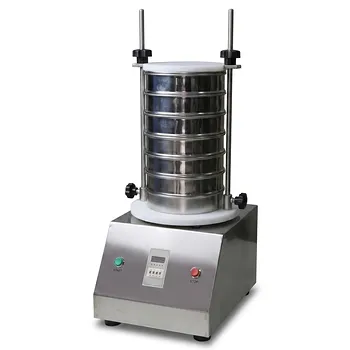
Laboratory Vibratory Test Sieve Shaker for Precision Particle Size Analysis and Powder Grading
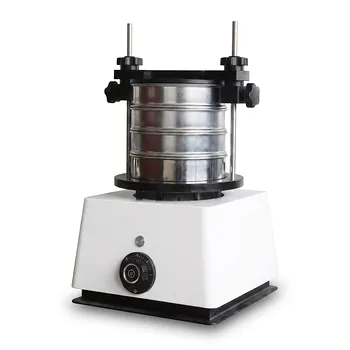
Small Laboratory Vibrating Sieve Shaker for Precise Particle Size Analysis
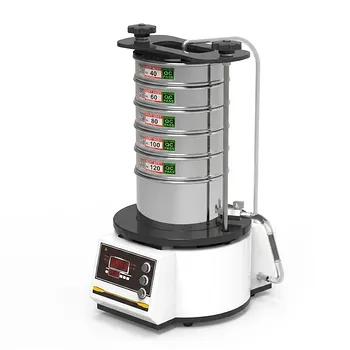
High Frequency Wet Three-Dimensional Vibrating Sieve Shaker for Dry and Wet Particle Size Analysis
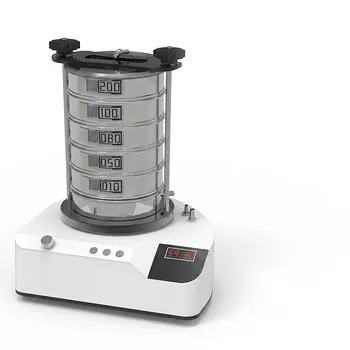
Heavy Duty Dry Three Dimensional Vibratory Sieve Shaker for Particle Separation
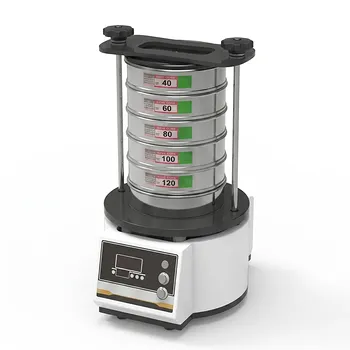
Dry Three Dimensional Vibratory Sieve Shaker
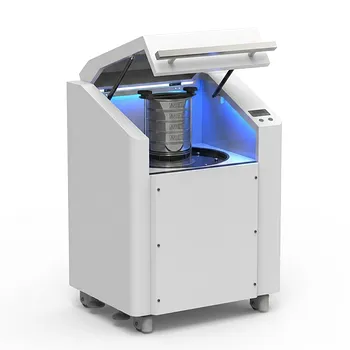
High Frequency Cabinet Type Three-Dimensional Rotary Vibrating Sieve Shaker for Dry Sieving and Particle Classification
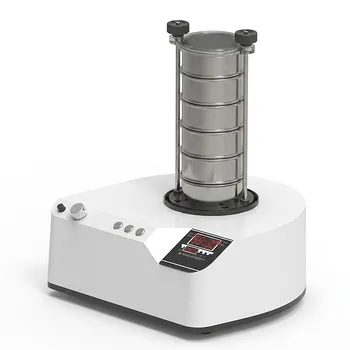
三维电磁微量振动筛分仪
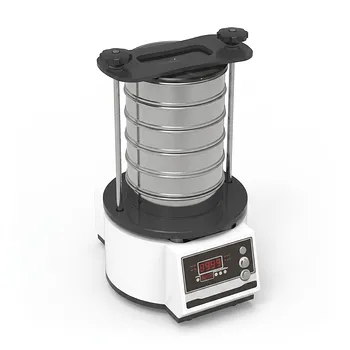
Tapping Oscillating Sieve Shaker for Dry and Wet Particle Size Analysis
Vibratory Superfine Grinder for Ultra Fine Laboratory Powder Milling
Automatic Vibrating Powder Feeder for Laboratory Material Processing Precision Vibratory Hopper Feeder for Granular and Powder Material Handling Industrial Grade Vibrating Tray Feeder for Consistent Material Sample Preparation
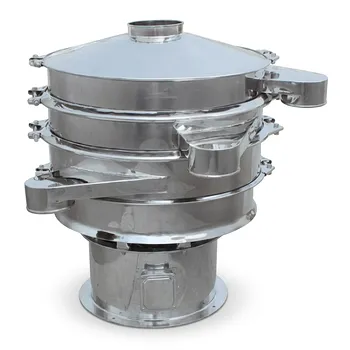
Stainless Steel Rotary Vibrating Sieve High Precision Circular Vibratory Separator Industrial Powder Grading Machine Multi Layer Sifting Equipment
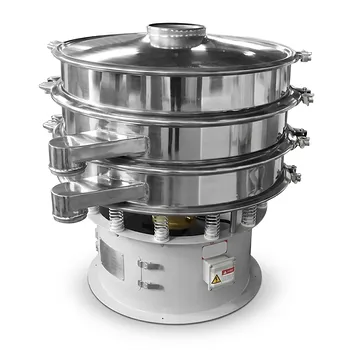
Three Dimensional Rotary Vibrating Sieve
High Energy Hybrid Vibratory Ball Mill for Grinding Mixing and Cell Disruption
Vibratory Disc Mill for Rapid Fine Grinding and High Throughput Sample Preparation of Hard and Brittle Materials
Industrial High Speed Small Sample Pulverizer Swing Type Laboratory Grinder for Powder Processing