What is the role of a laboratory hydraulic press in electrode preparation? Achieve High-Density & Performance
Updated 4 months ago
The laboratory hydraulic press is the primary tool for achieving high-density compaction in ceramic and composite electrode fabrication. It applies precise, uniform axial pressure to powders or coated current collectors to eliminate internal voids and create a cohesive "green body." This process is essential for ensuring low electrical resistance, robust mechanical strength, and stable performance during subsequent thermal processing or electrochemical cycling.
The core role of the hydraulic press is to transform loose particulate matter into a dense, monolithic structure through controlled plastic deformation and particle rearrangement. This fundamental shift in microstructure minimizes interfacial impedance and establishes the necessary physical foundation for efficient ion and electron transport.
Enhancing Microstructural Density and Connectivity
Achieving Maximum Particle Packing
The hydraulic press forces particles into a dense packing arrangement, significantly increasing the volumetric density of the material. By applying specific pressures—ranging from 20 MPa for coatings to over 200 MPa for solid-state electrolytes—it ensures that powder particles occupy the smallest possible volume. This dense foundation is critical for preventing structural failure during the shrinkage that occurs in later sintering stages.
Elimination of Internal Voids and Gases
High-pressure compaction effectively expels trapped air bubbles and reduces internal porosity within the composite mixture. In all-solid-state batteries, this elimination of voids is vital for creating a continuous path for ion migration. Removing these micro-defects also prevents the formation of density gradients that could lead to cracking or deformation during heat treatment.
Optimizing Electrochemical Performance
Reducing Contact Resistance
In composite electrodes, the press strengthens the mechanical bond between the active materials, conductive agents, and the current collector (such as nickel foam or mesh). This intimate contact drastically reduces contact resistance, which is necessary for maintaining efficiency during rapid charge and discharge cycles. Improved adhesion ensures that the electrode film remains structurally intact despite the volume expansion and contraction inherent in battery operation.
Establishing Ion Transport Channels
For ceramic and solid-state electrodes, the hydraulic press facilitates plastic deformation of the powders, which is required to establish continuous ion transport channels. By reducing interfacial impedance between the electrolyte and the cathode, the press enables the high-rate performance required for modern energy storage. Without this precise compaction, the high resistance at particle boundaries would render the electrode effectively non-functional.
Ensuring Mechanical Integrity and Process Stability
Providing Sufficient Green Strength
The compaction process creates a "green body" with enough mechanical strength to be handled and processed before it is fully densified by sintering. This structural integrity allows the material to withstand the rigors of manufacturing without crumbling or delaminating. A well-pressed green body provides a stable substrate for subsequent steps, such as the application of low-CTE (Coefficient of Thermal Expansion) coatings.
Preventing Deformation During Thermal Processing
By ensuring a uniform microstructural foundation, the hydraulic press prevents the specimen from warping or cracking during high-temperature consolidation. Consistent density across the entire pellet or sheet ensures that thermal stresses are distributed evenly. This uniformity is the key to collecting accurate data during mechanical testing for properties like Young’s modulus and tensile strength.
Understanding the Trade-offs
Risk of Over-Compaction
While high density is generally preferred, excessive pressure can lead to over-compaction, which may crush brittle particles or reduce the surface area available for electrolyte wetting. In some composite systems, applying too much force can cause the current collector to deform or the binder to migrate unexpectedly, potentially compromising the electrode's long-term stability.
Pressure Distribution Limits
Uniaxial pressing in a hydraulic press can sometimes result in non-uniform density distributions if the mold aspect ratio is not optimized. The friction between the powder and the mold walls can cause the center of a thick pellet to be less dense than the ends. Technical professionals must carefully balance the applied load with the geometry of the mold to ensure consistent performance across the entire sample.
Making the Right Choice for Your Goal
How to Apply This to Your Project
- If your primary focus is reducing internal resistance: Prioritize high-pressure compaction (up to 200 MPa) to ensure maximum contact between active materials and solid electrolytes.
- If your primary focus is mechanical testing accuracy: Use a press with precise pressure-holding functions to eliminate density gradients that could skew data on hardness or modulus.
- If your primary focus is high-rate cycling stability: Focus on the pressing of the electrode onto the current collector to strengthen the mechanical bond and ensure current collection efficiency.
Mastering the application of precise axial pressure is the definitive step in transitioning from a simple mixture of materials to a high-performance, structurally sound electrode.
Summary Table:
| Aspect | Role of the Hydraulic Press | Impact on Performance |
|---|---|---|
| Microstructure | High-density axial compaction | Eliminates internal voids and increases volumetric density |
| Conductivity | Strengthens mechanical bonds | Reduces contact resistance and enables efficient ion transport |
| Integrity | Creates a stable "green body" | Prevents cracking, warping, or delamination during sintering |
| Stability | Uniform particle rearrangement | Ensures structural stability during electrochemical cycling |
Elevate Your Material Research with Precision Compaction Solutions
Achieving the perfect electrode sheet requires more than just force—it requires precision and the right equipment. Our brand provides complete laboratory sample preparation solutions specifically designed for material science and battery research.
We specialize in high-performance powder processing and compaction equipment to help you achieve superior results:
- Advanced Compaction: A full spectrum of hydraulic presses, including Cold/Warm Isostatic Presses (CIP/WIP), standard lab presses, XRF pellet presses, hot presses, and vacuum hot presses.
- Powder Processing: High-efficiency crushers, liquid nitrogen cryogenic grinders, and various mills (planetary ball, jet, sand, rotor).
- Preparation & Refining: Sieve shakers, powder mixers, and defoaming mixers to ensure material homogeneity.
Whether you are developing solid-state electrolytes or advanced ceramic composites, our expertise ensures your "green bodies" have the density and integrity needed for breakthrough performance.
Contact our technical experts today to find your ideal solution!
References
- Josny Joy, Sesha S. Srinivasan. Recent Developments on the Synthesis of Nanocomposite Materials via Ball Milling Approach for Energy Storage Applications. DOI: 10.3390/app12189312
Mentioned Products
- 6-Ton Small Single-Punch Tablet Press — Laboratory Powder & Granule Tableting Equipment / Tablet Forming Machine
- 5 Ton Single Punch Tablet Press Laboratory Small Batch Production
- Manual Tablet Press with Dual Scale Pressure Gauge for Pharmaceutical Food Chemical Laboratory Sample Preparation
- 6 Ton Variable Frequency Single Punch Tablet Press
- High Shear Laboratory Emulsifier for Mixing and Homogenization
People Also Ask
- What is the function of a laboratory press in Cr-Ti alloy evaluation? Quantify Fracture Stress & Strength
- What is the function of a laboratory press in assessing the hydrophobic performance of modified vermiculite fillers?
- What is the core function of a laboratory press in the forming of ceramic filter element green bodies? Maximize Density.
- What is the function of a laboratory press in the preparation of ceramic feed rods? Master Density and Precision
- Why is vacuum sealing and flexible packaging necessary for Aluminum Titanate powders during CIP? Ensure Peak Density

Tech Team · PowderPreparation
Last updated on Jun 03, 2026
Related Products
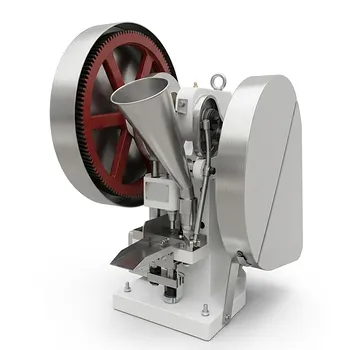
6-Ton Small Single-Punch Tablet Press — Laboratory Powder & Granule Tableting Equipment / Tablet Forming Machine
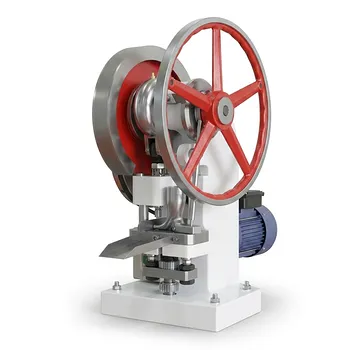
5 Ton Single Punch Tablet Press Laboratory Small Batch Production
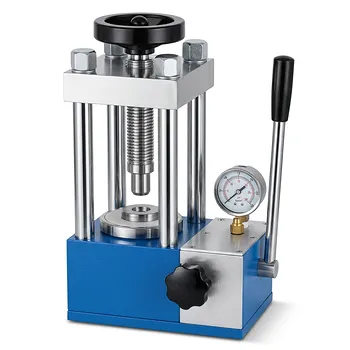
Manual Tablet Press with Dual Scale Pressure Gauge for Pharmaceutical Food Chemical Laboratory Sample Preparation
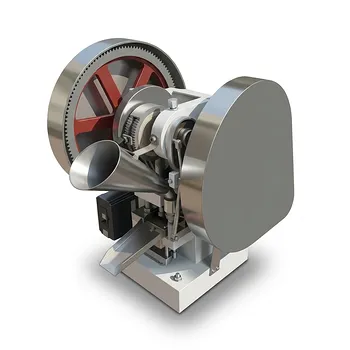
6 Ton Variable Frequency Single Punch Tablet Press
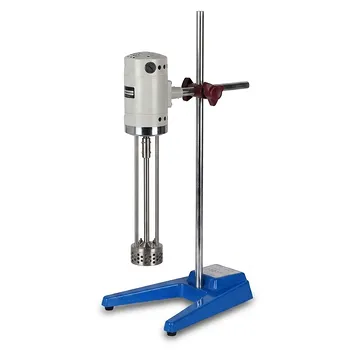
High Shear Laboratory Emulsifier for Mixing and Homogenization
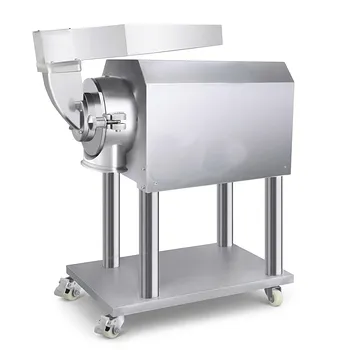
High Speed Small Laboratory Crusher for Dry Material Sample Preparation
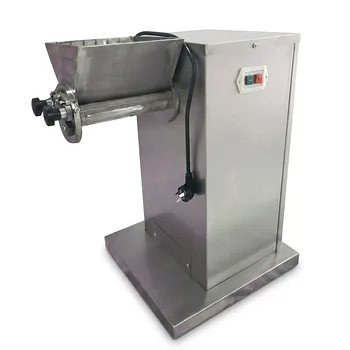
Small Laboratory Oscillating Granulator for Wet and Dry Granulation Processing
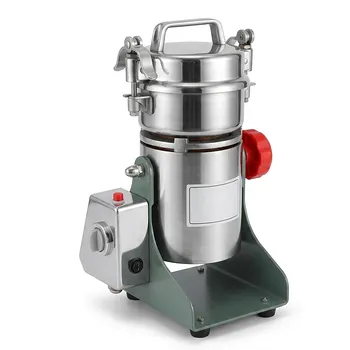
High Speed Swing Type Laboratory Pulverizer for Fine Powder Grinding and Sample Preparation
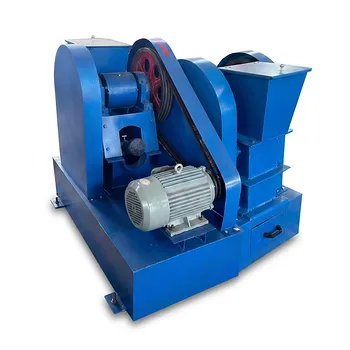
Horizontal Jaw Crusher Medium Hard Material Crushing Laboratory Sample Preparation Equipment