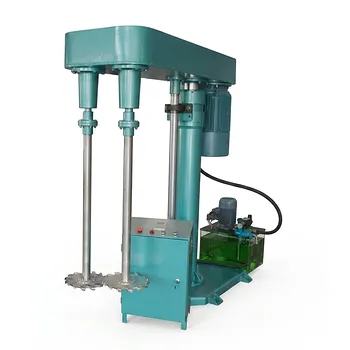
What is the role of a high-speed mixer in Alumina/Silicone Resin (Al2O3/SR) mixtures? Optimize Thermal Conductivity
Updated 4 months ago
The primary role of a high-speed mixer in Alumina/Silicone Resin (Al2O3/SR) preparation is to provide the intense shear force necessary to achieve a uniform dispersion of fillers. By operating at speeds typically reaching 2500 rpm, the mixer generates enough energy to overcome the high viscosity of the silicone resin matrix and break down alumina clusters. This process is the fundamental prerequisite for establishing a continuous heat conduction network in the final composite material.
Core Takeaway: High-speed mixing transforms a heterogenous mixture of powder and resin into a stabilized composite by using mechanical shear to eliminate filler agglomeration, ensuring that binary alumina particles are positioned to facilitate optimal thermal flow.
Overcoming Rheological Challenges
The Impact of High-Energy Shear
Silicone resins are inherently viscous, which creates significant resistance when attempting to introduce solid fillers. The high-speed mixer generates intense mechanical shear that forces the resin to flow and interface with the surface of the alumina particles.
Without this high-energy agitation, the resin cannot adequately "wet" the fillers. This results in a weak interface and poor material integrity.
Managing Binary Filler Systems
Alumina/Silicone Resin mixtures often utilize binary fillers, which consist of particles of different sizes to maximize packing density. The mixer ensures that smaller particles are distributed evenly within the gaps of larger particles rather than clustering together.
This precise distribution is essential for creating a dense, isotropic material. If the binary particles are not uniformly dispersed, the material will exhibit localized structural weaknesses and inconsistent thermal properties.
Establishing the Thermal Architecture
Prevention of Filler Agglomeration
Alumina powders naturally tend to form agglomerates due to inter-particle forces. The high-speed mixer acts as a mechanical "de-clumper," using centrifugal forces and turbulence to break these clusters apart.
Eliminating these clumps is critical because agglomerates trap air and resin. This creates "dead zones" that disrupt the flow of energy through the material.
Formation of Heat Conduction Networks
The ultimate goal of adding alumina to silicone resin is to improve thermal conductivity. A high-speed mixer ensures that particles are close enough to form a continuous conduction path without being separated by excessive resin layers.
This network allows heat to transfer efficiently from one particle to the next. Proper initial mixing is the only way to guarantee this network forms correctly during the subsequent curing stages.
Understanding the Trade-offs
Heat Generation and Material Degeneracy
The same high-speed friction required for dispersion also generates significant internal heat. If the mixing duration is too long or the speed is too high, the temperature rise can cause the silicone resin to begin curing prematurely or degrade chemically.
Air Entrainment and Porosity
High-speed impellers can inadvertently draw air into the mixture, creating micro-bubbles. These bubbles act as thermal insulators, which can counteract the benefits of the alumina filler if not properly managed through vacuum degassing or defoamers.
Best Practices for Process Optimization
Strategic Mixing Guidelines
- If your primary focus is Maximum Thermal Conductivity: Prioritize achieving a high filler loading with optimized binary particle ratios, using the high-speed mixer to ensure no "islands" of unmixed resin remain.
- If your primary focus is Structural Integrity: Focus on the duration of the shear; ensure the alumina is fully de-agglomerated to prevent the formation of stress-concentration points within the resin matrix.
- If your primary focus is Manufacturing Throughput: Utilize the 2500 rpm capability to achieve homogenization quickly, but monitor the mixture temperature to prevent localized reaction unevenness.
The high-speed mixer is the essential tool for turning a simple mixture of components into a high-performance, thermally conductive composite.
Summary Table:
| Key Mixing Function | Impact on Al2O3/SR Mixture | Ultimate Material Benefit |
|---|---|---|
| High-Energy Shear | Overcomes resin viscosity to wet fillers | Enhanced interfacial bonding |
| De-agglomeration | Breaks clusters using centrifugal force | Eliminates thermal "dead zones" |
| Binary Distribution | Uniformly mixes different particle sizes | Maximized filler packing density |
| Network Building | Facilitates particle-to-particle contact | Optimized thermal conductivity |
Elevate Your Material Preparation with Professional Lab Solutions
Achieving the perfect Alumina/Silicone Resin composite requires more than just high speed—it requires precision and the right equipment. At our facility, we provide complete laboratory sample preparation solutions designed specifically for the rigorous demands of material science.
Our specialized lineup includes:
- Advanced Mixing & Milling: From high-speed and vacuum defoaming mixers to planetary ball mills and jet mills for perfect particle size control.
- Powder Processing: Comprehensive solutions featuring jaw/roll crushers, cryogenic grinders, and vibratory sieve shakers.
- Compaction Excellence: A full spectrum of hydraulic presses, including Cold/Warm Isostatic Presses (CIP/WIP), vacuum hot presses, and standard lab presses for XRF pellet preparation.
Whether you are aiming to eliminate air entrainment or optimize your heat conduction networks, our expertise in powder processing and compaction ensures your research yields consistent, high-performance results.
Ready to optimize your laboratory workflow? Contact us today to find the perfect equipment solution!
References
- Yutan Shen, Chang Liu. Multi‐layer graphene nanosheets bridging binary aluminium oxide for the synergistic enhancement of thermal conductivity and electrical insulation of silicone resin composite. DOI: 10.1049/ema3.70000
Mentioned Products
- Industrial Vacuum Kneader for High-Viscosity Silicone, Rubber, and Compound Mixing
- High Speed Vacuum Planetary Centrifugal Mixer and Defoamer for Industrial Paste Processing
- High-Speed Simple Disperser for Efficient Mixing, Dispersion, and Emulsification
- High Shear Laboratory Emulsifier for Mixing and Homogenization
- Small High-Speed Laboratory Grinder for Powder Processing
People Also Ask
- Why is a vacuum hot press sintering furnace necessary for producing silicon-based advanced materials? Achieve High-Purity
- What is the role of a vacuum hot press sintering furnace in CBST target prep? Achieve high-density & pure alloy targets.
- What are the core processing advantages of vacuum hot pressing for magnesium alloy composites? Maximize Material Purity.
- What are the advantages of using a vacuum hot press furnace? Superior Density and Strength for SiCp/Al Composites
- What is the primary function of a vacuum hot press furnace in B4C-SiC-TiC-TiB2 synthesis? Maximize Density & Purity

Tech Team · PowderPreparation
Last updated on Jun 03, 2026
Related Products
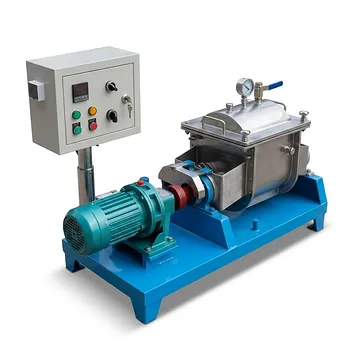
Industrial Vacuum Kneader for High-Viscosity Silicone, Rubber, and Compound Mixing
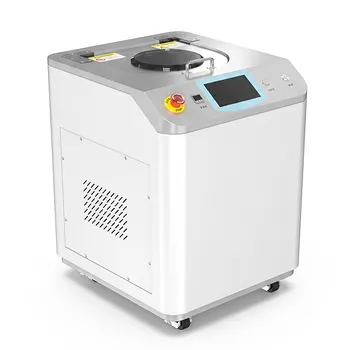
High Speed Vacuum Planetary Centrifugal Mixer and Defoamer for Industrial Paste Processing
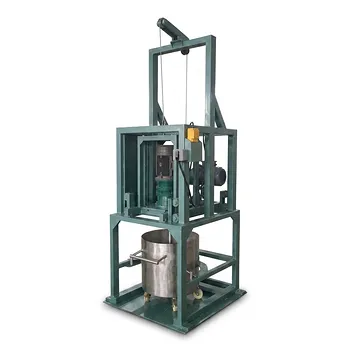
High-Speed Simple Disperser for Efficient Mixing, Dispersion, and Emulsification
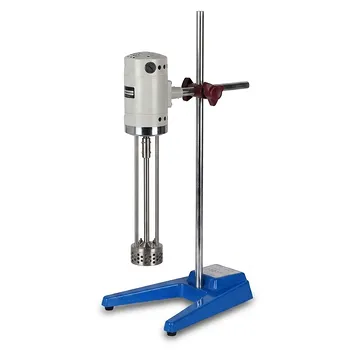
High Shear Laboratory Emulsifier for Mixing and Homogenization
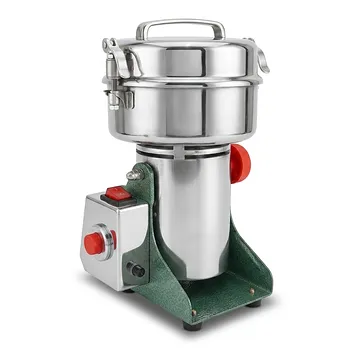
Small High-Speed Laboratory Grinder for Powder Processing
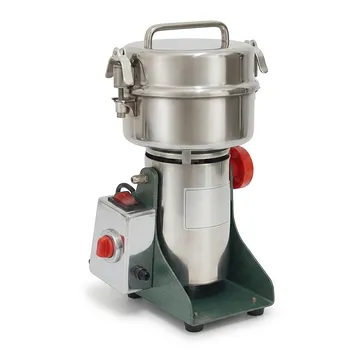
Small High Speed Grinder for Laboratory Sample Preparation
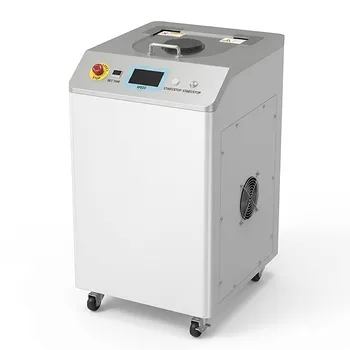
High Viscosity Planetary Centrifugal Vacuum Mixer for Material Defoaming and Uniform Mixing
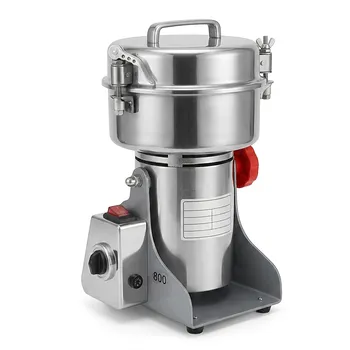
Small High-Speed Laboratory Grinder for Rapid Sample Preparation
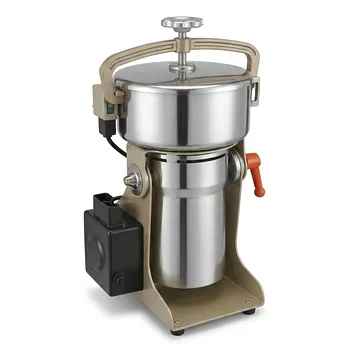
Multifunctional High Efficiency High Speed Laboratory Grinder
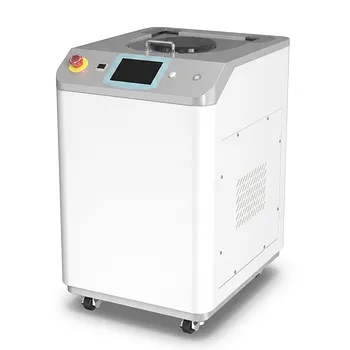
High Viscosity Planetary Centrifugal Mixing and Vacuum Defoaming Machine for Laboratory Material Preparation
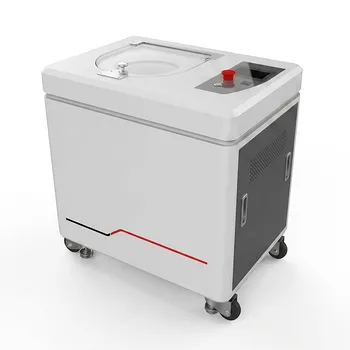
非介入式材料均质机真空脱泡行星搅拌高粘度混合设备
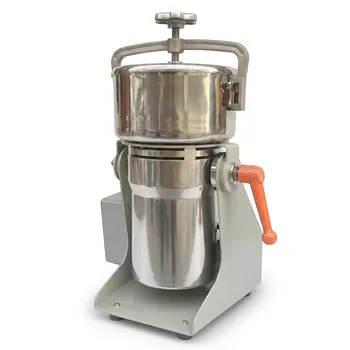
High Speed Laboratory Grinder Efficient Stainless Steel Powder Pulverizer Universal Material Science Mill for Sample Preparation
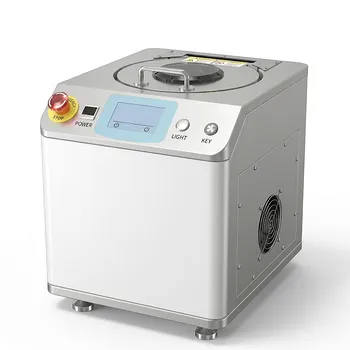
High Efficiency Vacuum Planetary Centrifugal Mixer and Defoaming Machine for Industrial Material Research and Precise Laboratory Powder Dispersion
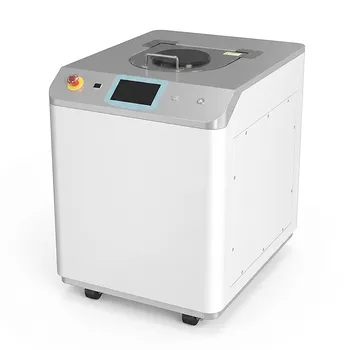
Industrial Planetary Centrifugal Vacuum Defoaming Mixer for High Viscosity Paste and Advanced Material Science
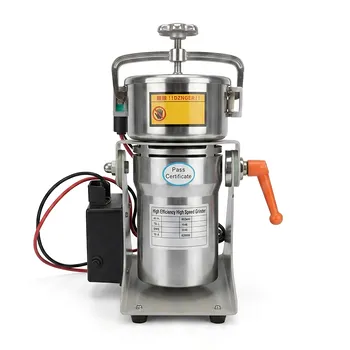
High Efficiency High Speed Grinder Laboratory Mill 1300W 25000rpm
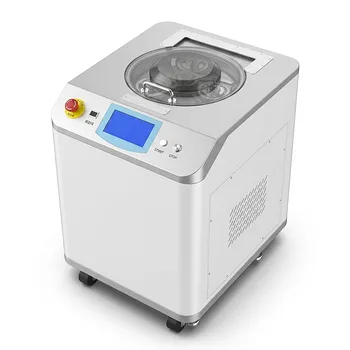
Dual Cup Vacuum Centrifugal Mixer Planetary Paste Defoaming Machine Industrial Material Processor
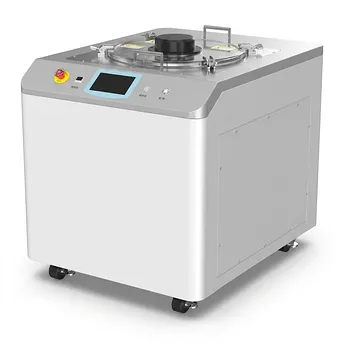
Industrial Planetary Centrifugal Vacuum Defoaming Mixer for High Viscosity Paste and Powder Homogenization
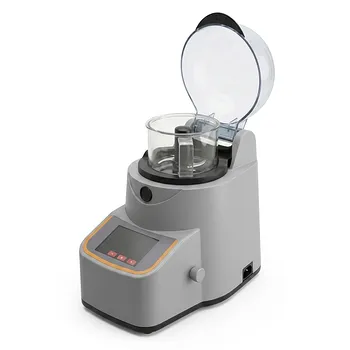
Industrial Knife Mill for Food and Biological Sample Preparation High Speed Laboratory Homogenizer
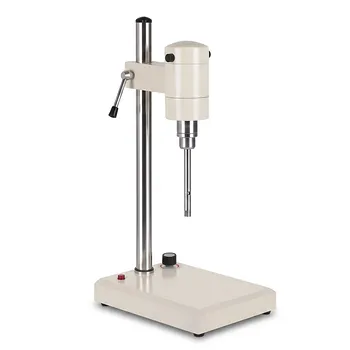
High Speed Dispersing Homogenizer for Laboratory Emulsification Dispersion and Cell Disruption