What is the purpose of using a high-vacuum defoaming mixer for SiC/Cf composites? Optimize Density and Strength
Updated 3 months ago
The primary purpose of using a high-vacuum defoaming mixer is to simultaneously achieve molecular-level homogenization and the complete removal of entrapped micro-bubbles from the ceramic slurry. By operating under a negative pressure environment, the mixer prevents these microscopic air pockets from becoming permanent internal pore defects during the hardening and sintering phases.
High-vacuum defoaming mixers are essential for ensuring the structural integrity of SiC/Cf composites by eliminating stress concentration points caused by air. This dual-action process of high-speed mixing and degassing results in a high-density green body with superior mechanical properties.
Eliminating Internal Pore Defects
The Transition from Bubbles to Voids
During the preparation of high-density ceramic slurries, air often becomes trapped due to the high viscosity of the mixture. If not removed, these micro-bubbles remain in the slurry during injection or printing, transforming into internal pores once the material hardens.
Mitigation of Stress Concentration Points
In SiC/Cf (Silicon Carbide/Carbon Fiber) composites, even microscopic pores act as stress concentration points. These defects significantly weaken the ceramic matrix, reducing the material’s overall tensile strength and structural durability.
Controlling Pore Size and Distribution
A high-vacuum environment forces air to the surface of the slurry where it is extracted, allowing for precise control over the size and distribution of pores. This results in a more uniform microstructure, which is critical for high-performance ceramic matrix composites.
Achieving Molecular-Level Homogenization
The Power of Planetary Mixing
High-vacuum mixers typically utilize a combination of revolution and rotation (planetary mixing) to stir the slurry. This high-intensity motion ensures that the matrix powders, dispersants, and binders are distributed with molecular-level uniformity.
Maintaining Extrusion Continuity
For processes like Direct Ink Writing (DIW) or 3D printing, the removal of air is vital for extrusion continuity. Any trapped air can cause "spitting" or breaks in the material flow, leading to interlayer delamination or external surface defects.
Enhancing Sintered Density
By ensuring a dense, bubble-free "green body" (the unfired state), the mixer facilitates a more efficient sintering process. This leads to a final product with higher solid-phase density and better-aligned grain structures.
Understanding the Trade-offs
Volatility and Component Evaporation
While high vacuum is necessary for degassing, it can sometimes lead to the unintended evaporation of volatile solvents or binders within the slurry. Engineers must carefully calibrate the vacuum levels to balance air removal with the stability of the slurry’s chemical composition.
Processing Time vs. Viscosity
Extremely high-viscosity slurries may require significantly longer processing times to fully degas, even under high vacuum. This can increase heat generation during mixing, potentially requiring specialized cooling systems to prevent the premature curing or degradation of sensitive binders.
Applying Defoaming Technology to Your Goals
Making the Right Choice for Your Goal
To achieve the best results with SiC/Cf composites, the mixing strategy must align with the specific requirements of your manufacturing process.
- If your primary focus is maximizing tensile strength: Prioritize high-vacuum levels and extended degassing cycles to eliminate every possible stress concentration point within the matrix.
- If your primary focus is 3D printing or DIW precision: Focus on the planetary rotation speed to ensure the slurry is perfectly homogenized, preventing clogs or flow inconsistencies during extrusion.
- If your primary focus is high-volume tape casting: Utilize the mixer to ensure a pinhole-free green tape, which is essential for uniform thickness and high-quality grain orientation.
By integrating high-vacuum defoaming into your workflow, you ensure that the inherent properties of Silicon Carbide and Carbon Fiber are fully realized in a defect-free, high-performance composite.
Summary Table:
| Feature | Function in Slurry Preparation | Benefit to SiC/Cf Composites |
|---|---|---|
| High-Vacuum Degassing | Removes entrapped micro-bubbles | Eliminates internal pores and stress concentration points. |
| Planetary Mixing | Achieves molecular-level homogenization | Ensures uniform distribution of matrix, binders, and fibers. |
| Negative Pressure | Facilitates gas extraction at surface | Prevents "spitting" and delamination during 3D printing/DIW. |
| Dual-Action Stirring | High-intensity revolution and rotation | Enhances green body density for superior mechanical properties. |
Elevate Your Material Research with Precision Sample Prep
At [Brand Name], we provide complete laboratory sample preparation solutions tailored for advanced material science. Our high-vacuum defoaming mixers are specifically designed to meet the rigorous demands of SiC/Cf composite manufacturing, ensuring defect-free slurries and optimized sintered density.
Our extensive expertise in powder processing and compaction equipment includes:
- Advanced Mixing: High-vacuum defoaming mixers and powder mixers for perfect homogenization.
- Milling & Grinding: Planetary ball mills, jet mills, and liquid nitrogen cryogenic grinders.
- Material Size Control: Sieve shakers (vibratory/air-jet) and precise test sieves.
- Compaction Solutions: A full spectrum of hydraulic presses, including Cold/Warm Isostatic Presses (CIP/WIP), standard lab presses, and vacuum hot presses.
Ready to eliminate structural defects and enhance your lab's efficiency? Contact our technical experts today to find the perfect solution for your workflow!
References
- Aicha Metehri, Ilias-Mohammed-Amine Ghermaoui. Tensile examination of progressive damage and failure in porous ceramic composite materials using the XFEM. DOI: 10.5937/vojtehg72-50091
Mentioned Products
- High Viscosity Planetary Centrifugal Vacuum Mixer for Material Defoaming and Uniform Mixing
- Industrial Planetary Centrifugal Vacuum Defoaming Mixer for High Viscosity Paste and Powder Homogenization
- High Efficiency Vacuum Planetary Centrifugal Mixer and Defoaming Machine for Industrial Material Research and Precise Laboratory Powder Dispersion
- Industrial Planetary Centrifugal Vacuum Defoaming Mixer for High Viscosity Paste and Advanced Material Science
- High Viscosity Planetary Centrifugal Mixing and Vacuum Defoaming Machine for Laboratory Material Preparation
People Also Ask
- What core functions does a planetary centrifugal mixer perform? Optimize Hard Carbon Anode Slurry & Degassing
- Why is a planetary centrifugal mixer recommended for geopolymer slurries? Achieve high-shear, air-free homogenization.
- Why is a planetary centrifugal mixer utilized for wood powder and HPMC? Achieve uniform dispersion & rapid defoaming.
- How does a planetary centrifugal mixer address key challenges in Tyr-CDs@EVA optical films? Ensure Optical Clarity.
- What is the role of a planetary centrifugal mixer in UHTC slurry preparation? Achieve Void-Free, High-Viscosity Mixing

Tech Team · PowderPreparation
Last updated on Jun 03, 2026
Related Products
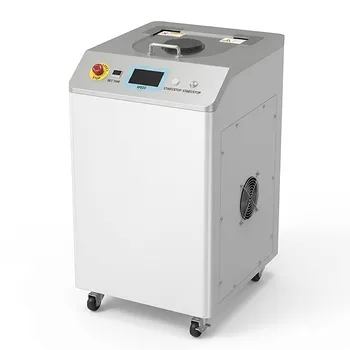
High Viscosity Planetary Centrifugal Vacuum Mixer for Material Defoaming and Uniform Mixing
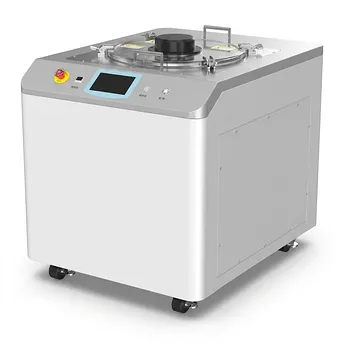
Industrial Planetary Centrifugal Vacuum Defoaming Mixer for High Viscosity Paste and Powder Homogenization
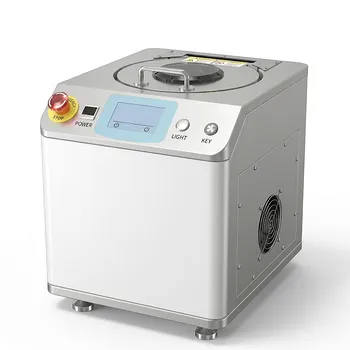
High Efficiency Vacuum Planetary Centrifugal Mixer and Defoaming Machine for Industrial Material Research and Precise Laboratory Powder Dispersion
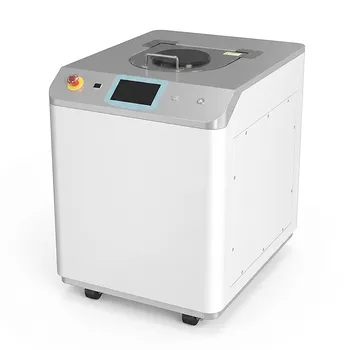
Industrial Planetary Centrifugal Vacuum Defoaming Mixer for High Viscosity Paste and Advanced Material Science
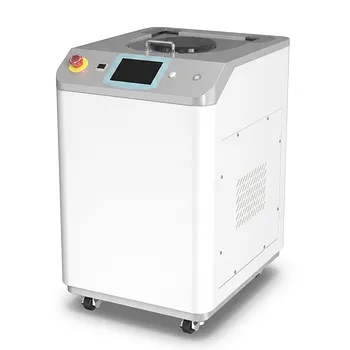
High Viscosity Planetary Centrifugal Mixing and Vacuum Defoaming Machine for Laboratory Material Preparation
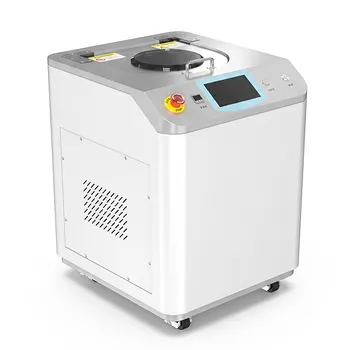
High Speed Vacuum Planetary Centrifugal Mixer and Defoamer for Industrial Paste Processing
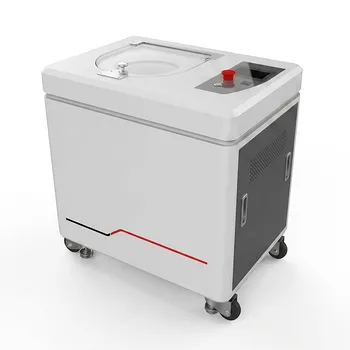
非介入式材料均质机真空脱泡行星搅拌高粘度混合设备
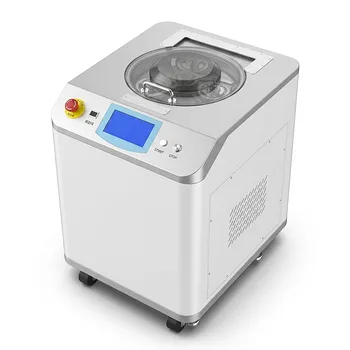
Dual Cup Vacuum Centrifugal Mixer Planetary Paste Defoaming Machine Industrial Material Processor
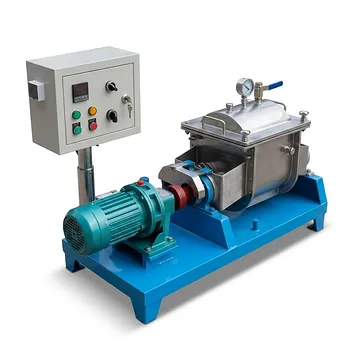
Industrial Vacuum Kneader for High-Viscosity Silicone, Rubber, and Compound Mixing
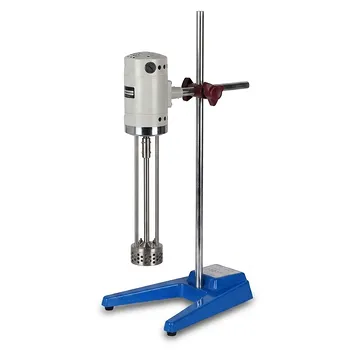
High Shear Laboratory Emulsifier for Mixing and Homogenization
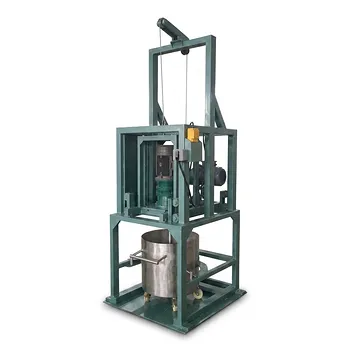
High-Speed Simple Disperser for Efficient Mixing, Dispersion, and Emulsification
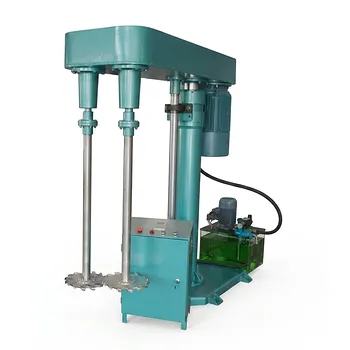
Hydraulic Double Shaft Disperser for High Viscosity Liquid Mixing and Dispersion
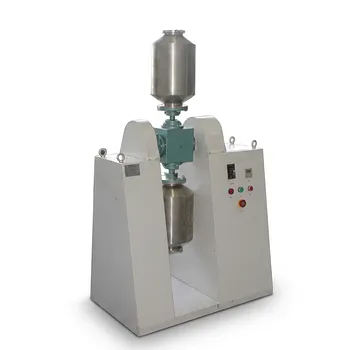
Multi Dimensional Universal Mixer for High Uniformity Powder Blending
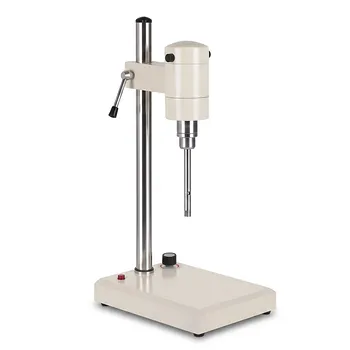
High Speed Dispersing Homogenizer for Laboratory Emulsification Dispersion and Cell Disruption
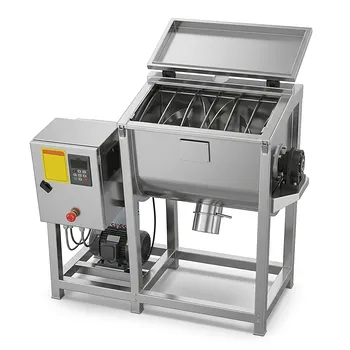
Horizontal Ribbon Mixer for Uniform Powder and Slurry Mixing

Miniature Planetary Ball Mill with Vacuum Grinding and High Efficiency for Laboratory Sample Preparation
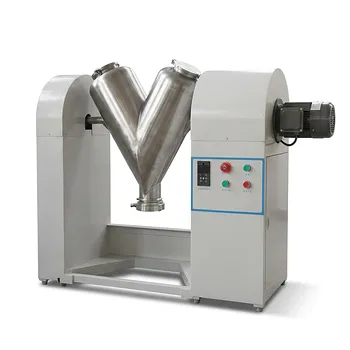
V-Type Powder Mixer for Uniform Blending of Dry Powders and Granules
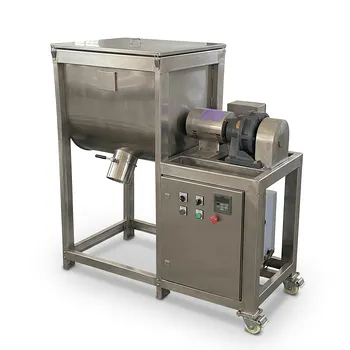
Horizontal Ribbon Mixer for Dry Powder and Slurry Blending
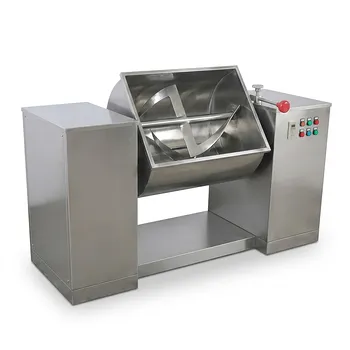
Horizontal Trough Mixer for Uniform Powder and Paste Blending