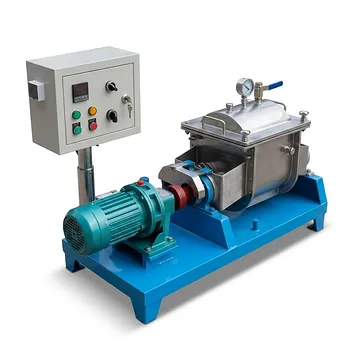
How does a high-speed mixer affect the preparation of pastes for R3 pozzolanic reactivity testing? Ensure Precision.
Updated 4 months ago
High-speed mixers are fundamental to the R3 pozzolanic reactivity test because they provide the mechanical energy necessary to achieve a perfectly homogenized paste. By operating at speeds such as 1600 rpm, these mixers break down powder agglomerates and ensure that active components—including clay, calcium hydroxide, and calcium carbonate—are in full contact with the alkaline solution. This level of dispersion is critical for guaranteeing consistent reaction kinetics and ensuring that test results are repeatable across different laboratories.
High-speed mixing serves as the bridge between raw chemical potential and measurable reactivity. It eliminates physical variables like particle clumping, allowing the R3 test to accurately quantify the chemical pozzolanicity of a material without interference from poor dispersion.
The Role of Mechanical Shear in R3 Testing
Breaking Powder Agglomerates
Pozzolanic materials and calcium hydroxide powders often form agglomerates due to moisture or electrostatic forces. A high-speed mixer generates intense shear force that physically tears these clusters apart, exposing the individual particle surfaces to the liquid phase. Without this action, the "effective" surface area for the reaction would be significantly lower than the actual surface area.
Optimizing the Solid-Liquid Interface
The R3 test relies on a rapid reaction within a strongly alkaline environment. High-speed stirring ensures that the chemical solutions are distributed instantly and uniformly throughout the solids. This rapid homogenization promotes the immediate dissolution of reactive phases, which is the essential first step in the pozzolanic reaction.
Impact on Reaction Kinetics and Data Integrity
Ensuring Uniform Reaction Kinetics
Pozzolanic reactivity is a time-sensitive measurement often involving heat flow (calorimetry) or chemical titration. If a paste is not uniform, different regions of the sample will react at different rates, leading to skewed kinetic data. High-speed mixing ensures that the entire specimen acts as a single, synchronized chemical system.
Achieving Repeatable Results
The precision of the R3 test depends on the ability to replicate the same conditions in every trial. Using a standardized high-speed mixing protocol (e.g., 1600 rpm for a specific duration) removes human error and variability associated with manual or low-energy mixing. This standardization is what allows researchers to compare data sets across different projects and materials.
Understanding the Trade-offs
Thermal Effects of High-Speed Mixing
The intense mechanical energy of a high-speed mixer can generate frictional heat, which may inadvertently accelerate the initial rate of hydration or reaction. In temperature-sensitive tests like R3 calorimetry, this "mixing heat" must be accounted for or minimized to avoid overestimating early-age reactivity.
Potential for Air Entrainment
High-speed rotation can sometimes draw air into the paste, creating micro-bubbles or voids. While the R3 test is primarily chemical in nature, excessive air entrainment can alter the rheology of the paste or affect the volume measurements in certain setups. Maintaining precise speed control is necessary to balance homogenization with specimen density.
How to Apply This to Your Project
High-speed mixing is not merely a convenience; it is a technical requirement for high-fidelity material characterization.
- If your primary focus is standard R3 reactivity testing: Use a mixer capable of maintaining a steady 1600 rpm to ensure your results meet international standards for repeatability and kinetic accuracy.
- If your primary focus is working with ultra-fine materials (e.g., silica fume or metakaolin): Prioritize mixers with high-intensity shear capabilities to fully disperse these particles, as they are particularly prone to stubborn agglomeration.
- If your primary focus is comparing different chemical activators: Ensure your mixing time and speed are identical across all samples to isolate the chemical performance from the mechanical preparation.
Mastering the mechanics of high-speed mixing transforms the R3 test from a simple procedure into a precise instrument for predicting long-term cementitious performance.
Summary Table:
| Key Factor | Impact on R3 Testing | Primary Benefit |
|---|---|---|
| Mechanical Shear | Breaks down powder agglomerates | Increases effective surface area for reaction |
| Homogenization | Rapidly distributes alkaline solutions | Ensures uniform reaction kinetics |
| Standardization | Eliminates manual mixing variables | Provides repeatable results across labs |
| Thermal Energy | Generates frictional heat | Critical factor for calorimetry accuracy |
| Air Entrainment | Potential for micro-bubbles | Influences paste rheology and density |
Elevate Your Material Research with Precision Engineering
Achieving consistent R3 pozzolanic reactivity results requires more than just chemistry—it demands superior mechanical preparation. As a leader in complete laboratory sample preparation solutions for material science, we specialize in the high-performance equipment you need to ensure data integrity.
Our extensive product line is designed to handle every stage of your workflow:
- Advanced Mixing: High-speed powder mixers and defoaming mixers for perfect homogenization.
- Size Reduction: A full range of mills (planetary ball, jet, rotor) and jaw/roll crushers.
- Sieving & Analysis: Vibratory and air-jet sieve shakers for precise particle size control.
- Compaction & Pressing: Manual and automatic hydraulic presses, including Cold/Warm Isostatic Presses (CIP/WIP), hot presses, and vacuum hot presses.
Whether you are characterizing new cementitious materials or optimizing industrial powder processing, we provide the tools for success. Contact our technical experts today to find the ideal solution for your laboratory’s unique requirements!
References
- Dilami Diana Babakoua, Gado Tchangbédji. Characterization and Pozzolanic Reactivity of Two Togolese Clays for Use as Supplementary Cementitious Materials. DOI: 10.4236/msce.2025.139003
Mentioned Products
- High Speed Vacuum Planetary Centrifugal Mixer and Defoamer for Industrial Paste Processing
- High-Speed Simple Disperser for Efficient Mixing, Dispersion, and Emulsification
- Small High Speed Grinder for Laboratory Sample Preparation
- High Speed Dispersing Homogenizer for Laboratory Emulsification Dispersion and Cell Disruption
- Small High-Speed Swing Grinder for Laboratory Sample Preparation
People Also Ask
- Why increase revolution radius for high-viscosity materials? Optimize Mixing Performance with Centrifugal Acceleration
- What is the function of a planetary centrifugal mixer in electrode slurry prep? Achieve high-energy, uniform dispersion.
- Why is a planetary centrifugal mixer utilized for wood powder and HPMC? Achieve uniform dispersion & rapid defoaming.
- How does a planetary centrifugal mixer contribute to the preparation of magnetic polymer composites? Expert Guide
- How does a planetary centrifugal mixer address key challenges in Tyr-CDs@EVA optical films? Ensure Optical Clarity.

Tech Team · PowderPreparation
Last updated on Jun 03, 2026
Related Products
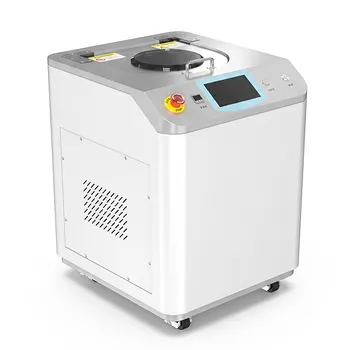
High Speed Vacuum Planetary Centrifugal Mixer and Defoamer for Industrial Paste Processing
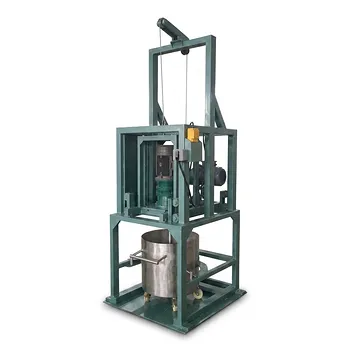
High-Speed Simple Disperser for Efficient Mixing, Dispersion, and Emulsification
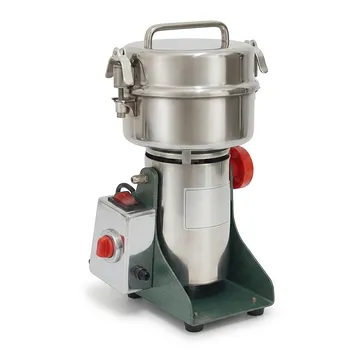
Small High Speed Grinder for Laboratory Sample Preparation
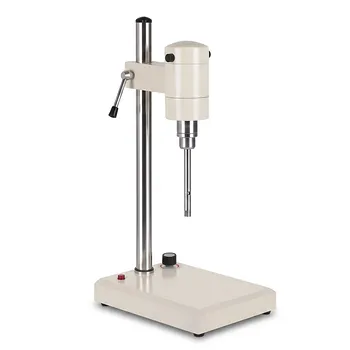
High Speed Dispersing Homogenizer for Laboratory Emulsification Dispersion and Cell Disruption
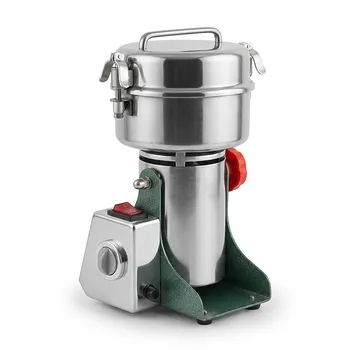
Small High-Speed Swing Grinder for Laboratory Sample Preparation
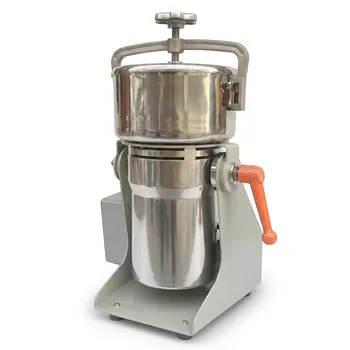
High Speed Laboratory Grinder Efficient Stainless Steel Powder Pulverizer Universal Material Science Mill for Sample Preparation
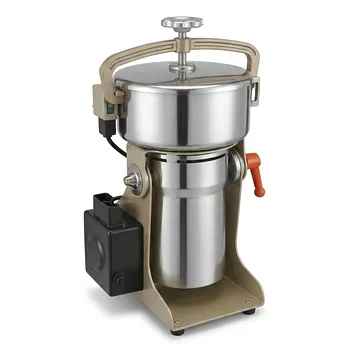
Multifunctional High Efficiency High Speed Laboratory Grinder
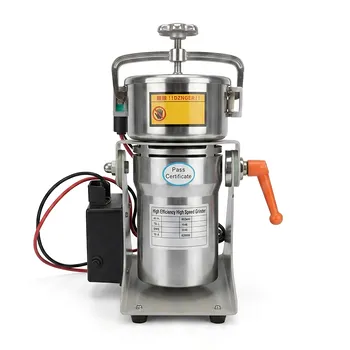
High Efficiency High Speed Grinder Laboratory Mill 1300W 25000rpm
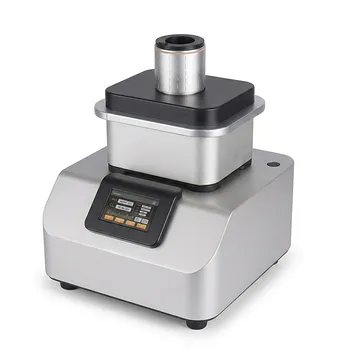
Ultra Centrifugal Mill High Speed Laboratory Grinder for Fibrous and Brittle Sample Preparation
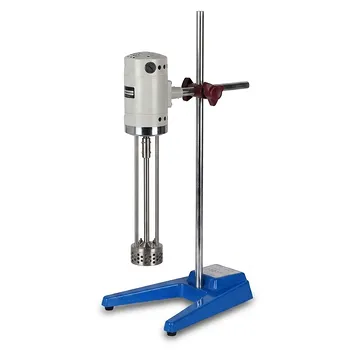
High Shear Laboratory Emulsifier for Mixing and Homogenization
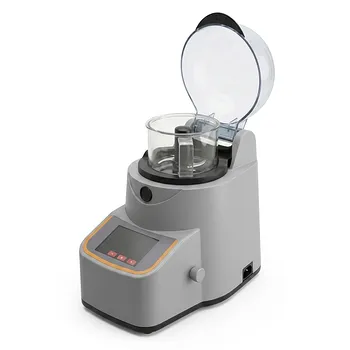
Industrial Knife Mill for Food and Biological Sample Preparation High Speed Laboratory Homogenizer
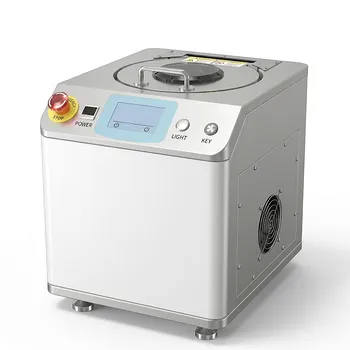
High Efficiency Vacuum Planetary Centrifugal Mixer and Defoaming Machine for Industrial Material Research and Precise Laboratory Powder Dispersion
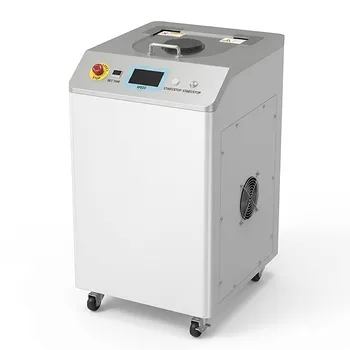
High Viscosity Planetary Centrifugal Vacuum Mixer for Material Defoaming and Uniform Mixing
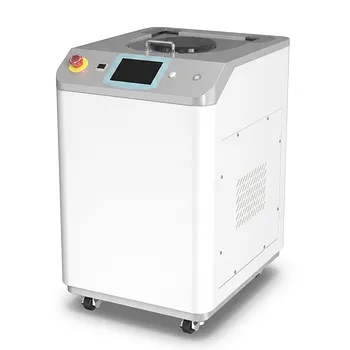
High Viscosity Planetary Centrifugal Mixing and Vacuum Defoaming Machine for Laboratory Material Preparation
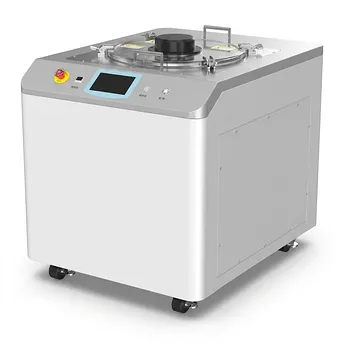
Industrial Planetary Centrifugal Vacuum Defoaming Mixer for High Viscosity Paste and Powder Homogenization
Multi Dimensional Universal Mixer for High Uniformity Powder Blending
Hydraulic Double Shaft Disperser for High Viscosity Liquid Mixing and Dispersion
非介入式材料均质机真空脱泡行星搅拌高粘度混合设备
Industrial Planetary Centrifugal Vacuum Defoaming Mixer for High Viscosity Paste and Advanced Material Science