What is the role of a high-speed centrifugal mixer in the preparation of photosensitive ceramic slurry? Optimized 3D Printing
Updated 4 months ago
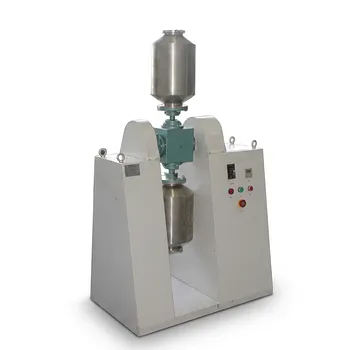
The primary role of a high-speed centrifugal mixer is to achieve micron-scale uniform dispersion and simultaneous deaeration of high-viscosity ceramic slurries. By utilizing dual centrifugal forces, these mixers ensure that ceramic powders, photosensitive resins, and additives are homogenized without the use of physical stirring blades. This preparation step is vital for ensuring stable rheology and preventing nozzle clogging during high-precision 3D printing and direct ink writing (DIW) processes.
High-speed centrifugal mixers serve as a critical pre-treatment technology that eliminates powder agglomerates and air bubbles in photosensitive ceramic slurries. This results in a stable, high-solid-content material essential for consistent 3D printing performance and the production of defect-free ceramic components.
Achieving Homogeneity in Complex Material Systems
Micron-Scale Powder Dispersion
High-speed centrifugal mixers utilize dual continuous centrifugal forces generated by simultaneous rotation and revolution. This high-energy environment forces ceramic powders—such as alumina, silicon carbide, or zirconia—to disperse uniformly within a resin matrix at a micron-scale level.
Breaking Up Agglomerates
The powerful shear forces generated during the mixing process are essential for breaking down powder agglomerates. In high-viscosity systems with solid contents exceeding 60 vol%, traditional mixing methods often fail to separate these clusters, leading to structural weaknesses in the final part.
Non-Contact Mixing Advantages
Because these mixers operate without stirring blades, they provide a non-contact mixing environment. This eliminates the risk of material contamination from blade wear and simplifies the cleaning process for sensitive photosensitive resins.
Enhancing Slurry Performance for 3D Printing
Stabilizing Rheological Properties
Uniform dispersion is the foundation of rheological stability, which dictates how a slurry flows under pressure. A well-mixed slurry ensures consistent viscosity, which is a prerequisite for maintaining steady extrusion and preventing nozzle clogging during direct ink writing.
Eliminating Internal Defects through Degassing
The "defoaming" or deaeration function of these mixers removes internal air bubbles within minutes. Eliminating these voids is critical, as residual air can cause interfacial bonding failures or internal structural defects in the final sintered ceramic green body.
Chemical Component Consistency
For photosensitive slurries, the mixer ensures that photoinitiators and additives are distributed perfectly throughout the high-solid-content suspension. This consistency ensures that the UV-curing process during 3D printing is uniform, preventing localized over-curing or under-curing.
Understanding the Trade-offs
Heat Generation in High-Viscosity Loads
The high-energy dynamics required to mix dense ceramic slurries can generate significant internal heat. If not monitored, this temperature rise can trigger premature polymerization of photosensitive resins or degrade temperature-sensitive additives.
Equipment Cost vs. Process Speed
While these mixers can achieve in four minutes what traditional methods might take hours to do, the capital investment is higher than standard planetary mixers. However, the reduction in waste from clogged nozzles and failed prints often offsets the initial cost in professional settings.
Material Loading Limits
Centrifugal mixers are highly sensitive to weight balancing and volume limits within the mixing containers. Overloading the equipment can lead to insufficient shear forces, resulting in incomplete dispersion of the ceramic particles.
Applying This to Your Project
Making the Right Choice for Your Goal
- If your primary focus is high-precision 3D printing: Prioritize a mixer with vacuum capabilities to ensure the absolute removal of micro-bubbles that cause printing artifacts.
- If your primary focus is high solid-content loading (above 50 vol%): Ensure the mixer supports high RPM settings (up to 2000 rpm) to generate the shear force necessary to overcome the viscosity of the slurry.
- If your primary focus is material purity: Utilize the non-contact, bladeless nature of centrifugal mixing to prevent metallic or cross-contamination in your ceramic composite.
By mastering the pre-treatment of your slurry through high-speed centrifugal mixing, you ensure the structural integrity and repeatable precision of your advanced ceramic components.
Summary Table:
| Feature | Role in Slurry Preparation | Benefit for 3D Printing |
|---|---|---|
| Dual Centrifugal Force | Micron-scale powder dispersion | Prevents nozzle clogging & ensures structural integrity |
| Bladeless Mixing | Non-contact homogenization | Zero contamination & easy cleanup for sensitive resins |
| Integrated Deaeration | Removal of internal air bubbles | Eliminates internal voids & interfacial bonding failures |
| High Shear Mixing | Breaking down dense agglomerates | Stable rheology for consistent material extrusion |
| Homogeneous Distribution | Uniform additive/photoinitiator mixing | Prevents localized over-curing or under-curing |
Elevate Your Ceramic Research with Precision Engineering
Achieving the perfect slurry is the foundation of advanced material science. At [Company Name], we provide complete laboratory sample preparation solutions tailored for high-performance outcomes. Our specialized centrifugal and defoaming mixers ensure your photosensitive ceramic slurries are perfectly homogenized and bubble-free, ready for high-precision 3D printing.
Beyond mixing, we offer a full spectrum of powder processing and compaction equipment, including:
- Milling & Grinding: Planetary ball mills, jet mills, and liquid nitrogen cryogenic grinders.
- Sizing: Vibratory and air-jet sieve shakers.
- Pressing Solutions: Cold/Warm Isostatic Presses (CIP/WIP), vacuum hot presses, and XRF pellet presses.
Whether you are processing silicon carbide, alumina, or zirconia, our equipment is designed to enhance your lab's efficiency and material quality. Contact our experts today to find the right solution for your workflow!
References
- Yongqin Zhao, Ren Liu. 3D printing of unsupported multi-scale and large-span ceramic via near-infrared assisted direct ink writing. DOI: 10.1038/s41467-023-38082-8
Mentioned Products
- High Speed Vacuum Planetary Centrifugal Mixer and Defoamer for Industrial Paste Processing
- High Efficiency Vacuum Planetary Centrifugal Mixer and Defoaming Machine for Industrial Material Research and Precise Laboratory Powder Dispersion
- Ultra Centrifugal Mill High Speed Laboratory Grinder for Fibrous and Brittle Sample Preparation
- High Viscosity Planetary Centrifugal Vacuum Mixer for Material Defoaming and Uniform Mixing
- High Viscosity Planetary Centrifugal Mixing and Vacuum Defoaming Machine for Laboratory Material Preparation
People Also Ask
- Why increase revolution radius for high-viscosity materials? Optimize Mixing Performance with Centrifugal Acceleration
- What is the function of a planetary centrifugal mixer in electrode slurry prep? Achieve high-energy, uniform dispersion.
- Why is a planetary centrifugal mixer utilized for wood powder and HPMC? Achieve uniform dispersion & rapid defoaming.
- How does a planetary centrifugal mixer contribute to the preparation of magnetic polymer composites? Expert Guide
- How does a planetary centrifugal mixer address key challenges in Tyr-CDs@EVA optical films? Ensure Optical Clarity.

Tech Team · PowderPreparation
Last updated on Jun 03, 2026
Related Products
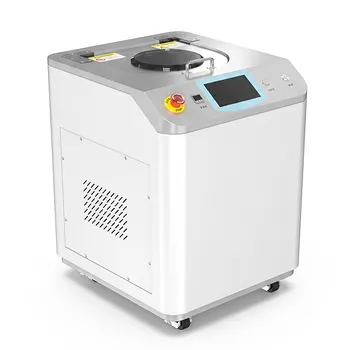
High Speed Vacuum Planetary Centrifugal Mixer and Defoamer for Industrial Paste Processing
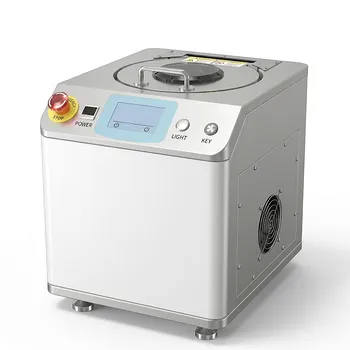
High Efficiency Vacuum Planetary Centrifugal Mixer and Defoaming Machine for Industrial Material Research and Precise Laboratory Powder Dispersion
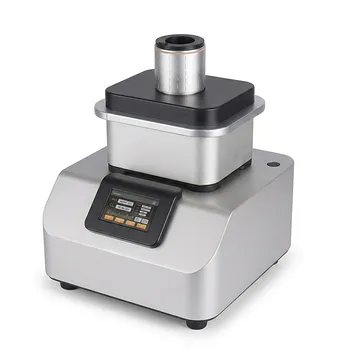
Ultra Centrifugal Mill High Speed Laboratory Grinder for Fibrous and Brittle Sample Preparation
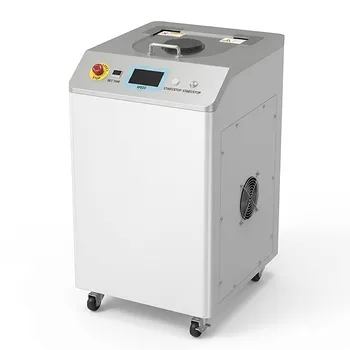
High Viscosity Planetary Centrifugal Vacuum Mixer for Material Defoaming and Uniform Mixing
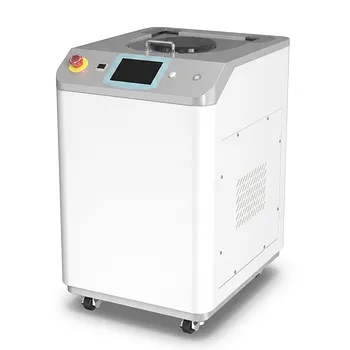
High Viscosity Planetary Centrifugal Mixing and Vacuum Defoaming Machine for Laboratory Material Preparation
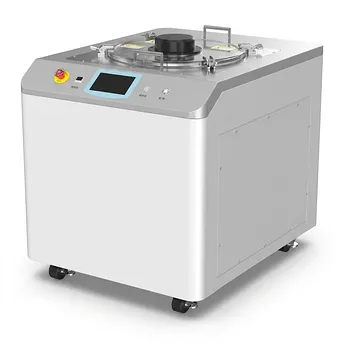
Industrial Planetary Centrifugal Vacuum Defoaming Mixer for High Viscosity Paste and Powder Homogenization
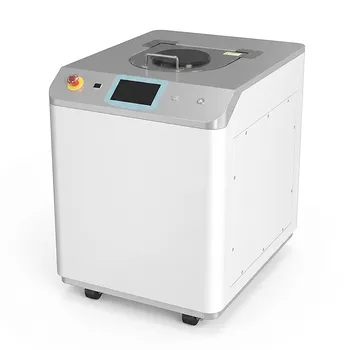
Industrial Planetary Centrifugal Vacuum Defoaming Mixer for High Viscosity Paste and Advanced Material Science
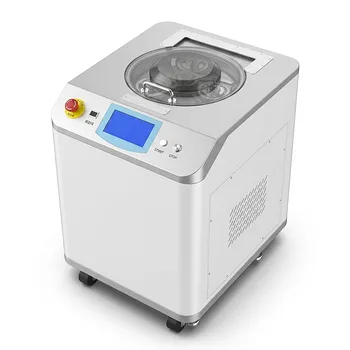
Dual Cup Vacuum Centrifugal Mixer Planetary Paste Defoaming Machine Industrial Material Processor
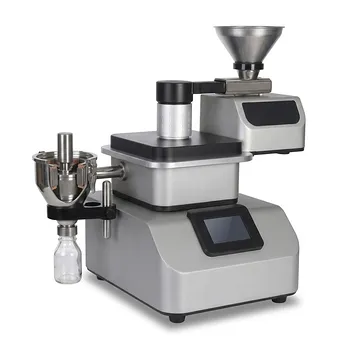
Ultra Centrifugal Mill for Rapid Laboratory Sample Preparation and Fine Powder Grinding
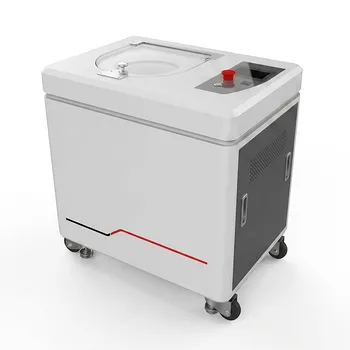
非介入式材料均质机真空脱泡行星搅拌高粘度混合设备
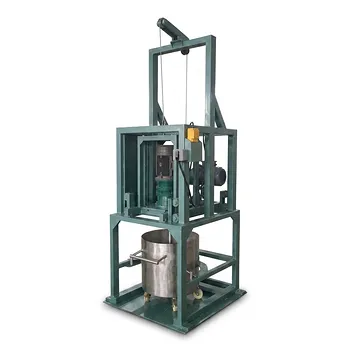
High-Speed Simple Disperser for Efficient Mixing, Dispersion, and Emulsification
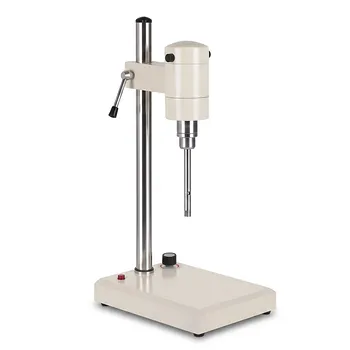
High Speed Dispersing Homogenizer for Laboratory Emulsification Dispersion and Cell Disruption
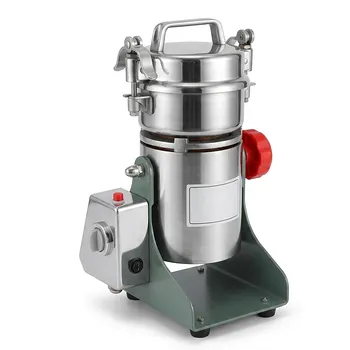
High Speed Swing Type Laboratory Pulverizer for Fine Powder Grinding and Sample Preparation
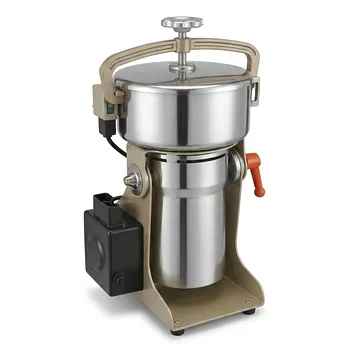
Multifunctional High Efficiency High Speed Laboratory Grinder
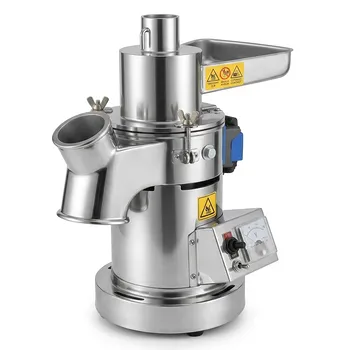
Continuous Feeding Grinder High Efficiency Pulverizer for Lab Sample Preparation
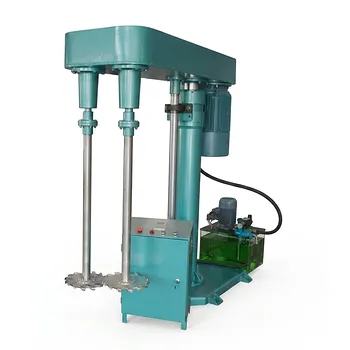
Hydraulic Double Shaft Disperser for High Viscosity Liquid Mixing and Dispersion
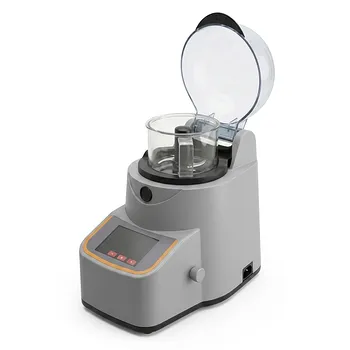
Industrial Knife Mill for Food and Biological Sample Preparation High Speed Laboratory Homogenizer
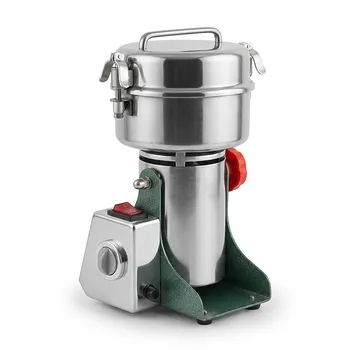
Small High-Speed Swing Grinder for Laboratory Sample Preparation
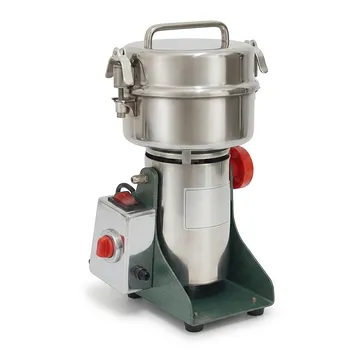
Small High Speed Grinder for Laboratory Sample Preparation