What is the purpose of using industrial crushers and vibratory sieve shakers in the pretreatment of coal gangue? Ensure Uniformity
Updated 4 months ago
Industrial crushers and vibratory sieve shakers are used to reduce and classify coal gangue particles to a precise size—typically below 2mm. This physical pretreatment transforms heterogeneous waste into a uniform raw material, ensuring the success of subsequent chemical and thermal processes. By controlling particle size, operators can significantly enhance material reactivity and process efficiency.
The core purpose of using this equipment is to eliminate particle size as a variable, ensuring material uniformity that optimizes thermal conductivity and grinding efficiency during thermo-mechanical synergistic activation.
Achieving Radical Material Uniformity
High-Impact Size Reduction
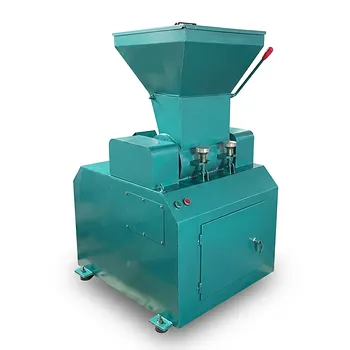
Industrial crushers, such as hammer mills, utilize high-speed impact to break down large, irregular coal gangue residues. This step is essential for converting bulk industrial waste into manageable coarse aggregates that can be further refined.
Precise Particle Classification
Vibratory sieve shakers employ high-frequency, continuous vibration across multi-layer standard sieves to separate material into specific ranges. This process filters out oversized particles and impurities, ensuring the final output meets the exact gradation required for downstream applications.
Standardized Particle Distribution
Maintaining a consistent distribution—often targeting a specific threshold like 2mm or smaller—is a fundamental requirement for mixture ratio design. Without this standardization, variations in size can lead to unpredictable results in mechanical experiments and industrial-scale processing.
Enhancing Thermal and Mechanical Performance
Optimization of Thermo-Mechanical Activation
Controlling the particle size below 2mm directly improves the thermal conductivity of the coal gangue during activation. Uniform particles heat more evenly, which is critical for achieving the desired phase changes without wasting energy on oversized clusters.
Improving Grinding Efficiency
When raw materials are pre-sized through crushing and sieving, the energy required for subsequent fine grinding is drastically reduced. This pretreatment prevents the grinding circuit from being overloaded with oversized debris, leading to a more streamlined and cost-effective operation.
Reducing Diffusion Limitations
In chemical reactions or leaching processes, large particles create "diffusion limitations" where reagents cannot reach the core of the material. Fine-tuning the particle size through sieving ensures that the surface area is maximized, allowing for more stable pyrolysis and reduction reactions.
Understanding Technical Trade-offs
The Risk of Sieve Blinding
High-frequency vibration is effective, but moisture in coal gangue can lead to sieve blinding, where fine particles clog the mesh apertures. This reduces classification accuracy and requires regular maintenance or the use of anti-blinding technologies.
Energy vs. Precision
While finer particle sizes generally improve reactivity, the energy consumption of industrial crushers increases exponentially as the target size decreases. Operators must balance the need for extreme fineness against the operational costs of extended crushing cycles.
Dust Management and Material Loss
Mechanical crushing and dry sieving generate significant amounts of fine dust. If not properly contained, this can lead to material loss and environmental hazards, necessitating integrated dust collection systems within the pretreatment circuit.
Making the Right Choice for Your Goal
To maximize the value of coal gangue pretreatment, align your equipment settings with your specific output requirements:
- If your primary focus is maximizing activation reactivity: Focus on achieving a strict particle size threshold of below 2mm to ensure optimal thermal conductivity and chemical exposure.
- If your primary focus is experimental reproducibility: Utilize multi-layer standard test sieves to eliminate size as a variable, ensuring that physical changes observed are due to the treatment rather than size inconsistencies.
- If your primary focus is industrial gasification or bed permeability: Prioritize the vibratory sieve shaker to remove ultra-fine dust and oversized chunks, ensuring a uniform air flow rate through the material bed.
By precisely controlling the physical state of coal gangue through mechanical pretreatment, you establish the necessary foundation for high-value industrial recycling and chemical synthesis.
Summary Table:
| Equipment Type | Primary Function | Impact on Coal Gangue Pretreatment |
|---|---|---|
| Industrial Crushers | High-impact size reduction | Breaks down bulk waste into manageable coarse aggregates. |
| Vibratory Sieve Shakers | Precise particle classification | Ensures a strict <2mm distribution and removes impurities. |
| Integrated Workflow | Material standardization | Optimizes thermal conductivity and reduces energy for fine grinding. |
Elevate Your Coal Gangue Research with Precision Equipment
Achieving radical material uniformity is the first step toward successful chemical and thermal activation. We provide complete laboratory sample preparation solutions for material science, specializing in high-performance powder processing and compaction equipment designed to eliminate variables in your experiments.
Our specialized equipment lines include:
- Crushing & Grinding: Heavy-duty jaw/roll crushers and specialized mills (planetary ball, jet, sand/bead, disc, and rotor) for every fineness level.
- Sieving & Mixing: High-precision vibratory and air-jet sieve shakers with various test sieves, plus advanced powder and defoaming mixers.
- Pressing & Compaction: A full spectrum of hydraulic presses, including Cold/Warm Isostatic Presses (CIP/WIP), XRF pellet presses, and vacuum hot presses.
Whether you are focusing on maximizing reactivity or improving industrial bed permeability, our tools provide the consistency you need.
Ready to optimize your pretreatment workflow? Contact our experts today for a tailored solution!
References
- Jiajun Chen, Xudong Tan. Research on the Thermal–Mechanical Synergistic Activation Mechanism of Coal Gangue and Its Hydration Characteristics. DOI: 10.3390/buildings16010152
Mentioned Products
- Versatile Industrial Crusher for Laboratory Crushing and Material Processing
- Heavy Duty Industrial Jaw Crusher for Primary Ore Crushing and High Capacity Mineral Material Size Reduction
- Heavy Duty Industrial Laboratory Jaw Crusher for Primary Sample Preparation and Hard Material Size Reduction
- Heavy-Duty Crusher for Laboratory and Industrial Material Size Reduction
- Stainless Steel Coarse Crusher for Pharmaceutical Food and Plastic Material Processing
People Also Ask
- What is the role of industrial crushers and standard test sieves in biomass pyrolysis? Optimize Heat Transfer & Yield
- What is the function of industrial crushers in the initial preparation of silicate minerals? Enhance Sample Uniformity
- What is the function of an industrial crusher in CRSS filler preparation? Essential Size Reduction for Carbonization
- How do crushers and mills work together in gypsum recycling? Transform drywall waste into reactive ceramic materials.
- What is the primary function of industrial crushing equipment in epoxy composite preparation? Optimize Material Performance

Tech Team · PowderPreparation
Last updated on Jun 03, 2026
Related Products
Versatile Industrial Crusher for Laboratory Crushing and Material Processing
Heavy Duty Industrial Jaw Crusher for Primary Ore Crushing and High Capacity Mineral Material Size Reduction
Heavy Duty Industrial Laboratory Jaw Crusher for Primary Sample Preparation and Hard Material Size Reduction
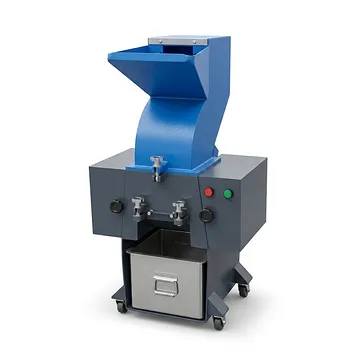
Heavy-Duty Crusher for Laboratory and Industrial Material Size Reduction
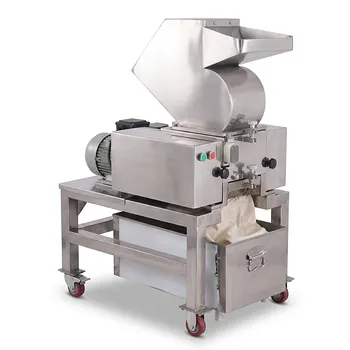
Stainless Steel Coarse Crusher for Pharmaceutical Food and Plastic Material Processing
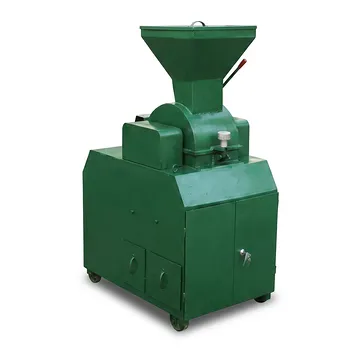
Industrial Sealed Hammer Knife Crusher for Mining Ore and Coal Sample Preparation
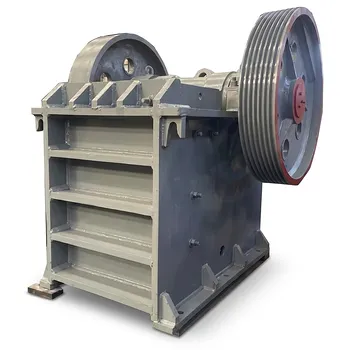
Heavy-Duty Jaw Crusher for Medium-Hard Ore and Industrial Mineral Crushing
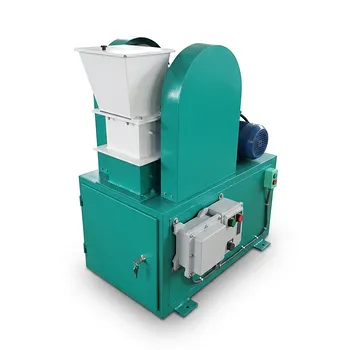
Custom Explosion-Proof Sealed Jaw Crusher for Laboratory and Industrial Sample Preparation
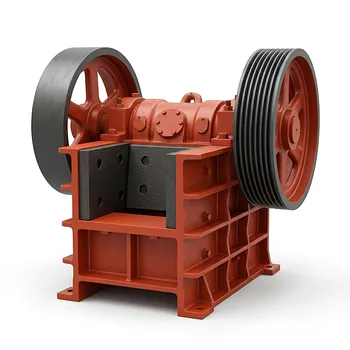
250x400 Jaw Crusher for Primary Crushing of Ores and Bulk Materials
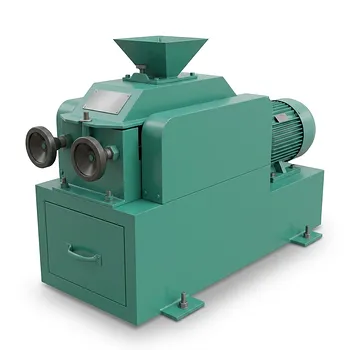
Horizontal Double Roll Crusher for Medium Fine Crushing of Coal Limestone and Ores
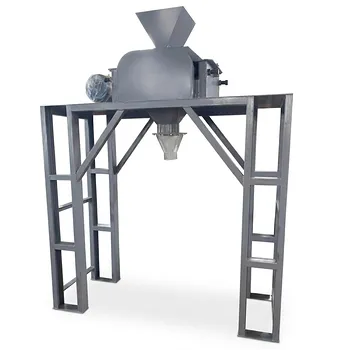
Heightened Customized Laboratory Double Roll Crusher for Coal Ore Rock Crushing
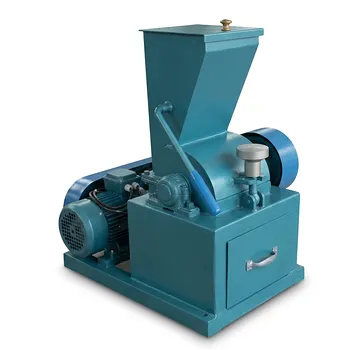
Small Hammer Crusher for Brittle Material Crushing in Mining Metallurgy and Lab Sample Preparation
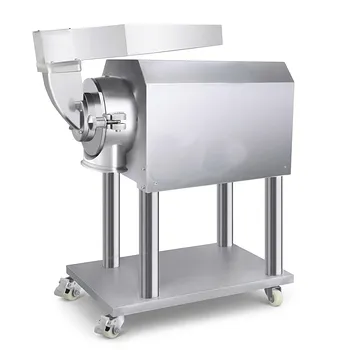
High Speed Small Laboratory Crusher for Dry Material Sample Preparation
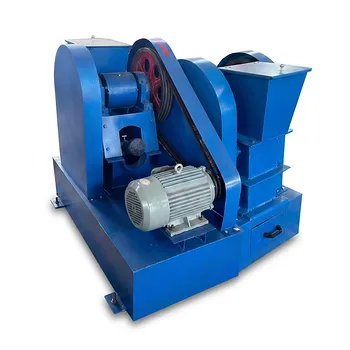
Horizontal Jaw Crusher Medium Hard Material Crushing Laboratory Sample Preparation Equipment
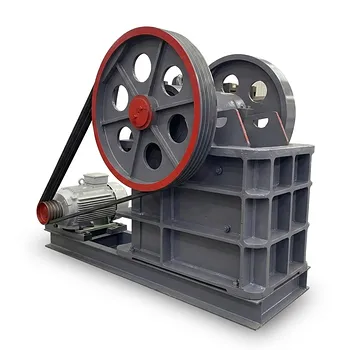
250x400mm Jaw Crusher Medium Crushing Equipment for Mining Mineral Sample Preparation
Sealed Laboratory Double Roll Crusher for Coal, Mineral, Ore Sample Preparation
Sealed Double Roll Crusher for Laboratory Sample Preparation of Medium Hardness Materials
Laboratory Sealed Hammer Crusher for Coal and Mineral Sample Preparation
Laboratory Jaw Crusher 2025 Model for Ore and Brittle Material Crushing