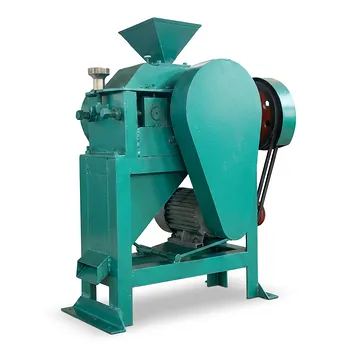
What is the primary function of industrial crushing equipment in epoxy composite preparation? Optimize Material Performance
Updated 4 months ago
The primary function of industrial crushing equipment in epoxy composite preparation is the refinement of irregular carbonized products into a uniform, reduced particle size. This process typically converts raw materials from initial grain sizes of 7mm–1mm down to a standardized dimension, such as 0.5mm, to ensure optimal dispersion within the polymer matrix and prevent large particles from acting as structural flaws.
Core Takeaway: Industrial crushing serves as the critical bridge between macroscopic raw materials and microscopic reinforcing fillers. By precisely controlling particle size, this equipment ensures the homogeneity of the mixture and protects the mechanical integrity of the final epoxy composite.
Enhancing Composite Performance Through Size Refinement
Achieving Uniform Dispersion in the Polymer Matrix
Carbonized products in their raw state are often irregular and too large for direct integration into epoxy resins. Industrial crushing reduces these fragments to a consistent scale, allowing the carbon particles to distribute evenly throughout the liquid resin. Without this uniformity, "clumping" occurs, leading to inconsistent material properties across the finished product.
Preventing Mechanical Weakness
Large, irregular carbon particles can act as stress concentrators within a cured epoxy matrix. By refining these particles down to approximately 0.5mm, the crushing equipment eliminates oversized inclusions that would otherwise trigger premature cracking or delamination. This size reduction is essential for maintaining the tensile and flexural strength of the composite.
Increasing Specific Surface Area
Mechanical milling and crushing significantly increase the specific surface area of the carbonized filler. A higher surface area promotes better wetting of the particles by the epoxy resin, enhancing the chemical and physical bond between the filler and the matrix. This improved interface is vital for efficient load transfer during mechanical stress.
The Role of Crushing in the Production Workflow
Preparing Materials for Fine Grinding
In many workflows, the industrial crusher performs the "initial break" of bulky biomass or carbonized waste. This stage transforms large-scale materials into intermediate granules that are more manageable for secondary, high-intensity fine grinding processes. It essentially optimizes the handling efficiency of the raw material before it reaches the final stages of synthesis.
Standardizing Feedstock for Extrusion
For composites destined for 3D printing or injection molding, crushing equipment ensures granular morphology. Standardizing particles into uniform dimensions (such as 4x4mm or smaller) is a prerequisite for stable feeding into extruders. This stability prevents fluctuations in filament diameter and ensures a consistent flow during the manufacturing process.
Understanding the Trade-offs
The Risk of Material Degradation
While reducing size is beneficial, excessive mechanical force can damage the internal structure of certain reinforcements. Over-processing can lead to the "over-fining" of particles, which may increase resin viscosity to unmanageable levels. Finding the balance between particle size and structural integrity is a key technical challenge.
Equipment Wear and Contamination
Crushing highly abrasive carbonized products or mineral-rich shells causes significant wear on mechanical components. If the equipment is not properly maintained or if the wrong alloy is used for the crushing surfaces, metallic contaminants can be introduced into the composite. These impurities can negatively impact the electrical insulation or aesthetic properties of the epoxy.
How to Optimize Crushing for Your Composite Goal
Strategic Implementation for Technical Success
- If your primary focus is mechanical strength: Prioritize a narrow particle size distribution to eliminate large stress concentrators while avoiding excessive "fines" that increase viscosity.
- If your primary focus is 3D printing or extrusion: Utilize a cutting crusher to achieve a uniform 4x4mm granular shape to ensure consistent volumetric flow through the nozzle.
- If your primary focus is resource utilization of waste: Use adjustable jaw or roll crushers to convert bulky mineral or biomass waste into standardized coarse aggregates (20mm-40mm) before fine refinement.
Effective industrial crushing is not merely a reduction in size, but a precise calibration of material geometry to ensure the functional success of the final epoxy composite.
Summary Table:
| Key Function | Technical Benefit | Impact on Final Composite |
|---|---|---|
| Size Refinement | Reduces particles to ~0.5mm | Prevents structural flaws and clumping |
| Uniform Dispersion | Ensures even filler distribution | Achieves consistent material properties |
| Surface Area Increase | Improves particle "wetting" | Enhances chemical bonding with epoxy resin |
| Morphology Control | Standardizes granular shape | Ensures stable feeding for extrusion/3D printing |
| Workflow Efficiency | Prepares feed for fine grinding | Optimizes handling and secondary processing |
Elevate Your Material Science Research with Precision Preparation
Achieving the perfect particle size is the first step toward high-performance epoxy composites. At Kindle Tech, we provide complete laboratory sample preparation solutions tailored for material science. Whether you are processing carbonized waste or advanced reinforcements, our specialized equipment ensures your powders meet exact specifications.
Our comprehensive range includes:
- Crushing & Grinding: High-efficiency jaw/roll crushers, liquid nitrogen cryogenic grinders, and planetary ball, jet, or rotor mills.
- Sizing & Mixing: Vibratory/air-jet sieve shakers and advanced powder or defoaming mixers for a homogeneous matrix.
- Compaction & Synthesis: A full spectrum of hydraulic presses, including Cold/Warm Isostatic Presses (CIP/WIP), vacuum hot presses, and XRF pellet presses.
Ready to eliminate stress concentrators and enhance the mechanical integrity of your composites? Contact our technical experts today to find the ideal equipment for your laboratory workflow!
References
- Agata Wieczorska, Grzegorz Hajdukiewicz. Analysis of the Tensile Properties of Composite Material Added Carbonisate Based on the Change of Strain Dynamics. DOI: 10.3390/ma17246219
Mentioned Products
- Versatile Industrial Crusher for Laboratory Crushing and Material Processing
- Heavy Duty Industrial Jaw Crusher for Primary Ore Crushing and High Capacity Mineral Material Size Reduction
- Stainless Steel Coarse Crusher for Pharmaceutical Food and Plastic Material Processing
- Heavy-Duty Crusher for Laboratory and Industrial Material Size Reduction
- Heavy Duty Industrial Laboratory Jaw Crusher for Primary Sample Preparation and Hard Material Size Reduction
People Also Ask
- What is the purpose of using industrial crushers and vibratory sieve shakers in the pretreatment of coal gangue? Ensure Uniformity
- What is the role of industrial crushers and standard test sieves in biomass pyrolysis? Optimize Heat Transfer & Yield
- What is the function of industrial crushers in the initial preparation of silicate minerals? Enhance Sample Uniformity
- What is the function of an industrial crusher in CRSS filler preparation? Essential Size Reduction for Carbonization
- How do crushers and mills work together in gypsum recycling? Transform drywall waste into reactive ceramic materials.

Tech Team · PowderPreparation
Last updated on Jun 03, 2026
Related Products
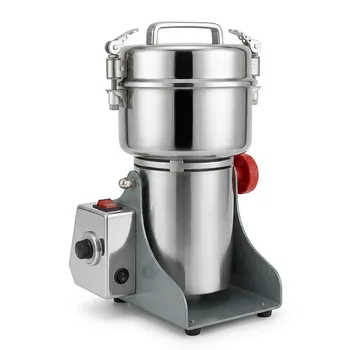
Versatile Industrial Crusher for Laboratory Crushing and Material Processing
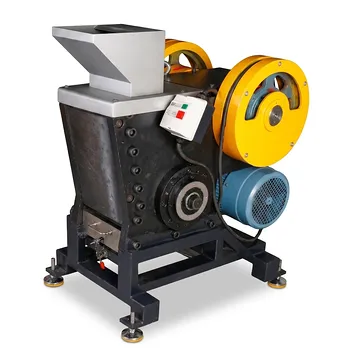
Heavy Duty Industrial Jaw Crusher for Primary Ore Crushing and High Capacity Mineral Material Size Reduction
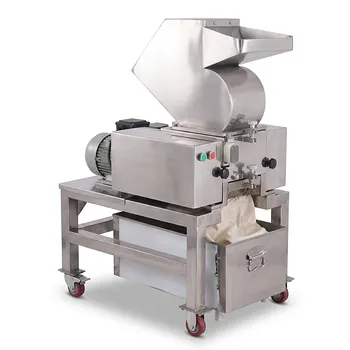
Stainless Steel Coarse Crusher for Pharmaceutical Food and Plastic Material Processing
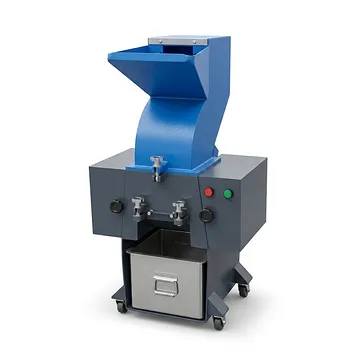
Heavy-Duty Crusher for Laboratory and Industrial Material Size Reduction
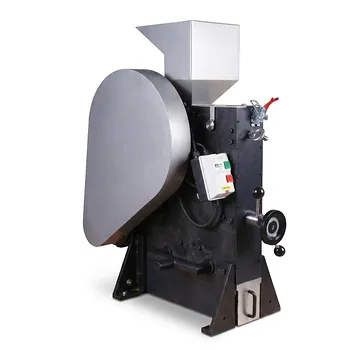
Heavy Duty Industrial Laboratory Jaw Crusher for Primary Sample Preparation and Hard Material Size Reduction
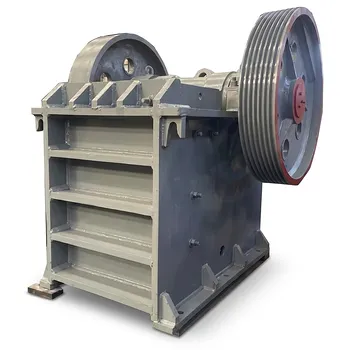
Heavy-Duty Jaw Crusher for Medium-Hard Ore and Industrial Mineral Crushing
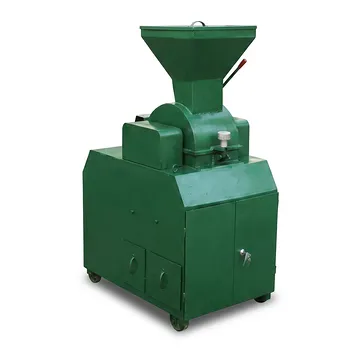
Industrial Sealed Hammer Knife Crusher for Mining Ore and Coal Sample Preparation
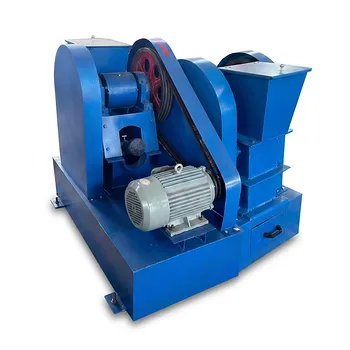
Horizontal Jaw Crusher Medium Hard Material Crushing Laboratory Sample Preparation Equipment
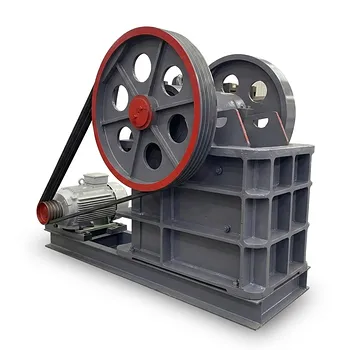
250x400mm Jaw Crusher Medium Crushing Equipment for Mining Mineral Sample Preparation
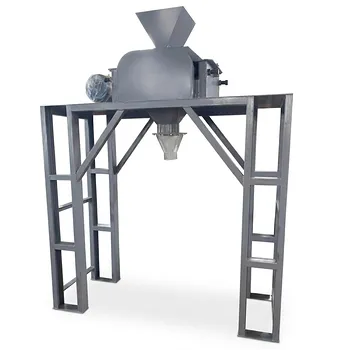
Heightened Customized Laboratory Double Roll Crusher for Coal Ore Rock Crushing
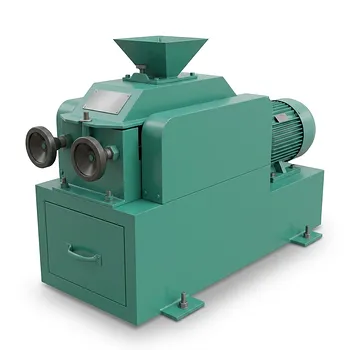
Horizontal Double Roll Crusher for Medium Fine Crushing of Coal Limestone and Ores
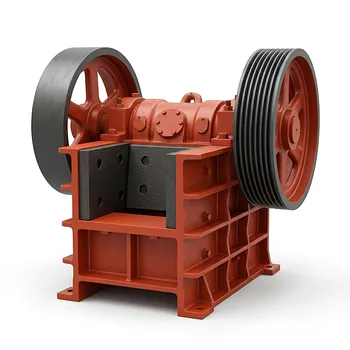
250x400 Jaw Crusher for Primary Crushing of Ores and Bulk Materials
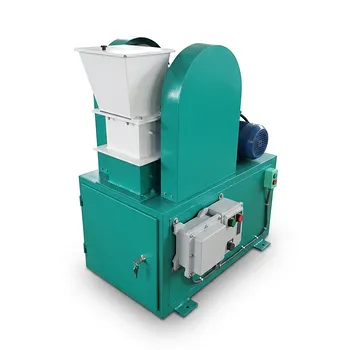
Custom Explosion-Proof Sealed Jaw Crusher for Laboratory and Industrial Sample Preparation
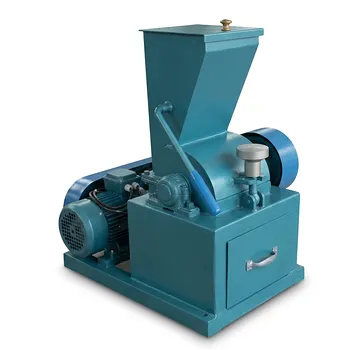
Small Hammer Crusher for Brittle Material Crushing in Mining Metallurgy and Lab Sample Preparation
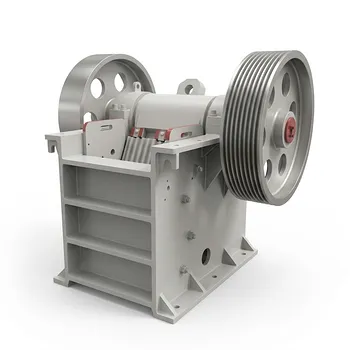
Jaw Crusher with 400x600mm Feed Opening for Primary Rock Crushing in Mining and Construction
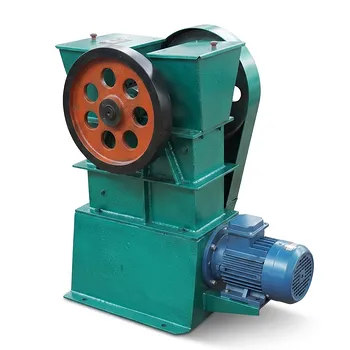
150×125mm Laboratory Jaw Crusher for Medium and Fine Crushing of Brittle Materials
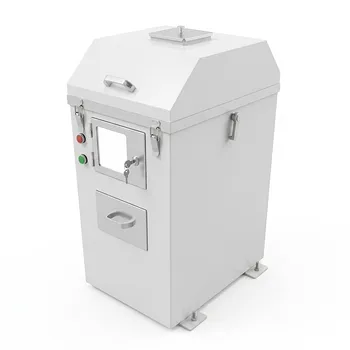
Sealed Double Roll Crusher for Laboratory Sample Preparation of Medium Hardness Materials
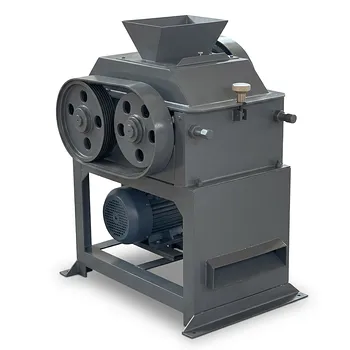
Sealed Laboratory Double Roll Crusher for Coal, Mineral, Ore Sample Preparation
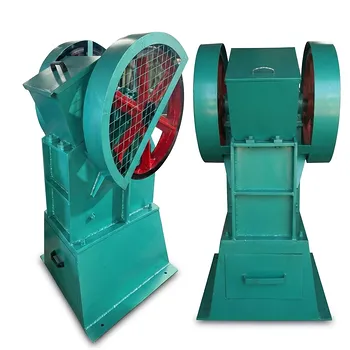
Sealed Jaw Crusher for Laboratory Material Crushing and Sample Preparation