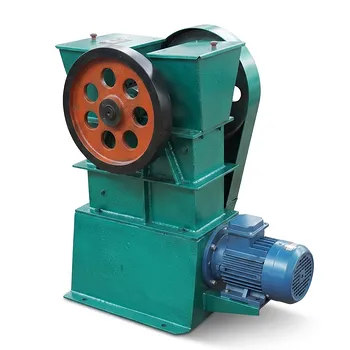
What is the function of industrial crushers in the initial preparation of silicate minerals? Enhance Sample Uniformity
Updated 5 months ago
Industrial crushers serve as the primary mechanism for structural deconstruction and particle size reduction in silicate mineral processing. These machines utilize mechanical forces—such as high-speed rotational power or compressive pressure—to transform large, irregular masses of red mud, slag, or diatomaceous earth into a controlled granular state. This transformation is the essential first step required to achieve material uniformity, which is a prerequisite for all subsequent sieving, physical evaluation, and chemical treatment.
The core function of industrial crushers is to bridge the gap between raw, bulk mineral extraction and precise laboratory or industrial application. By reducing materials to a specific physical foundation, crushers ensure that subsequent processes like calcination and chemical activation occur consistently across the entire material volume.
The Role of Structural Breakdown in Mineral Preparation
Mechanical Deconstruction of Bulk Silicates
Industrial crushers, particularly jaw and roll crushers, apply intense mechanical pressure to overcome the internal cohesive strength of raw silicate minerals. In materials like black slag or red mud, this process breaks down the original geological or industrial structure into smaller, manageable fragments. This initial reduction is vital for moving material from a "raw ore" state to a "workable feedstock" state.
Achieving Uniform Particle Distribution
A primary goal of the crushing phase is to produce a uniform powder or grain size. According to industry standards, this often involves reducing material to a specific laboratory specification, such as 12.5 mm or even finer for clay-based minerals. This uniformity ensures that when the material is sampled for analysis, the results are representative of the entire batch rather than a single outlier fragment.
Preparation for Secondary Grinding
Initial crushing acts as a "primary stage" that establishes the physical foundation for secondary grinding equipment. By reducing bulk material to a consistent size range, crushers prevent downstream fine-grinding machinery from being overloaded or damaged. This multi-stage approach is the standard method for processing mine tailings into micron-scale fine powders.
Impact on Downstream Chemical and Thermal Processes
Increasing Specific Surface Area
Industrial impact crushers use high-energy collisions to pulverize dried raw blocks, significantly increasing the specific surface area of the particles. This is a critical deep-level need for minerals like diatomaceous earth or clay. A higher surface area allows for more efficient chemical reactions and faster moisture evaporation during the drying phases.
Facilitating Uniform Heat Penetration
In the preparation of minerals for high-temperature calcination, crushing is indispensable. By reducing irregular lumps to a particle size that can pass through a 2mm sieve, crushers ensure that heat can penetrate uniformly and rapidly into the interior of each particle. This prevents "core-shell" effects where the outside of a particle is over-processed while the interior remains unreacted.
Enabling Chemical Activation
For silicate minerals intended for use as supplementary cementitious materials (SCM), the crushing phase prepares the material for chemical activation. The physical reduction to a fine powder state is necessary for the mineral phases to interact correctly with alkaline activators or water. Without this initial mechanical preparation, the chemical transformation of the mineral phases would be incomplete or non-existent.
Understanding the Trade-offs and Limitations
Compressive Force vs. Impact Pulverization
Choosing between a jaw crusher (compression) and an impact crusher involves a trade-off between material hardness and desired fineness. Jaw crushers are excellent for the primary reduction of hard, abrasive slags but may produce elongated particles. Impact crushers provide a better particle shape and higher fineness but suffer from higher wear rates when processing highly abrasive silicates.
Moisture Content and Material Adhesion
The efficiency of industrial crushers is heavily dependent on the moisture content of the raw silicates. Materials like red mud or raw clay can become "plastic" or sticky if they are not sufficiently sun-dried before crushing. This can lead to equipment clogging, which halts continuous production and requires manual cleaning, offsetting the efficiency gains of the machinery.
Risk of Metallic Contamination
In high-purity applications, the mechanical action of steel jaw plates or rollers can introduce trace amounts of iron contamination into the silicate mineral. While this is often negligible for cementitious applications, it can be a significant drawback for specialized refractory or electronic-grade silicate products. Operators must weigh the speed of industrial crushing against the purity requirements of the final output.
How to Apply Crushing Standards to Your Project
Making the Right Choice for Your Goal
The selection of crushing equipment and the intensity of the process should be dictated by the final application of the silicate mineral.
- If your primary focus is Laboratory Analysis: Utilize a jaw crusher to achieve a uniform 12.5 mm specification to ensure sample representativeness and ease of splitting.
- If your primary focus is Thermal Calcination: Prioritize impact crushing to maximize surface area and ensure particles pass through a 2mm sieve for rapid heat penetration.
- If your primary focus is Cementitious Activation: Employ a multi-stage process involving primary jaw crushing followed by fine grinding to reach micron-scale powder for optimal reactivity.
Effective mineral preparation begins with a precise crushing strategy that aligns the physical state of the raw silicate with the chemical requirements of the final product.
Summary Table:
| Key Function | Benefit for Silicate Minerals | Recommended Equipment |
|---|---|---|
| Structural Deconstruction | Breaks down bulk ore into workable feedstock | Jaw Crusher, Roll Crusher |
| Particle Size Uniformity | Ensures representative sampling & consistent results | Sieve Shakers, Disc Mills |
| Surface Area Expansion | Enhances chemical activation & thermal penetration | Impact Crushers, Jet Mills |
| Secondary Prep | Protects fine-grinding tools from overloading | Planetary Ball Mills |
Elevate Your Mineral Processing with Expert Laboratory Solutions
Achieving precise material uniformity is the first step toward successful research and production. At our core, we provide complete laboratory sample preparation solutions tailored for material science and industrial mineralogy.
Whether you are processing red mud, slag, or diatomaceous earth, our specialized equipment ensures your samples meet the most rigorous standards:
- Primary Reduction: Robust jaw and roll crushers for heavy-duty deconstruction.
- Fine Grinding: High-energy planetary ball mills, jet mills, and cryogenic grinders for micron-scale precision.
- Sizing & Mixing: Vibratory/air-jet sieve shakers and advanced powder/defoaming mixers.
- Advanced Compaction: A full spectrum of hydraulic presses, including Cold/Warm Isostatic Presses (CIP/WIP), XRF pellet presses, and vacuum hot presses.
Ready to optimize your workflow and improve material reactivity? Contact our experts today to find the perfect equipment solution for your lab’s specific needs!
References
- Ivyleen Bernardo-Arugay, Raymond V. Rivera Virtudazo. Evaluation of Linamon Red Clay, Salvador Black Cinder and Kapatagan Diatomaceous Earth of the Southern Philippines. DOI: 10.3390/min13020252
Mentioned Products
- Versatile Industrial Crusher for Laboratory Crushing and Material Processing
- Heavy Duty Industrial Jaw Crusher for Primary Ore Crushing and High Capacity Mineral Material Size Reduction
- Heavy Duty Industrial Laboratory Jaw Crusher for Primary Sample Preparation and Hard Material Size Reduction
- Heavy-Duty Crusher for Laboratory and Industrial Material Size Reduction
- Industrial Sealed Hammer Knife Crusher for Mining Ore and Coal Sample Preparation
People Also Ask
- What is the purpose of using industrial crushers and vibratory sieve shakers in the pretreatment of coal gangue? Ensure Uniformity
- What is the role of industrial crushers and standard test sieves in biomass pyrolysis? Optimize Heat Transfer & Yield
- What is the function of an industrial crusher in CRSS filler preparation? Essential Size Reduction for Carbonization
- How do crushers and mills work together in gypsum recycling? Transform drywall waste into reactive ceramic materials.
- What is the primary function of industrial crushing equipment in epoxy composite preparation? Optimize Material Performance

Tech Team · PowderPreparation
Last updated on May 14, 2026
Related Products
Versatile Industrial Crusher for Laboratory Crushing and Material Processing
Heavy Duty Industrial Jaw Crusher for Primary Ore Crushing and High Capacity Mineral Material Size Reduction
Heavy Duty Industrial Laboratory Jaw Crusher for Primary Sample Preparation and Hard Material Size Reduction
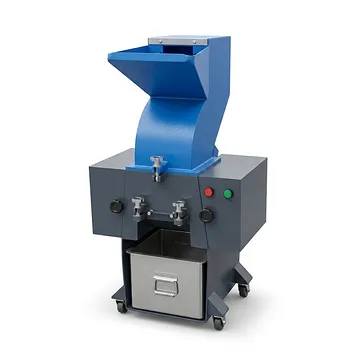
Heavy-Duty Crusher for Laboratory and Industrial Material Size Reduction
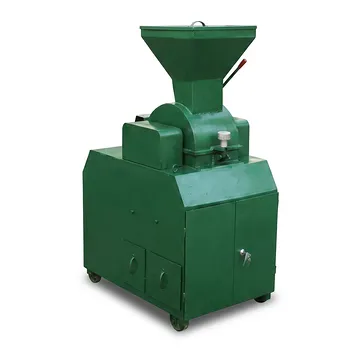
Industrial Sealed Hammer Knife Crusher for Mining Ore and Coal Sample Preparation
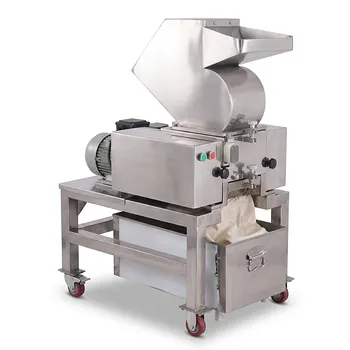
Stainless Steel Coarse Crusher for Pharmaceutical Food and Plastic Material Processing
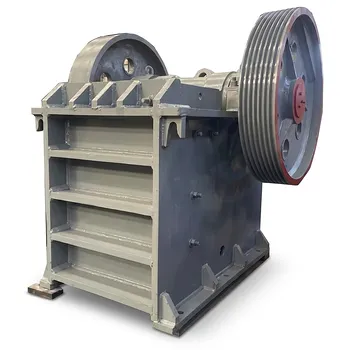
Heavy-Duty Jaw Crusher for Medium-Hard Ore and Industrial Mineral Crushing
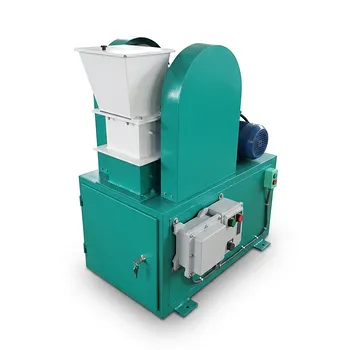
Custom Explosion-Proof Sealed Jaw Crusher for Laboratory and Industrial Sample Preparation
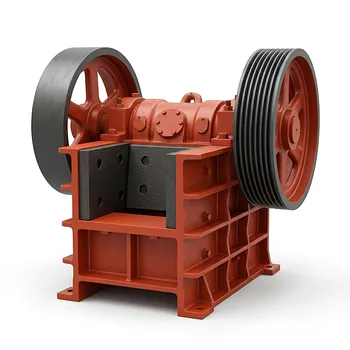
250x400 Jaw Crusher for Primary Crushing of Ores and Bulk Materials
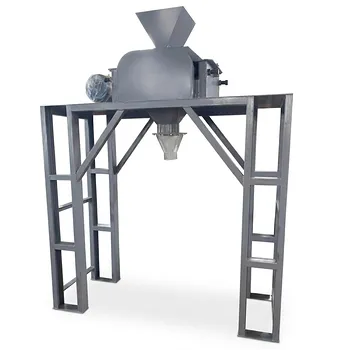
Heightened Customized Laboratory Double Roll Crusher for Coal Ore Rock Crushing
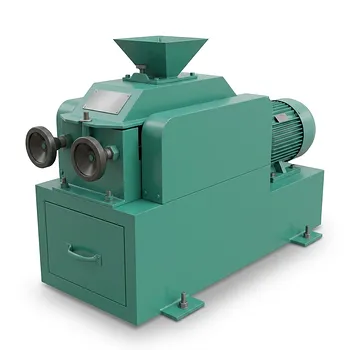
Horizontal Double Roll Crusher for Medium Fine Crushing of Coal Limestone and Ores
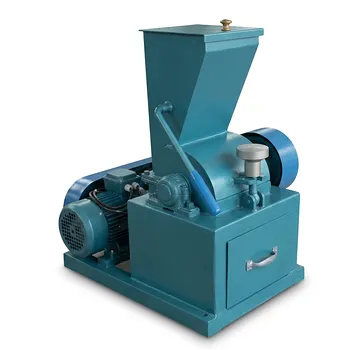
Small Hammer Crusher for Brittle Material Crushing in Mining Metallurgy and Lab Sample Preparation
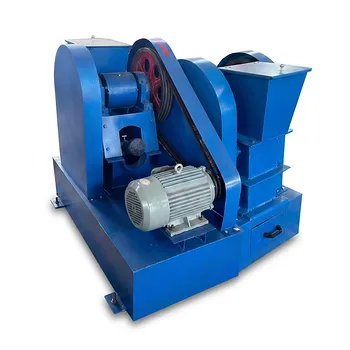
Horizontal Jaw Crusher Medium Hard Material Crushing Laboratory Sample Preparation Equipment
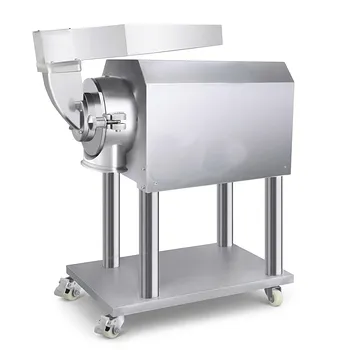
High Speed Small Laboratory Crusher for Dry Material Sample Preparation
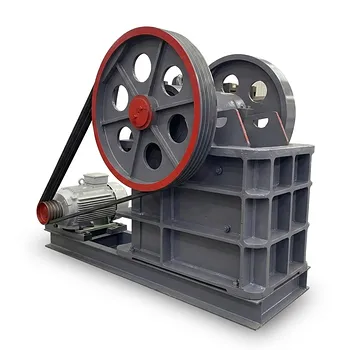
250x400mm Jaw Crusher Medium Crushing Equipment for Mining Mineral Sample Preparation
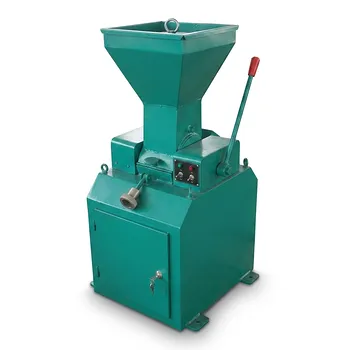
Laboratory Sealed Hammer Crusher for Coal and Mineral Sample Preparation
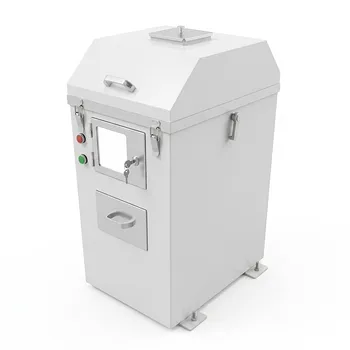
Sealed Double Roll Crusher for Laboratory Sample Preparation of Medium Hardness Materials
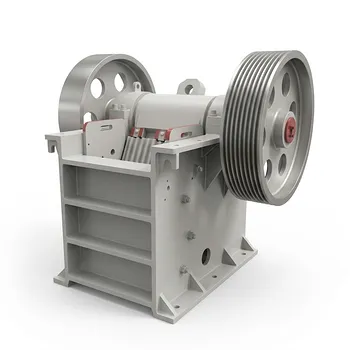
Jaw Crusher with 400x600mm Feed Opening for Primary Rock Crushing in Mining and Construction
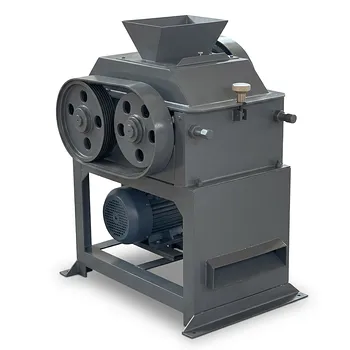
Sealed Laboratory Double Roll Crusher for Coal, Mineral, Ore Sample Preparation