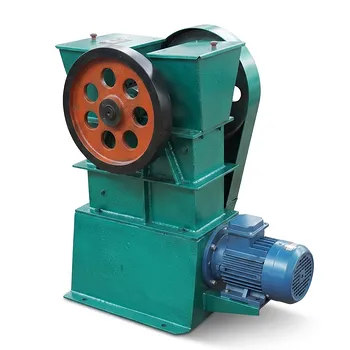
How do crushers and mills work together in gypsum recycling? Transform drywall waste into reactive ceramic materials.
Updated 5 months ago
Industrial crushers and grinding mills operate as a coordinated two-stage refinement system. The crusher first breaks down large gypsum board residues into manageable chunks—typically around 20mm—while the grinding mill subsequently pulverizes these chunks into a fine, active powder. This multi-stage process ensures the waste is fully converted into a reactive raw material that can be seamlessly integrated with clay for red ceramic production.
This sequential reduction process is critical because it transforms inert construction waste into a high-surface-area material. By precisely controlling the transition from bulk crushing to fine milling, manufacturers can improve the physical properties of the final ceramic product and maximize raw material utilization.
The Mechanics of Sequential Refinement
Primary Crushing: Managing Bulk Volume
Industrial crushers, such as jaw or roll crushers, serve as the first point of entry for gypsum board residues and large components. These machines use high-intensity mechanical impact and compression to reduce the physical volume of the waste.
The primary goal at this stage is to reach a uniform "coarse aggregate" size. This reduction is essential for feeding the material into secondary systems without causing blockages or mechanical strain.
Secondary Milling: Achieving Chemical Reactivity
Once the gypsum is reduced to smaller chunks, it enters the grinding mill for final refinement. This stage focuses on producing a fine powder with a specific particle size distribution.
Fine grinding does more than just reduce size; it increases the surface energy of the gypsum particles. This heightened surface energy makes the powder more reactive when mixed with clay, ensuring a more stable chemical bond during the manufacturing process.
Impact on Ceramic Material Science
Enhancing Sintering and Microstructure
The use of high-efficiency milling equipment allows the recycled gypsum to be refined to precise ranges. This precision is vital for creating a highly uniform microstructure in the finished ceramic component.
When the gypsum powder is sufficiently fine, it helps reduce required sintering temperatures. This efficiency allows for lower energy consumption during the firing process while maintaining or improving the structural integrity of the ceramic.
Integration with Clay Matrices
The refined gypsum powder acts as an active raw material rather than a passive filler. When mixed with clay, it provides the foundation for "red ceramics," a category often used for bricks and tiles.
This integration improves the overall physical properties of the ceramic body. By using recycled gypsum, manufacturers can reduce their reliance on natural mineral mining while maintaining the quality of the final product.
Understanding Technical Trade-offs and Pitfalls
Energy Consumption vs. Fineness
There is a direct correlation between the fineness of the powder and the energy required by the grinding mill. While finer powder increases reactivity, over-processing can lead to diminishing returns where the energy cost outweighs the material benefits.
Equipment Wear and Maintenance
Gypsum and associated construction residues can be abrasive or contain trace contaminants from the drywall's paper backing. Frequent inspection of crusher plates and milling media is necessary to prevent contamination of the ceramic powder and ensure consistent particle sizes.
Optimizing Your Gypsum Recycling Workflow
How to Apply This to Your Project
To achieve the best results when integrating gypsum residues into ceramic production, consider the following strategic approaches:
- If your primary focus is maximizing structural strength: Prioritize the grinding mill stage to ensure maximum surface energy and a highly uniform particle distribution.
- If your primary focus is reducing production costs: Optimize the primary crushing stage to produce the largest particle size the grinding mill can efficiently handle, reducing the overall energy load.
- If your primary focus is environmental sustainability: Utilize high-efficiency crushing equipment to minimize waste volume and replace a higher percentage of virgin clay with recycled gypsum powder.
By mastering the transition from mechanical crushing to precision milling, you can turn problematic drywall waste into a high-value asset for modern ceramic manufacturing.
Summary Table:
| Feature | Primary Crushing Stage | Secondary Milling Stage |
|---|---|---|
| Equipment | Jaw Crushers, Roll Crushers | Planetary Ball, Jet, or Disc Mills |
| Input Material | Bulk gypsum board/drywall residue | ~20mm coarse aggregate chunks |
| Output State | Coarse aggregate (uniform chunks) | Fine, high-surface-area powder |
| Core Function | Physical volume reduction | Increasing chemical reactivity |
| Key Benefit | Prevents system blockages | Improves sintering and clay bonding |
Elevate Your Material Processing with Our Expert Solutions
Ready to transform your recycling workflow or enhance your ceramic production? At Our Specialist Powder Solutions, we provide complete laboratory sample preparation solutions for material science, specializing in high-performance powder processing and compaction equipment.
Our extensive product lines are designed to handle every stage of material refinement:
- Crushing & Milling: High-efficiency jaw/roll crushers, liquid nitrogen cryogenic grinders, and various mills (planetary ball, jet, sand/bead, disc, rotor).
- Sieving & Mixing: Vibratory/air-jet sieve shakers and advanced powder/defoaming mixers.
- Compaction & Pressing: A full spectrum of hydraulic presses, including Cold/Warm Isostatic Presses (CIP/WIP), standard lab presses, XRF pellet presses, and vacuum hot presses.
Whether you are processing construction waste or developing advanced ceramic components, we offer the precision tools you need for success. Contact us today to discuss your project requirements!
References
- Kelson Silva de Almeida, José Milton Elias de Matos. Efeito de resíduos de gesso e de granito em produtos da indústria de cerâmica vermelha: revisão bibliográfica. DOI: 10.1590/s1517-707620200001.0893
Mentioned Products
- Versatile Industrial Crusher for Laboratory Crushing and Material Processing
- Heavy Duty Industrial Jaw Crusher for Primary Ore Crushing and High Capacity Mineral Material Size Reduction
- Heavy Duty Industrial Laboratory Jaw Crusher for Primary Sample Preparation and Hard Material Size Reduction
- Heavy-Duty Crusher for Laboratory and Industrial Material Size Reduction
- Industrial Sealed Hammer Knife Crusher for Mining Ore and Coal Sample Preparation
People Also Ask
- What is the purpose of using industrial crushers and vibratory sieve shakers in the pretreatment of coal gangue? Ensure Uniformity
- What is the role of industrial crushers and standard test sieves in biomass pyrolysis? Optimize Heat Transfer & Yield
- What is the function of industrial crushers in the initial preparation of silicate minerals? Enhance Sample Uniformity
- What is the function of an industrial crusher in CRSS filler preparation? Essential Size Reduction for Carbonization
- What is the primary function of industrial crushing equipment in epoxy composite preparation? Optimize Material Performance

Tech Team · PowderPreparation
Last updated on May 14, 2026
Related Products
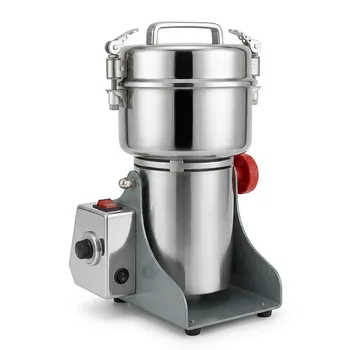
Versatile Industrial Crusher for Laboratory Crushing and Material Processing
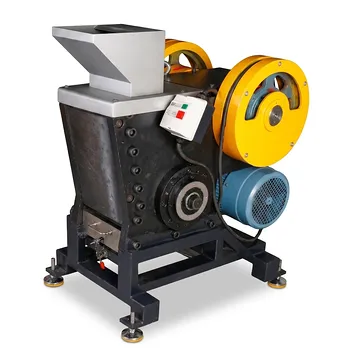
Heavy Duty Industrial Jaw Crusher for Primary Ore Crushing and High Capacity Mineral Material Size Reduction
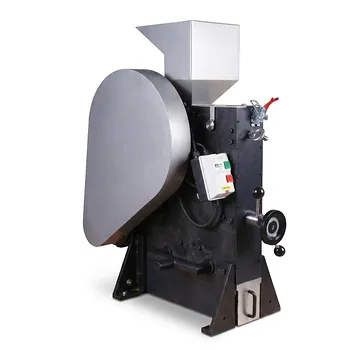
Heavy Duty Industrial Laboratory Jaw Crusher for Primary Sample Preparation and Hard Material Size Reduction
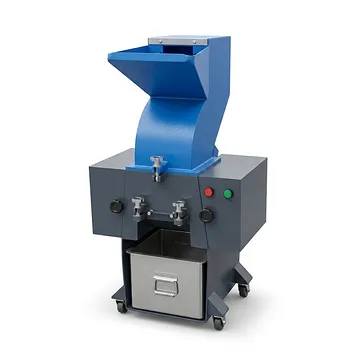
Heavy-Duty Crusher for Laboratory and Industrial Material Size Reduction
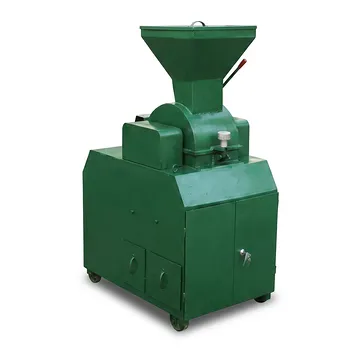
Industrial Sealed Hammer Knife Crusher for Mining Ore and Coal Sample Preparation
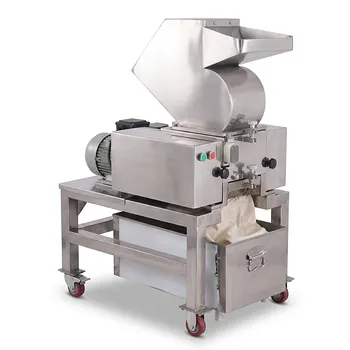
Stainless Steel Coarse Crusher for Pharmaceutical Food and Plastic Material Processing
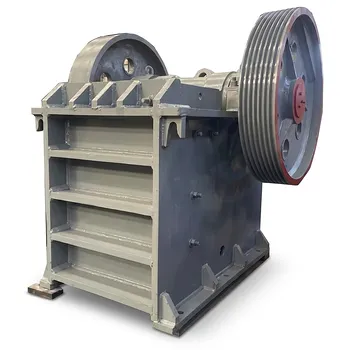
Heavy-Duty Jaw Crusher for Medium-Hard Ore and Industrial Mineral Crushing
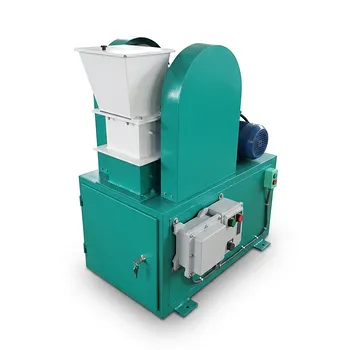
Custom Explosion-Proof Sealed Jaw Crusher for Laboratory and Industrial Sample Preparation
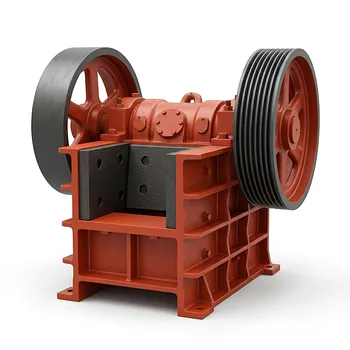
250x400 Jaw Crusher for Primary Crushing of Ores and Bulk Materials
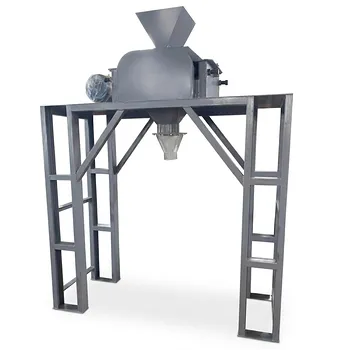
Heightened Customized Laboratory Double Roll Crusher for Coal Ore Rock Crushing
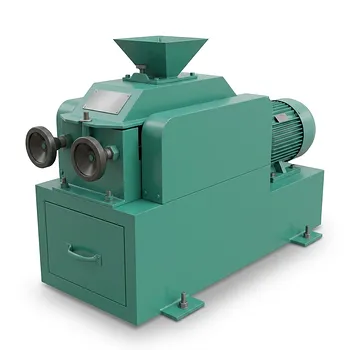
Horizontal Double Roll Crusher for Medium Fine Crushing of Coal Limestone and Ores
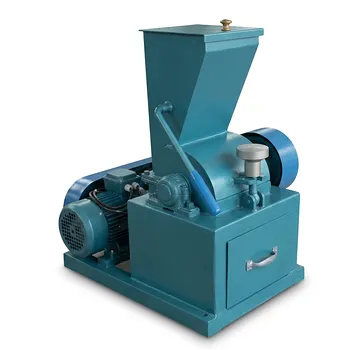
Small Hammer Crusher for Brittle Material Crushing in Mining Metallurgy and Lab Sample Preparation
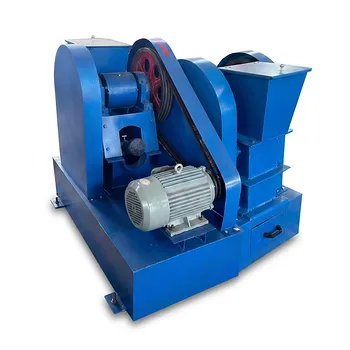
Horizontal Jaw Crusher Medium Hard Material Crushing Laboratory Sample Preparation Equipment
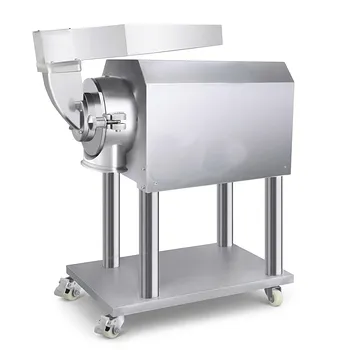
High Speed Small Laboratory Crusher for Dry Material Sample Preparation
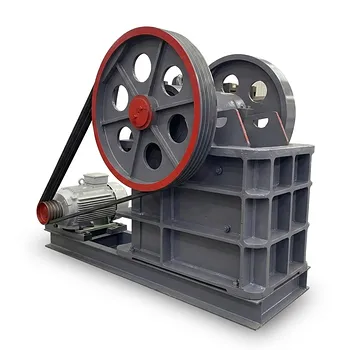
250x400mm Jaw Crusher Medium Crushing Equipment for Mining Mineral Sample Preparation
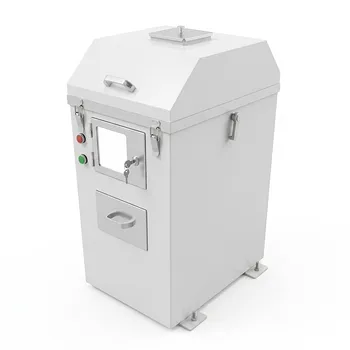
Sealed Double Roll Crusher for Laboratory Sample Preparation of Medium Hardness Materials
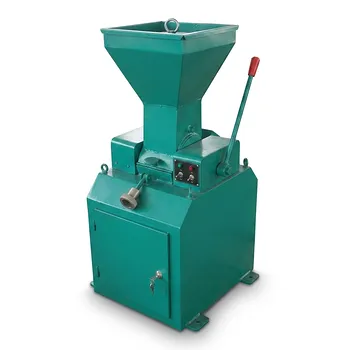
Laboratory Sealed Hammer Crusher for Coal and Mineral Sample Preparation
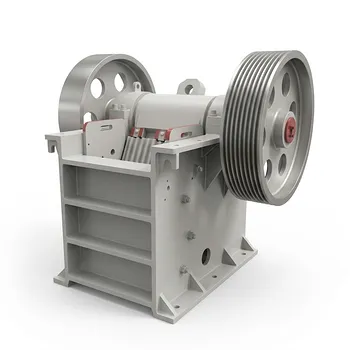
Jaw Crusher with 400x600mm Feed Opening for Primary Rock Crushing in Mining and Construction
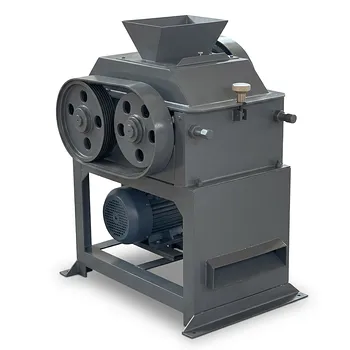
Sealed Laboratory Double Roll Crusher for Coal, Mineral, Ore Sample Preparation