What is the purpose of using high-precision standard sieves in geopolymer precursors? Optimize Reactivity and Strength
Updated 5 months ago
High-precision standard sieves are critical tools for the classification and screening of raw geopolymer materials, such as fly ash, red mud, and kaolin, to strictly control particle size distribution. By ensuring material uniformity at specific thresholds (e.g., 45 μm, 63 μm, or 75 μm), these sieves directly dictate the rheological properties, chemical reactivity, and final mechanical strength of the geopolymer matrix.
The use of high-precision sieves transforms raw industrial by-products into standardized precursors by optimizing their specific surface area and removing oversized impurities. This precision is the foundation for predictable alkali-activation reactions and the successful application of advanced manufacturing techniques like 3D printing.
Enhancing Chemical Reactivity and Dissolution
Maximizing Specific Surface Area
Using fine-mesh sieves, such as 45 μm or 75 μm, significantly increases the specific surface area of the precursor powder. A higher surface area ensures that a greater portion of the material is exposed to the alkaline activator, which accelerates the reaction activity and gelation efficiency.
Accelerating Ion Dissolution
Strict particle size control facilitates the rapid and sufficient dissolution of silicon (Si) and aluminum (Al) elements from the precursor. This is essential during the initial stages of the alkali-activation process to ensure a robust polycondensation reaction and a dense final microstructure.
Enhancing Early and Final Strength
Refining particle size through sieving can nearly double the specific surface area of materials like fly ash. This refinement leads to a more complete geopolymerization process, which directly correlates to higher early-age and long-term compressive strength in the hardened mortar.
Optimizing Rheology and Structural Integrity
Controlling Flowability for 3D Printing
In additive manufacturing, the rheological properties of the geopolymer paste are sensitive to particle size. High-precision sieving ensures a uniform consistency that prevents nozzle clogging and maintains the necessary flowability for precise layer deposition during 3D printing.
Optimizing Packing Density
Precise control of the particle size range (e.g., 0.3 to 0.6 mm for certain aggregates) allows for optimal particle packing density. Better packing reduces the void space between particles, which improves the pore structure and macro-mechanical properties of products like pavement bricks or membranes.
Ensuring Microscopic Homogeneity
Sieving ensures that precursor powders can be uniformly mixed with additives, such as titanium dioxide, at a microscopic level. This level of homogeneity is vital for consistent calcination and prevents localized weaknesses in the final geopolymer structure.
Understanding the Trade-offs and Technical Challenges
Precision vs. Processing Volume
While finer sieving (e.g., 45 μm) yields the highest reactivity, it significantly increases the processing time and energy required for material preparation. High-precision vibratory shakers are often necessary to maintain throughput, adding to the equipment overhead.
The Risk of Sieve Blinding
When working with ultra-fine precursor powders, sieve blinding (clogging of the mesh) becomes a common technical hurdle. If not managed through proper maintenance and automated cleaning cycles, blinding can lead to inaccurate particle size distribution and inconsistent batches.
Material Waste and Impurity Removal
Sieving effectively removes coarse impurities and incompletely burned particles, which is a major benefit for structural stability. However, this process creates a "reject" stream of oversized material that must be either reground or disposed of, impacting the overall material yield.
How to Apply Precision Sieving to Your Project
Recommendations Based on Application Goals
To achieve the best results with geopolymer precursors, the sieving strategy must align with the intended use of the material:
- If your primary focus is 3D printing or additive manufacturing: Utilize 63 μm to 75 μm sieves to ensure strict rheological control and prevent equipment downtime.
- If your primary focus is maximizing mechanical strength: Prioritize ultra-fine sieving at the 45 μm level to increase reactive surface area and density.
- If your primary focus is filtration or membrane stability: Use high-precision vibratory sieving to ensure a consistent pore size distribution and long-term structural integrity.
- If your primary focus is industrial-scale brick production: Target a broader but controlled range (e.g., 100-mesh) to balance packing density with high-volume throughput.
Precise particle size classification is not merely a preparation step, but a fundamental requirement for engineering predictable and high-performance geopolymer materials.
Summary Table:
| Key Objective | Impact on Geopolymer Performance | Recommended Sieve Size |
|---|---|---|
| Chemical Reactivity | Increases specific surface area and accelerates ion dissolution (Si/Al). | 45 μm - 75 μm |
| Mechanical Strength | Enhances polycondensation and early-age compressive strength. | ≤ 45 μm |
| 3D Printing Rheology | Ensures uniform flowability and prevents nozzle clogging. | 63 μm - 75 μm |
| Packing Density | Reduces void space to improve structural integrity and durability. | Controlled Ranges (e.g., 0.3-0.6 mm) |
| Homogeneity | Ensures uniform mixing with additives like $TiO_2$ at the microscopic level. | High-precision mesh |
Elevate Your Material Research with Precision Preparation Solutions
Achieving the perfect geopolymer matrix starts with uncompromising particle size control. At [Company Name], we provide complete laboratory sample preparation solutions tailored for advanced material science. Our specialized equipment range is designed to help you transform raw industrial by-products into high-performance precursors with ease.
Our comprehensive product lineup includes:
- Sieve Shakers: Vibratory and air-jet shakers with a full range of high-precision test sieves and meshes.
- Milling & Crushing: Planetary ball mills, jet mills, and jaw/roll crushers for superior powder refinement.
- Mixing Solutions: High-efficiency powder mixers and vacuum defoaming mixers for microscopic homogeneity.
- Advanced Pressing: A full spectrum of hydraulic presses, including Cold/Warm Isostatic Presses (CIP/WIP), XRF pellet presses, and vacuum hot presses.
Whether you are optimizing rheology for 3D printing or maximizing the compressive strength of structural mortars, our technical team is ready to support your project. Contact us today to find the ideal equipment for your laboratory!
References
- João Vicente Soares Martins, Luciano Senff. Waste-Derived Geopolymers for Artificial Coral Development by 3D Printing. DOI: 10.1007/s40831-025-01016-3
Mentioned Products
- Stainless Steel Rotary Vibrating Sieve High Precision Circular Vibratory Separator Industrial Powder Grading Machine Multi Layer Sifting Equipment
- High Frequency Cabinet Type Three-Dimensional Rotary Vibrating Sieve Shaker for Dry Sieving and Particle Classification
- 三维电磁微量振动筛分仪
- High Frequency Wet Three-Dimensional Vibrating Sieve Shaker for Dry and Wet Particle Size Analysis
- Laboratory Vibratory Test Sieve Shaker for Precision Particle Size Analysis and Powder Grading
People Also Ask
- What is the significance of high-precision vibratory sieve machines for SMA? Optimize Aggregate Gradation & Durability
- What is the role of a laboratory-grade high-precision sieve in CPC-PCL? Ensure uniform powder distribution and stability.
- Why is high-precision sieving equipment necessary for aviation-grade composites? Optimize Fiber Strength & Consistency
- What is the function of high-precision vibratory sieve shakers in the analysis of brown rice particle size distribution?
- Why is a high-precision vibratory sieve shaker necessary for wood-polystyrene particles? Maximize composite strength.

Tech Team · PowderPreparation
Last updated on May 14, 2026
Related Products
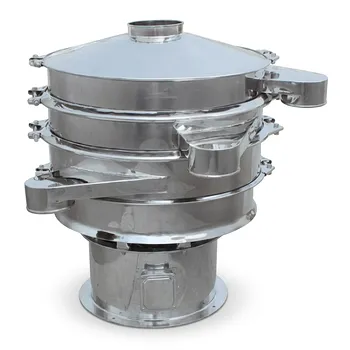
Stainless Steel Rotary Vibrating Sieve High Precision Circular Vibratory Separator Industrial Powder Grading Machine Multi Layer Sifting Equipment
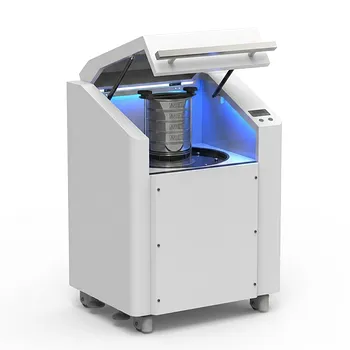
High Frequency Cabinet Type Three-Dimensional Rotary Vibrating Sieve Shaker for Dry Sieving and Particle Classification
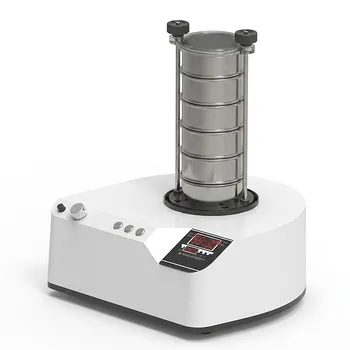
三维电磁微量振动筛分仪
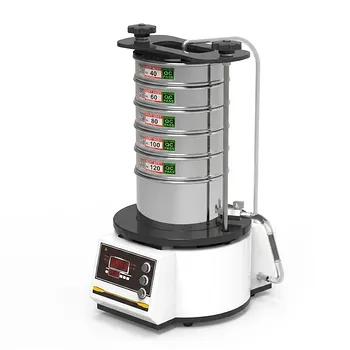
High Frequency Wet Three-Dimensional Vibrating Sieve Shaker for Dry and Wet Particle Size Analysis
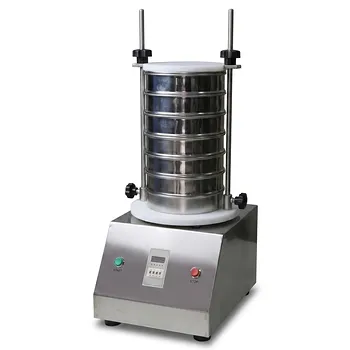
Laboratory Vibratory Test Sieve Shaker for Precision Particle Size Analysis and Powder Grading
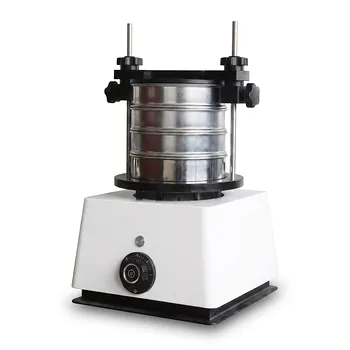
Small Laboratory Vibrating Sieve Shaker for Precise Particle Size Analysis
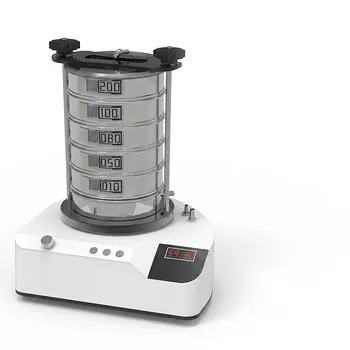
Heavy Duty Dry Three Dimensional Vibratory Sieve Shaker for Particle Separation
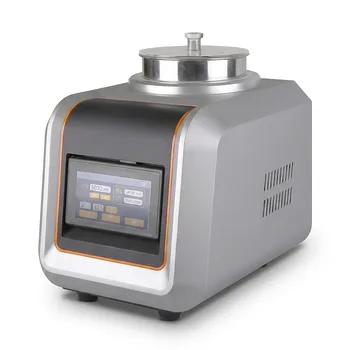
Laboratory Air Jet Sieving Machine for Fine Powder Particle Size Analysis and Deagglomeration
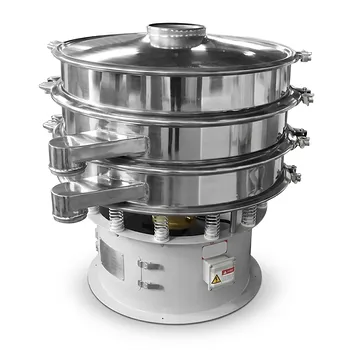
Three Dimensional Rotary Vibrating Sieve
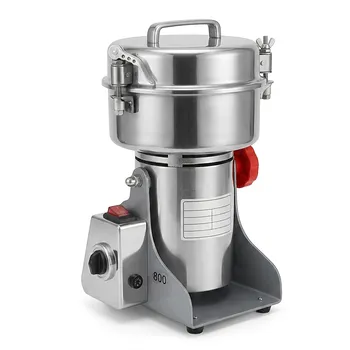
Small High-Speed Laboratory Grinder for Rapid Sample Preparation
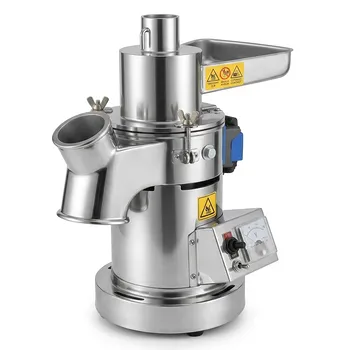
Continuous Feeding Grinder High Efficiency Pulverizer for Lab Sample Preparation
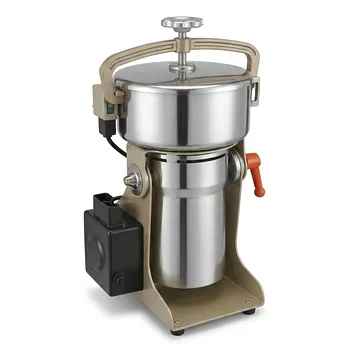
Multifunctional High Efficiency High Speed Laboratory Grinder
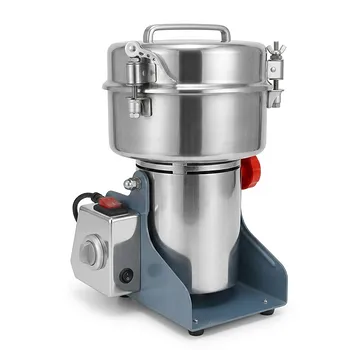
Small High-Speed Grinder for Efficient Laboratory Sample Preparation
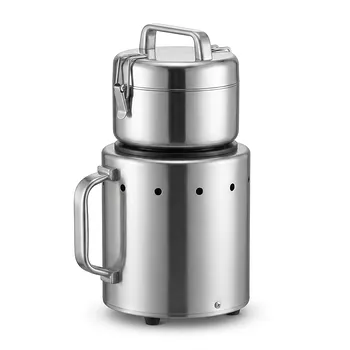
Small High Speed Grinder for Laboratory Sample Preparation
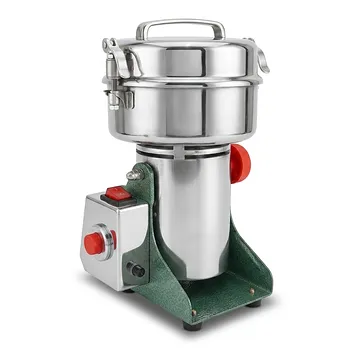
Small High-Speed Laboratory Grinder for Powder Processing
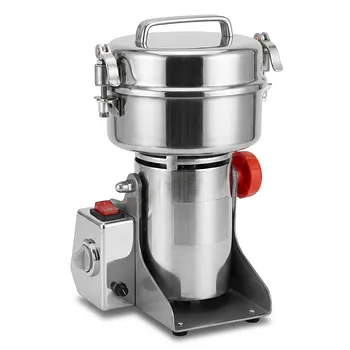
High Speed Laboratory Powder Grinder Small Batch Sample Preparation Mill
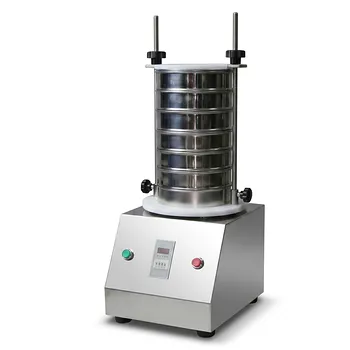
Small Laboratory Vibratory Sieve Shaker for Powder Gradation and Particle Size Analysis
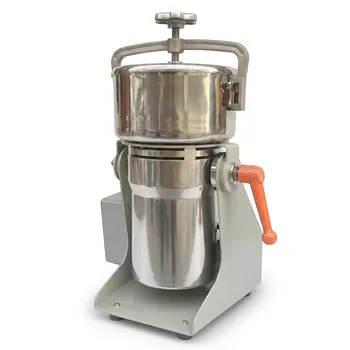
High Speed Laboratory Grinder Efficient Stainless Steel Powder Pulverizer Universal Material Science Mill for Sample Preparation
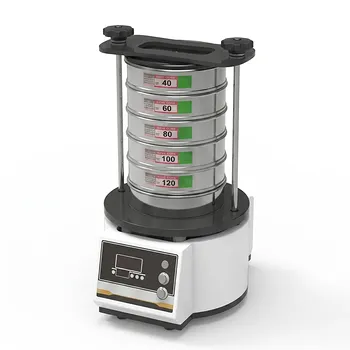
Dry Three Dimensional Vibratory Sieve Shaker