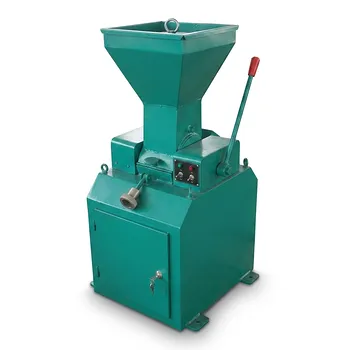
What is the purpose of using high-power crushers and vibratory sieve shakers for biomass? Optimize Reaction Kinetics.
Updated 3 months ago
The primary purpose of using high-power crushers and vibratory sieve shakers is to achieve extreme particle size uniformity and refinement. By processing raw waste biomass into a precise fine powder—often less than 0.25 mm—these tools ensure consistent heat conduction and eliminate internal thermal gradients during subsequent thermochemical processes like pyrolysis or gasification.
Achieving a specific, consistent particle size is the foundation of reliable biomass processing. It transforms irregular raw material into a standardized medium, ensuring that experimental kinetic data is accurate and that industrial conversion processes remain stable and efficient.
Achieving Kinetic Accuracy through Particle Size Control
Eliminating Internal Thermal Gradients
In thermochemical reactions, large or irregular particles heat unevenly, creating "hot spots" or cold cores. Using high-power crushers to reach a size of less than 0.25 mm ensures that heat conducts uniformly through the entire sample.
This uniformity minimizes internal thermal gradients, allowing the entire particle to reach the target temperature simultaneously. This is critical for researchers who need to isolate the true chemical behavior of the biomass from physical heat transfer delays.
Standardizing Reaction Kinetics
Precise sieving ensures that every particle in a batch has a consistent heating history. Without this, larger particles would react slower than smaller ones, leading to "noisy" or inaccurate kinetic data.
A vibratory sieve shaker allows operators to isolate specific fractions (such as 200 to 250 μm) to guarantee that reaction rates are reproducible. This level of control is essential for validating the scientific validity of experimental results.
Improving Operational Efficiency and Mass Transfer
Optimizing Mass Transfer and Diffusion
In processes like acid decrystallization or biorefining, chemical reagents must penetrate the biomass structure. Reducing particle size increases the surface-area-to-volume ratio, significantly lowering acid diffusion limitations.
Uniform particles prevent incomplete reactions that occur when reagents cannot reach the center of large chips. This leads to higher yields of desired products, such as lignin or fermentable sugars, and more accurate structural analysis.
Enhancing Feed Stability and Combustion
In industrial boilers and gasifiers, inconsistent particle sizes can lead to clogs in burner feeding systems. High-precision sieving provides the physical indicators necessary to optimize these systems for steady operation.
Consistent sizing also ensures combustion efficiency. When particles are uniform, they burn at a predictable rate, allowing operators to adjust air-to-fuel ratios with high precision.
Understanding the Trade-offs and Limitations
Energy Intensity and Operational Costs
High-power crushing is an energy-intensive process, particularly when targeting ultra-fine particles below 0.25 mm. The energy required to overcome the natural fibrous strength of woody biomass can represent a significant portion of total operational costs.
Operators must balance the need for refinement with the diminishing returns of further grinding. In some industrial applications, a slightly larger but uniform particle size may be more "techno-economically" viable than extreme pulverization.
Material Loss and "Fines" Generation
The use of vibratory sieves inherently involves the separation of material that does not meet the size criteria. This can result in a high percentage of "fines" or dust, which may be difficult to process or could pose dust explosion risks if not managed.
Furthermore, over-processing can lead to the loss of volatile components or changes in the biomass structure due to frictional heat generated during high-speed impact crushing.
How to Apply This to Your Project
Depending on your specific goals, the application of crushing and sieving should be tailored to the requirements of your downstream process.
- If your primary focus is Academic Kinetic Studies: Use high-power crushing and vibratory sieving to reach a particle size below 0.25 mm to eliminate heat and mass transfer variables.
- If your primary focus is Industrial Gasification or Combustion: Focus on achieving a uniform range (e.g., 200-250 μm) rather than maximum fineness to ensure stable feeder performance and consistent heating history.
- If your primary focus is Pelletization or Drying: Use sieving to isolate wood segments with uniform geometric dimensions to prevent inconsistent heating and ensure the mechanical durability of the final pellets.
- If your primary focus is Chemical Biorefining: Prioritize the removal of oversized particles through sieving to reduce diffusion limitations and prevent incomplete reactions in the reactor.
By precisely controlling the physical dimensions of biomass, you transition from handling unpredictable waste to managing a standardized, high-performance feedstock.
Summary Table:
| Key Objective | Primary Benefit | Technical Requirement |
|---|---|---|
| Kinetic Accuracy | Eliminates internal thermal gradients | Particle size < 0.25 mm |
| Mass Transfer | Reduces acid diffusion limitations | High surface-area-to-volume ratio |
| Feed Stability | Prevents feeder clogs in gasifiers | Uniform size range (e.g. 200-250 μm) |
| Reproducibility | Ensures consistent heating history | Precise vibratory sieving |
| Process Yield | Higher recovery of lignin/sugars | Removal of oversized particles |
Transform Your Biomass Research with Precision Sample Preparation
Achieving accurate kinetic data and stable industrial conversion starts with superior powder processing. At [Company Name], we provide complete laboratory sample preparation solutions tailored for material science and biomass innovation.
Our extensive equipment line is designed to help you achieve the exact particle size uniformity your project demands:
- Crushing & Milling: High-performance jaw/roll crushers and planetary ball, jet, or cryogenic grinders for ultra-fine refinement.
- Precision Sieving: Vibratory and air-jet sieve shakers to ensure absolute particle size distribution.
- Advanced Compaction: A full spectrum of hydraulic presses, including Cold/Warm Isostatic Presses (CIP/WIP) and vacuum hot presses for material characterization.
Ready to eliminate thermal gradients and standardize your feedstock? Contact our technical experts today to find the perfect solution for your laboratory or pilot plant.
References
- Qingyue Wang, K. Sugiyama. Reactivity for pyrolysis and co2 gasification of alkali metal loaded waste wood char. DOI: 10.2495/sdp-v9-n5-680-691
Mentioned Products
- Heavy Duty Industrial Jaw Crusher for Primary Ore Crushing and High Capacity Mineral Material Size Reduction
- High Speed Small Laboratory Crusher for Dry Material Sample Preparation
- Heavy-Duty Crusher for Laboratory and Industrial Material Size Reduction
- Heavy Duty Industrial Laboratory Jaw Crusher for Primary Sample Preparation and Hard Material Size Reduction
- High Efficiency High Speed Grinder 2200W 25000 RPM Laboratory Sample Preparation
People Also Ask
- What role does an industrial jaw crusher play in gangue slurry processing? Essential Primary Size Reduction Insights
- What is the function of an industrial jaw crusher in the primary processing of ironstone? Key to Efficient Reduction
- What is the role of industrial crushers and standard test sieves in biomass pyrolysis? Optimize Heat Transfer & Yield
- What is the function of a jaw crusher in reservoir sediment geopolymer synthesis? Primary Size Reduction Explained
- What is the role of jaw or roll crushers in the initial processing of copper ore samples? Essential Prep for Analysis

Tech Team · PowderPreparation
Last updated on Jun 03, 2026
Related Products
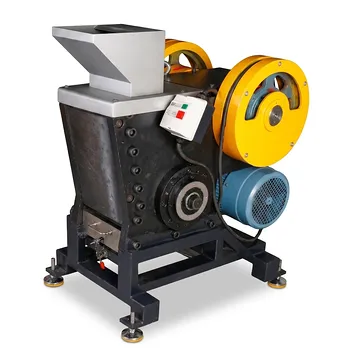
Heavy Duty Industrial Jaw Crusher for Primary Ore Crushing and High Capacity Mineral Material Size Reduction
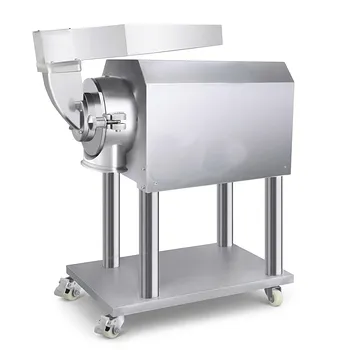
High Speed Small Laboratory Crusher for Dry Material Sample Preparation
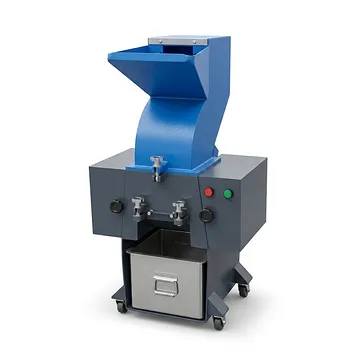
Heavy-Duty Crusher for Laboratory and Industrial Material Size Reduction
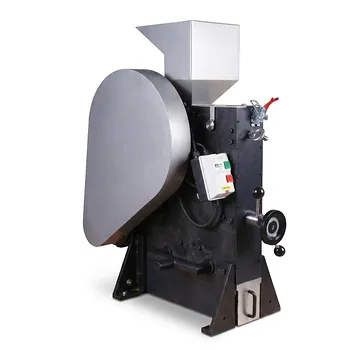
Heavy Duty Industrial Laboratory Jaw Crusher for Primary Sample Preparation and Hard Material Size Reduction
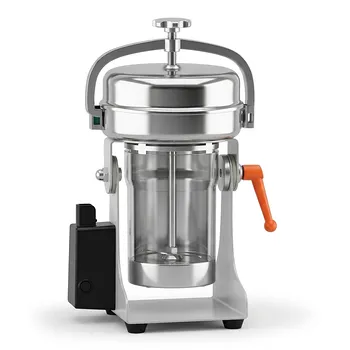
High Efficiency High Speed Grinder 2200W 25000 RPM Laboratory Sample Preparation
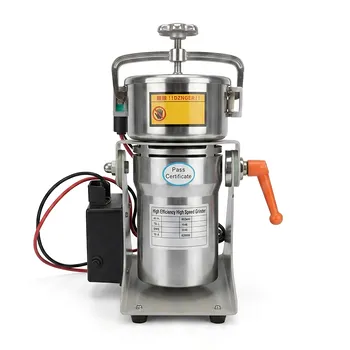
High Efficiency High Speed Grinder Laboratory Mill 1300W 25000rpm
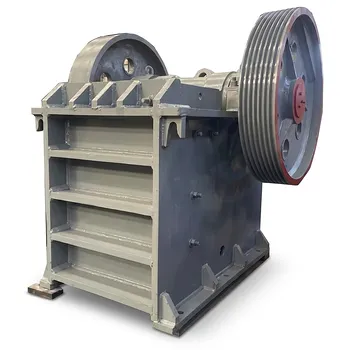
Heavy-Duty Jaw Crusher for Medium-Hard Ore and Industrial Mineral Crushing
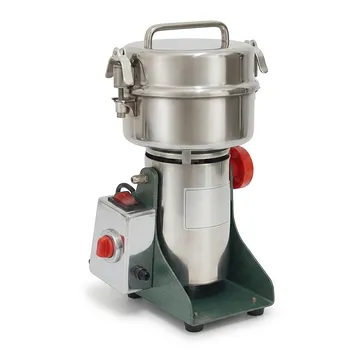
Small High Speed Grinder for Laboratory Sample Preparation
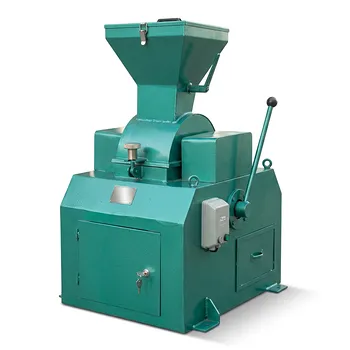
Laboratory Sealed Hammer Blade Crusher Divider for High Hardness Sample Preparation
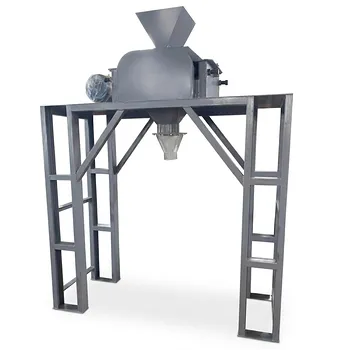
Heightened Customized Laboratory Double Roll Crusher for Coal Ore Rock Crushing
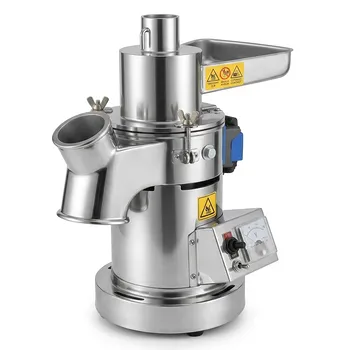
Continuous Feeding Grinder High Efficiency Pulverizer for Lab Sample Preparation
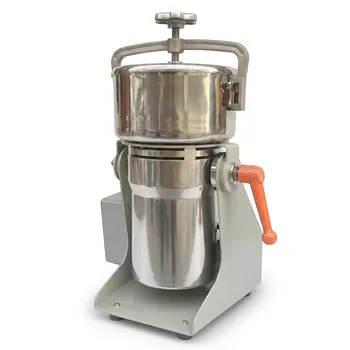
High Speed Laboratory Grinder Efficient Stainless Steel Powder Pulverizer Universal Material Science Mill for Sample Preparation
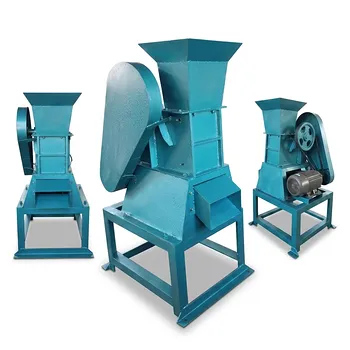
Custom Raised Height Laboratory Jaw Crusher for Precision Sample Preparation in Material Science
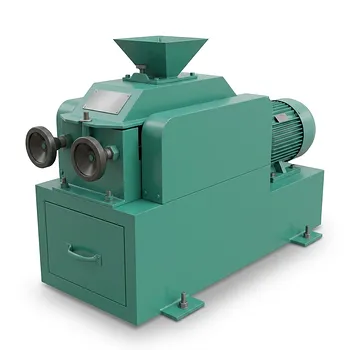
Horizontal Double Roll Crusher for Medium Fine Crushing of Coal Limestone and Ores
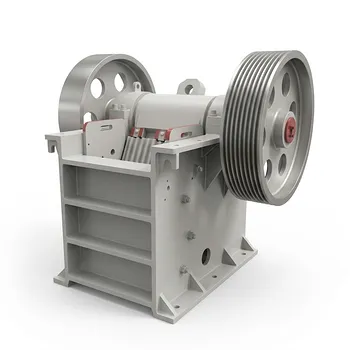
Jaw Crusher with 400x600mm Feed Opening for Primary Rock Crushing in Mining and Construction
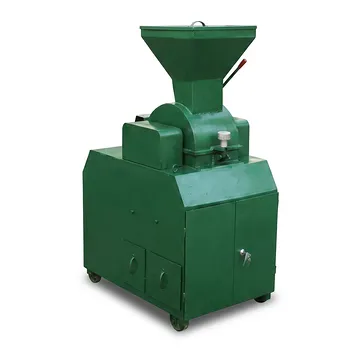
Industrial Sealed Hammer Knife Crusher for Mining Ore and Coal Sample Preparation
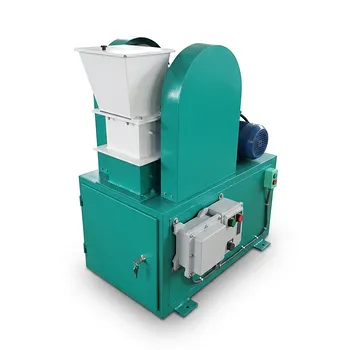
Custom Explosion-Proof Sealed Jaw Crusher for Laboratory and Industrial Sample Preparation
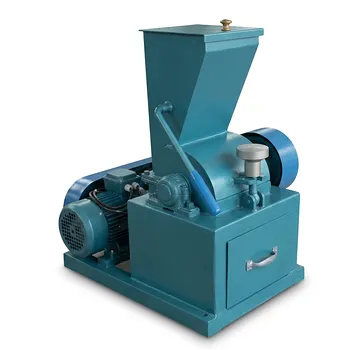
Small Hammer Crusher for Brittle Material Crushing in Mining Metallurgy and Lab Sample Preparation
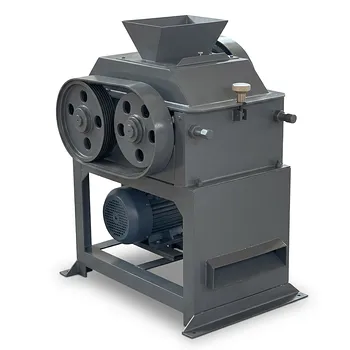
Sealed Laboratory Double Roll Crusher for Coal, Mineral, Ore Sample Preparation