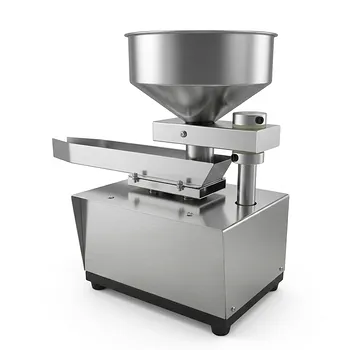
What is the purpose of using fine vibratory sieve shakers for silicon carbide slurry? Enhance Granulation & Uniformity
Updated 5 months ago
Processing dried silicon carbide slurry with a fine vibratory sieve shaker is primarily done to achieve granulation and remove oversized agglomerates. This critical step transforms bulk, dried material into uniform granule clusters, significantly improving the powder's flowability for subsequent mold filling and ensuring a consistent distribution during die pressing.
By refining the particle size distribution after the drying phase, manufacturers can eliminate macroscopic defects in the "green body" (the unfired ceramic), leading to a more reliable and structurally sound final product.
Achieving Granulation and Size Uniformity
Breaking Down Agglomerates
During the drying of silicon carbide slurry, particles often bond together into irregular, oversized chunks or agglomerates. A vibratory sieve shaker uses controlled mechanical force to break these clusters down or isolate them, ensuring that only particles within a specific size range proceed to the next stage.
Facilitating Consistent Particle Clusters
The sieving process, often referred to as granulation, organizes the dried material into uniform clusters. This consistency is vital because a mix of varied particle sizes can lead to uneven packing, which creates weak points in the ceramic structure.
Precise Physical Classification
Using high-mesh screens allows for the strict classification of particles into narrow ranges, such as 25–50 μm or 50–75 μm. This level of precision is necessary to control the secondary phase network of the silicon carbide matrix, which directly impacts the thermal and mechanical performance of the final composite.
Enhancing Manufacturing Efficiency and Quality
Improving Powder Flowability
Dried silicon carbide that has not been sieved often exhibits poor flow characteristics, sticking or clumping during transport. Granulated powder flows smoothly into molds, ensuring that every corner of a die is filled evenly and without air pockets.
Optimizing the Die Pressing Process
Uniform powder distribution is a prerequisite for successful die pressing. When the powder is consistent, the pressure applied during molding is distributed evenly, which reduces density gradients and prevents microscopic pores from forming within the green body.
Minimizing Internal Stress
By isolating specific particle diameters—such as 38 micrometers—vibratory shakers help minimize internal stress concentrations. This uniformity ensures that the mathematical models used to predict the material's strength remain accurate and that the final sintered body is less prone to fracturing.
Understanding the Trade-offs
Mechanical Wear and Contamination
The high-frequency vibration and impact actions required to rearrange and "jump" particles on the mesh can lead to screen wear. If a screen degrades, it can introduce metallic contaminants into the high-purity silicon carbide or allow oversized particles to pass through, compromising the entire batch.
Processing Speed vs. Precision
While automated vibratory shakers eliminate the random errors of manual sieving, achieving high precision with high-mesh screens (like 32μm apertures) can be time-consuming. Increasing the vibration intensity to speed up the process may cause particles to bounce off the mesh rather than passing through, leading to inaccurate grading.
Material Loss
During the removal of unintended large particles or "coarse agglomerates," a portion of the raw material is inevitably discarded. If the drying process was inefficient and created excessive clumping, the yield of usable granulated powder can decrease significantly, raising production costs.
How to Apply This to Your Project
Making the Right Choice for Your Goal
- If your primary focus is maximizing fracture strength: Use high-mesh screens to remove all coarse impurities and agglomerates that act as stress concentrators.
- If your primary focus is high-volume die pressing: Prioritize granulation to ensure maximum flowability and rapid, uniform mold filling.
- If your primary focus is thermoelectric performance: Utilize strict physical classification into narrow size ranges to ensure a uniform secondary phase network.
- If your primary focus is reducing macroscopic defects: Focus on the removal of oversized clusters to prevent density gradients in the green body.
Standardizing your silicon carbide powder through fine vibratory sieving is the most effective way to ensure predictable mechanical properties and high reliability in advanced ceramic manufacturing.
Summary Table:
| Process Goal | Key Benefit | Final Product Impact |
|---|---|---|
| Granulation | Improved Flowability | Faster, uniform mold filling |
| Agglomerate Removal | Size Uniformity | Reduced defects & internal stress |
| Precise Grading | Narrow Distribution | Optimized thermal/mechanical performance |
| Density Control | Minimized Gradients | Higher structural reliability & strength |
Optimize Your Silicon Carbide Processing Today
Achieve superior material reliability with our complete laboratory sample preparation solutions. We specialize in powder processing and compaction equipment tailored for material science.
Our extensive line includes high-precision vibratory and air-jet sieve shakers (with various test sieves and meshes) for perfect granulation, as well as a full spectrum of hydraulic presses—including Cold/Warm Isostatic Presses (CIP/WIP), XRF pellet presses, and vacuum hot presses—designed to eliminate density gradients and ensure flawless green bodies.
Ready to minimize internal stress and maximize the performance of your advanced ceramics? Contact our experts today to find the perfect equipment for your laboratory workflow!
References
- Yeongjun Oh, Hyun‐Sik Kim. Effect of carbon content on electrical, thermal, and mechanical properties of pressureless sintered SiC ceramics. DOI: 10.1111/jace.20562
Mentioned Products
- Vibratory Sieve Shaker Electromagnetic 3D Motion Powder Particle Size Analyzer for Dry and Wet Sieving
- Laboratory Dry and Wet Three Dimensional Vibratory Sieve Shaker for Particle Analysis
- Stainless Steel Laboratory Vibratory Test Sieve Shaker
- Heavy Duty Dry Three Dimensional Vibratory Sieve Shaker for Particle Separation
- Dry Three Dimensional Vibratory Sieve Shaker
People Also Ask
- How does a vibratory sieve shaker contribute to optimizing the performance of activated carbon? Enhance Adsorption Precision
- Why is a laboratory vibratory sieve shaker necessary for processing magnesium-based borate precursor powders? Boost Activity
- Why use a vibratory sieve shaker to verify coarse aggregate grading in rubberized concrete? Ensure Structural Integrity
- What function do vibratory sieve shakers and standard test sieves serve in the preparation of adsorbents? Key Guide
- What role does a vibratory sieve shaker play in the particle size analysis of ground corn products? Enhance QC Precision

Tech Team · PowderPreparation
Last updated on May 14, 2026
Related Products
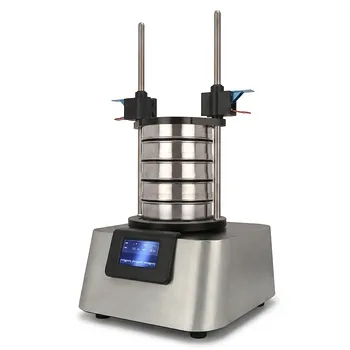
Vibratory Sieve Shaker Electromagnetic 3D Motion Powder Particle Size Analyzer for Dry and Wet Sieving
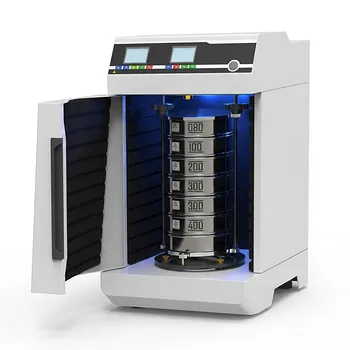
Laboratory Dry and Wet Three Dimensional Vibratory Sieve Shaker for Particle Analysis
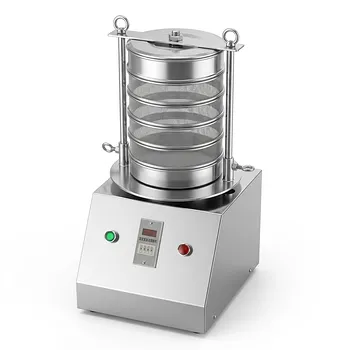
Stainless Steel Laboratory Vibratory Test Sieve Shaker
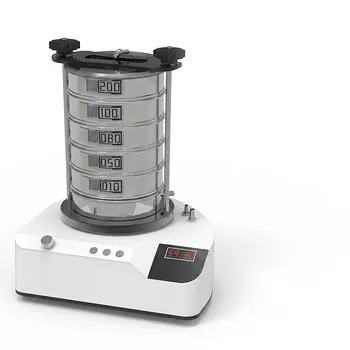
Heavy Duty Dry Three Dimensional Vibratory Sieve Shaker for Particle Separation
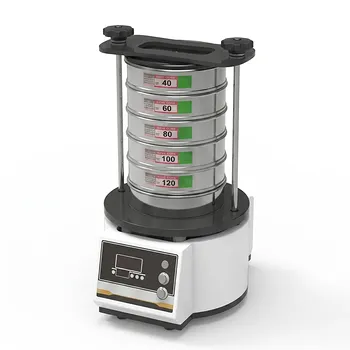
Dry Three Dimensional Vibratory Sieve Shaker
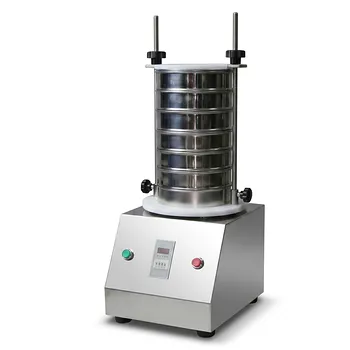
Small Laboratory Vibratory Sieve Shaker for Powder Gradation and Particle Size Analysis
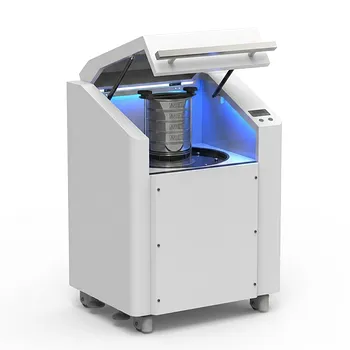
High Frequency Cabinet Type Three-Dimensional Rotary Vibrating Sieve Shaker for Dry Sieving and Particle Classification
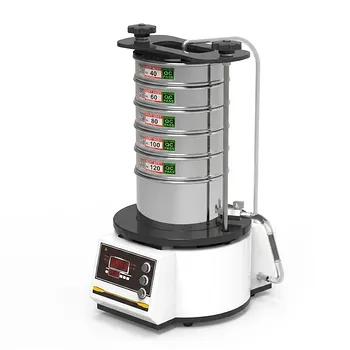
High Frequency Wet Three-Dimensional Vibrating Sieve Shaker for Dry and Wet Particle Size Analysis
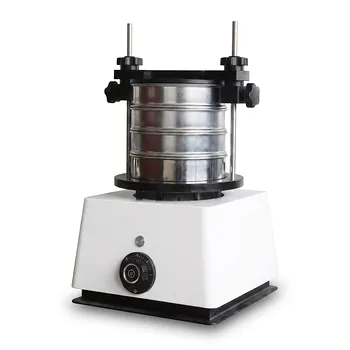
Small Laboratory Vibrating Sieve Shaker for Precise Particle Size Analysis
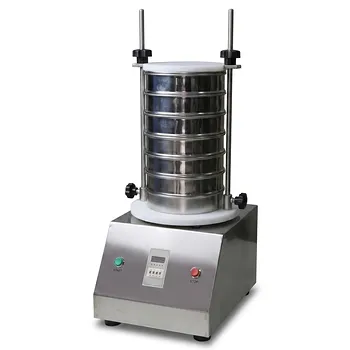
Laboratory Vibratory Test Sieve Shaker for Precision Particle Size Analysis and Powder Grading
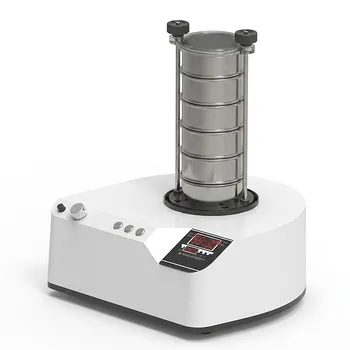
三维电磁微量振动筛分仪
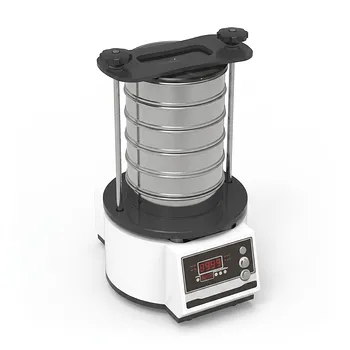
Tapping Oscillating Sieve Shaker for Dry and Wet Particle Size Analysis
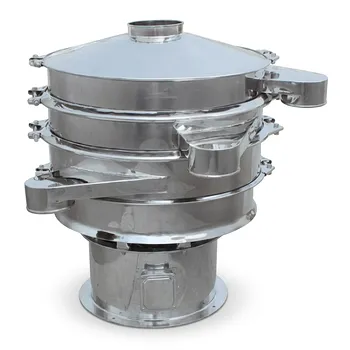
Stainless Steel Rotary Vibrating Sieve High Precision Circular Vibratory Separator Industrial Powder Grading Machine Multi Layer Sifting Equipment
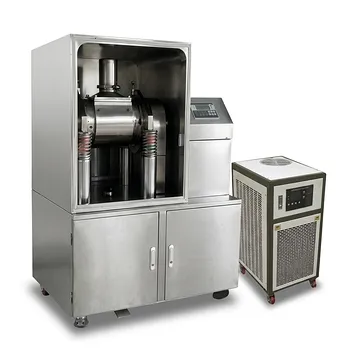
Small Vibrating Ultrafine Grinder for Traditional Chinese Medicine
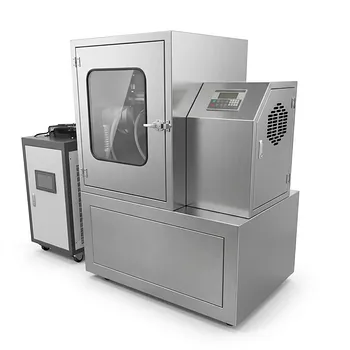
Vibratory Superfine Grinder for Ultra Fine Laboratory Powder Milling
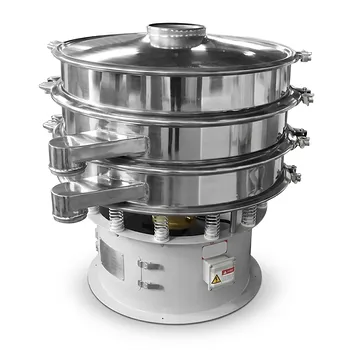
Three Dimensional Rotary Vibrating Sieve
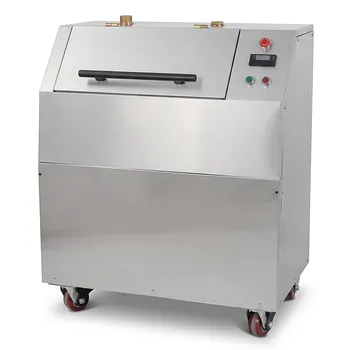
Vibratory Disc Mill for Rapid Fine Grinding and High Throughput Sample Preparation of Hard and Brittle Materials
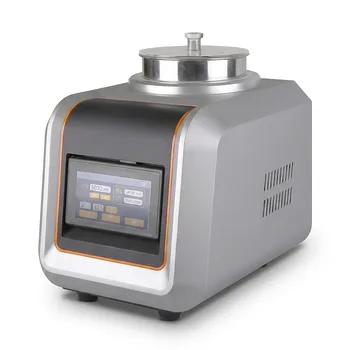
Laboratory Air Jet Sieving Machine for Fine Powder Particle Size Analysis and Deagglomeration