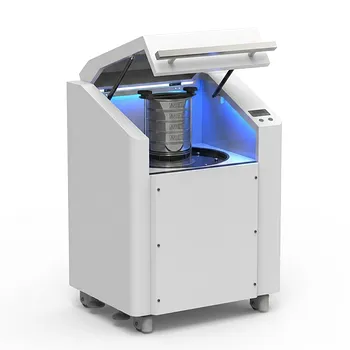
What is the purpose of using a test sieve for Ce-TZP powder before the molding stage? Improve Quality & Density
Updated 4 months ago
The primary purpose of using a test sieve for Ce-TZP powder is to eliminate hard particles and agglomerates formed during calcination and heat treatment. This process ensures a granulated powder with a uniform particle size distribution and superior flowability. These characteristics are essential for achieving consistent mold filling and preventing structural defects like micro-voids and delamination in the ceramic green body.
Sieving acts as a critical quality control bridge between powder synthesis and molding. By refining the particle size distribution, it ensures that the resulting ceramic structure is dense, homogeneous, and free from the localized weaknesses caused by irregular aggregates.
Eliminating Processing Artifacts
Removal of Calcination Agglomerates
During the calcination and decomposition stages, high temperatures can cause individual particles to fuse into hard clusters or "agglomerates." If left in the powder, these clusters act as structural inhomogeneities that do not break down during pressing.
Addressing Secondary Agglomeration
Beyond initial heat treatment, secondary agglomeration can occur during drying or storage as solvents evaporate or moisture is absorbed. Utilizing a standard test sieve ensures that these loose lumps are broken down or removed, maintaining the powder's granular integrity.
Filtration of Impurities
Sieving also serves as a final defense against unground impurities or debris introduced during ball milling. By using a specific mesh size, you ensure that only the refined, processed material enters the molding stage, protecting the purity of the Ce-TZP matrix.
Enhancing Molding Performance
Optimizing Powder Flowability
For a powder to fill a mold effectively, it must possess high flowability. A sieved powder, characterized by a uniform particle size, flows predictably into complex mold geometries without bridging or clogging.
Facilitating Uniform Mold Filling
Uniform filling is the prerequisite for a consistent green body density. When particles are graded through a sieve, they pack more efficiently under pressure, ensuring that the mass is distributed evenly throughout the entire volume of the mold.
Regulation of Microscopic Pore Structure
Precision sieving allows for the control of the median particle diameter, which directly influences the pore structure. This is especially critical in specialized applications, such as fabricating scaffolds where specific levels of porosity and breathability are required.
Ensuring Structural Integrity
Prevention of Micro-voids and Delamination
Large aggregates in the powder create "shadows" or gaps during the pressing process, leading to micro-voids. These voids are precursors to delamination, where layers of the ceramic separate, compromising the mechanical strength of the final product.
Consistency of the Sintered Body
By ensuring a consistent loose density before pressing, sieving prevents microstructural segregation. This uniformity ensures that the ceramic shrinks evenly during sintering, avoiding the internal stresses that lead to warping or cracking.
Understanding the Trade-offs
Mesh Size vs. Throughput
Selecting an extremely fine mesh can improve powder uniformity but significantly reduces processing speed. This can lead to bottlenecks in production and may require the use of vibratory sieve shakers to maintain acceptable throughput levels.
Material Loss and Contamination
Mechanical sieving carries a minor risk of media wear, where the sieve mesh itself may shed microscopic particles into the powder. Additionally, over-processing can lead to the loss of valuable material that falls outside the target size range, impacting overall yield.
How to Apply This to Your Project
Implementation Strategy
The following recommendations are based on standard industry practices for ceramic powder preparation:
- If your primary focus is structural reliability: Use a precision test sieve immediately after drying to ensure no hard aggregates enter the mold, as these are the leading cause of internal fracture points.
- If your primary focus is high-volume production: Integrate a vibratory sieve shaker to automate the grading process and maintain a consistent flow of granulated powder to your pressing station.
- If your primary focus is specialized porosity (e.g., scaffolds): Select a specific high-mesh sieve (such as 325 mesh) to strictly regulate the particle size distribution and control the resulting microscopic pore architecture.
- If your primary focus is 3D printing or extrusion: Employ a fine-aperture sieve (less than 45 micrometers) to prevent nozzle clogging and ensure a smooth, continuous flow of the ceramic paste.
Effective sieving transforms raw Ce-TZP powder into a high-performance feedstock, ensuring the reliability and longevity of the final ceramic component.
Summary Table:
| Process Phase | Action of Sieving | Benefit to Material |
|---|---|---|
| Pre-Molding | Removal of hard agglomerates | Eliminates structural inhomogeneities |
| Powder Prep | Filtration of unground impurities | Ensures high chemical purity of the matrix |
| Filling Stage | Optimization of flowability | Facilitates uniform mold filling and packing |
| Sintering | Regulation of particle distribution | Prevents micro-voids, warping, and cracking |
Elevate Your Material Performance with [Your Brand Name]
Achieving superior structural integrity in Ce-TZP ceramics requires precision at every step. [Your Brand Name] provides complete laboratory sample preparation solutions for material science, specializing in high-performance powder processing and compaction equipment.
From refining your feedstock to final molding, our extensive product lines ensure consistency and reliability:
- Sieving & Milling: Maintain perfect particle size distribution with our vibratory/air-jet sieve shakers, precision test sieves, and advanced mills (planetary ball, jet, and cryogenic grinders).
- Crushing & Mixing: Prepare raw materials with our jaw/roll crushers and achieve perfect homogeneity with specialized powder and defoaming mixers.
- Advanced Compaction: Produce high-density green bodies using our full spectrum of hydraulic presses, including Cold/Warm Isostatic Presses (CIP/WIP), vacuum hot presses, and XRF pellet presses.
Ready to optimize your laboratory workflow? Contact our technical experts today to discover how our end-to-end solutions can enhance your research and production quality.
References
- Maoyin Li, Fei Zhang. Tough and damage-tolerant monolithic zirconia ceramics with transformation-induced plasticity by grain-boundary segregation. DOI: 10.1016/j.jeurceramsoc.2022.11.069
Mentioned Products
- Laboratory Vibratory Test Sieve Shaker for Precision Particle Size Analysis and Powder Grading
- Small Laboratory Vibrating Sieve Shaker for Precise Particle Size Analysis
- 三维电磁微量振动筛分仪
- Laboratory Air Jet Sieving Machine for Fine Powder Particle Size Analysis and Deagglomeration
- High Frequency Wet Three-Dimensional Vibrating Sieve Shaker for Dry and Wet Particle Size Analysis
People Also Ask
- What role does a laboratory sieve shaker play in determining PDI? Achieve Precision in Biomass Quality Testing
- What are the functions of sieve shakers for coconut shell powder? Achieve Precise Particle Size & Quality Control.
- What function does a laboratory sieve shaker perform in the PSD analysis of residual soil? Ensure Precise Grading
- What is the role of a laboratory sieve shaker in the preparation of plantain peel adsorbents? Standardize Particle Size
- What is the function of a laboratory vibratory sieve shaker? Enhance Coal Particle Size Distribution (PSD) Analysis

Tech Team · PowderPreparation
Last updated on May 14, 2026
Related Products
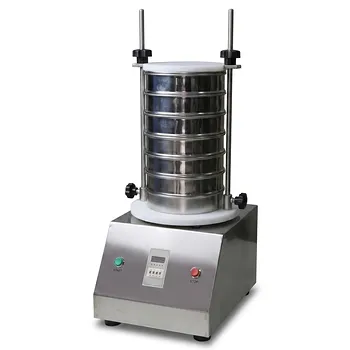
Laboratory Vibratory Test Sieve Shaker for Precision Particle Size Analysis and Powder Grading
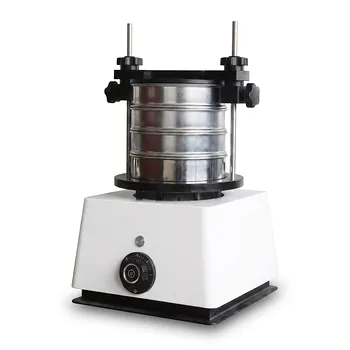
Small Laboratory Vibrating Sieve Shaker for Precise Particle Size Analysis
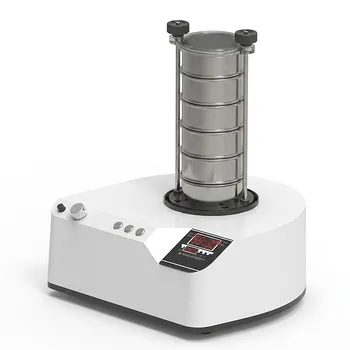
三维电磁微量振动筛分仪
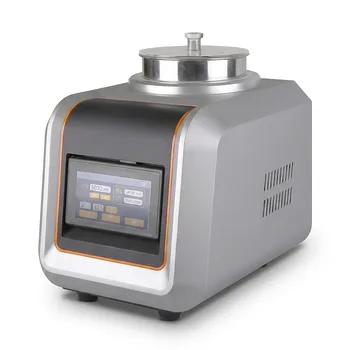
Laboratory Air Jet Sieving Machine for Fine Powder Particle Size Analysis and Deagglomeration
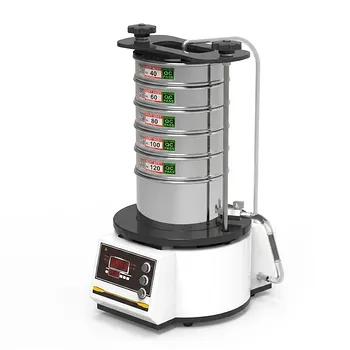
High Frequency Wet Three-Dimensional Vibrating Sieve Shaker for Dry and Wet Particle Size Analysis
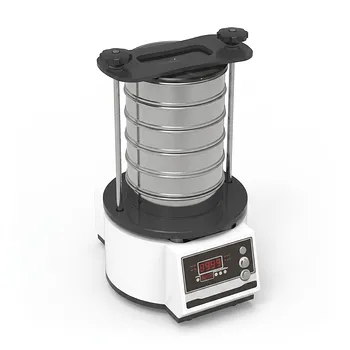
Tapping Oscillating Sieve Shaker for Dry and Wet Particle Size Analysis
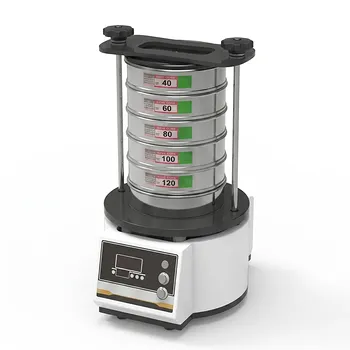
Dry Three Dimensional Vibratory Sieve Shaker
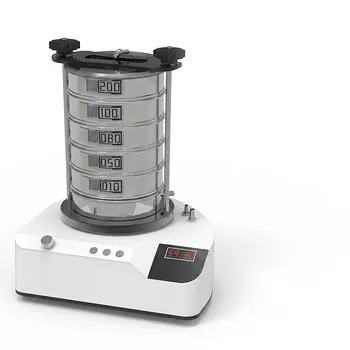
Heavy Duty Dry Three Dimensional Vibratory Sieve Shaker for Particle Separation
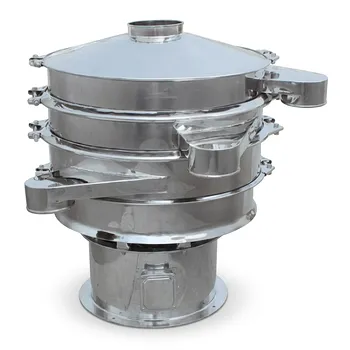
Stainless Steel Rotary Vibrating Sieve High Precision Circular Vibratory Separator Industrial Powder Grading Machine Multi Layer Sifting Equipment
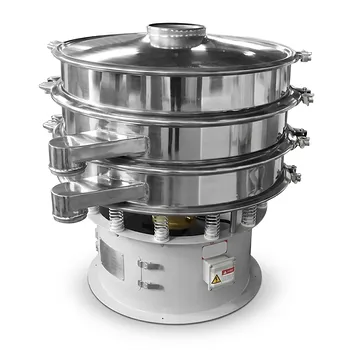
Three Dimensional Rotary Vibrating Sieve