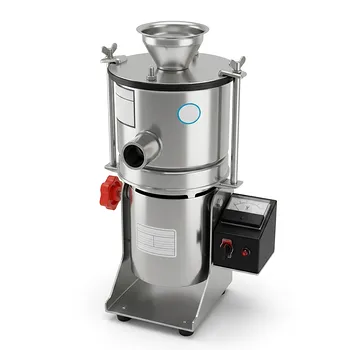
Why use analytical-grade test sieves for recycled PVC? Master PSD for superior characterization and performance.
Updated 5 months ago
The primary purpose of using analytical-grade test sieves is to accurately determine the Particle Size Distribution (PSD) of recycled PVC powder. By fractionating the material through a series of precise apertures—such as 0.8mm, 0.6mm, and 0.4mm—technicians can calculate the weight of the powder intercepted at each level. This quantitative data allows for the creation of cumulative distribution curves, which are essential for validating that the recycled material meets the specific mechanical and chemical requirements of downstream manufacturing.
To ensure high-quality PVC recycling, analytical sieving acts as the definitive benchmark for particle consistency. This data is critical because the size of the particles directly dictates the material's viscosity, processing efficiency, and the structural integrity of the final product.
Quantifying Particle Size Distribution (PSD)
Establishing Cumulative Distribution Curves
Analytical-grade sieves are stacked in descending order of aperture size to segment the powder into distinct fractions. By weighing the mass retained on each sieve, operators can plot distribution curves that reveal the homogeneity of the recycled batch.
Predicting Material Performance
The particle size of PVC powder is a primary driver of viscosity in plastisols and the resulting morphology of foaming layers. Accurate sieving ensures that the powder will behave predictably during thermal processing, preventing defects in the final product.
Enhancing Mechanical Strength
Consistent particle size, such as the 200-212 μm range often targeted in high-performance polymers, ensures uniform distribution within resin matrices. This uniformity is vital for maximizing transverse strength and minimizing internal stress concentrations in the finished part.
Optimizing the Recycling Workflow
Removing Impurities and Contaminants
Test sieves serve as a critical filter to separate unground impurities and foreign materials, such as PET fibers, from the PVC stream. This cleaning process protects downstream equipment and ensures the purity of the regenerated raw material.
Calibrating Grinding and Pulverization
Sieve analysis provides immediate feedback on the efficiency of the ball-milling or pulverization process. If a high percentage of "coarse" material is retained, it signals the need to redirect the powder for re-grinding or to adjust the machinery parameters.
Standardizing Product Grading
Using laboratory-grade vibratory shakers allows for repeatable quantitative analysis that forms the basis of product grading. This standardization allows recyclers to sell their materials based on verified size specifications, increasing the market value of the recycled resin.
Understanding the Trade-offs
The Risk of Sieve Blinding
Fine PVC powder can often "blind" or clog the mesh of a sieve, particularly if the material has a high static charge or residual moisture. This can lead to inaccurate distribution data and requires the use of specialized cleaning methods or vibratory assistance to maintain precision.
Throughput vs. Analytical Precision
While an integrated vibrating sieve allows for real-time classification during production, it may lack the extreme precision of a stationary laboratory-grade test set. Technical teams must balance the need for rapid, high-volume screening with the necessity of periodic, highly detailed analytical audits.
Applying Sieving Data to Your Operations
How to Apply This to Your Project
To maximize the value of your recycled PVC powder, your sieving strategy should align with your specific manufacturing goals.
- If your primary focus is process optimization: Use sieving data to calibrate your pulverizer's RPM and feed rate to minimize the volume of coarse powder requiring re-grinding.
- If your primary focus is product quality: Invest in a laboratory-grade vibratory shaker to establish strict PSD grading standards that guarantee consistent viscosity for your customers.
- If your primary focus is mechanical performance: Utilize fine-mesh sieves (e.g., 200 μm) to ensure the dimensional consistency of fillers, which directly improves the strength of the final resin matrix.
By treating particle size as a controllable variable rather than an accidental outcome, you transform recycled waste into a high-performance engineering material.
Summary Table:
| Key Function | Benefit to Recycling Process | Target Parameter |
|---|---|---|
| PSD Determination | Validates material specs for downstream use | Particle Size Distribution (μm) |
| Performance Prediction | Ensures consistent viscosity and structural integrity | Material Morphology & Flow |
| Impurity Removal | Protects equipment by filtering PET fibers/contaminants | Raw Material Purity |
| Grinding Calibration | Optimizes pulverizer RPM and reduces re-grind waste | Processing Efficiency |
| Product Grading | Increases market value through verified standardization | Quality Classification |
Transform Your Recycled PVC into High-Performance Raw Material
Achieving consistent particle size is the foundation of high-quality polymer engineering. At [Company Name], we provide complete laboratory sample preparation solutions for material science, specializing in advanced powder processing and compaction equipment.
Whether you need to optimize your grinding workflow or establish rigorous quality benchmarks, our extensive product lines are designed to deliver precision:
- Size Reduction: Crushers (jaw/roll), liquid nitrogen cryogenic grinders, and high-efficiency mills (planetary ball, jet, sand/bead, disc, rotor).
- Particle Analysis: Professional vibratory and air-jet sieve shakers with a wide range of analytical-grade test sieves.
- Mixing & Homogenization: Precision powder mixers and defoaming mixers.
- Sample Compaction: A full spectrum of hydraulic presses, including Cold/Warm Isostatic Presses (CIP/WIP), XRF pellet presses, and vacuum hot presses for material testing.
Ready to enhance your lab's precision and product value?
Contact our technical experts today to find the perfect equipment for your PVC recycling and characterization needs!
References
- Walid Chaouch, Slah Msahli. Development of a reliable and efficient combined grinding and separation process for PVC-coated fabric waste. DOI: 10.5802/crchim.258
Mentioned Products
- Laboratory Vibratory Test Sieve Shaker for Precision Particle Size Analysis and Powder Grading
- Small Laboratory Vibratory Sieve Shaker for Powder Gradation and Particle Size Analysis
- Laboratory Air Jet Sieving Machine for Fine Powder Particle Size Analysis and Deagglomeration
- Stainless Steel Rotary Vibrating Sieve High Precision Circular Vibratory Separator Industrial Powder Grading Machine Multi Layer Sifting Equipment
- High Speed Laboratory Grinder Efficient Stainless Steel Powder Pulverizer Universal Material Science Mill for Sample Preparation
People Also Ask
- What role does a laboratory sieve shaker play in determining PDI? Achieve Precision in Biomass Quality Testing
- What are the functions of sieve shakers for coconut shell powder? Achieve Precise Particle Size & Quality Control.
- What function does a laboratory sieve shaker perform in the PSD analysis of residual soil? Ensure Precise Grading
- What is the role of a laboratory sieve shaker in the preparation of plantain peel adsorbents? Standardize Particle Size
- What is the function of a laboratory vibratory sieve shaker? Enhance Coal Particle Size Distribution (PSD) Analysis

Tech Team · PowderPreparation
Last updated on May 14, 2026
Related Products
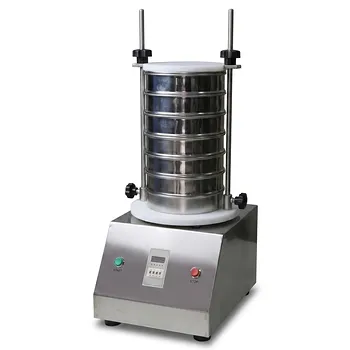
Laboratory Vibratory Test Sieve Shaker for Precision Particle Size Analysis and Powder Grading
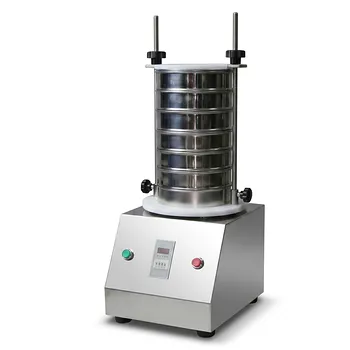
Small Laboratory Vibratory Sieve Shaker for Powder Gradation and Particle Size Analysis
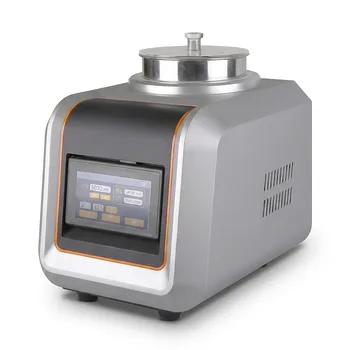
Laboratory Air Jet Sieving Machine for Fine Powder Particle Size Analysis and Deagglomeration
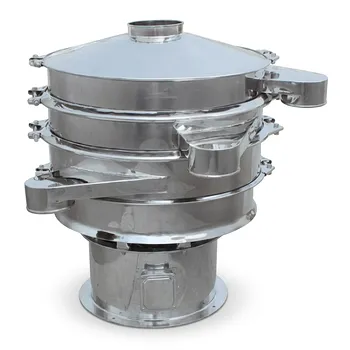
Stainless Steel Rotary Vibrating Sieve High Precision Circular Vibratory Separator Industrial Powder Grading Machine Multi Layer Sifting Equipment
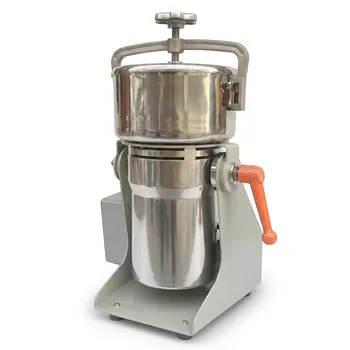
High Speed Laboratory Grinder Efficient Stainless Steel Powder Pulverizer Universal Material Science Mill for Sample Preparation
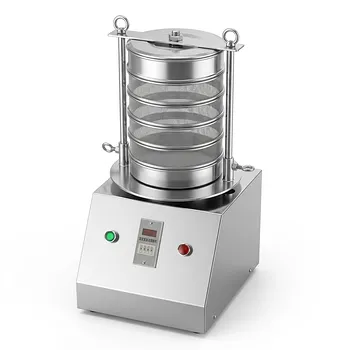
Stainless Steel Laboratory Vibratory Test Sieve Shaker
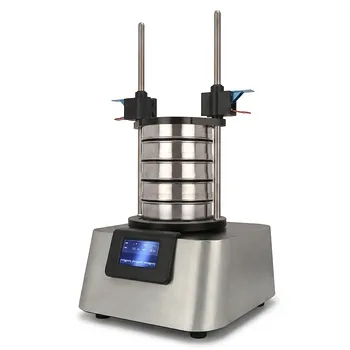
Vibratory Sieve Shaker Electromagnetic 3D Motion Powder Particle Size Analyzer for Dry and Wet Sieving
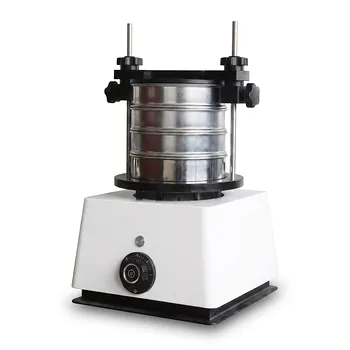
Small Laboratory Vibrating Sieve Shaker for Precise Particle Size Analysis
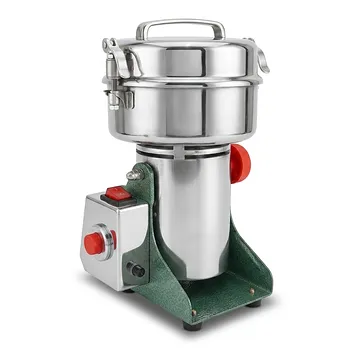
Small High-Speed Laboratory Grinder for Powder Processing
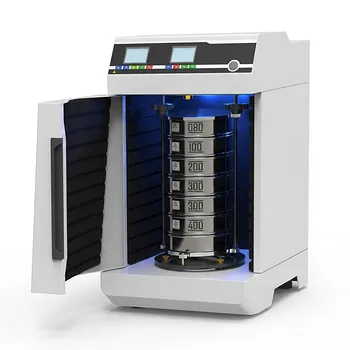
Laboratory Dry and Wet Three Dimensional Vibratory Sieve Shaker for Particle Analysis
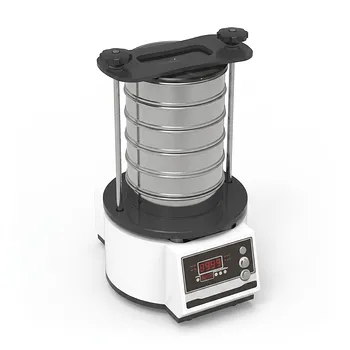
Tapping Oscillating Sieve Shaker for Dry and Wet Particle Size Analysis
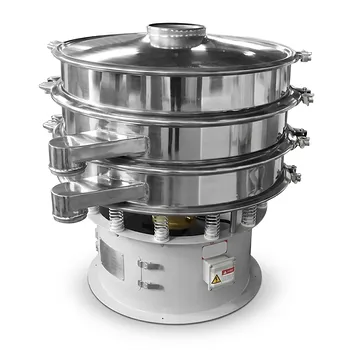
Three Dimensional Rotary Vibrating Sieve
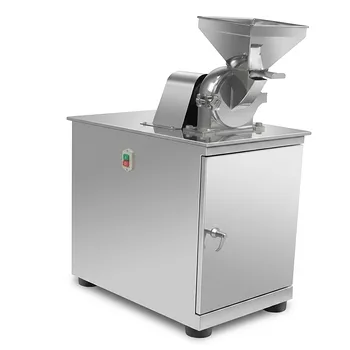
Universal Laboratory Pulverizer Grinder for Small Batch Powder Processing and Material Science Research
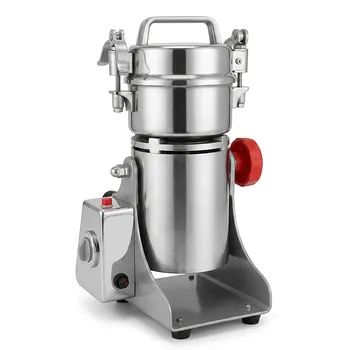
Industrial High Speed Small Sample Pulverizer Swing Type Laboratory Grinder for Powder Processing
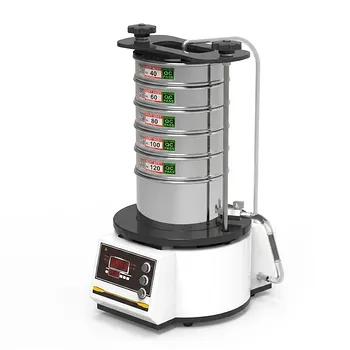
High Frequency Wet Three-Dimensional Vibrating Sieve Shaker for Dry and Wet Particle Size Analysis
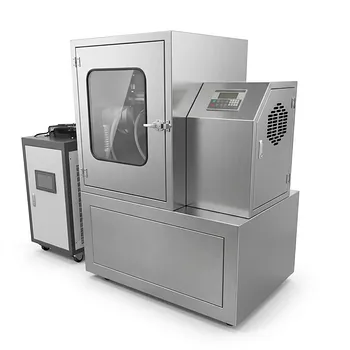
Vibratory Superfine Grinder for Ultra Fine Laboratory Powder Milling