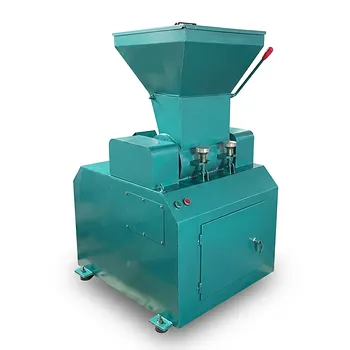
What is the purpose of using a laboratory hydraulic press when molding PLA films? Achieve Precision and Uniformity.
Updated 4 months ago
The primary purpose of a laboratory hydraulic press in PLA composite film production is to transform raw granular or powder materials into standardized, high-density specimens with uniform thickness. This process uses precisely controlled heat and pressure to eliminate internal pores and air bubbles, ensuring the structural consistency required for accurate scientific testing.
A laboratory hydraulic press serves as the critical bridge between raw composite mixtures and standardized test samples. By simultaneously applying thermal energy and mechanical pressure, it removes structural defects like voids to ensure that subsequent data—such as mechanical strength or degradation rates—is both accurate and reproducible.
Achieving Structural Uniformity and Precision
Precise Thickness Control
A hydraulic press allows researchers to produce films with a specific, uniform thickness, such as 200 µm or 0.3 mm. This precision is achieved by compressing the molten PLA mixture within high-precision stainless steel molds under constant pressure.
Elimination of Voids and Porosity
High pressure (often ranging from 50 bar to 20 kN) is essential for expelling air bubbles trapped within the resin or powder mixture. By removing these internal pores, the press creates a dense, non-porous film that reflects the true properties of the material.
Ensuring Sample Standardization
Standardized specimens are a prerequisite for reliable laboratory analysis. Consistent dimensions and internal structures allow for valid comparisons during water vapor permeability analysis, soil burial degradation experiments, and mechanical property evaluations.
Enhancing Material Integrity and Interaction
Optimizing Filler Encapsulation
In PLA-based composites, the press ensures that the molten polymer fully encapsulates filler particles, such as basalt powder, alpha-TCP, or nMgO. This high-pressure "anchoring" is vital for creating a strong interface between the matrix and the reinforcement.
Promoting Particle Contact
Mechanical compression reduces the distance between individual particles, increasing contact points. These physical prerequisites are necessary for element diffusion and solid-state reactions during the molding process, resulting in higher structural strength.
Preventing Deformation
The accurate pressure-holding function of a hydraulic press prevents the formation of density gradients within the film. This stability ensures that samples do not warp, crack, or deform during subsequent heat treatments or cooling cycles.
Understanding the Trade-offs
Thermal Degradation Risks
While heat (often around 170 °C) is necessary to melt the PLA, prolonged exposure can lead to polymer degradation. Finding the balance between sufficient flow and minimal thermal dwell time is a common challenge in hydraulic pressing.
Pressure-Related Stress
Applying excessive pressure can sometimes induce internal residual stresses in the composite film. If the pressure is released too quickly or the cooling is uneven, these stresses may lead to micro-cracking or brittleness in the final specimen.
Manual vs. Digital Precision
Manual hydraulic presses require high operator skill to maintain consistent load levels. In contrast, automated systems provide better repeatability, which is critical when producing large batches of samples for statistical analysis.
Making the Right Choice for Your Goal
How to Apply This to Your Project
- If your primary focus is Mechanical Strength Testing: Prioritize high-pressure settings to ensure the complete expulsion of air bubbles, as internal voids act as stress concentrators that prematurely fail samples.
- If your primary focus is Thermal Analysis (DSC/TGA): Focus on precise temperature control and uniform thickness to ensure consistent heat flow through the sample during testing.
- If your primary focus is Composite Development with Fillers: Use the press to ensure the PLA matrix tightly encapsulates the additive particles, maximizing the reinforcement effect of the filler.
By mastering the variables of heat and pressure, you ensure that your PLA composite films are a true reflection of your material's engineered potential.
Summary Table:
| Key Function | Primary Benefit | Target Parameters |
|---|---|---|
| Thickness Control | Ensures uniform dimensions for valid testing | 200 µm to 0.3 mm |
| Void Elimination | Removes air bubbles to increase density | 50 bar to 20 kN |
| Thermal Processing | Optimizes polymer melting & filler bonding | ~170 °C |
| Standardization | Guarantees reproducible scientific data | Structural Integrity |
| Filler Interaction | Anchors PLA matrix to basalt/nMgO particles | Strong Interfaces |
Elevate Your Material Science Research with Precision Sample Preparation
At [Your Brand Name], we specialize in providing complete laboratory sample preparation solutions for material science, ensuring your PLA composites and advanced materials meet the highest standards of structural integrity. Our equipment is designed to eliminate voids, ensure uniformity, and provide the repeatability required for accurate scientific analysis.
Our Extensive Product Lines Include:
- Hydraulic Presses: A full spectrum including Cold/Warm Isostatic Presses (CIP/WIP), standard lab presses, XRF pellet presses, and vacuum hot presses for perfect film molding and compaction.
- Powder Processing & Grinding: High-performance crushers (jaw/roll), liquid nitrogen cryogenic grinders, and various mills (planetary ball, jet, sand/bead, disc, rotor).
- Mixing & Sifting: Precision powder mixers, defoaming mixers, and vibratory/air-jet sieve shakers with specialized test sieves.
Don't let sample defects compromise your research data. Contact us today to find the perfect equipment solution for your laboratory needs and achieve superior material performance.
References
- Roberta Capuano, Maria Emanuela Errico. Enhancement of Stability Towards Aging and Soil Degradation Rate of Plasticized Poly(lactic Acid) Composites Containing Ball-Milled Cellulose. DOI: 10.3390/polym17152127
Mentioned Products
- 6-Ton Small Single-Punch Tablet Press — Laboratory Powder & Granule Tableting Equipment / Tablet Forming Machine
- 5 Ton Single Punch Tablet Press Laboratory Small Batch Production
- Manual Tablet Press with Dual Scale Pressure Gauge for Pharmaceutical Food Chemical Laboratory Sample Preparation
- 6 Ton Variable Frequency Single Punch Tablet Press
- Laboratory Double Roll Crusher for Medium Hardness Materials Coal Ore Sample Preparation
People Also Ask
- What is the function of a laboratory press in Cr-Ti alloy evaluation? Quantify Fracture Stress & Strength
- What is the function of a laboratory press in assessing the hydrophobic performance of modified vermiculite fillers?
- What is the core function of a laboratory press in the forming of ceramic filter element green bodies? Maximize Density.
- What is the function of a laboratory press in the preparation of ceramic feed rods? Master Density and Precision
- Why is vacuum sealing and flexible packaging necessary for Aluminum Titanate powders during CIP? Ensure Peak Density

Tech Team · PowderPreparation
Last updated on Jun 03, 2026
Related Products
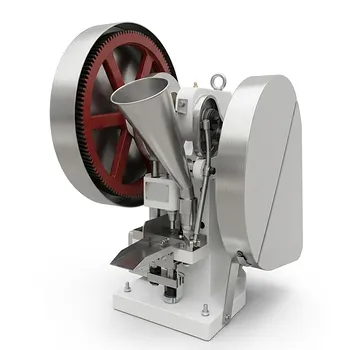
6-Ton Small Single-Punch Tablet Press — Laboratory Powder & Granule Tableting Equipment / Tablet Forming Machine
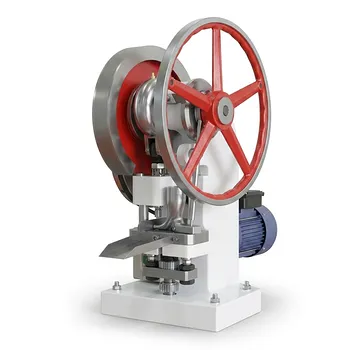
5 Ton Single Punch Tablet Press Laboratory Small Batch Production
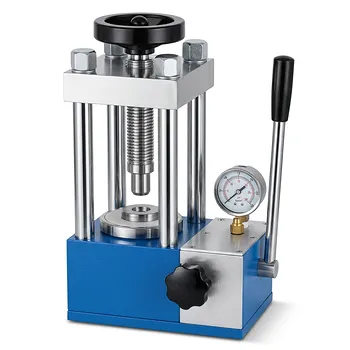
Manual Tablet Press with Dual Scale Pressure Gauge for Pharmaceutical Food Chemical Laboratory Sample Preparation
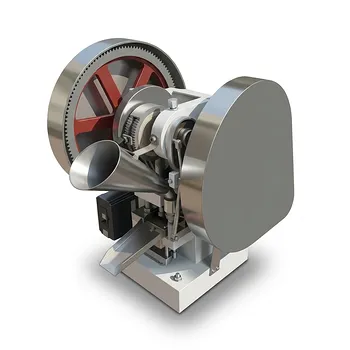
6 Ton Variable Frequency Single Punch Tablet Press
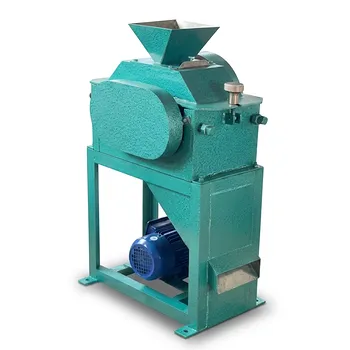
Laboratory Double Roll Crusher for Medium Hardness Materials Coal Ore Sample Preparation
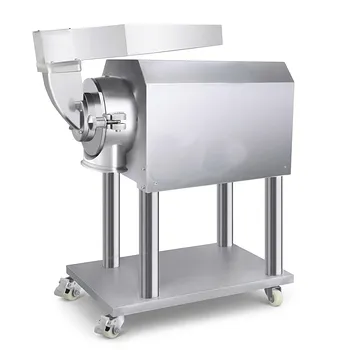
High Speed Small Laboratory Crusher for Dry Material Sample Preparation
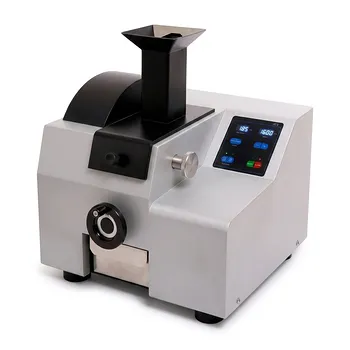
Laboratory Benchtop Jaw Crusher for Hard Brittle Materials Primary Size Reduction and Sample Preparation
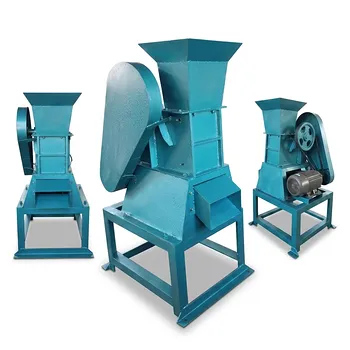
Custom Raised Height Laboratory Jaw Crusher for Precision Sample Preparation in Material Science
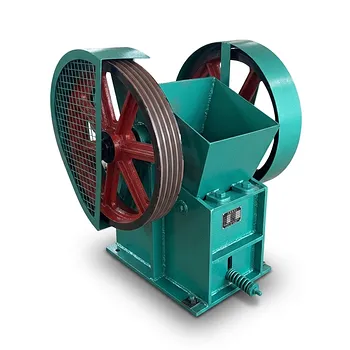
150x250mm Laboratory Jaw Crusher for Medium Hard Material Crushing and Sample Preparation
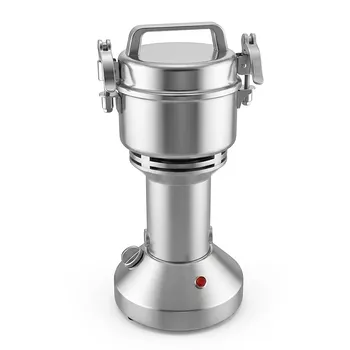
Small High Speed Upright Grinder for Laboratory Sample Preparation
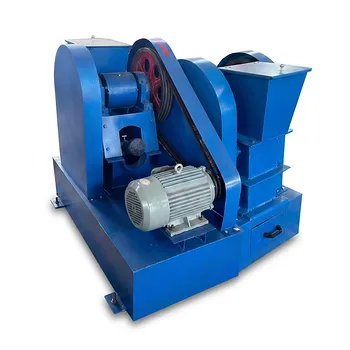
Horizontal Jaw Crusher Medium Hard Material Crushing Laboratory Sample Preparation Equipment
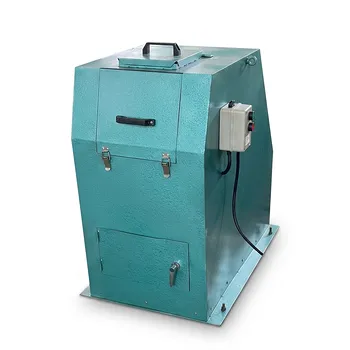
Environmentally Friendly Sealed Laboratory Jaw Crusher for Sample Preparation
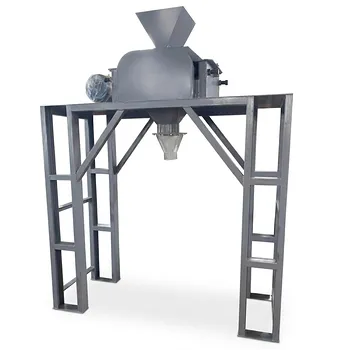
Heightened Customized Laboratory Double Roll Crusher for Coal Ore Rock Crushing
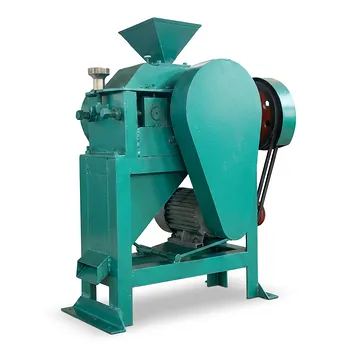
Laboratory Sealed Double Roll Crusher for Coal Ore Rock and Medium Hardness Materials Sample Preparation
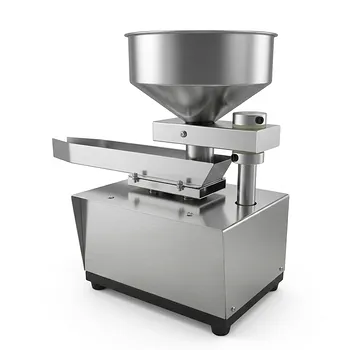
Automatic Vibrating Powder Feeder for Laboratory Material Processing Precision Vibratory Hopper Feeder for Granular and Powder Material Handling Industrial Grade Vibrating Tray Feeder for Consistent Material Sample Preparation
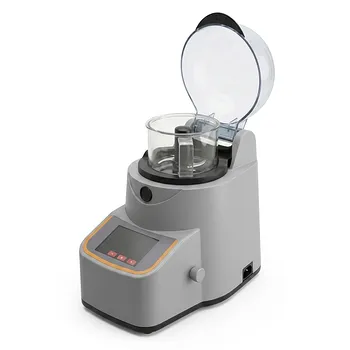
Industrial Knife Mill for Food and Biological Sample Preparation High Speed Laboratory Homogenizer
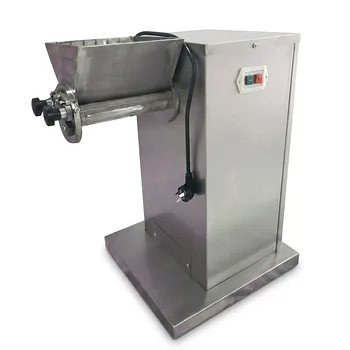
Small Laboratory Oscillating Granulator for Wet and Dry Granulation Processing
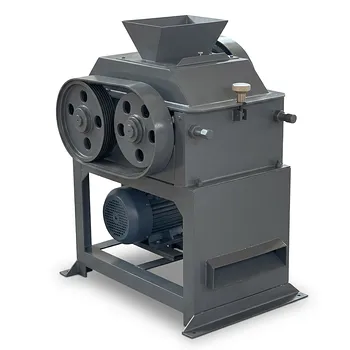
Sealed Laboratory Double Roll Crusher for Coal, Mineral, Ore Sample Preparation
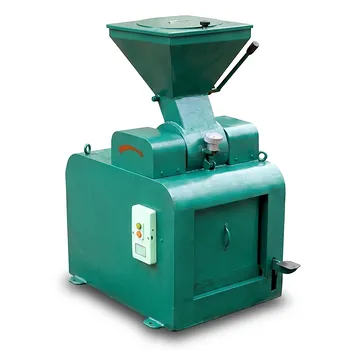
Laboratory Sealed Hammer Crushers for Coal Sample Preparation and Medium Strength Material Crushing