What is the purpose of using a laboratory hydraulic press to prepare quartz powder samples for XRF? Achieve Precise Data.
Updated 5 months ago
The primary purpose of using a laboratory hydraulic press for quartz powder preparation is to transform loose material into a dense, flat, and uniform pellet. This process ensures a consistent sample density and geometry, which is critical for eliminating interference caused by particle size variations, porosity, and surface roughness. By creating a standardized physical form, the press allows for the highly accurate and repeatable elemental quantification required in X-ray fluorescence (XRF) analysis.
A laboratory hydraulic press is essential for converting loose powders into standardized pellets to eliminate physical matrix effects. This preparation step ensures that the X-ray beam interacts with a uniform surface, which is the technical prerequisite for accurate quantitative data.
Overcoming Physical Inconsistency in Powders
Eliminating Voids and Porosity
Loose quartz powder contains significant air gaps and internal voids that interfere with X-ray excitation. When X-rays hit a porous sample, the signal is attenuated inconsistently, leading to unreliable results.
A hydraulic press applies high axial pressure to collapse these voids. This results in a compact structure where the material is distributed evenly, ensuring that the X-ray beam penetrates a solid, representative cross-section of the sample.
Standardizing Sample Geometry
For XRF analysis to be accurate, the distance and angle between the X-ray source, the sample surface, and the detector must remain constant. Irregular powder surfaces create "shadows" and varied excitation depths.
The press uses specialized XRF pellet dies to produce a perfectly flat, cylindrical surface. This geometric consistency minimizes signal scattering and ensures that the detector receives a clear, undistorted signal from the sample.
Enhancing Analytical Precision
Reducing Particle Size and Matrix Effects
Variations in the grain size of quartz can cause "shadowing" effects, where larger particles shield smaller ones from the X-ray beam. This is known as the particle size effect, and it can lead to the underestimation of certain elements.
By compressing the powder—often ground to a fineness of less than 75 micrometers—into a dense pellet, the press creates a homogeneous matrix. This ensures a uniform element distribution, allowing for the precise measurement of both major and minor chemical compositions.
Minimizing Surface Scattering Errors
Surface roughness on a microscopic level scatters X-rays in unpredictable directions. This increases background noise and reduces the signal-to-noise ratio of the analysis.
The high-pressure molding process results in a smooth, mirror-like surface. This minimizes scattering interference, which is particularly vital for detecting rare-earth dopants or trace elements with high sensitivity.
Understanding the Trade-offs and Pitfalls
The Necessity of Binders
Quartz is a hard, abrasive mineral that does not always bond well under pressure alone. To create a stable pellet, it is often necessary to mix the sample with binders like potassium bromide (KBr) or cellulose.
While binders help form a durable pellet, they also dilute the sample. Analysts must carefully account for this dilution factor during the final quantification to avoid errors in calculating the original elemental concentrations.
Pressure Management and Sample Integrity
Applying too much pressure can cause the pellet to crack upon release (a phenomenon known as "capping"), while too little pressure results in a fragile pellet that may crumble inside the XRF instrument.
Furthermore, the cleanliness of the die is paramount. Because quartz is hard, it can cause wear on the die surface over time, leading to potential cross-contamination between different samples if the equipment is not maintained rigorously.
Optimizing Your Sample Preparation
How to Apply This to Your Project
To achieve the best results with quartz powder in XRF analysis, tailor your pressing technique to your specific analytical goals.
- If your primary focus is high-precision trace element analysis: Use a high-quality binder like KBr and ensure the powder is ground to a sub-75 micron level to minimize all possible scattering.
- If your primary focus is high-throughput routine testing: Standardize your dwell time (the time the sample is under peak pressure) to ensure every pellet has identical density for maximum repeatability.
- If your primary focus is avoiding sample contamination: Utilize tungsten carbide die sets, which are harder than quartz and less likely to introduce metallic impurities into your sample.
The laboratory hydraulic press serves as the bridge between raw material and reliable data, providing the physical standardization required for professional-grade elemental analysis.
Summary Table:
| Preparation Factor | Impact on XRF Analysis |
|---|---|
| Void Elimination | Removes air gaps to prevent inconsistent X-ray signal attenuation. |
| Flat Surface Geometry | Minimizes signal scattering and "shadowing" for clear detector signals. |
| Matrix Uniformity | Ensures even element distribution for accurate quantitative measurements. |
| Particle Size Control | Reduces the shielding effect of larger grains on smaller particles. |
| High-Pressure Molding | Produces a smooth, mirror-like surface to enhance signal-to-noise ratio. |
Elevate Your Material Analysis with Precision Sample Preparation
High-quality XRF data starts with flawless sample pellets. At KinTek, we provide complete laboratory sample preparation solutions for material science, specializing in high-performance powder processing and compaction equipment.
Whether you are preparing abrasive quartz or complex alloys, our extensive range ensures your samples meet the strictest analytical standards. Our solutions include:
- Powder Processing: Crushers (jaw/roll) and advanced mills (planetary ball, jet, sand/bead, disc, rotor) for sub-75 micron grinding.
- Compaction Excellence: A full spectrum of hydraulic presses, including XRF pellet presses, standard lab presses, hot presses, and Cold/Warm Isostatic Presses (CIP/WIP).
- Quality Control: Vibratory and air-jet sieve shakers, plus specialized powder and defoaming mixers.
Ready to eliminate matrix effects and improve your laboratory's repeatable accuracy? Contact our technical experts today to find the perfect equipment for your workflow!
References
- Gerson Ferreira da Silva, Defsson Douglas de Araújo Ferreira. Tecnological tests of the pegmatites waste at Alto Dois Irmãos/PB in the Borborema Pegmatitic Province/BPP. DOI: 10.1590/0370-44672023770055
Mentioned Products
- 6-Ton Small Single-Punch Tablet Press — Laboratory Powder & Granule Tableting Equipment / Tablet Forming Machine
- 5 Ton Single Punch Tablet Press Laboratory Small Batch Production
- Manual Tablet Press with Dual Scale Pressure Gauge for Pharmaceutical Food Chemical Laboratory Sample Preparation
- 6 Ton Variable Frequency Single Punch Tablet Press
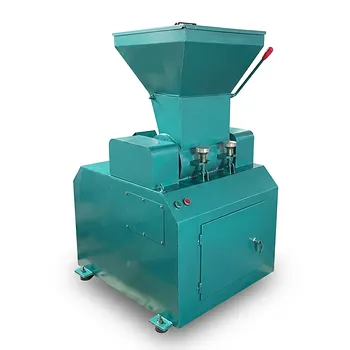
- High Speed Small Laboratory Crusher for Dry Material Sample Preparation
People Also Ask
- What is the function of a laboratory press in Cr-Ti alloy evaluation? Quantify Fracture Stress & Strength
- What is the function of a laboratory press in assessing the hydrophobic performance of modified vermiculite fillers?
- What is the core function of a laboratory press in the forming of ceramic filter element green bodies? Maximize Density.
- What is the function of a laboratory press in the preparation of ceramic feed rods? Master Density and Precision
- Why is vacuum sealing and flexible packaging necessary for Aluminum Titanate powders during CIP? Ensure Peak Density

Tech Team · PowderPreparation
Last updated on May 14, 2026
Related Products
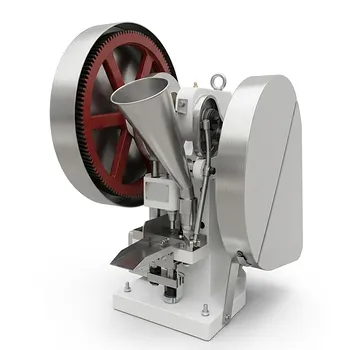
6-Ton Small Single-Punch Tablet Press — Laboratory Powder & Granule Tableting Equipment / Tablet Forming Machine
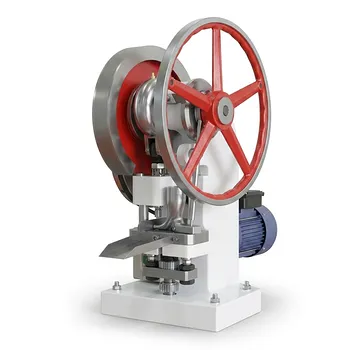
5 Ton Single Punch Tablet Press Laboratory Small Batch Production
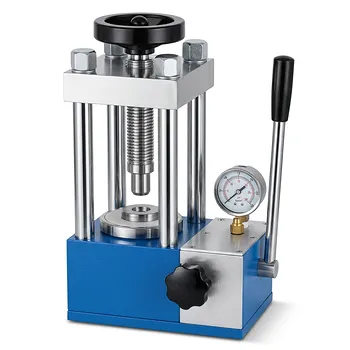
Manual Tablet Press with Dual Scale Pressure Gauge for Pharmaceutical Food Chemical Laboratory Sample Preparation
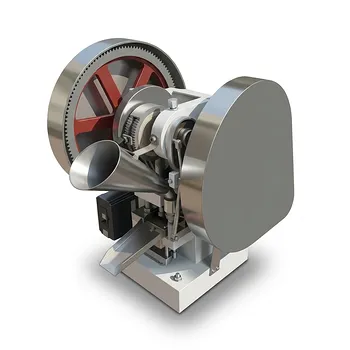
6 Ton Variable Frequency Single Punch Tablet Press
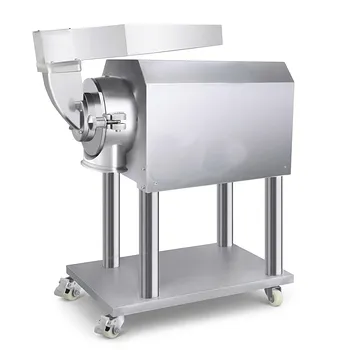
High Speed Small Laboratory Crusher for Dry Material Sample Preparation
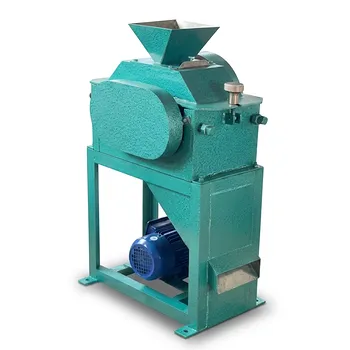
Laboratory Double Roll Crusher for Medium Hardness Materials Coal Ore Sample Preparation
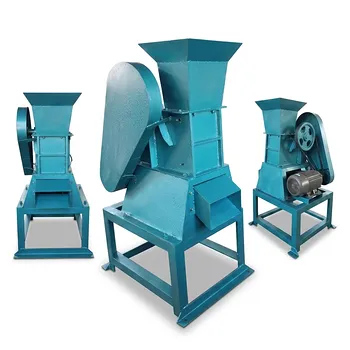
Custom Raised Height Laboratory Jaw Crusher for Precision Sample Preparation in Material Science
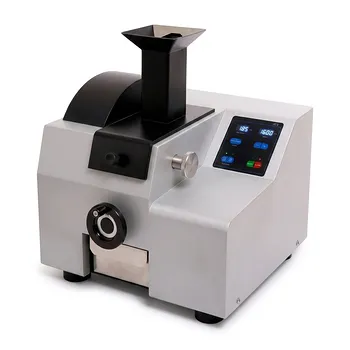
Laboratory Benchtop Jaw Crusher for Hard Brittle Materials Primary Size Reduction and Sample Preparation
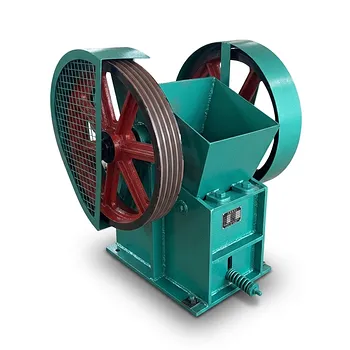
150x250mm Laboratory Jaw Crusher for Medium Hard Material Crushing and Sample Preparation
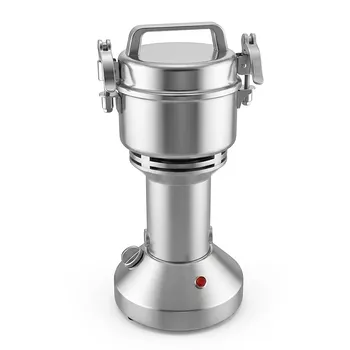
Small High Speed Upright Grinder for Laboratory Sample Preparation
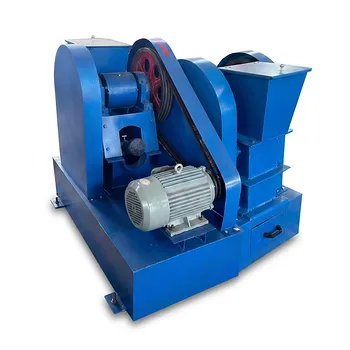
Horizontal Jaw Crusher Medium Hard Material Crushing Laboratory Sample Preparation Equipment
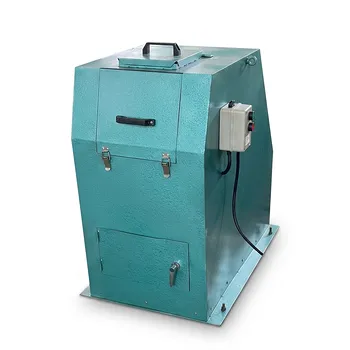
Environmentally Friendly Sealed Laboratory Jaw Crusher for Sample Preparation
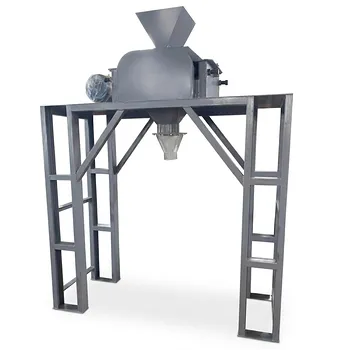
Heightened Customized Laboratory Double Roll Crusher for Coal Ore Rock Crushing
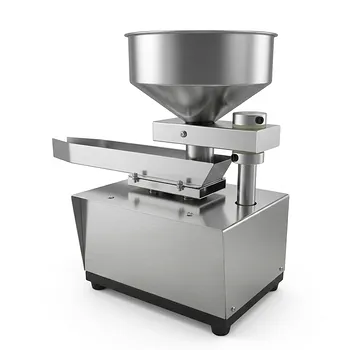
Automatic Vibrating Powder Feeder for Laboratory Material Processing Precision Vibratory Hopper Feeder for Granular and Powder Material Handling Industrial Grade Vibrating Tray Feeder for Consistent Material Sample Preparation
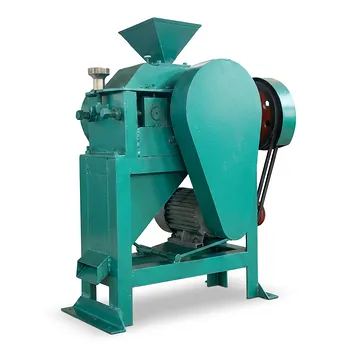
Laboratory Sealed Double Roll Crusher for Coal Ore Rock and Medium Hardness Materials Sample Preparation
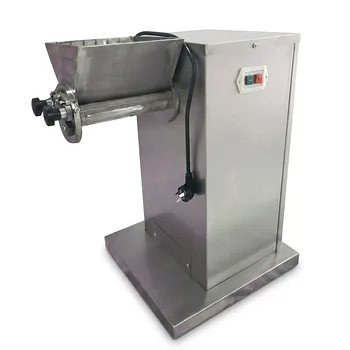
Small Laboratory Oscillating Granulator for Wet and Dry Granulation Processing
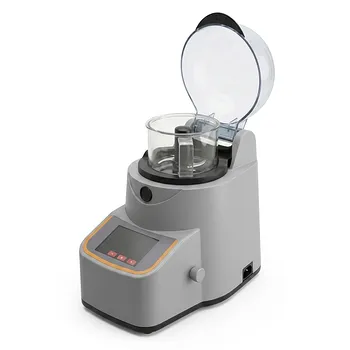
Industrial Knife Mill for Food and Biological Sample Preparation High Speed Laboratory Homogenizer
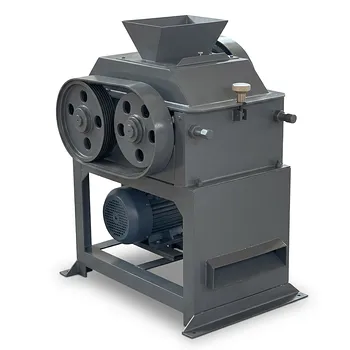
Sealed Laboratory Double Roll Crusher for Coal, Mineral, Ore Sample Preparation
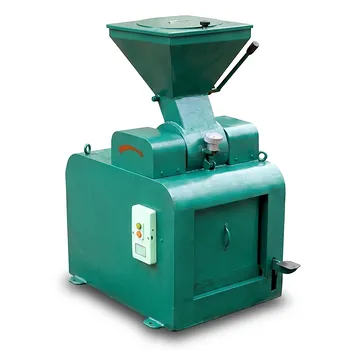
Laboratory Sealed Hammer Crushers for Coal Sample Preparation and Medium Strength Material Crushing