Why pre-press PEEK-NH2/GN with a lab hydraulic press? Eliminate Voids & Ensure Material Integrity.
Updated 4 months ago
The pre-pressing of PEEK-NH2/GN composites is a critical preparation step designed to stabilize the material before final processing. Using a laboratory hydraulic press at this stage allows for the controlled discharge of residual air trapped within the mold cavity. By applying a specific pressure of 0.1 MPa at room temperature, this process eliminates internal voids and prevents delamination, ensuring the final molded part achieves its maximum theoretical density and mechanical integrity.
Core Takeaway: Pre-pressing functions as a de-aeration and stabilization phase that removes trapped air and initiates particle bonding. This step is essential to prevent internal defects like pores and cracks, which would otherwise compromise the structural performance of the composite during final high-temperature molding.
Eliminating Internal Structural Defects
Air Discharge and Porosity Reduction
The primary role of the hydraulic press during pre-pressing is to force out residual air trapped between the composite particles. If air remains in the mold cavity, it can expand during the heating phase of final molding, creating internal pores.
Reducing this porosity is vital for the PEEK-NH2/GN nanocomposite, as even microscopic voids act as stress concentrators. By removing air at room temperature, the press ensures a more continuous internal structure.
Prevention of Delamination
Delamination occurs when layers of the composite fail to bond, often due to trapped gases or uneven particle distribution. The laboratory press applies uniform compressive pressure, which helps settle the mixture evenly across the mold.
This uniformity ensures that the interface between the PEEK-NH2 matrix and GN (Graphene) reinforcements is consolidated. A well-consolidated pre-form is significantly less likely to experience structural failure or peeling during subsequent thermal cycles.
Establishing Geometric and Material Integrity
Formation of the Green Body
During pre-pressing, the hydraulic press causes powder particles to rearrange and bond through Van der Waals forces. This transforms the loose powder into a cohesive "green body" or pellet with a specific structural strength.
This initial bonding provides the foundation for high-pressure densification later in the process. Without this step, the material would lack the structural integrity required to handle the transition to high-temperature molding without crumbling.
Precise Geometric and Thickness Control
Using a hydraulic press in conjunction with high-precision molds allows for standardized geometric shapes. This is particularly important for producing samples for mechanical testing, such as 2mm thick discs or blocks.
The press ensures the mixture completely fills the mold cavity, providing accurate thickness control. Consistent geometry is a prerequisite for collecting reliable data on properties like Young's modulus, hardness, and tensile strength.
Understanding the Trade-offs
Pressure Calibration Sensitivity
While applying pressure is beneficial, the specific load must be carefully calibrated to the material type. Using excessive pressure during the pre-pressing stage can lead to "pressure gradients" where the outer edges of the green body are denser than the core.
Conversely, insufficient pressure (below the recommended 0.1 MPa for this composite) will fail to expel enough air. This results in a "spongy" pre-form that may crack or deform when subjected to the high temperatures of the final molding phase.
Limitations of Room Temperature Pressing
Pre-pressing at room temperature is an essential preparatory step, but it cannot achieve final densification. The process relies on mechanical interlocking and weak molecular forces rather than the chemical cross-linking or melting that occurs during hot-pressing.
How to Apply This to Your Process
Making the Right Choice for Your Goal
To maximize the quality of your PEEK-NH2/GN composite, tailor your pre-pressing strategy to your primary objective:
- If your primary focus is maximizing mechanical strength: Prioritize the 0.1 MPa air-discharge step to ensure no internal voids remain to act as fracture points.
- If your primary focus is repeatable analytical testing: Use precision-machined stainless steel molds to ensure uniform thickness and standardized dimensions across all specimens.
- If your primary focus is preventing material waste: Ensure the powder is evenly distributed in the mold before pressing to avoid "flash" or uneven density gradients that lead to rejected parts.
By rigorously applying these pre-pressing principles, you ensure that the final PEEK-NH2/GN composite is a high-performance material free from the common pitfalls of air entrapment and structural inconsistency.
Summary Table:
| Feature | Pre-Pressing Role | Key Benefit |
|---|---|---|
| De-aeration | Removes trapped air at 0.1 MPa | Prevents internal pores and voids |
| Stabilization | Initiates Van der Waals bonding | Forms a cohesive 'green body' |
| Uniformity | Even pressure distribution | Prevents delamination and cracking |
| Precision | Controlled mold filling | Ensures consistent thickness and geometry |
| Density | Initial particle rearrangement | Foundation for maximum final density |
Elevate Your Material Research with Precision Compaction Solutions
At [Company Name], we provide complete laboratory sample preparation solutions tailored for material science professionals. Mastering the transition from loose powder to high-performance PEEK-NH2/GN composites requires equipment that offers absolute control over pressure and geometry.
Our specialized lineup includes:
- Hydraulic Presses: A full spectrum featuring standard lab presses, XRF pellet presses, and high-temperature Hot Presses/Vacuum Hot Presses.
- Isostatic Pressing: Advanced Cold/Warm Isostatic Presses (CIP/WIP) for uniform multi-axial densification.
- Powder Processing: High-efficiency planetary ball mills, jet mills, and crushers (jaw/roll) to achieve the perfect particle size distribution.
- Mixing & Sifting: Precision powder mixers, defoaming mixers, and vibratory sieve shakers for flawless material homogeneity.
Don't let trapped air or structural defects compromise your results. Partner with us to access the tools and expertise needed for superior powder processing and compaction.
Contact our technical team today to find the perfect solution for your lab!
References
- Huizhi Liu, Zhixiong Huang. Preparation of PEEK-NH <sub>2</sub> /graphene network structured nanocomposites with high electrical conductivity. DOI: 10.1515/epoly-2022-0067
Mentioned Products
- 6-Ton Small Single-Punch Tablet Press — Laboratory Powder & Granule Tableting Equipment / Tablet Forming Machine
- 5 Ton Single Punch Tablet Press Laboratory Small Batch Production
- Manual Tablet Press with Dual Scale Pressure Gauge for Pharmaceutical Food Chemical Laboratory Sample Preparation
- 6 Ton Variable Frequency Single Punch Tablet Press
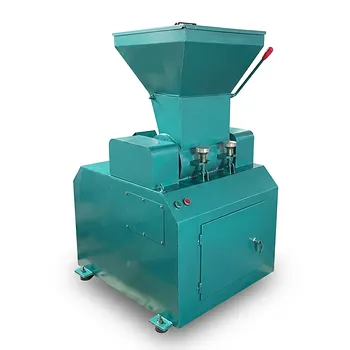
- High Speed Small Laboratory Crusher for Dry Material Sample Preparation
People Also Ask
- What is the function of a laboratory press in Cr-Ti alloy evaluation? Quantify Fracture Stress & Strength
- What is the function of a laboratory press in assessing the hydrophobic performance of modified vermiculite fillers?
- What is the core function of a laboratory press in the forming of ceramic filter element green bodies? Maximize Density.
- What is the function of a laboratory press in the preparation of ceramic feed rods? Master Density and Precision
- Why is vacuum sealing and flexible packaging necessary for Aluminum Titanate powders during CIP? Ensure Peak Density

Tech Team · PowderPreparation
Last updated on Jun 03, 2026
Related Products
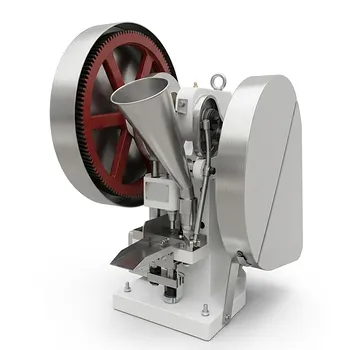
6-Ton Small Single-Punch Tablet Press — Laboratory Powder & Granule Tableting Equipment / Tablet Forming Machine
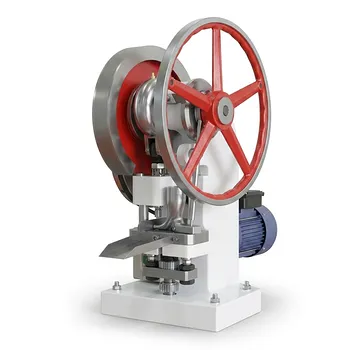
5 Ton Single Punch Tablet Press Laboratory Small Batch Production
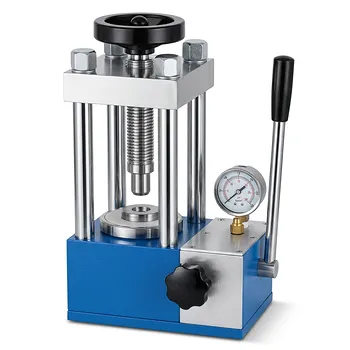
Manual Tablet Press with Dual Scale Pressure Gauge for Pharmaceutical Food Chemical Laboratory Sample Preparation
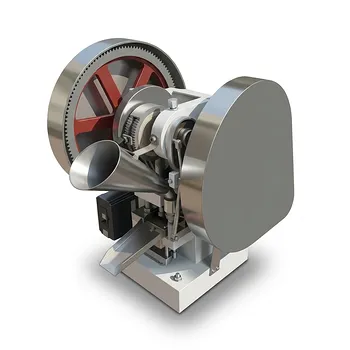
6 Ton Variable Frequency Single Punch Tablet Press
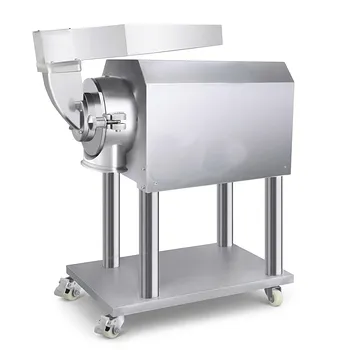
High Speed Small Laboratory Crusher for Dry Material Sample Preparation
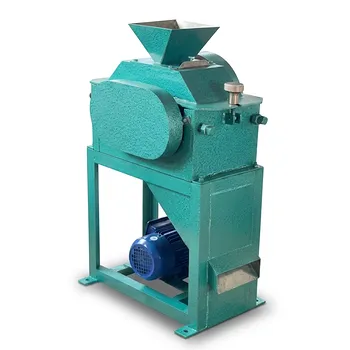
Laboratory Double Roll Crusher for Medium Hardness Materials Coal Ore Sample Preparation
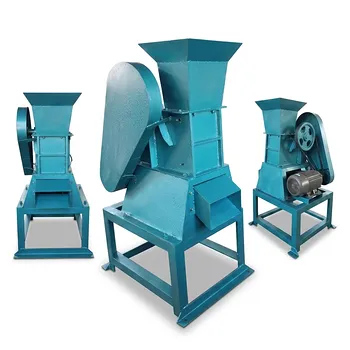
Custom Raised Height Laboratory Jaw Crusher for Precision Sample Preparation in Material Science
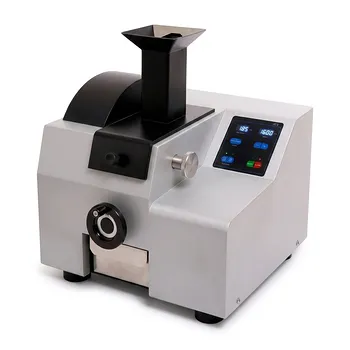
Laboratory Benchtop Jaw Crusher for Hard Brittle Materials Primary Size Reduction and Sample Preparation
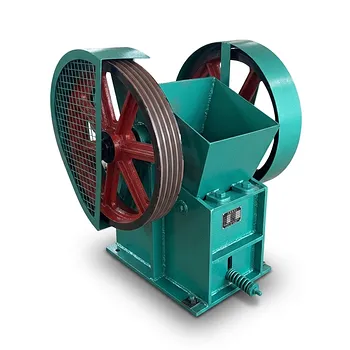
150x250mm Laboratory Jaw Crusher for Medium Hard Material Crushing and Sample Preparation
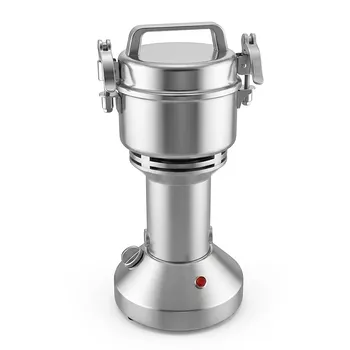
Small High Speed Upright Grinder for Laboratory Sample Preparation
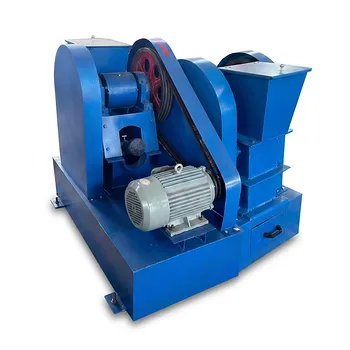
Horizontal Jaw Crusher Medium Hard Material Crushing Laboratory Sample Preparation Equipment
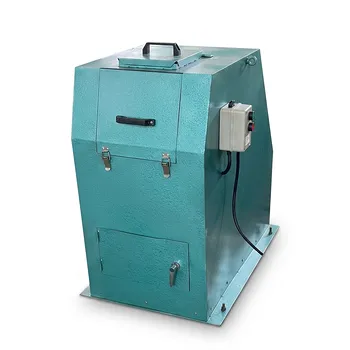
Environmentally Friendly Sealed Laboratory Jaw Crusher for Sample Preparation
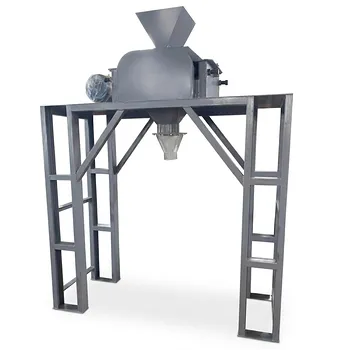
Heightened Customized Laboratory Double Roll Crusher for Coal Ore Rock Crushing
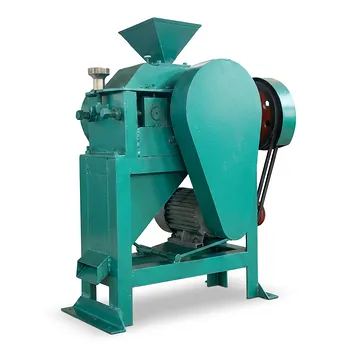
Laboratory Sealed Double Roll Crusher for Coal Ore Rock and Medium Hardness Materials Sample Preparation
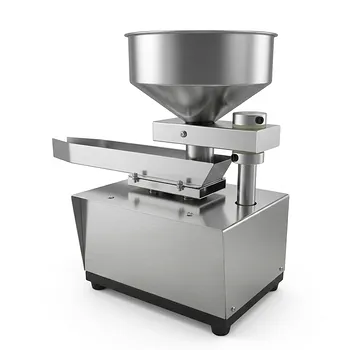
Automatic Vibrating Powder Feeder for Laboratory Material Processing Precision Vibratory Hopper Feeder for Granular and Powder Material Handling Industrial Grade Vibrating Tray Feeder for Consistent Material Sample Preparation
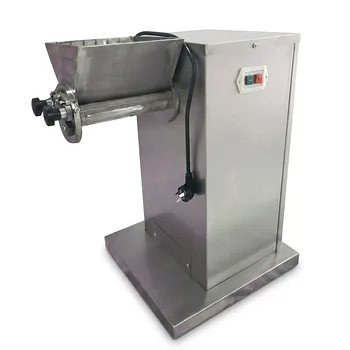
Small Laboratory Oscillating Granulator for Wet and Dry Granulation Processing

Industrial Knife Mill for Food and Biological Sample Preparation High Speed Laboratory Homogenizer
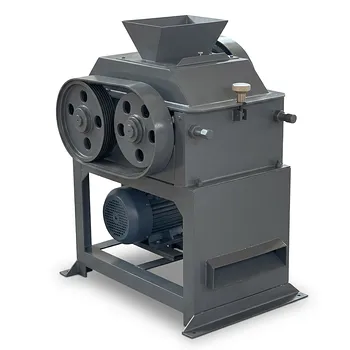
Sealed Laboratory Double Roll Crusher for Coal, Mineral, Ore Sample Preparation
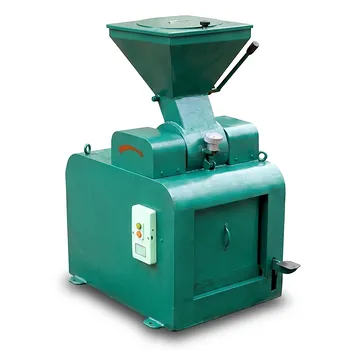
Laboratory Sealed Hammer Crushers for Coal Sample Preparation and Medium Strength Material Crushing