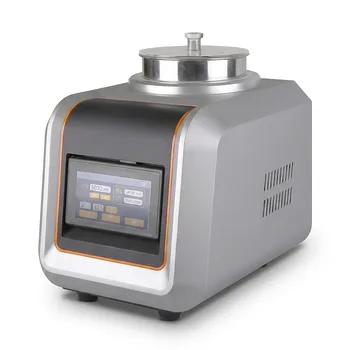
What is the primary purpose of using a vibratory sieve shaker in the preparation of Cu2S thermoelectric ink? Ensure DIW Precision
Updated 4 months ago
The primary purpose of using a vibratory sieve shaker in the preparation of Copper(I) sulfide ($Cu_2S$) thermoelectric ink is to isolate fine powders with a particle size of less than 20 micrometers. This precise classification ensures maximum powder loading within the slurry and significantly improves the flowability and extrusion stability of the ink during the Direct Ink Writing (DIW) process.
By strictly controlling the particle size distribution, the sieve shaker transforms raw material into a specialized precursor that optimizes the rheological properties of the ink. This ensures that the final thermoelectric material can be printed with high precision and structural integrity.
Achieving Precise Particle Size Control
Filtering for Sub-20 Micrometer Powders
The vibratory sieve shaker uses mechanical vibration in conjunction with specific mesh size test sieves to separate the $Cu_2S$ powder.
This process isolates particles that are under 20 micrometers, removing larger grains that could disrupt the uniformity of the ink.
Consistent particle size is the foundation for creating a stable chemical environment within the thermoelectric slurry.
Optimizing Powder Loading in Slurries
Fine particle sizes allow for a higher volume of solid material to be suspended within the liquid medium.
Maximum powder loading is essential for thermoelectric performance, as it directly influences the final density of the printed component.
Without this sieving step, the ink would lack the necessary concentration of $Cu_2S$ to function effectively as a thermoelectric material.
Impact on the Direct Ink Writing (DIW) Process
Improving Flowability and Extrusion Stability
The flowability of the ink is highly dependent on the size of the particles passing through the print nozzle.
By ensuring all particles are below the 20-micrometer threshold, the vibratory sieve shaker prevents nozzle clogging and ensures a steady, continuous extrusion.
This stability is critical for maintaining the dimensional accuracy of the printed thermoelectric layers.
Ensuring Consistency and Reproducibility
Precise classification eliminates the influence of size variations on the ink’s behavior, making experimental results reproducible.
Standardizing the particle size ensures that every batch of ink reacts identically during the thermal treatment and sintering phases.
This uniformity is vital for assessing how the material's physical changes impact its final thermoelectric efficiency.
Understanding the Trade-offs
The Risk of Sieve Blinding
When working with ultra-fine powders like $Cu_2S$, "blinding" or clogging of the mesh can occur frequently.
The high-frequency vibrations of the shaker help mitigate this, but extremely fine sieves still require regular maintenance and cleaning to remain accurate.
Limitations in Ultra-Fine Ranges
While vibratory shakers are excellent for the 20-micrometer range, they may reach a point of diminishing returns for even smaller nano-scale particles.
For powders requiring sub-micron sizes, mechanical sieving often needs to be supplemented by secondary processes like planetary ball milling.
Making the Right Choice for Your Goal
To effectively prepare your $Cu_2S$ ink, align your sieving strategy with your specific project requirements:
- If your primary focus is Print Precision: Use a vibratory sieve shaker to strictly limit particles to < 20 $\mu m$ to prevent nozzle blockages during DIW.
- If your primary focus is Material Density: Prioritize maximum powder loading by using the shaker to create a highly graded, fine powder distribution.
- If your primary focus is Experimental Reliability: Ensure a specific vibration time and frequency to achieve a consistent particle size range across all material batches.
The strategic use of a vibratory sieve shaker is the bridge between raw chemical powders and a high-performance, printable thermoelectric ink.
Summary Table:
| Key Feature | Benefit for $Cu_2S$ Preparation | Impact on Direct Ink Writing (DIW) |
|---|---|---|
| Particle Isolation | Removes grains > 20 micrometers | Prevents nozzle clogging and ensures smooth extrusion |
| Powder Loading | Maximizes solid concentration in slurry | Increases the final density and efficiency of printed parts |
| Classification | Ensures uniform particle size distribution | Enhances rheological properties and print reproducibility |
| Mechanical Vibration | Reduces sieve blinding/clogging | Maintains high throughput and consistent material quality |
Elevate Your Material Science Research with Precision Preparation
Achieving the perfect particle size distribution is critical for high-performance thermoelectric inks. We provide complete laboratory sample preparation solutions, specializing in the powder processing and compaction equipment you need to bridge the gap between raw chemicals and functional devices.
Our extensive product line includes:
- Sieving & Milling: High-precision vibratory/air-jet sieve shakers, planetary ball mills, jet mills, and cryogenic grinders.
- Crushing & Mixing: Jaw/roll crushers, powder mixers, and defoaming mixers for stable slurries.
- Advanced Compaction: A full spectrum of hydraulic presses, including Cold/Warm Isostatic Presses (CIP/WIP), vacuum hot presses, and XRF pellet presses.
Whether you are optimizing $Cu_2S$ slurries for Direct Ink Writing or developing next-generation energy materials, our equipment ensures the consistency and reliability your research demands.
Contact our experts today to find the perfect solution for your lab!
References
- Raden Gustinvil, Emrah Çelik. Enhancing Conversion Efficiency of Direct Ink Write Printed Copper (I) Sulfide Thermoelectrics via Sulfur Infusion Process. DOI: 10.3390/machines11090881
Mentioned Products
- Vibratory Sieve Shaker Electromagnetic 3D Motion Powder Particle Size Analyzer for Dry and Wet Sieving
- Laboratory Dry and Wet Three Dimensional Vibratory Sieve Shaker for Particle Analysis
- Stainless Steel Laboratory Vibratory Test Sieve Shaker
- Heavy Duty Dry Three Dimensional Vibratory Sieve Shaker for Particle Separation
- Dry Three Dimensional Vibratory Sieve Shaker
People Also Ask
- How does a vibratory sieve shaker contribute to optimizing the performance of activated carbon? Enhance Adsorption Precision
- Why is a laboratory vibratory sieve shaker necessary for processing magnesium-based borate precursor powders? Boost Activity
- Why use a vibratory sieve shaker to verify coarse aggregate grading in rubberized concrete? Ensure Structural Integrity
- What function do vibratory sieve shakers and standard test sieves serve in the preparation of adsorbents? Key Guide
- What role does a vibratory sieve shaker play in the particle size analysis of ground corn products? Enhance QC Precision

Tech Team · PowderPreparation
Last updated on Jun 03, 2026
Related Products
Vibratory Sieve Shaker Electromagnetic 3D Motion Powder Particle Size Analyzer for Dry and Wet Sieving
Laboratory Dry and Wet Three Dimensional Vibratory Sieve Shaker for Particle Analysis
Stainless Steel Laboratory Vibratory Test Sieve Shaker
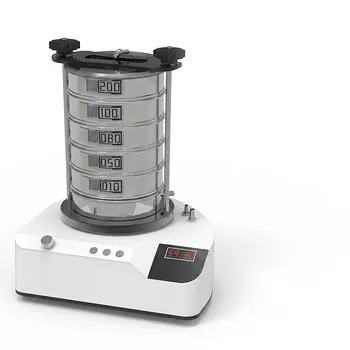
Heavy Duty Dry Three Dimensional Vibratory Sieve Shaker for Particle Separation
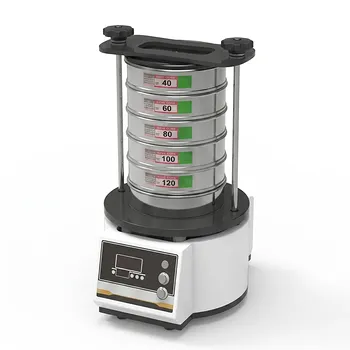
Dry Three Dimensional Vibratory Sieve Shaker
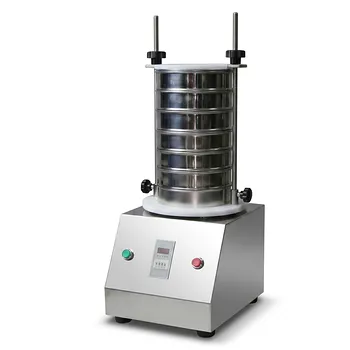
Small Laboratory Vibratory Sieve Shaker for Powder Gradation and Particle Size Analysis
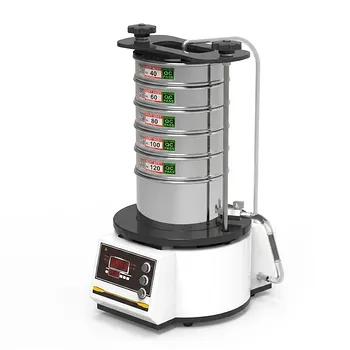
High Frequency Wet Three-Dimensional Vibrating Sieve Shaker for Dry and Wet Particle Size Analysis
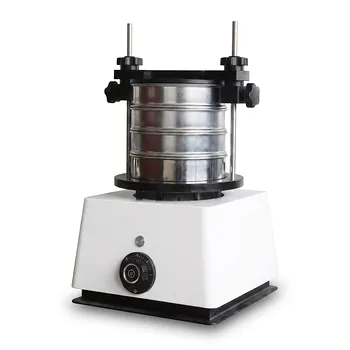
Small Laboratory Vibrating Sieve Shaker for Precise Particle Size Analysis
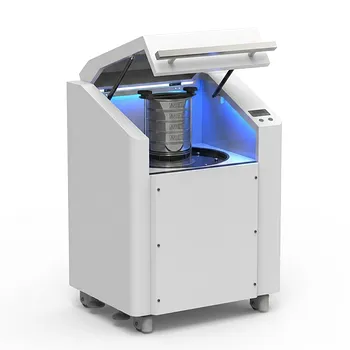
High Frequency Cabinet Type Three-Dimensional Rotary Vibrating Sieve Shaker for Dry Sieving and Particle Classification
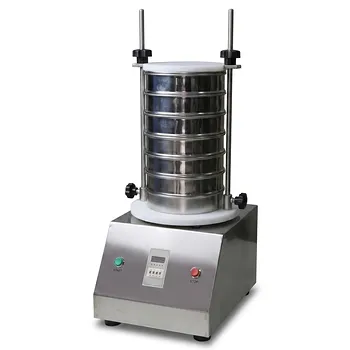
Laboratory Vibratory Test Sieve Shaker for Precision Particle Size Analysis and Powder Grading
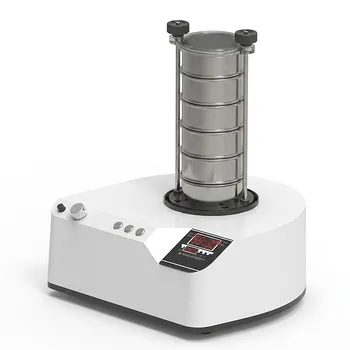
三维电磁微量振动筛分仪
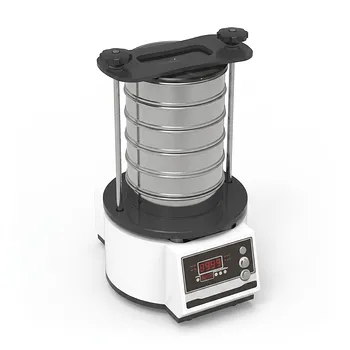
Tapping Oscillating Sieve Shaker for Dry and Wet Particle Size Analysis
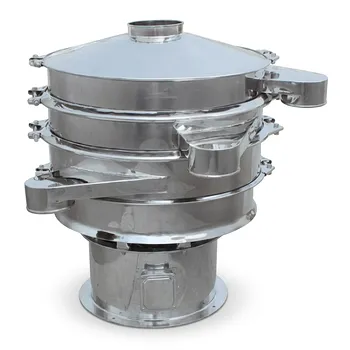
Stainless Steel Rotary Vibrating Sieve High Precision Circular Vibratory Separator Industrial Powder Grading Machine Multi Layer Sifting Equipment
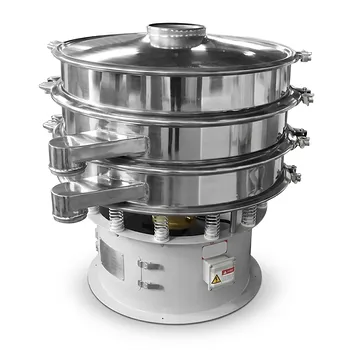
Three Dimensional Rotary Vibrating Sieve
Small Vibrating Ultrafine Grinder for Traditional Chinese Medicine
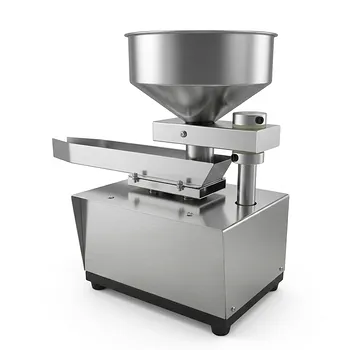
Automatic Vibrating Powder Feeder for Laboratory Material Processing Precision Vibratory Hopper Feeder for Granular and Powder Material Handling Industrial Grade Vibrating Tray Feeder for Consistent Material Sample Preparation
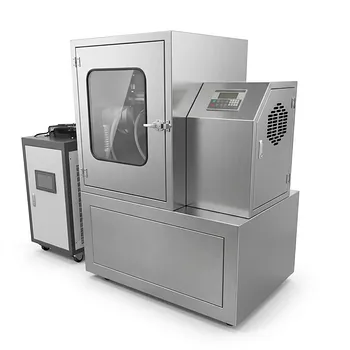
Vibratory Superfine Grinder for Ultra Fine Laboratory Powder Milling
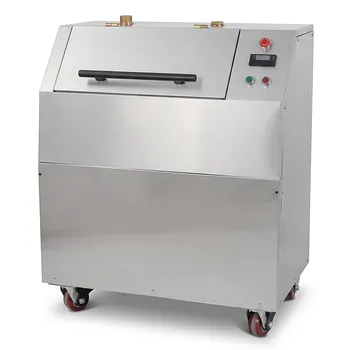
Vibratory Disc Mill for Rapid Fine Grinding and High Throughput Sample Preparation of Hard and Brittle Materials