What is the primary purpose of using a 200-mesh test sieve for ceramic powder after drying? Optimize Density & Flow
Updated 4 months ago
The primary purpose of using a 200-mesh test sieve for ceramic powder after drying is to remove agglomerates and ensure a consistent particle size distribution. This physical screening step eliminates "clumps" formed during ball milling and drying processes, ensuring the powder has the necessary flowability for subsequent manufacturing stages. By controlling particle size at the 74 μm threshold, you directly influence the density and structural integrity of the final ceramic component.
Core Takeaway: Sieving ceramic powder through a 200-mesh screen (74 μm) is a critical quality control step that eliminates secondary agglomerates. This process ensures high powder flowability and uniform packing, which are essential for achieving a high-density green body and a defect-free microstructure after sintering.
Ensuring Structural Integrity through Particle Control
The Elimination of Agglomerates
During the drying phase, ceramic particles often bond together to form secondary agglomerates or "hard clumps." If these are not removed, they create localized areas of varying density within the powder bed.
The 200-mesh sieve acts as a mechanical filter to break up or remove these clusters. This ensures that the powder entering the mold is composed of individual particles or controlled granules rather than unpredictable chunks.
Optimizing Powder Flowability
Powder flowability—the ability of a powder to flow freely and fill a die—is significantly improved by removing oversized particles and loose aggregates. Consistent flow is vital for automated processes like dry pressing or cold isostatic pressing.
A 200-mesh sieve ensures a narrow particle size distribution, which allows the powder to fill complex mold geometries evenly. This prevents the formation of internal voids or "bridge" structures that can weaken the material.
Maximizing Green Body Density
The "green body" is the unsintered ceramic form, and its packing density determines the quality of the final product. Using a 200-mesh sieve ensures that the particles are small enough (74 μm or less) to pack tightly together under pressure.
Higher green density leads to a more homogeneous microstructure during the sintering process. This uniformity is what allows for the production of high-performance components, such as ceramic electrolyte sheets or precision binders.
Understanding the Trade-offs and Pitfalls
The Risk of Mesh Blinding
While a 200-mesh sieve is effective, it is susceptible to blinding, where particles become wedged in the mesh openings. This reduces the effective screening area and can lead to inconsistent results if the sieve is not cleaned regularly.
Over-vibrating or using excessive force to clear the mesh can also damage the screen. This compromises the aperture precision, allowing oversized particles to pass through unnoticed.
Balancing Speed and Precision
Sieving through a fine 200-mesh screen can be time-consuming, especially with powders that have high moisture content or significant agglomeration. Engineers must balance the need for absolute particle control with the throughput requirements of the production line.
In some cases, multiple screening steps are necessary. Starting with a coarser mesh before finishing with the 200-mesh sieve can prevent the fine screen from becoming overwhelmed and ensure more efficient processing.
How to Apply This to Your Project
When integrating a 200-mesh sieving step into your ceramic workflow, consider your primary manufacturing objective:
- If your primary focus is maximizing mechanical strength: Ensure multiple screening steps are used to eliminate all hard agglomerates, as these are the primary source of microscopic defects and cracks during sintering.
- If your primary focus is surface flatness and precision: Use the sieve to guarantee an average particle size significantly below 74 μm, which optimizes the distribution of internal pores and results in a smoother final surface.
- If your primary focus is high-volume production flow: Implement a pre-screening stage with a larger mesh size to protect the 200-mesh sieve from clogging and to maintain a consistent material feed rate.
Consistent particle size control via sieving is the foundation of predictable ceramic performance.
Summary Table:
| Key Objective | Mechanism | Impact on Final Ceramic |
|---|---|---|
| Eliminate Agglomerates | Removes 'hard clumps' from drying | Prevents localized density variations and cracks |
| Improve Flowability | Standardizes particle size distribution | Ensures uniform mold filling for automated pressing |
| Maximize Density | Controls particles to ≤74 μm | Increases green body packing for a defect-free microstructure |
| Quality Control | Mechanical filtration (200-mesh) | Guarantees consistency across different production batches |
Elevate Your Material Consistency with Professional Lab Solutions
Achieving the perfect ceramic microstructure starts with precise powder preparation. At [Insert Brand Name], we provide complete laboratory sample preparation solutions tailored for material science.
From high-precision vibratory and air-jet sieve shakers that prevent mesh blinding to advanced mills (planetary ball, jet, and rotor) for initial grinding, we ensure your powders meet exact specifications. To transform your sieved powder into high-density components, we also manufacture a full spectrum of hydraulic presses, including standard lab presses and Cold Isostatic Presses (CIP) for superior uniformity.
Ready to optimize your ceramic workflow? Contact our experts today for reliable equipment and technical support!
References
- Hameed Ullah. Effect of Calcium Titanate Addition on the Phase, Microstructure, and Microwave Dielectric Properties of (Mg0.95Co0.05) (Ti0.95 Sn0.05)O3 Ceramics Calcined at 1200 °C for 5h.. DOI: 10.52783/tjjpt.v46.i01.8873
Mentioned Products
- Laboratory Vibratory Test Sieve Shaker for Precision Particle Size Analysis and Powder Grading
- Laboratory Air Jet Sieving Machine for Fine Powder Particle Size Analysis and Deagglomeration
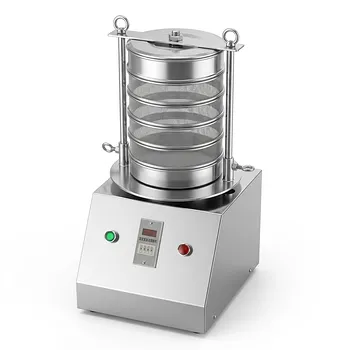
- Small Laboratory Vibratory Sieve Shaker for Powder Gradation and Particle Size Analysis
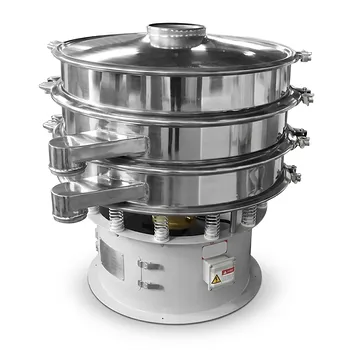
- Three Dimensional Rotary Vibrating Sieve
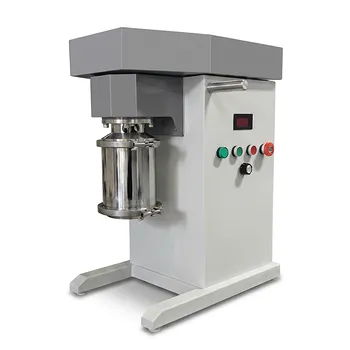
- Nano Laboratory Bead Mill Desktop Sub Micron Sand Mill Screenless Seal Less Powder Grinder
People Also Ask
- What role does a laboratory sieve shaker play in determining PDI? Achieve Precision in Biomass Quality Testing
- What are the functions of sieve shakers for coconut shell powder? Achieve Precise Particle Size & Quality Control.
- What function does a laboratory sieve shaker perform in the PSD analysis of residual soil? Ensure Precise Grading
- What is the role of a laboratory sieve shaker in the preparation of plantain peel adsorbents? Standardize Particle Size
- What is the function of a laboratory vibratory sieve shaker? Enhance Coal Particle Size Distribution (PSD) Analysis

Tech Team · PowderPreparation
Last updated on May 14, 2026
Related Products
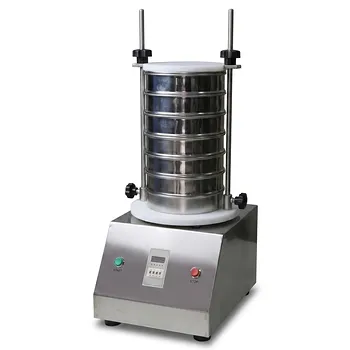
Laboratory Vibratory Test Sieve Shaker for Precision Particle Size Analysis and Powder Grading
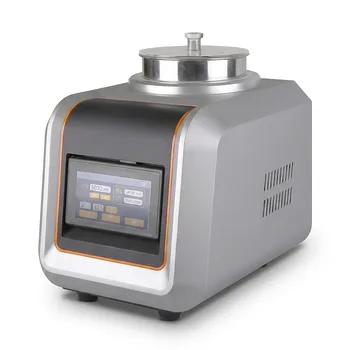
Laboratory Air Jet Sieving Machine for Fine Powder Particle Size Analysis and Deagglomeration
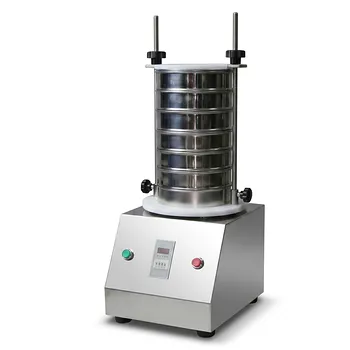
Small Laboratory Vibratory Sieve Shaker for Powder Gradation and Particle Size Analysis
Three Dimensional Rotary Vibrating Sieve
Nano Laboratory Bead Mill Desktop Sub Micron Sand Mill Screenless Seal Less Powder Grinder
Stainless Steel Laboratory Vibratory Test Sieve Shaker
Stainless Steel Rotary Vibrating Sieve High Precision Circular Vibratory Separator Industrial Powder Grading Machine Multi Layer Sifting Equipment
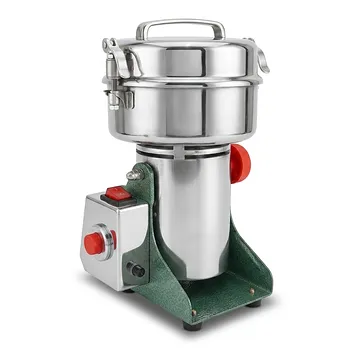
Small High-Speed Laboratory Grinder for Powder Processing
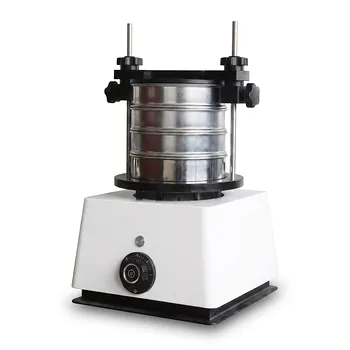
Small Laboratory Vibrating Sieve Shaker for Precise Particle Size Analysis