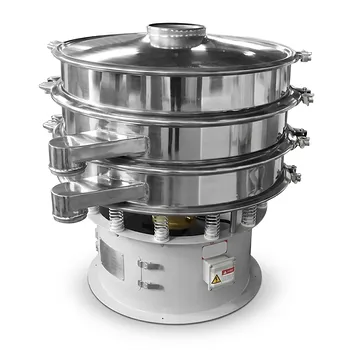
What is the function of sieve shakers in wheat chaff research? Optimize Thermal Insulation via Particle Analysis
Updated 5 months ago
Laboratory sieve shakers and standard test sieves provide the empirical foundation for quantifying the physical dimensions of wheat chaff. By separating raw material into specific size fractions, researchers can accurately measure the width distribution and the degree of particle breakage resulting from the threshing process. This data is essential for calculating the material's bulk density and understanding how its internal air pore structure influences its overall thermal resistance.
Sieve analysis transforms a heterogeneous bulk material into measurable data points, allowing researchers to correlate particle size with thermal performance. By defining the fraction distribution of wheat chaff, you can optimize the material's structure to maximize its efficiency as a thermal insulator.
The Mechanics of Particle Distribution
Determining Fraction Distribution
Sieve shakers use mechanical vibration to pass wheat chaff through a vertical stack of ISO-standard metal test sieves. This process separates the chaff into distinct categories based on particle width, providing a clear map of the material's composition.
Quantifying Threshing Impact
Sieving analysis is the primary method for measuring the degree of breakage that occurs during agricultural processing. By analyzing the resulting fractions, researchers can determine how much the raw material has degraded and how that degradation affects the final product's quality.
Connecting Particle Geometry to Thermal Performance
The Role of Bulk Density
The size distribution of chaff particles directly dictates the bulk density of the raw material. Because density is a critical factor in heat transfer, sieving allows researchers to predict how tightly the material will pack and how much air it will displace.
Internal Air Pore Structure and Resistance
The primary value of wheat chaff in insulation is its internal air pore structure, which provides high thermal resistance. Sieve analysis helps characterize the width distribution of these particles, which is a key indicator of how effectively the material will trap air and resist heat flow.
Understanding the Trade-offs
Dimensional Limitations
While sieving is highly effective for measuring width, it is essentially a two-dimensional classification tool. For elongated materials like wheat chaff, sieving may not fully capture the length of the particles, which can also influence the way they interlock and create air gaps.
Risk of Mechanical Degradation
The aggressive agitation required to move material through fine meshes can sometimes cause further breakage of fragile organic fibers. It is vital to calibrate the duration and intensity of the sieve shaker to ensure the results reflect the sample's true state rather than the effects of the test itself.
Applying Sieving Data to Insulation Research
To effectively use sieve analysis in the development of thermal materials, consider these strategic approaches:
- If your primary focus is maximizing thermal resistance: Use sieve data to identify and isolate fractions that maintain the highest internal porosity and the lowest possible bulk density.
- If your primary focus is manufacturing consistency: Implement standard ISO sieve sets to monitor threshing outputs, ensuring a repeatable particle distribution that leads to uniform insulation performance.
- If your primary focus is optimizing material processing: Analyze the degree of breakage across different threshing speeds to find the "sweet spot" where material is processed efficiently without destroying its natural insulating structure.
Accurate particle characterization is the essential first step in transforming agricultural byproducts into sophisticated, high-performance thermal solutions.
Summary Table:
| Key Parameter | Role in Chaff Research | Impact on Thermal Insulation |
|---|---|---|
| Fraction Distribution | Maps particle width categories | Determines material packing & structure |
| Degree of Breakage | Quantifies threshing degradation | Affects integrity of air-trapping pores |
| Bulk Density | Calculates mass-to-volume ratio | Directly influences heat transfer rates |
| Pore Structure | Characterizes internal air gaps | Key driver of overall thermal resistance |
| Processing Analysis | Identifies optimal threshing speeds | Balances efficiency with fiber quality |
Elevate Your Material Research with Expert Sample Prep
Precise particle characterization is the cornerstone of high-performance material science. At our facility, we provide complete laboratory sample preparation solutions specifically designed for powder processing and compaction.
Whether you are analyzing wheat chaff for insulation or developing advanced ceramics, our extensive equipment line supports your workflow:
- Sizing & Analysis: Vibratory and air-jet sieve shakers with a full range of ISO-standard test sieves and meshes.
- Milling & Grinding: Planetary ball mills, jet mills, disc mills, and liquid nitrogen cryogenic grinders.
- Material Compaction: A full spectrum of hydraulic presses, including Cold/Warm Isostatic Presses (CIP/WIP), vacuum hot presses, and XRF pellet presses.
- Processing: Jaw/roll crushers and high-efficiency powder or defoaming mixers.
Ready to optimize your lab's efficiency? Contact us today to discuss how our specialized equipment can deliver the precision your research demands.
References
- Miloš Pavelek, Kamil Trgala. Static and Dynamic Thermal Characterization of Timber Frame/Wheat (Triticum Aestivum) Chaff Thermal Insulation Panel for Sustainable Building Construction. DOI: 10.3390/su10072363
Mentioned Products
- Vibratory Sieve Shaker Electromagnetic 3D Motion Powder Particle Size Analyzer for Dry and Wet Sieving
- 三维电磁微量振动筛分仪
- Stainless Steel Laboratory Vibratory Test Sieve Shaker
- Small Laboratory Vibrating Sieve Shaker for Precise Particle Size Analysis
- Heavy Duty Dry Three Dimensional Vibratory Sieve Shaker for Particle Separation
People Also Ask
- How does a vibratory sieve shaker contribute to optimizing the performance of activated carbon? Enhance Adsorption Precision
- Why is a laboratory vibratory sieve shaker necessary for processing magnesium-based borate precursor powders? Boost Activity
- Why use a vibratory sieve shaker to verify coarse aggregate grading in rubberized concrete? Ensure Structural Integrity
- What function do vibratory sieve shakers and standard test sieves serve in the preparation of adsorbents? Key Guide
- What role does a vibratory sieve shaker play in the particle size analysis of ground corn products? Enhance QC Precision

Tech Team · PowderPreparation
Last updated on May 14, 2026
Related Products
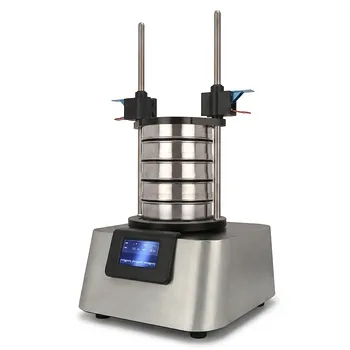
Vibratory Sieve Shaker Electromagnetic 3D Motion Powder Particle Size Analyzer for Dry and Wet Sieving
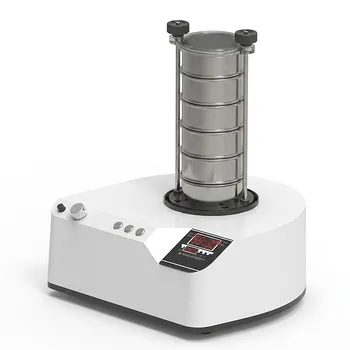
三维电磁微量振动筛分仪
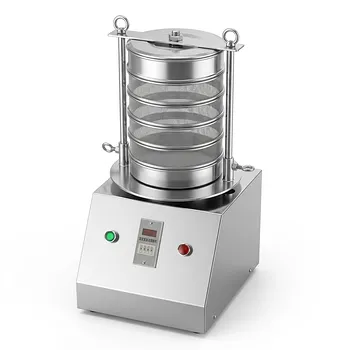
Stainless Steel Laboratory Vibratory Test Sieve Shaker
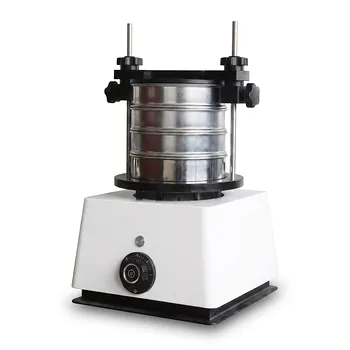
Small Laboratory Vibrating Sieve Shaker for Precise Particle Size Analysis
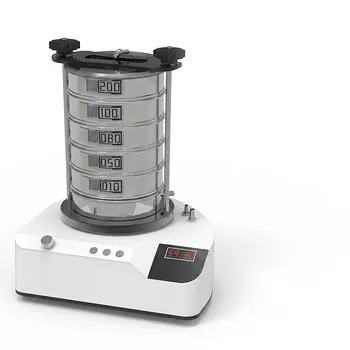
Heavy Duty Dry Three Dimensional Vibratory Sieve Shaker for Particle Separation
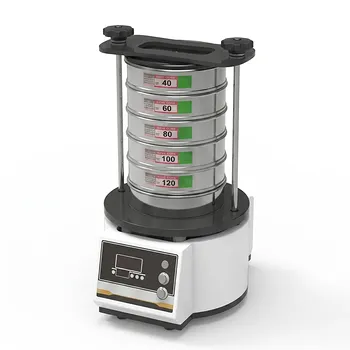
Dry Three Dimensional Vibratory Sieve Shaker
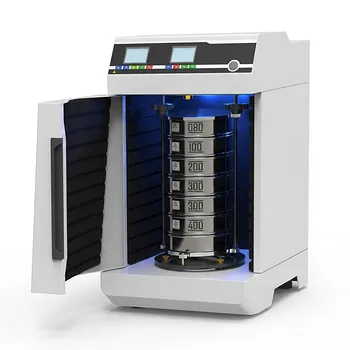
Laboratory Dry and Wet Three Dimensional Vibratory Sieve Shaker for Particle Analysis
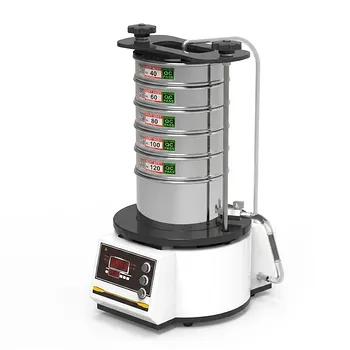
High Frequency Wet Three-Dimensional Vibrating Sieve Shaker for Dry and Wet Particle Size Analysis
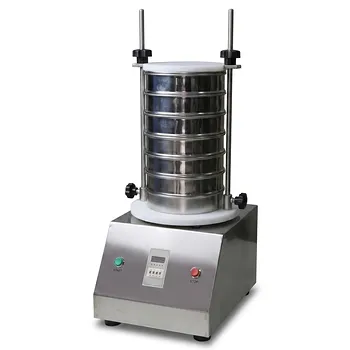
Laboratory Vibratory Test Sieve Shaker for Precision Particle Size Analysis and Powder Grading
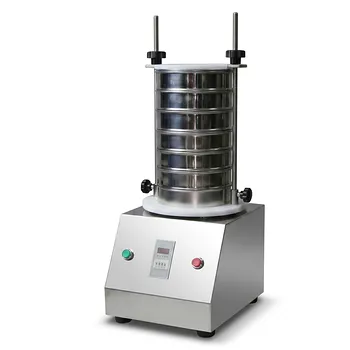
Small Laboratory Vibratory Sieve Shaker for Powder Gradation and Particle Size Analysis
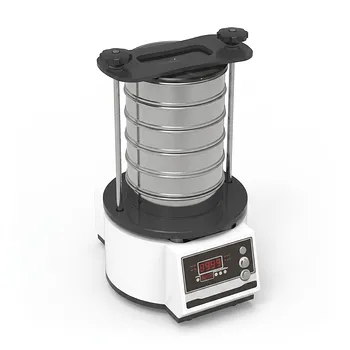
Tapping Oscillating Sieve Shaker for Dry and Wet Particle Size Analysis
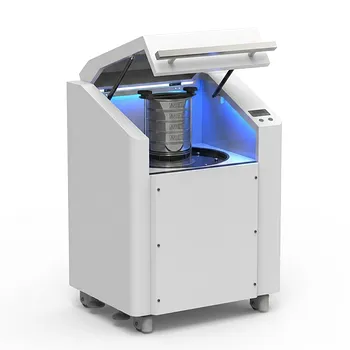
High Frequency Cabinet Type Three-Dimensional Rotary Vibrating Sieve Shaker for Dry Sieving and Particle Classification
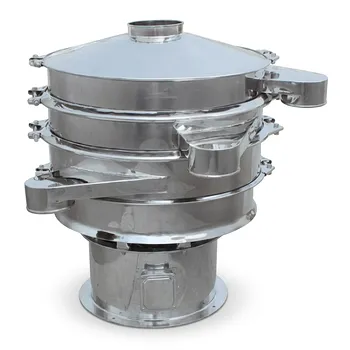
Stainless Steel Rotary Vibrating Sieve High Precision Circular Vibratory Separator Industrial Powder Grading Machine Multi Layer Sifting Equipment
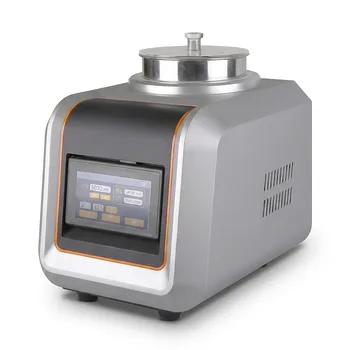
Laboratory Air Jet Sieving Machine for Fine Powder Particle Size Analysis and Deagglomeration