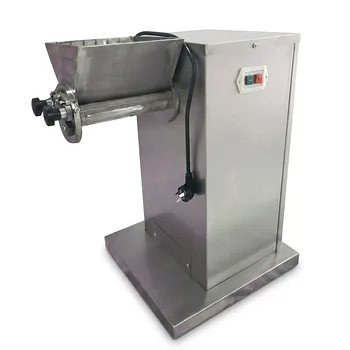
What is the function of laboratory-scale pulverizing equipment in bio-adsorptive film prep? Maximize Surface Area
Updated 4 months ago
The primary function of laboratory-scale pulverizing equipment is the radical reduction of particle size to maximize the specific surface area of organic raw materials. This process transforms bulk waste, such as orange peels or eggshells, into a fine powder that serves as the essential foundation for subsequent processing steps. By increasing the surface area, the equipment ensures that adsorptive active components can be uniformly distributed within a matrix and remain accessible for chemical reactions.
Core Takeaway: Pulverizing equipment acts as the critical bridge between raw organic waste and functional bio-materials. It facilitates chemical penetration and structural homogeneity, which are necessary to achieve high-performance adsorption in the final film.
Maximizing Surface Area for Chemical Reactivity
Increasing Accessibility to Active Sites
The pulverization process breaks down the macroscopic structure of organic matter to expose internal pores and functional groups. This physical transformation significantly increases the specific surface area, providing a higher density of active sites for adsorption reactions. In materials like Boerhavia diffusa, this step is vital for improving the removal efficiency of heavy metal ions.
Enhancing Solvent and Reagent Penetration
Reducing materials to a fine powder allows chemical reagents to penetrate the biomass more efficiently during pretreatment. In the case of corn husks or wood, pulverization ensures that alkali treatments can effectively reach and remove lignin and hemicellulose. This deep penetration is necessary to extract high-quality cellulose nanofibers required for film strength.
Facilitating Efficient Sieving and Grading
Uniform powder production is a prerequisite for effective sieving operations. By achieving a consistent, fine particle size, researchers can isolate specific fractions of the material that meet the exact requirements for the bio-adsorptive film's thickness and texture. This precision prevents structural defects in the finished product.
Ensuring Homogeneity in Bio-Composite Matrices
Achieving Uniform Distribution in Polymer Matrices
For bio-adsorptive films based on a starch or polymer matrix, the raw materials must be integrated without clumping. Pulverizing equipment ensures that the organic additives can be uniformly distributed throughout the matrix. This homogeneity prevents "weak spots" and ensures the adsorptive capacity is consistent across the entire surface of the film.
Improving Mixing Uniformity for Melt-Compounding
When working with polymer matrices like PLA or TPU, pulverization increases the surface area available for physical blending. This enhanced surface contact between the matrix powder and additives, such as lignin, leads to a more consistent material foundation. This consistency is critical for successful downstream processes like melt-compounding and film extrusion.
Understanding the Trade-offs and Limitations
Thermal Degradation During High-Energy Grinding
High-energy rapid pulverizers generate significant friction and heat during the grinding process. This heat can potentially degrade sensitive organic components or volatile functional groups within the biomass. Maintaining the chemical integrity of the raw material often requires controlled grinding speeds or cooling intervals.
Energy Consumption and Diminishing Returns
While finer powders generally offer better surface area, there is a point of diminishing returns where the energy required to further reduce particle size outweighs the performance gains. Extremely fine powders can also become difficult to handle due to increased dust production and static electricity.
Risk of Material Contamination
Laboratory-scale pulverizers, particularly those using metal blades or grinding media, can introduce trace contaminants into the raw material. For high-purity bio-adsorptive applications, the choice of equipment liner and grinding media (such as ceramic or stainless steel) is a critical factor to avoid compromising the chemical analysis.
How to Apply Pulverization to Your Material Preparation
To optimize the preparation of raw materials for bio-adsorptive films, consider your specific end-goal for the material's performance.
- If your primary focus is maximum adsorption capacity: Prioritize high-energy pulverization to achieve the smallest possible particle size, thereby maximizing the available active sites for ion exchange.
- If your primary focus is film structural integrity: Focus on achieving a uniform particle size distribution through controlled grinding and rigorous sieving to ensure a smooth, defect-free integration into the starch matrix.
- If your primary focus is chemical extraction (e.g., cellulose): Use pulverization as a pretreatment to increase reagent penetration, ensuring that lignin and hemicellulose are removed efficiently without over-processing the fibers.
The physical state of your raw material dictates the chemical potential of your final bio-adsorptive film.
Summary Table:
| Key Function | Technical Impact | Benefit for Bio-Adsorptive Films |
|---|---|---|
| Size Reduction | Increases specific surface area | Maximizes density of active adsorption sites |
| Matrix Homogeneity | Ensures uniform distribution | Prevents structural defects and ensures consistency |
| Reagent Access | Enhances solvent penetration | Improves efficiency of cellulose/lignin extraction |
| Precision Sieving | Facilitates accurate grading | Ensures uniform film thickness and smooth texture |
Maximize Your Research Potential with Precision Sample Preparation
High-performance bio-adsorptive films start with superior powder preparation. Advanced Material Lab provides complete laboratory sample preparation solutions for material science, specializing in the powder processing and compaction equipment necessary to transform raw organic waste into functional materials.
Our extensive product lines are engineered to ensure structural homogeneity and chemical integrity:
- Crushing & Grinding: Liquid nitrogen cryogenic grinders, planetary ball mills, and jet mills designed to minimize thermal degradation.
- Sieving & Mixing: Vibratory and air-jet sieve shakers for precise grading, plus high-efficiency powder and defoaming mixers.
- Advanced Compaction: A full spectrum of hydraulic presses, including Cold/Warm Isostatic Presses (CIP/WIP), vacuum hot presses, and XRF pellet presses.
Ready to optimize your material preparation workflow? Contact our expert team today to find the perfect equipment solution for your laboratory!
References
- Joseph Merillyn Vonnie, Xia Wen Ling Felicia. Development and Characterization of Biosorbent Film from Eggshell/Orange Waste Enriched with Banana Starch. DOI: 10.3390/polym15112414
Mentioned Products
- Laboratory Desktop Ultra Fine Powder Grinder High Speed Micronizing Pulverizer
- Universal Laboratory Pulverizer Grinder for Small Batch Powder Processing and Material Science Research
- Laboratory Disc Pulverizer for Coal Coke Ore and Medium Hard Materials Sample Preparation
- High Speed Laboratory Grinder Efficient Stainless Steel Powder Pulverizer Universal Material Science Mill for Sample Preparation
- Industrial High Speed Small Sample Pulverizer Swing Type Laboratory Grinder for Powder Processing
People Also Ask
- What role does a laboratory grinder play in the pretreatment of sunflower seed shell-based adsorbents? Boost Efficiency.
- How does a laboratory grinder or mill enhance the adsorption performance of agricultural waste materials? Boost Surface Area
- What is the function of a laboratory high-speed pulverizer in the preparation of eggshell powder? Essential Pretreatment
- Why is high-efficiency ultra-fine grinding required for Portland cement before XRD? Get Accurate Rietveld Results
- What is the function of a laboratory pulverizer in Boerhavia diffusa-based adsorbent prep? Maximize Surface Area

Tech Team · PowderPreparation
Last updated on Jun 03, 2026
Related Products
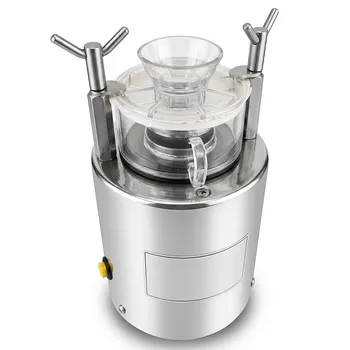
Laboratory Desktop Ultra Fine Powder Grinder High Speed Micronizing Pulverizer
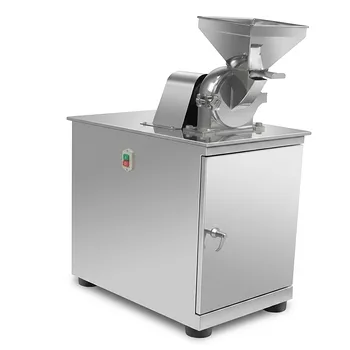
Universal Laboratory Pulverizer Grinder for Small Batch Powder Processing and Material Science Research
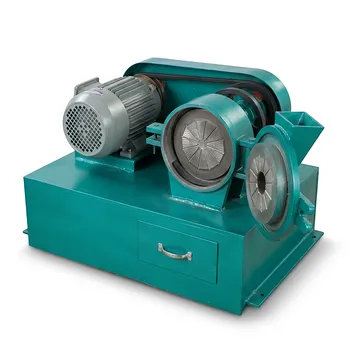
Laboratory Disc Pulverizer for Coal Coke Ore and Medium Hard Materials Sample Preparation
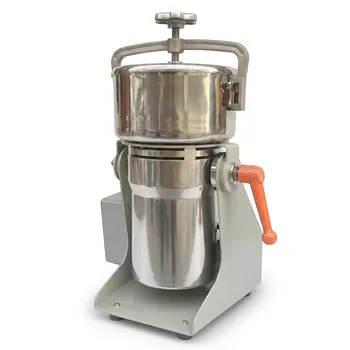
High Speed Laboratory Grinder Efficient Stainless Steel Powder Pulverizer Universal Material Science Mill for Sample Preparation
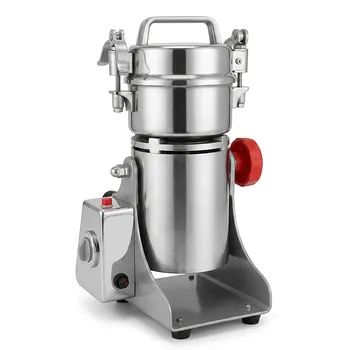
Industrial High Speed Small Sample Pulverizer Swing Type Laboratory Grinder for Powder Processing
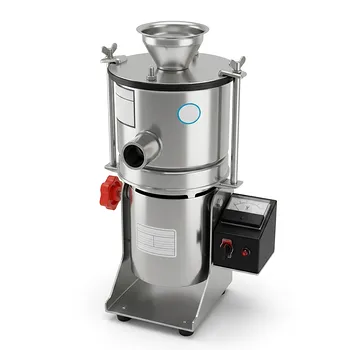
Air Guided Ultrafine Pulverizer High Speed Laboratory Powder Grinder for Chemical and Material Processing
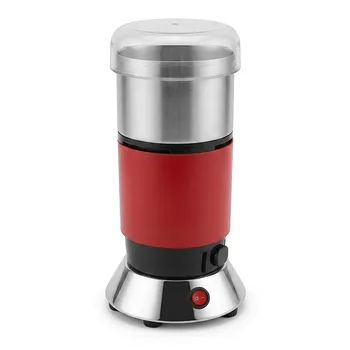
Micro Solid Sample Grinder High Speed Pulverizer for Laboratory Small Batch Grinding
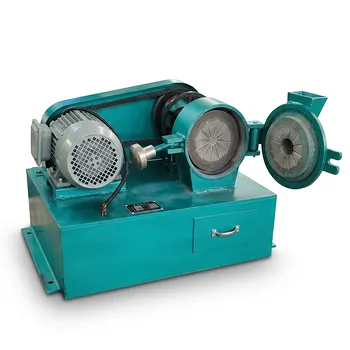
Laboratory Disc Mill Medium Hard Material Grinding Coal Coke Ore Pulverizer
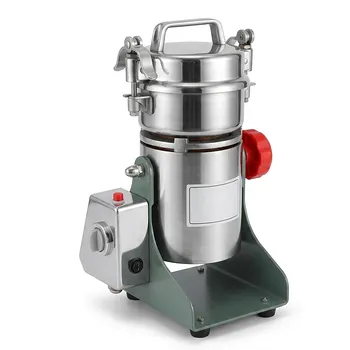
High Speed Swing Type Laboratory Pulverizer for Fine Powder Grinding and Sample Preparation
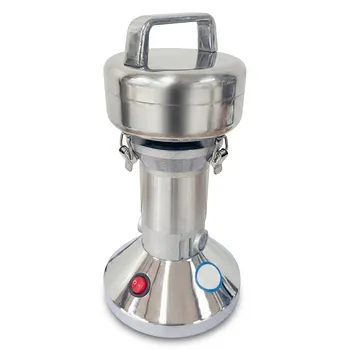
Small Trace Sample High Speed Pulverizer Grinder Laboratory Powder Mill
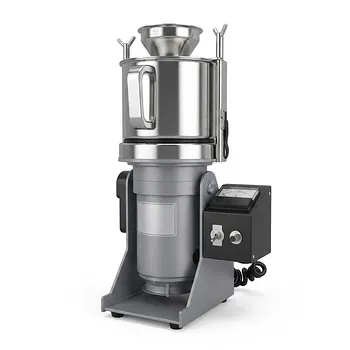
High Speed Air Induced Ultrafine Pulverizer Laboratory Superfine Powder Mill for Pharmaceutical and Material Science Sample Preparation
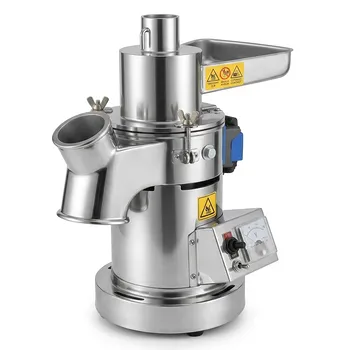
Continuous Feeding Grinder High Efficiency Pulverizer for Lab Sample Preparation
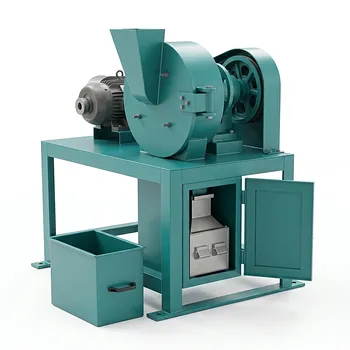
Sealed Disc Pulverizer Customized Model
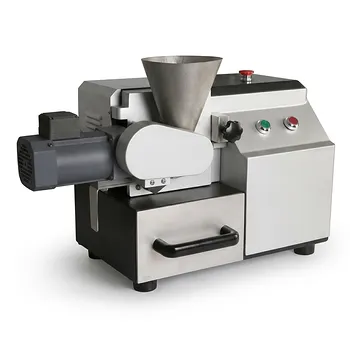
Laboratory Hammer Mill for Coal Quality Analysis and Brittle Mineral Grinding
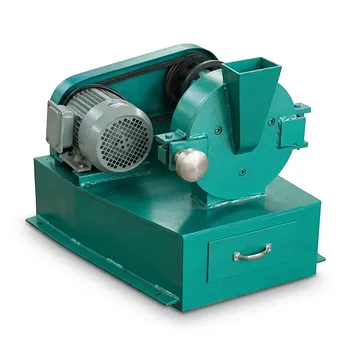
Medium Hardness Material Disc Pulverizer for Coal Ore Sample Preparation
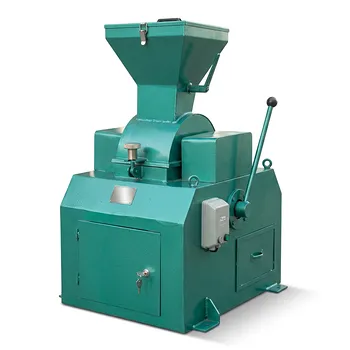
Laboratory Sealed Hammer Blade Crusher Divider for High Hardness Sample Preparation
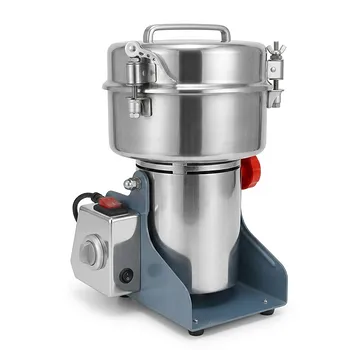
Small High-Speed Grinder for Efficient Laboratory Sample Preparation
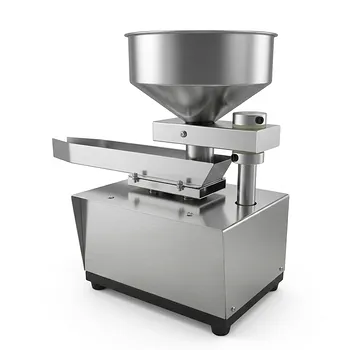
Automatic Vibrating Powder Feeder for Laboratory Material Processing Precision Vibratory Hopper Feeder for Granular and Powder Material Handling Industrial Grade Vibrating Tray Feeder for Consistent Material Sample Preparation
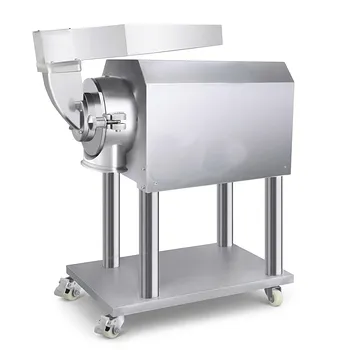
High Speed Small Laboratory Crusher for Dry Material Sample Preparation