Why use lab grinding for eggshell & husk carbon materials? Maximize Surface Area & Heat Transfer for Better Adsorption
Updated 4 months ago
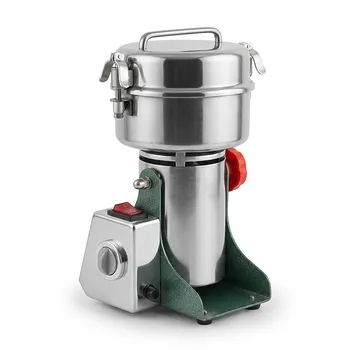
Laboratory grinding equipment is indispensable because it transforms raw biomass into a fine powder, maximizing the surface area available for chemical and thermal reactions. This mechanical reduction ensures that heat and activating agents penetrate the material uniformly during the carbonization and activation stages. Without this step, the resulting carbon material would suffer from inconsistent pore development and poor adsorption performance.
Grinding serves as the foundational step in carbon material synthesis by optimizing particle size to ensure rapid heat transfer and maximum contact efficiency. This physical transformation is essential for creating high-performance materials with a well-developed and predictable pore structure.
Maximizing Specific Surface Area (SSA)
Increasing Available Reaction Sites
The primary function of grinding equipment is to break down the macrostructure of raw materials like eggshells and coffee husks. By reducing these materials to a fine powder, you significantly increase the specific surface area, exposing a higher number of internal reaction sites.
Improving Adsorption Capacity
In the context of carbon materials, a higher surface area directly correlates to better adsorption capacity. Mechanical pulverization creates the technical foundation required for the material to effectively capture molecules, such as lead ions or pesticides, from aqueous solutions.
Optimizing Thermal and Chemical Kinetics
Accelerating Heat Conduction
Smaller particle sizes shorten the heat conduction paths within the material. This ensures that during carbonization, heat penetrates rapidly and uniformly into the interior of every particle, preventing localized under-processing or over-heating.
Enhancing Gas-Solid Interaction
During the activation phase, reduced particle size enhances the contact efficiency between activating gases and solid particles. This leads to a more uniform development of the pore structure, which is critical for the consistency of the final activated carbon.
Facilitating Chemical Modification
For materials requiring chemical pre-treatment, grinding exposes surface active sites that would otherwise be shielded. This allows chemical agents to interact more effectively with the raw material, ensuring a thorough and efficient modification process.
Achieving Structural Homogeneity
Facilitating Microscopic Mixing
Grinding allows disparate materials, such as eggshell powder and zeolite, to be uniformly mixed at a microscopic level. This homogeneity is vital when molding materials into specific shapes, such as ceramic filter elements, to ensure consistent filtration performance.
Strengthening Mechanical Interlocking
In processes where pellets are formed without binders, fine particles facilitate better physical interlocking. Under pressure, these refined particles undergo plastic deformation and bond more effectively, resulting in high-density, durable carbon products.
Understanding the Trade-offs
The Risk of Over-Grinding
While fine particles are generally beneficial, grinding materials too small can lead to processing challenges. Extremely fine powders may cause pressure drops in filtration columns or become difficult to recover from liquid suspensions.
Equipment Wear and Energy Consumption
Processing hard raw materials like eggshells can lead to significant mechanical wear on grinding media. Furthermore, the energy required to reach micron-sized particles increases exponentially as particle size decreases, which can impact the cost-efficiency of the lab workflow.
Strategic Recommendations for Material Processing
Choosing the Right Approach for Your Goal
To achieve the best results with your carbon materials, tailor your grinding parameters to your specific research or production objectives.
- If your primary focus is high adsorption capacity: Aim for the smallest possible particle size to maximize the specific surface area and expose the greatest number of active sites.
- If your primary focus is uniform carbonization: Prioritize a narrow particle size distribution to ensure that heat penetrates all particles at the same rate, avoiding inconsistent char quality.
- If your primary focus is mechanical durability: Grind materials to a size (typically less than 2mm) that allows for optimal plastic deformation and interlocking during the densification or molding stage.
By precisely controlling the physical refinement of your raw materials, you establish the necessary conditions for superior chemical and structural performance in your final carbon products.
Summary Table:
| Key Factor | Role in Carbon Synthesis | Benefit to Final Material |
|---|---|---|
| Specific Surface Area | Increases available internal reaction sites | Significantly higher adsorption capacity |
| Thermal Kinetics | Shortens heat conduction paths | Uniform carbonization and pore structure |
| Chemical Activation | Exposes hidden surface active sites | Enhanced gas-solid interaction efficiency |
| Structural Mixing | Enables microscopic blending of precursors | Consistent filtration and mechanical density |
| Particle Size Control | Optimizes physical interlocking | Durable, high-density carbon products |
Optimize Your Carbon Material Synthesis with Precision Equipment
Achieving high-performance carbon materials starts with perfect sample preparation. We provide complete laboratory sample preparation solutions tailored for material science research. Whether you are processing raw biomass like eggshells or developing advanced activated carbons, our specialized equipment ensures consistency and quality at every step.
Our Expert Solutions Include:
- Powder Processing: High-efficiency crushers (jaw/roll), liquid nitrogen cryogenic grinders, and precision mills (planetary ball, jet, and rotor mills).
- Classification & Mixing: Sieve shakers (vibratory/air-jet) and advanced powder or defoaming mixers for microscopic homogeneity.
- Advanced Compaction: A full spectrum of hydraulic presses, including Cold/Warm Isostatic Presses (CIP/WIP), vacuum hot presses, and XRF pellet presses for durable material shaping.
Ready to enhance your lab's efficiency and material performance? Contact our technical team today to find the ideal grinding and compaction setup for your specific research goals!
References
- Chi‐Hung Tsai, Wen‐Tien Tsai. Valorization of Eggshell Powder as a Catalytic Activation Agent for Producing Porous Carbon Materials from Lignocellulosic Waste. DOI: 10.3390/catal15080712
Mentioned Products
- Multifunctional High Efficiency High Speed Laboratory Grinder
- High Speed Laboratory Grinder Efficient Stainless Steel Powder Pulverizer Universal Material Science Mill for Sample Preparation
- Small High-Speed Laboratory Grinder for Powder Processing
- Laboratory Ultrafine Impact and Airflow Grinder for Precise Particle Size Control
- High Efficiency High Speed Grinder Laboratory Mill 1300W 25000rpm
People Also Ask
- What role does a laboratory grinder play in the pretreatment of sunflower seed shell-based adsorbents? Boost Efficiency.
- How does a laboratory grinder or mill enhance the adsorption performance of agricultural waste materials? Boost Surface Area
- What is the function of laboratory grinding equipment in ZnO nanosphere sol-gel synthesis? Ensure Superior Particle Size
- Why is grinding equipment necessary for SnO2-Sb2O3 xerogels? Maximize surface area and photocatalytic activity.
- What is the role of laboratory grinding equipment in the preparation of waste glass powder for eco-friendly red bricks?

Tech Team · PowderPreparation
Last updated on Jun 03, 2026
Related Products
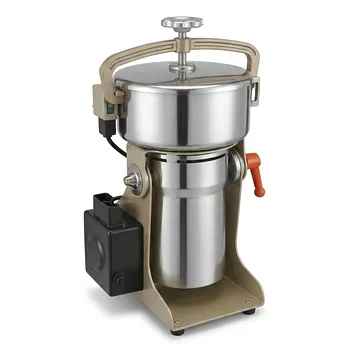
Multifunctional High Efficiency High Speed Laboratory Grinder
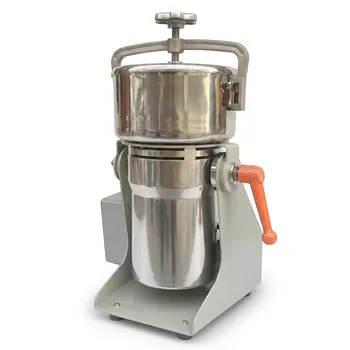
High Speed Laboratory Grinder Efficient Stainless Steel Powder Pulverizer Universal Material Science Mill for Sample Preparation
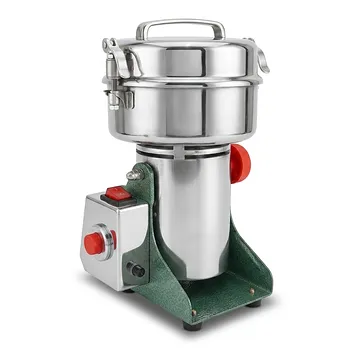
Small High-Speed Laboratory Grinder for Powder Processing
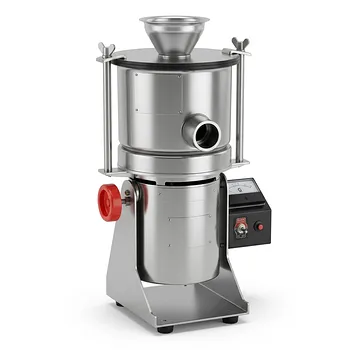
Laboratory Ultrafine Impact and Airflow Grinder for Precise Particle Size Control
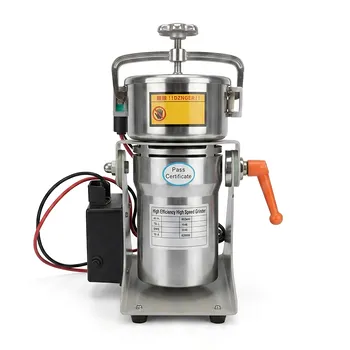
High Efficiency High Speed Grinder Laboratory Mill 1300W 25000rpm
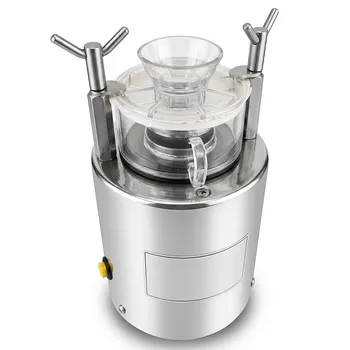
Laboratory Desktop Ultra Fine Powder Grinder High Speed Micronizing Pulverizer
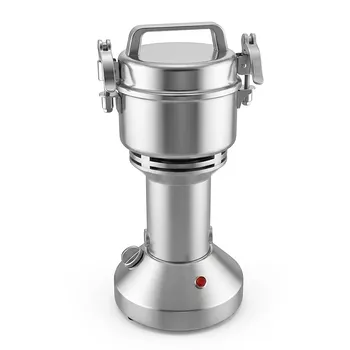
Small High Speed Upright Grinder for Laboratory Sample Preparation

Small High Speed Grinder for Laboratory Sample Preparation
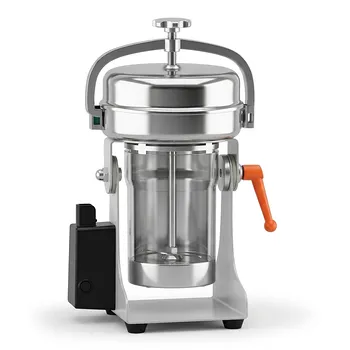
High Efficiency High Speed Grinder 2200W 25000 RPM Laboratory Sample Preparation
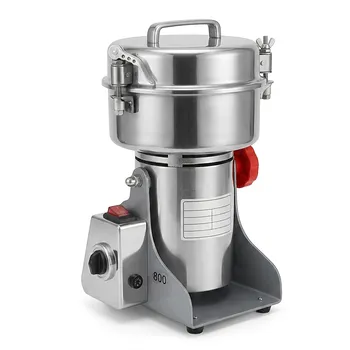
Small High-Speed Laboratory Grinder for Rapid Sample Preparation
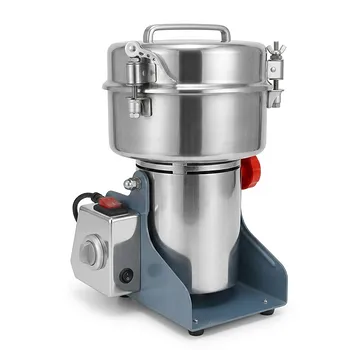
Small High-Speed Grinder for Efficient Laboratory Sample Preparation
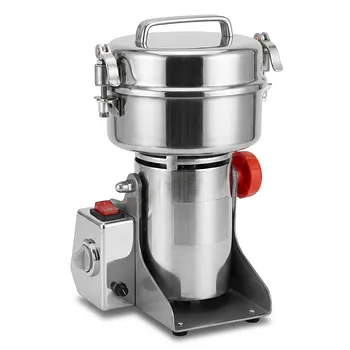
High Speed Laboratory Powder Grinder Small Batch Sample Preparation Mill
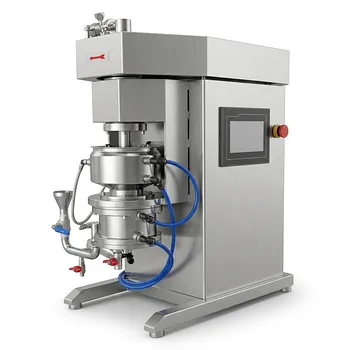
Small Ceramic Structure Laboratory Sand Mill Nanoscale Grinding Dispersion Equipment Seal-less Screen-less Design
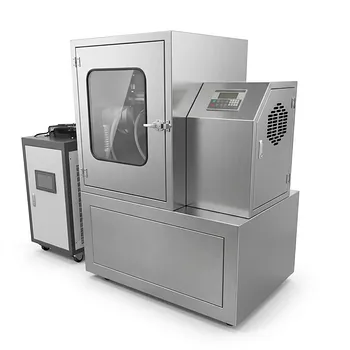
Vibratory Superfine Grinder for Ultra Fine Laboratory Powder Milling
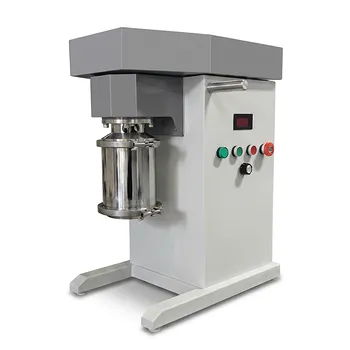
Nano Laboratory Bead Mill Desktop Sub Micron Sand Mill Screenless Seal Less Powder Grinder
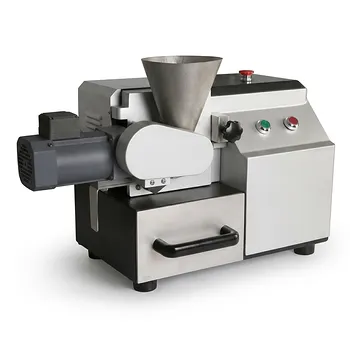
Laboratory Hammer Mill for Coal Quality Analysis and Brittle Mineral Grinding
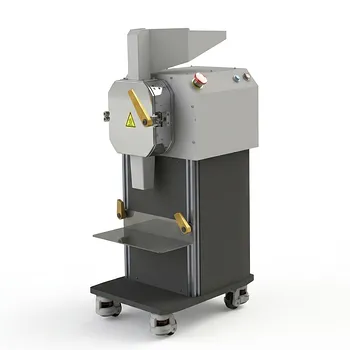
Small Laboratory Knife Crusher for Plastic Sample Preparation and Material Grinding
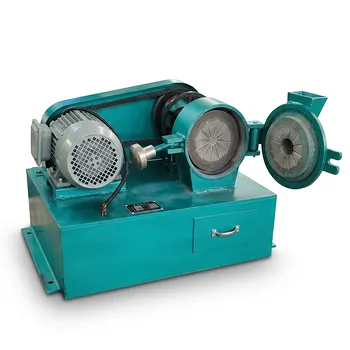
Laboratory Disc Mill Medium Hard Material Grinding Coal Coke Ore Pulverizer
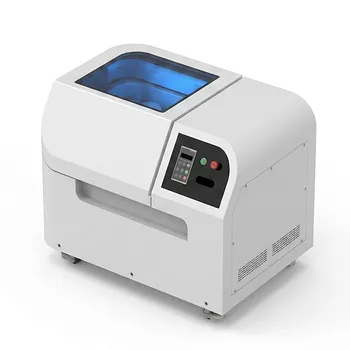
8L Planetary Ball Mill for Laboratory Grinding and Sample Preparation