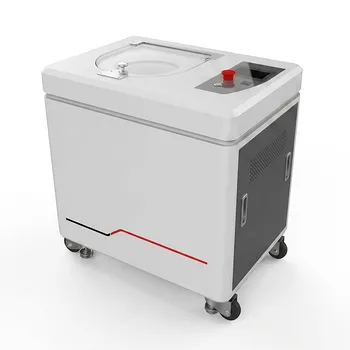
What is the primary function of industrial powder mixers in SLS 3D printing of tablets? Ensure Homogeneity & Accuracy
Updated 5 months ago
Achieving microscopic physical homogeneity is the primary function of industrial powder mixers when preparing materials for Selective Laser Sintering (SLS) 3D printing of pharmaceutical tablets. These mixers ensure that the active pharmaceutical ingredient (API) is perfectly distributed among functional excipients like hydroxypropyl methylcellulose (HPMC), mannitol, and laser absorbers. This uniform distribution is the fundamental requirement for both dose accuracy and the consistency of the sintering process itself.
Industrial powder mixers serve as the critical foundation for SLS 3D printing by creating a perfectly uniform blend of API and excipients. This homogeneity ensures that every printed tablet contains the correct dosage and reacts consistently to the laser, preventing defects that cannot be corrected later in the production cycle.
The Role of Homogeneity in SLS 3D Printing
Achieving Precise Component Distribution
The primary goal of the mixing stage is to ensure a highly uniform random distribution of all powder components. In SLS tablet production, this involves blending the API with polymers like HPMC and specific laser absorbers that facilitate the printing process.
Using specific settings, such as a mixing speed of 60 rpm for 10 minutes, the mixer eliminates component agglomeration. This creates a microscopic level of uniformity where every particle of the API is surrounded by the necessary functional excipients.
Ensuring Dose Accuracy and Content Uniformity
For pharmaceutical applications, the accuracy of the dose is non-negotiable. Industrial mixers provide the physical foundation required to guarantee that the API is not concentrated in one area of the powder bed.
If the powder is not perfectly blended, the resulting tablets may suffer from content uniformity issues. This means some tablets could have too much medicine while others have too little, rendering the entire batch unsafe or ineffective.
Impact on the Sintering Process
Facilitating Consistent Laser Absorption
SLS 3D printing relies on a laser to selectively melt or fuse powder particles together. Laser absorbers must be distributed evenly throughout the mixture to ensure the thermal energy is captured consistently across the entire powder bed.
Without a homogeneous mix, the laser may encounter "cold spots" or "hot spots." This leads to irregular sintering results, where some parts of the tablet are over-fused and others are structurally weak or porous.
Creating a Stable Physical Foundation
A well-mixed powder provides the necessary environment for uniform pore distribution during the printing process. This is essential for the structural integrity of the tablet and its eventual dissolution profile in the patient’s body.
Because compositional defects caused by poor mixing cannot be corrected during the 3D printing or post-processing stages, the initial mixing phase is the most critical step in the entire manufacturing workflow.
Understanding the Trade-offs and Pitfalls
The Risk of Over-Mixing and Segregation
While achieving homogeneity is the goal, excessive mixing can lead to mechanical degradation of sensitive pharmaceutical ingredients. Over-processing may also cause "de-mixing" or segregation, where particles of different sizes or densities begin to separate again.
Safety and Environmental Hazards
Industrial powder mixers must utilize enclosed designs to prevent fine pharmaceutical particles from becoming suspended in the air. This is critical not only for maintaining the purity of the mixture but also for reducing health risks to operators who might otherwise inhale potent API dust.
Material Density Disparities
When mixing components with vastly different densities, such as heavy APIs and light polymers, standard mixing may fail. In these cases, multi-axis motion or three-dimensional mixing is often required to overcome gravity and ensure a true random distribution.
How to Apply This to Your Project
Making the Right Choice for Your Goal
To ensure success in SLS tablet preparation, your mixing strategy should align with your specific material requirements and production goals.
- If your primary focus is dose accuracy: Prioritize high-precision industrial mixers that utilize multi-axis motion to eliminate API agglomeration at the microscopic level.
- If your primary focus is structural integrity: Focus on the uniform distribution of laser absorbers and binders to ensure consistent thermal response during the sintering phase.
- If your primary focus is operator safety: Ensure the use of fully enclosed, dust-tight mixing equipment to prevent the inhalation of fine API and excipient particles.
By mastering the initial mixing phase, you ensure that the subsequent 3D printing process is both predictable and capable of producing high-quality pharmaceutical products.
Summary Table:
| Feature | Function in SLS Tablet Preparation | Key Benefit |
|---|---|---|
| Homogeneity | Uniformly distributes API and laser absorbers | Ensures dose accuracy and consistent sintering |
| De-agglomeration | Breaks down microscopic particle clumps | Prevents structural defects in the printed tablet |
| Process Control | Optimized mixing speed and duration | Prevents mechanical degradation of sensitive APIs |
| Containment | Fully enclosed mixing environment | Protects operators from fine pharmaceutical dust |
Optimize Your Powder Preparation with Precision Equipment
Achieving microscopic homogeneity is the foundation of successful SLS 3D printing. We provide complete laboratory sample preparation solutions for material science, specializing in high-performance powder processing and compaction equipment designed to meet the rigorous standards of pharmaceutical and material research.
Our extensive product lines include:
- Precision Mixers: Specialized powder mixers and defoaming mixers for perfect component distribution.
- Milling & Grinding: Planetary ball mills, jet mills, and cryogenic grinders for superior particle refinement.
- Sieve Shakers: Vibratory and air-jet shakers to ensure consistent powder size distribution.
- Hydraulic Presses: A full spectrum of equipment including Cold/Warm Isostatic Presses (CIP/WIP), standard lab presses, and vacuum hot presses for post-processing and testing.
Whether you are focusing on dose accuracy or structural integrity, our expertise ensures your materials are perfectly prepared for the laser. Contact us today to discover how our specialized equipment can enhance your lab's efficiency and product quality!
References
- Gordana Stanojević, Svetlana Ibrić. Selective Laser Sintering of Atomoxetine Tablets: An Innovative Approach for Small-Scale, Personalized Production. DOI: 10.3390/pharmaceutics17060794
Mentioned Products
- Industrial Double Cone Mixer for Powder Blending and Homogeneous Mixing
- Industrial Planetary Centrifugal Vacuum Defoaming Mixer for High Viscosity Paste and Powder Homogenization
- High Efficiency Vacuum Planetary Centrifugal Mixer and Defoaming Machine for Industrial Material Research and Precise Laboratory Powder Dispersion
- Multi Dimensional Universal Mixer for High Uniformity Powder Blending
- V-Type Powder Mixer for Uniform Blending of Dry Powders and Granules
People Also Ask
- How does a double cone mixer contribute to the blending and lubrication stages of tablet production? Expert Insights
- What is the necessity of using industrial powder mixers for multi-component inoculants? Achieve Homogeneity & Precision
- What is the function of an industrial powder mixer in NiTiZn preparation? Achieve Homogeneity for 3D Printing
- What is the necessity of using industrial powder mixers? Achieve Perfect Homogeneity in Graphite-Copper Composites
- What role does precision powder mixing play in Defect Cluster TBCs? Achieve Atomic-Level Thermal Insulation

Tech Team · PowderPreparation
Last updated on May 14, 2026
Related Products
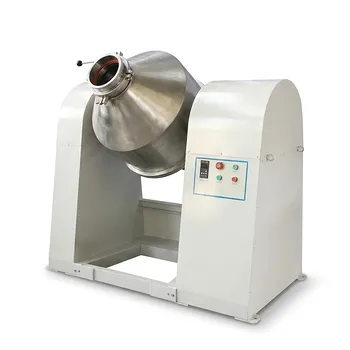
Industrial Double Cone Mixer for Powder Blending and Homogeneous Mixing
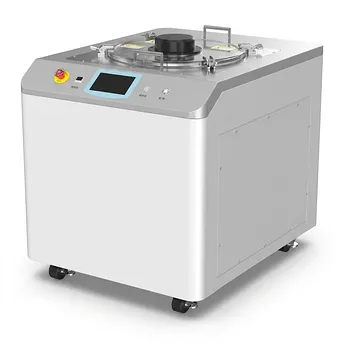
Industrial Planetary Centrifugal Vacuum Defoaming Mixer for High Viscosity Paste and Powder Homogenization
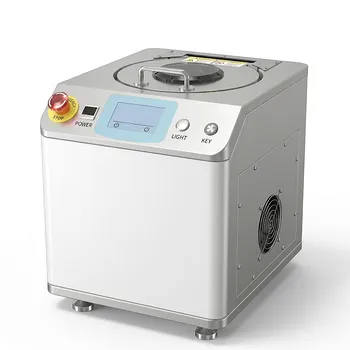
High Efficiency Vacuum Planetary Centrifugal Mixer and Defoaming Machine for Industrial Material Research and Precise Laboratory Powder Dispersion
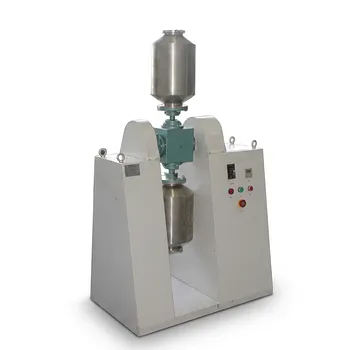
Multi Dimensional Universal Mixer for High Uniformity Powder Blending
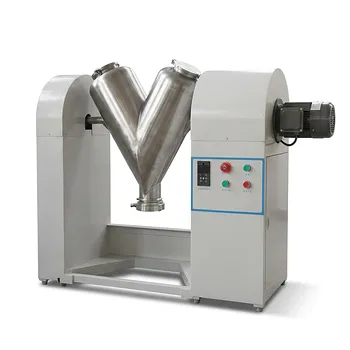
V-Type Powder Mixer for Uniform Blending of Dry Powders and Granules
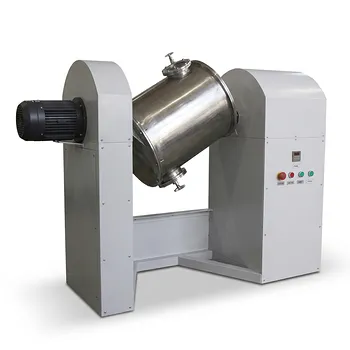
Inclined Mixer for Homogeneous Powder Blending and Grinding
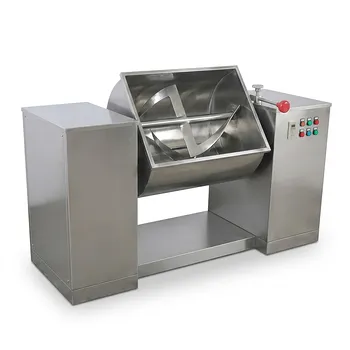
Horizontal Trough Mixer for Uniform Powder and Paste Blending
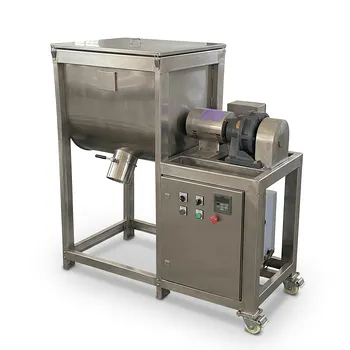
Horizontal Ribbon Mixer for Dry Powder and Slurry Blending
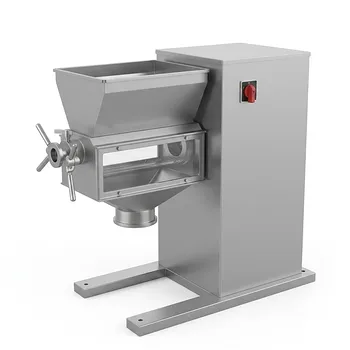
Industrial Swing Granulator for Powder Processing in Pharma Food and Chemical Industries
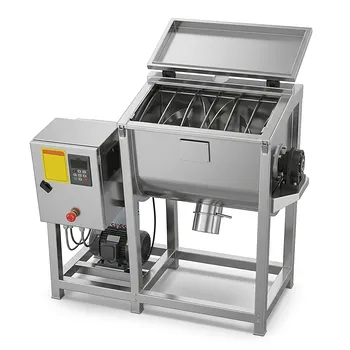
Horizontal Ribbon Mixer for Uniform Powder and Slurry Mixing
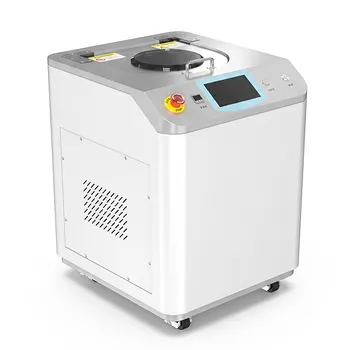
High Speed Vacuum Planetary Centrifugal Mixer and Defoamer for Industrial Paste Processing
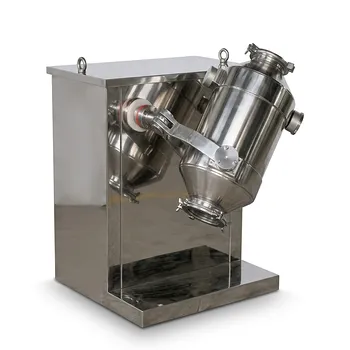
Three-Dimensional Motion Mixer for Laboratory Powder and Granule Blending
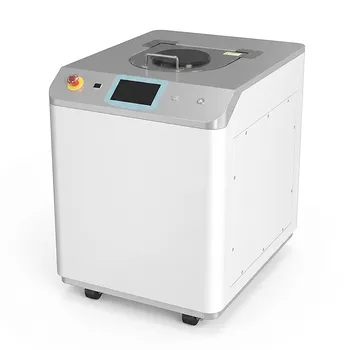
Industrial Planetary Centrifugal Vacuum Defoaming Mixer for High Viscosity Paste and Advanced Material Science
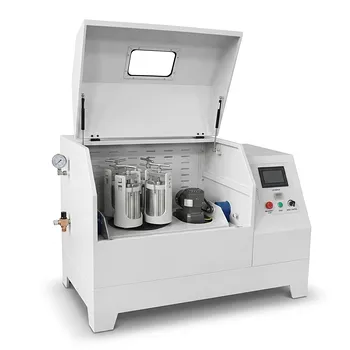
Vertical Production Planetary Ball Mill for High Throughput Powder Processing
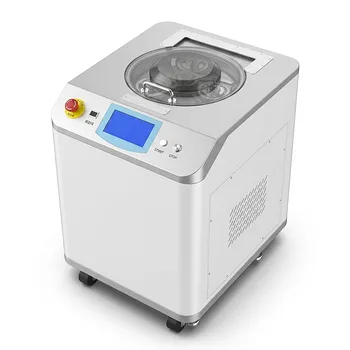
Dual Cup Vacuum Centrifugal Mixer Planetary Paste Defoaming Machine Industrial Material Processor
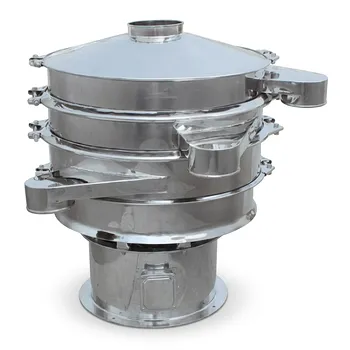
Stainless Steel Rotary Vibrating Sieve High Precision Circular Vibratory Separator Industrial Powder Grading Machine Multi Layer Sifting Equipment
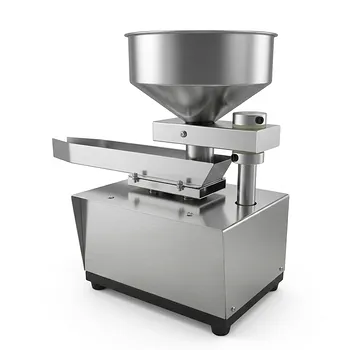
Automatic Vibrating Powder Feeder for Laboratory Material Processing Precision Vibratory Hopper Feeder for Granular and Powder Material Handling Industrial Grade Vibrating Tray Feeder for Consistent Material Sample Preparation
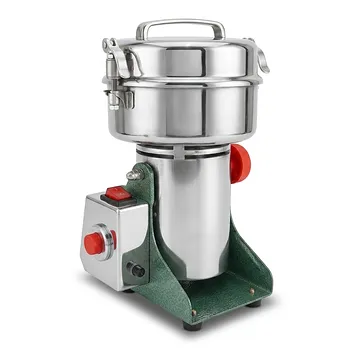
Small High-Speed Laboratory Grinder for Powder Processing
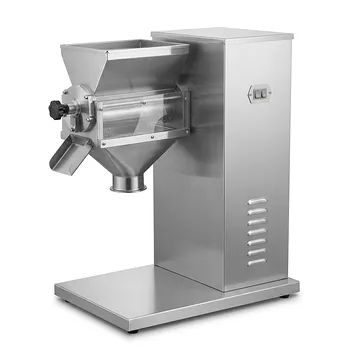
Small Swing Granulator Efficient Powder Granulation for Pharmaceutical Chemical Food Industries