What is the necessity of using industrial powder mixers? Achieve Perfect Homogeneity in Graphite-Copper Composites
Updated 3 months ago
Industrial powder mixers are non-negotiable for microcrystalline graphite and copper composites because they bridge the extreme physical gap between high-density copper and low-density graphite. Without the controlled mechanical energy of an industrial mixer, these materials naturally separate, leading to structural failures and inconsistent electrical or thermal conductivity in the final product.
To produce viable graphite-copper composites, industrial mixers must achieve a high level of macro and micro-level distribution. This uniformity is the only way to prevent component segregation during subsequent compaction and sintering, ensuring the final material performs as engineered.
Bridging the Density Gap
Overcoming Physical Disparity
Graphite and electrolytic copper powders possess significant density differences that cause them to segregate under normal handling. Industrial mixers utilize specific rotation speeds to impart enough kinetic energy to keep these disparate particles suspended and integrated.
Achieving Microscopic Dispersion
It is not enough to simply blend the powders; the graphite must be distributed uniformly at the micro-level within the copper matrix. Precise mechanical paths ensure that even trace amounts of carbon-coated graphite are evenly dispersed throughout the dendritic or spherical copper powder matrix.
Creating a Homogeneous Foundation
A successful mix ensures that the reinforcement phase—such as 13vol% graphite—is fully integrated into the matrix. This level of consistency is the primary step in preventing large-scale particle agglomeration that could ruin the composite’s integrity.
Securing Downstream Stability
Eliminating Component Segregation
Without a highly uniform initial mixture, particles will shift and reorganize during the compaction process. This internal segregation leads to "pockets" of graphite that create structural weak spots and uneven microstructures in the resulting green compacts.
Consistency in Sintering
The uniformity achieved during the mixing phase determines the continuity of particle distribution after sintering or injection molding. If the mixture is homogeneous, the chemical reactions and physical bonding occur predictably across the entire material volume.
Ensuring Property Stability
The primary goal of industrial mixing is to provide a reliable material foundation. By creating a homogeneous blend, manufacturers ensure that every finished part exhibits consistent mechanical properties and electrical performance.
Understanding the Trade-offs
The Risk of Particle Damage
Excessive mixing times or aggressive speeds can inadvertently alter the morphology of the powder particles. Over-mixing may lead to unwanted deformation of the copper matrix or the degradation of specialized coatings on the graphite surface.
Time vs. Homogeneity
Achieving high uniformity often requires extended dry mixing times, sometimes exceeding an hour depending on the specific volume. Balancing the need for total homogeneity against the costs of production time and equipment wear is a constant operational challenge.
Equipment Complexity
Standard mixers may fail to handle the unique flow characteristics of microcrystalline graphite. Specialized equipment, such as three-dimensional multi-axis mixers, may be required to eliminate "dead zones" where segregation could occur.
How to Apply This to Your Process
- If your primary focus is maximum material strength: Prioritize high-energy, multi-axis tumbling mixers to ensure that no localized graphite clusters exist to act as fracture points.
- If your primary focus is cost-effective production: Optimize your rotation speed and duration to find the minimum threshold that prevents segregation without over-processing the raw materials.
- If your primary focus is coating integrity: Use gentler rotation speeds (e.g., 20–124 rpm) over longer durations to integrate carbon-coated graphite without stripping the protective layers.
Mastering the powder mixing phase is the critical first step in transforming raw, incompatible powders into high-performance, stable composite materials.
Summary Table:
| Key Phase | Role of Industrial Mixing | Impact on Final Material |
|---|---|---|
| Density Management | Bridges the gap between heavy copper and light graphite | Prevents material segregation and layering |
| Micro-Dispersion | Ensures uniform distribution at the microscopic level | Guaranteed electrical and thermal conductivity |
| Green Compacts | Creates a homogeneous foundation for compaction | Eliminates structural weak spots and voids |
| Sintering Quality | Enables predictable physical and chemical bonding | Results in stable mechanical properties |
Elevate Your Material Research with Professional Powder Solutions
Achieving the perfect blend is only the first step in high-performance material science. At [Your Brand Name], we provide complete laboratory sample preparation solutions tailored for powder processing and compaction.
Whether you are working with challenging graphite-copper composites or advanced ceramics, our extensive equipment line ensures precision at every stage:
- Advanced Mixing: Specialized powder and defoaming mixers to eliminate segregation.
- Size Reduction: High-energy planetary ball mills, jet mills, and cryogenic grinders.
- Precision Pressing: A full spectrum of hydraulic presses, including Cold/Warm Isostatic Presses (CIP/WIP), vacuum hot presses, and XRF pellet presses.
Ready to optimize your powder metallurgy workflow? Contact our technical experts today to find the right equipment for your specific material requirements.
References
- Min Zhong, Bing Luo. Enhanced mechanical and tribological properties of low-cost core-shell structured microcrystalline graphite/Cu composites. DOI: 10.1016/j.wear.2023.205155
Mentioned Products
- Industrial Double Cone Mixer for Powder Blending and Homogeneous Mixing
- High Efficiency Vacuum Planetary Centrifugal Mixer and Defoaming Machine for Industrial Material Research and Precise Laboratory Powder Dispersion
- Multi Dimensional Universal Mixer for High Uniformity Powder Blending
- V-Type Powder Mixer for Uniform Blending of Dry Powders and Granules
- Industrial Planetary Centrifugal Vacuum Defoaming Mixer for High Viscosity Paste and Powder Homogenization
People Also Ask
- How does a double cone mixer contribute to the blending and lubrication stages of tablet production? Expert Insights
- What is the primary function of industrial powder mixers in SLS 3D printing of tablets? Ensure Homogeneity & Accuracy
- What is the necessity of using industrial powder mixers for multi-component inoculants? Achieve Homogeneity & Precision
- What is the function of an industrial powder mixer in NiTiZn preparation? Achieve Homogeneity for 3D Printing
- What role does precision powder mixing play in Defect Cluster TBCs? Achieve Atomic-Level Thermal Insulation

Tech Team · PowderPreparation
Last updated on Jun 03, 2026
Related Products
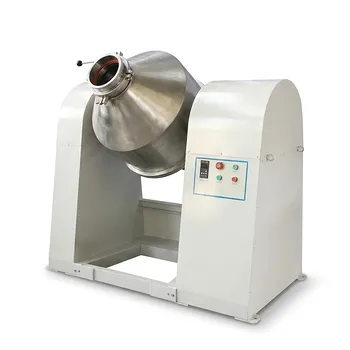
Industrial Double Cone Mixer for Powder Blending and Homogeneous Mixing
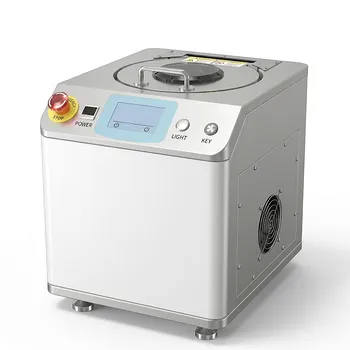
High Efficiency Vacuum Planetary Centrifugal Mixer and Defoaming Machine for Industrial Material Research and Precise Laboratory Powder Dispersion
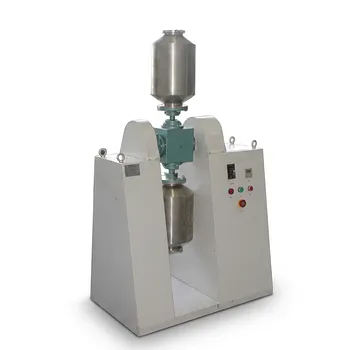
Multi Dimensional Universal Mixer for High Uniformity Powder Blending
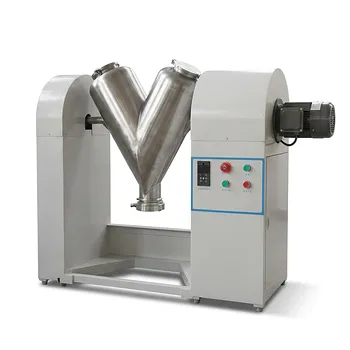
V-Type Powder Mixer for Uniform Blending of Dry Powders and Granules
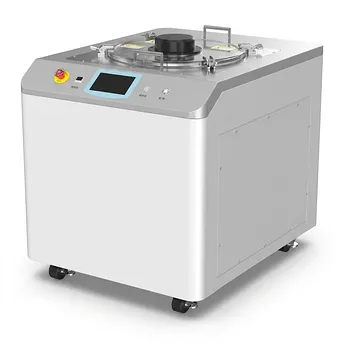
Industrial Planetary Centrifugal Vacuum Defoaming Mixer for High Viscosity Paste and Powder Homogenization
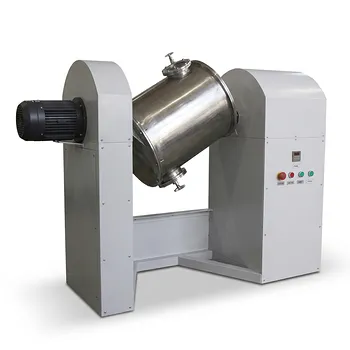
Inclined Mixer for Homogeneous Powder Blending and Grinding
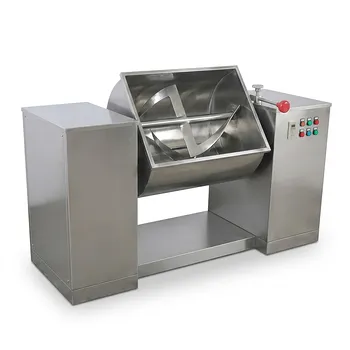
Horizontal Trough Mixer for Uniform Powder and Paste Blending
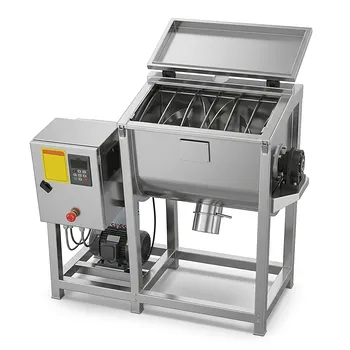
Horizontal Ribbon Mixer for Uniform Powder and Slurry Mixing
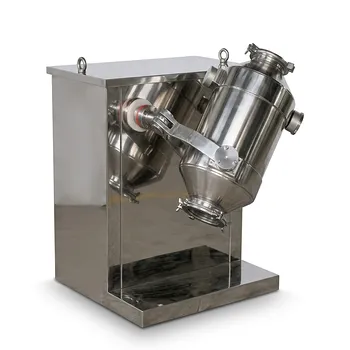
Three-Dimensional Motion Mixer for Laboratory Powder and Granule Blending
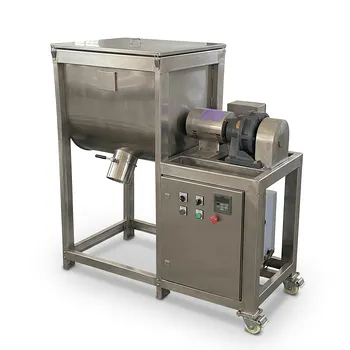
Horizontal Ribbon Mixer for Dry Powder and Slurry Blending
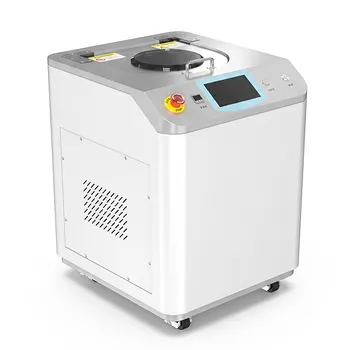
High Speed Vacuum Planetary Centrifugal Mixer and Defoamer for Industrial Paste Processing
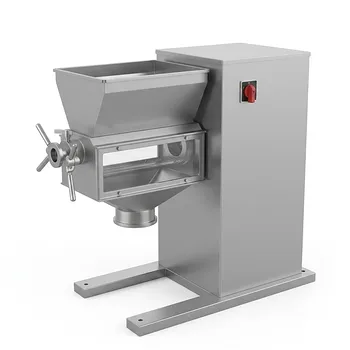
Industrial Swing Granulator for Powder Processing in Pharma Food and Chemical Industries
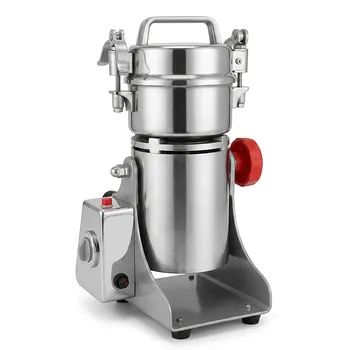
Industrial High Speed Small Sample Pulverizer Swing Type Laboratory Grinder for Powder Processing
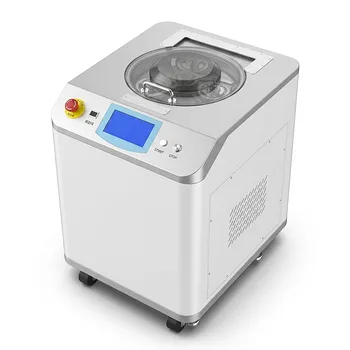
Dual Cup Vacuum Centrifugal Mixer Planetary Paste Defoaming Machine Industrial Material Processor
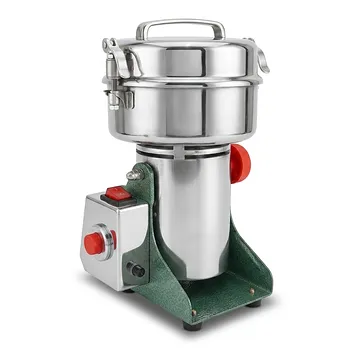
Small High-Speed Laboratory Grinder for Powder Processing
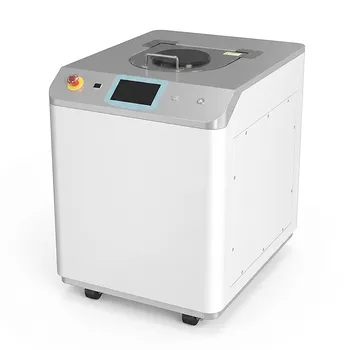
Industrial Planetary Centrifugal Vacuum Defoaming Mixer for High Viscosity Paste and Advanced Material Science

Automatic Vibrating Powder Feeder for Laboratory Material Processing Precision Vibratory Hopper Feeder for Granular and Powder Material Handling Industrial Grade Vibrating Tray Feeder for Consistent Material Sample Preparation

Vertical Production Planetary Ball Mill for High Throughput Powder Processing
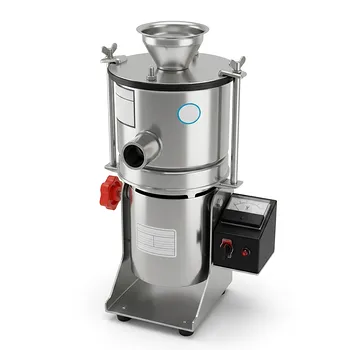
Air Guided Ultrafine Pulverizer High Speed Laboratory Powder Grinder for Chemical and Material Processing
