What is the function of an industrial powder mixer in NiTiZn preparation? Achieve Homogeneity for 3D Printing
Updated 5 months ago
Industrial powder mixers serve as the critical bridge between raw elemental powders and a viable NiTiZn alloy feedstock for additive manufacturing. By employing specific long-duration mechanical movements under a controlled argon atmosphere, these mixers ensure high chemical homogeneity and prevent the oxidation of reactive components like zinc. This process creates a uniform material foundation that is essential for the stable melting and consistent microstructural formation required in laser-based 3D printing.
The core function of the industrial powder mixer is to eliminate compositional gradients and atmospheric contamination in NiTiZn precursors. This ensures that the final printed component achieves the intended alloy properties without the defects caused by chemical segregation or oxide inclusions.
Achieving Chemical Homogeneity in Complex Alloys
Overcoming Trace Element Dispersion Challenges
In NiTiZn preparation, zinc is often added in trace amounts compared to the nickel-titanium base. The industrial mixer uses high-efficiency mechanisms to ensure these small volumes of zinc are distributed evenly across the entire powder batch.
Without this level of precision, the resulting additive manufacturing parts would suffer from local compositional fluctuations. This leads to inconsistent mechanical properties and unpredictable phase transformations in the final alloy.
The Role of Long-Duration Mechanical Motion
To achieve micro-level uniformity, these mixers often operate over extended durations, sometimes ranging from several hours to a full 24-hour cycle. This continuous motion forces particles of different sizes and densities to intermix thoroughly.
The mechanical force generated—often through container rotation or multi-axial 3D motion—ensures that the powders do not segregate based on weight. This is particularly vital for maintaining the physical uniformity required for "in-situ" alloying during the laser melting stage.
Protecting Reactive Components from Contamination
Preventing Zinc Oxidation
Zinc is a highly active element that reacts readily with oxygen, which can compromise the integrity of the NiTiZn alloy. Industrial mixers for this application operate under a protective argon atmosphere to isolate the powder from ambient air.
By maintaining an inert environment, the mixer prevents the formation of oxide layers on the particle surfaces. Clean particle surfaces are a prerequisite for high-quality bonding and dense microstructures during subsequent laser additive manufacturing.
Preserving Powder Morphology and Flowability
Advanced industrial mixers are designed to homogenize powders without damaging their sphericity. Maintaining a spherical shape is critical for the flowability of the powder during the delivery process in the 3D printer.
If the mixing process is too aggressive, it can deform the particles, leading to poor powder bed packing. The mixer must balance the need for deep blending with the requirement to keep the powder "flowable" for the laser cladding or powder bed fusion process.
Understanding the Trade-offs and Pitfalls
Mixing Duration vs. Particle Degradation
While long mixing times improve homogeneity, excessive mechanical energy can eventually lead to particle fracturing or cold welding. This changes the particle size distribution, which can negatively affect the consistency of the laser melting process.
Engineers must calibrate the mixing time to reach the "homogeneity plateau" without crossing into the zone of material fatigue. Over-processing can also lead to increased equipment wear, potentially introducing metallic impurities into the alloy.
Atmosphere Integrity Risks
The effectiveness of the argon shield is entirely dependent on the seal integrity of the mixer. Even minor leaks can allow trace oxygen or moisture to enter, leading to subsurface oxides that weaken the final printed part.
Relying on a mixer without integrated atmospheric monitoring is a common pitfall. For reactive alloys like NiTiZn, real-time tracking of oxygen levels within the mixing chamber is often necessary to guarantee feedstock quality.
How to Optimize Mixing for Your Goal
Application-Specific Recommendations
- If your primary focus is Chemical Precision: Prioritize a mixer with multi-axial (3D) motion patterns and extended run times to ensure trace zinc is perfectly distributed at the microscopic scale.
- If your primary focus is High-Throughput Production: Utilize high-capacity rotating drum mixers with automated argon purging systems to minimize downtime between batches.
- If your primary focus is Material Purity: Select equipment with wear-resistant internal linings and precision seals to prevent both atmospheric contamination and foreign particle inclusion.
Precise industrial mixing is the foundational step that ensures NiTiZn alloy powders possess the chemical and physical consistency required for high-performance additive manufacturing.
Summary Table:
| Key Function | Benefit to NiTiZn Alloy | AM Outcome |
|---|---|---|
| Homogenization | Uniform dispersion of trace Zinc | Consistent mechanical properties |
| Atmosphere Control | Prevents oxidation via Argon shield | High-quality bonding & dense parts |
| Mechanical Mixing | Maintains particle sphericity | Improved powder flow & bed packing |
| Sealed Processing | Eliminates atmospheric moisture | Reduced defects & oxide inclusions |
Elevate Your Material Consistency with Expert Mixing Solutions
Precise feedstock preparation is the foundation of successful additive manufacturing. At [Company Name], we provide complete laboratory sample preparation solutions for material science, specializing in high-performance powder processing and compaction equipment.
Our extensive product lines include:
- Precision Mixing: 3D powder mixers, defoaming mixers, and planetary ball mills for perfect homogeneity.
- Size Reduction: Crushers (jaw/roll), liquid nitrogen cryogenic grinders, and jet/sand/rotor mills.
- Advanced Compaction: A full spectrum of hydraulic presses, including Cold/Warm Isostatic Presses (CIP/WIP), vacuum hot presses, and XRF pellet presses.
Whether you are developing complex NiTiZn alloys or processing advanced ceramics, our equipment ensures the purity and flowability your application demands. Contact us today to discuss your specific requirements and let our experts help you optimize your material production workflow!
References
- Carlo Alberto Biffi. LPBF process of Zn-modified NiTi alloy with enhanced antibacterial response. DOI: 10.21741/9781644902714-16
Mentioned Products
- Industrial Double Cone Mixer for Powder Blending and Homogeneous Mixing
- Industrial Planetary Centrifugal Vacuum Defoaming Mixer for High Viscosity Paste and Powder Homogenization
- High Efficiency Vacuum Planetary Centrifugal Mixer and Defoaming Machine for Industrial Material Research and Precise Laboratory Powder Dispersion
- Multi Dimensional Universal Mixer for High Uniformity Powder Blending
- V-Type Powder Mixer for Uniform Blending of Dry Powders and Granules
People Also Ask
- How does a double cone mixer contribute to the blending and lubrication stages of tablet production? Expert Insights
- What is the primary function of industrial powder mixers in SLS 3D printing of tablets? Ensure Homogeneity & Accuracy
- What is the necessity of using industrial powder mixers for multi-component inoculants? Achieve Homogeneity & Precision
- What is the necessity of using industrial powder mixers? Achieve Perfect Homogeneity in Graphite-Copper Composites
- What role does precision powder mixing play in Defect Cluster TBCs? Achieve Atomic-Level Thermal Insulation

Tech Team · PowderPreparation
Last updated on May 14, 2026
Related Products
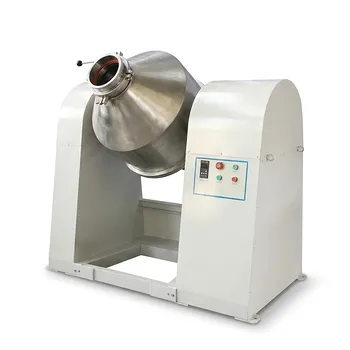
Industrial Double Cone Mixer for Powder Blending and Homogeneous Mixing
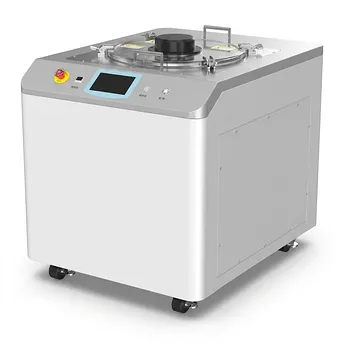
Industrial Planetary Centrifugal Vacuum Defoaming Mixer for High Viscosity Paste and Powder Homogenization
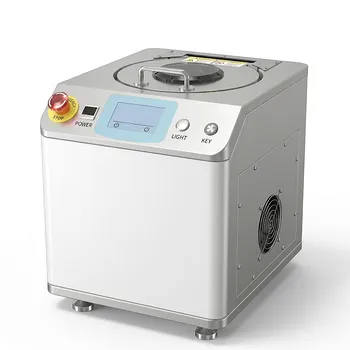
High Efficiency Vacuum Planetary Centrifugal Mixer and Defoaming Machine for Industrial Material Research and Precise Laboratory Powder Dispersion
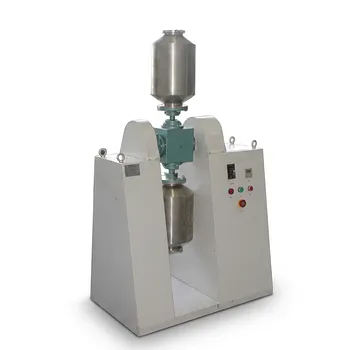
Multi Dimensional Universal Mixer for High Uniformity Powder Blending
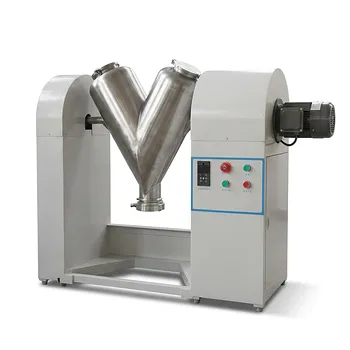
V-Type Powder Mixer for Uniform Blending of Dry Powders and Granules
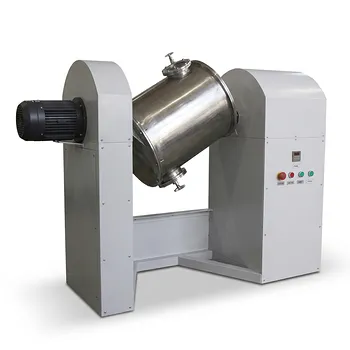
Inclined Mixer for Homogeneous Powder Blending and Grinding
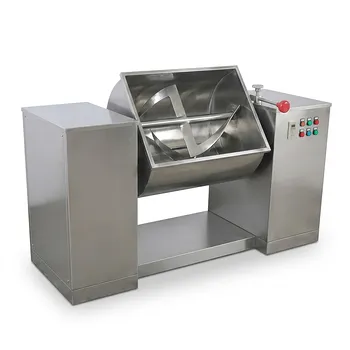
Horizontal Trough Mixer for Uniform Powder and Paste Blending
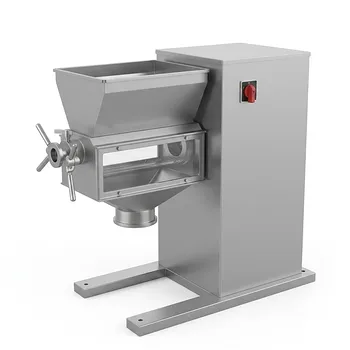
Industrial Swing Granulator for Powder Processing in Pharma Food and Chemical Industries
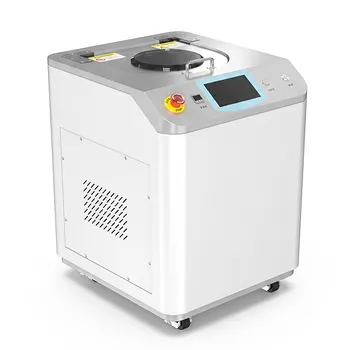
High Speed Vacuum Planetary Centrifugal Mixer and Defoamer for Industrial Paste Processing
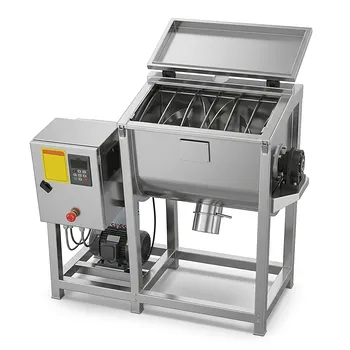
Horizontal Ribbon Mixer for Uniform Powder and Slurry Mixing
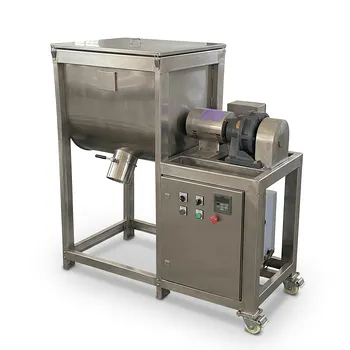
Horizontal Ribbon Mixer for Dry Powder and Slurry Blending
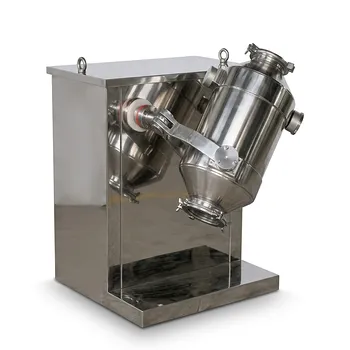
Three-Dimensional Motion Mixer for Laboratory Powder and Granule Blending
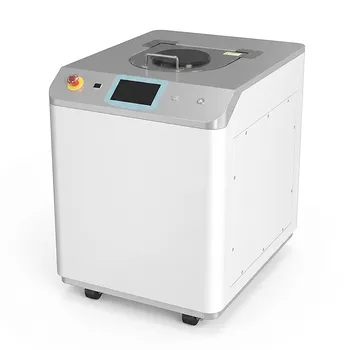
Industrial Planetary Centrifugal Vacuum Defoaming Mixer for High Viscosity Paste and Advanced Material Science
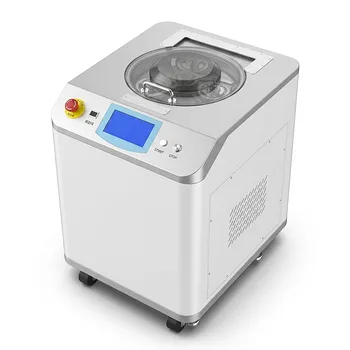
Dual Cup Vacuum Centrifugal Mixer Planetary Paste Defoaming Machine Industrial Material Processor
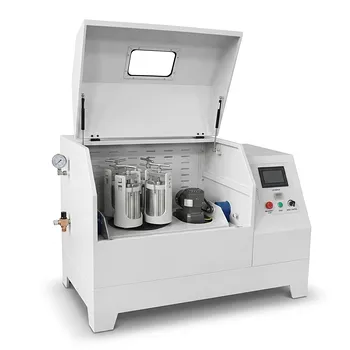
Vertical Production Planetary Ball Mill for High Throughput Powder Processing
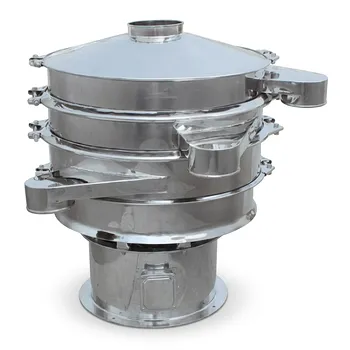
Stainless Steel Rotary Vibrating Sieve High Precision Circular Vibratory Separator Industrial Powder Grading Machine Multi Layer Sifting Equipment
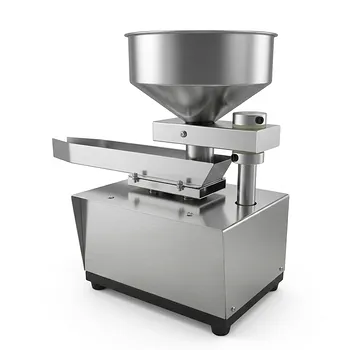
Automatic Vibrating Powder Feeder for Laboratory Material Processing Precision Vibratory Hopper Feeder for Granular and Powder Material Handling Industrial Grade Vibrating Tray Feeder for Consistent Material Sample Preparation
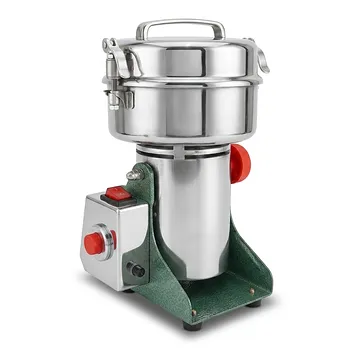
Small High-Speed Laboratory Grinder for Powder Processing
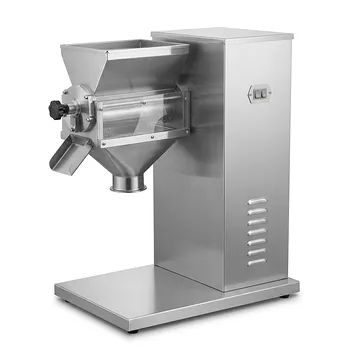
Small Swing Granulator Efficient Powder Granulation for Pharmaceutical Chemical Food Industries