What is the necessity of using industrial powder mixers for multi-component inoculants? Achieve Homogeneity & Precision
Updated 4 months ago
Industrial powder mixers are essential for multi-component inoculants because they ensure the precise compositional uniformity required for trace elements like Magnesium (Mg), Calcium (Ca), and Cerium (Ce) to function synchronously. Without this mechanical precision, localized chemical deviations occur during the cooling of molten iron, leading to graphite distortion and the formation of defects like vermicular graphite instead of the intended nodular structure.
Core Takeaway: Industrial powder mixers transform a collection of disparate trace elements into a homogenous "functional system," ensuring that critical chemical reactions—such as nodularization and nucleation—occur simultaneously across the entire melt to maintain material integrity.
Achieving Synchronicity in Metallurgical Reactions
The Role of Trace Element Distribution
Inoculants containing Magnesium, Calcium, and Cerium rely on exact ratios to influence the microscopic formation of graphite. Industrial mixers utilize precise mixing paths to distribute these trace additives evenly within a carrier material. This ensures that every gram of the inoculant delivers the same chemical profile, preventing "pockets" of under-treated or over-treated metal.
Preventing Structural Distortion
When trace elements are not uniform, the cooling process of ductile iron becomes unpredictable. Localized deviations in composition cause asynchronous graphite formation, where nodularization (forming spheres) and nucleation (starting the growth) happen at different rates. The result is graphite distortion, such as the unintended formation of vermicular graphite, which significantly weakens the final casting.
Overcoming Physical Material Disparities
Managing Density and Size Differences
The elements used in composite inoculants often have vastly different bulk densities and particle sizes. Industrial mixers use specific rotation speeds and mechanical forces to prevent heavier elements from settling at the bottom, a common failure in manual or low-energy mixing. By maintaining a stable macro and micro-level distribution, these machines ensure the mixture remains stable throughout the entire production cycle.
Maintaining Particle Integrity and Flowability
Advanced mixing equipment is designed to achieve homogeneity without destroying the physical sphericity of the powder particles. Maintaining this shape is critical for the flowability of the powder during delivery into the molten metal. Consistent flow ensures that the inoculant is introduced at a steady rate, further supporting chemical uniformity in the final alloy.
Securing Long-Term Material Stability
Preventing Post-Mixing Segregation
A primary challenge in powder metallurgy is the tendency of components to segregate during transport or storage. Industrial mixers create a highly uniform physical bond between the carrier and the additives, which minimizes the risk of component separation. This "locked" uniformity is essential for ensuring that the material properties remain consistent from the first batch to the last.
Ensuring Precise Chemical Ratios for Synthesis
For high-performance composites, the mixer acts as a guarantor of the precise chemical composition ratio. By achieving molecular-level homogeneity through extended mixing times, the equipment provides the necessary foundation for subsequent in-situ synthesis. This prevents non-uniform microstructures in the final product, which is vital for materials that must withstand extreme mechanical stress.
Understanding the Trade-offs
Mixing Time vs. Particle Degradation
While extended mixing times improve uniformity, they can also lead to particle attrition or the breakdown of the carrier material. Excessive mechanical force may generate heat, which can cause certain reactive elements to oxidize prematurely. Technical advisors must balance the rotation speed and duration to achieve homogeneity without compromising the physical properties of the powders.
The Complexity of Cleaning and Cross-Contamination
Industrial mixers are complex machines that require rigorous cleaning protocols between batches. Because inoculants rely on trace elements, even minute amounts of residue from a previous batch can alter the metallurgical outcome. The necessity for high-performance mixing must be weighed against the operational downtime required for contamination control.
Implementing the Right Mixing Strategy
How to Apply This to Your Project
To choose the correct mixing approach for your specific composite inoculant, evaluate your primary metallurgical goal and the physical characteristics of your raw materials.
- If your primary focus is graphite nodularization: Prioritize mixers that offer the highest degree of micro-level distribution to ensure all trace elements react simultaneously.
- If your primary focus is material flowability: Select equipment that utilizes low-shear container rotation to maintain the sphericity and surface integrity of the powder particles.
- If your primary focus is preventing segregation: Use extended dry-mixing cycles at controlled speeds to ensure density-disparate powders are thoroughly integrated.
- If your primary focus is high-volume consistency: Invest in automatic industrial mixers that can replicate precise rotation parameters across every production batch.
The precision of your mixing process directly dictates the structural reliability and performance of your final metal or ceramic composite.
Summary Table:
| Challenge in Formulation | Role of Industrial Powder Mixer | Metallurgical Impact |
|---|---|---|
| Trace Element Syncing | Ensures precise micro-level distribution of Mg, Ca, and Ce. | Prevents graphite distortion and defects. |
| Density Disparities | Uses controlled mechanical forces to prevent component settling. | Maintains stable composition throughout the batch. |
| Particle Integrity | Balances mixing energy to preserve the sphericity of powders. | Ensures consistent flowability during delivery. |
| Segregation Risk | Creates uniform physical bonds between carriers and additives. | Guarantees long-term material stability and quality. |
Elevate Your Material Science Research with Precision Processing
Achieving the exact chemical uniformity required for multi-component inoculants demands professional-grade equipment. At [Brand Name], we provide complete laboratory sample preparation solutions tailored for material science and powder metallurgy.
Our extensive range of specialized equipment includes:
- Powder Processing: High-performance powder mixers, defoaming mixers, and advanced mills (planetary ball, jet, sand, and rotor mills).
- Size Reduction & Analysis: Jaw/roll crushers, liquid nitrogen cryogenic grinders, and vibratory/air-jet sieve shakers.
- Compaction & Synthesis: A full spectrum of hydraulic presses, including Cold/Warm Isostatic Presses (CIP/WIP), vacuum hot presses, and XRF pellet presses.
Whether you are focusing on graphite nodularization or high-volume composite consistency, our tools ensure your materials meet the highest standards of structural reliability.
Ready to optimize your powder mixing and compaction workflow?
Contact our technical experts today to find the perfect solution for your lab!
References
- D. M. Stefanescu, Ramón Suárez. Recent Developments in Understanding Nucleation and Crystallization of Spheroidal Graphite in Iron-Carbon-Silicon Alloys. DOI: 10.3390/met10020221
Mentioned Products
- Industrial Double Cone Mixer for Powder Blending and Homogeneous Mixing
- Industrial Planetary Centrifugal Vacuum Defoaming Mixer for High Viscosity Paste and Powder Homogenization
- High Efficiency Vacuum Planetary Centrifugal Mixer and Defoaming Machine for Industrial Material Research and Precise Laboratory Powder Dispersion
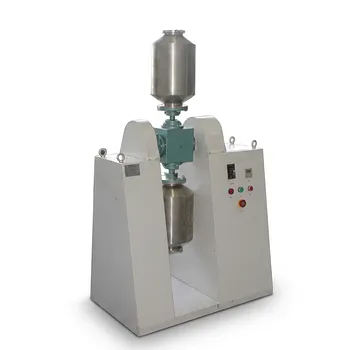
- Multi Dimensional Universal Mixer for High Uniformity Powder Blending
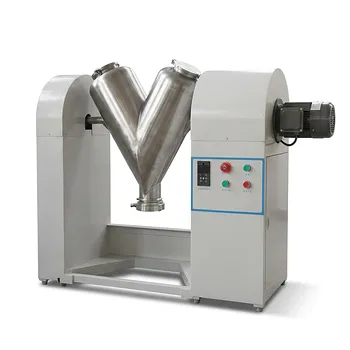
- V-Type Powder Mixer for Uniform Blending of Dry Powders and Granules
People Also Ask
- How does a double cone mixer contribute to the blending and lubrication stages of tablet production? Expert Insights
- What is the primary function of industrial powder mixers in SLS 3D printing of tablets? Ensure Homogeneity & Accuracy
- What is the function of an industrial powder mixer in NiTiZn preparation? Achieve Homogeneity for 3D Printing
- What is the necessity of using industrial powder mixers? Achieve Perfect Homogeneity in Graphite-Copper Composites
- What role does precision powder mixing play in Defect Cluster TBCs? Achieve Atomic-Level Thermal Insulation

Tech Team · PowderPreparation
Last updated on Jun 03, 2026
Related Products
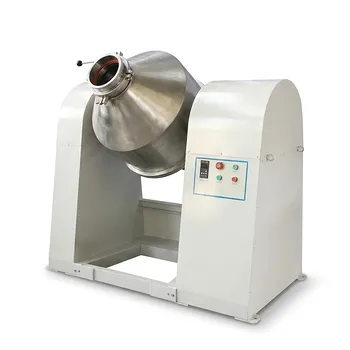
Industrial Double Cone Mixer for Powder Blending and Homogeneous Mixing
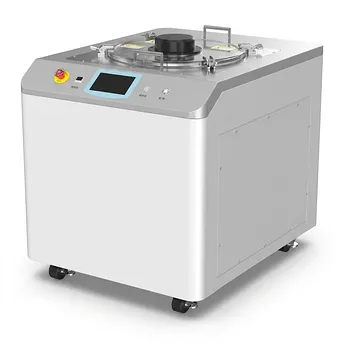
Industrial Planetary Centrifugal Vacuum Defoaming Mixer for High Viscosity Paste and Powder Homogenization
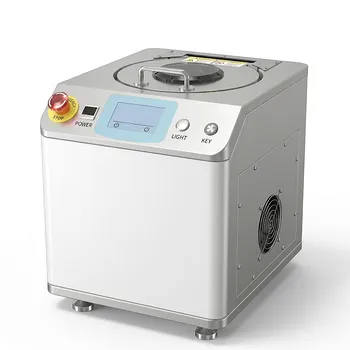
High Efficiency Vacuum Planetary Centrifugal Mixer and Defoaming Machine for Industrial Material Research and Precise Laboratory Powder Dispersion
Multi Dimensional Universal Mixer for High Uniformity Powder Blending
V-Type Powder Mixer for Uniform Blending of Dry Powders and Granules
Inclined Mixer for Homogeneous Powder Blending and Grinding
Horizontal Trough Mixer for Uniform Powder and Paste Blending
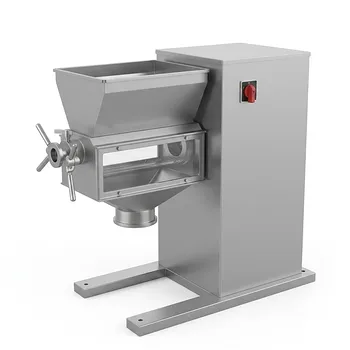
Industrial Swing Granulator for Powder Processing in Pharma Food and Chemical Industries
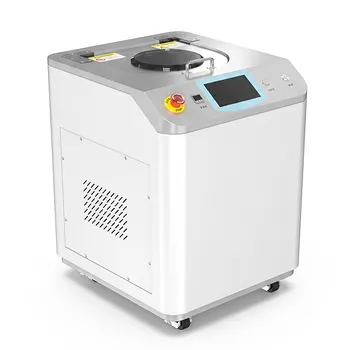
High Speed Vacuum Planetary Centrifugal Mixer and Defoamer for Industrial Paste Processing
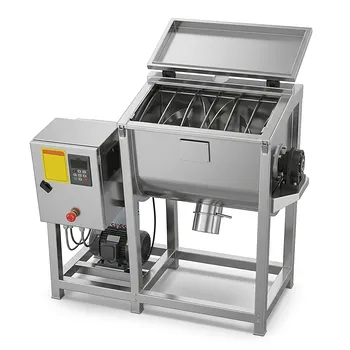
Horizontal Ribbon Mixer for Uniform Powder and Slurry Mixing
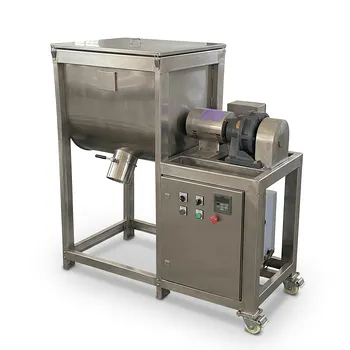
Horizontal Ribbon Mixer for Dry Powder and Slurry Blending
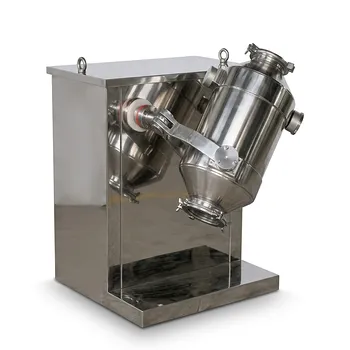
Three-Dimensional Motion Mixer for Laboratory Powder and Granule Blending
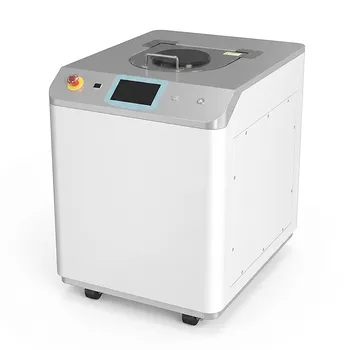
Industrial Planetary Centrifugal Vacuum Defoaming Mixer for High Viscosity Paste and Advanced Material Science
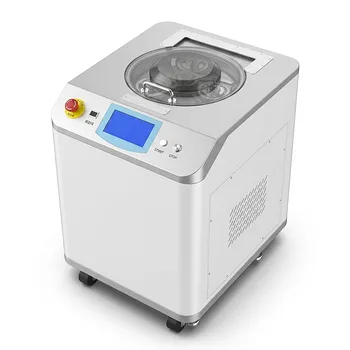
Dual Cup Vacuum Centrifugal Mixer Planetary Paste Defoaming Machine Industrial Material Processor

Vertical Production Planetary Ball Mill for High Throughput Powder Processing
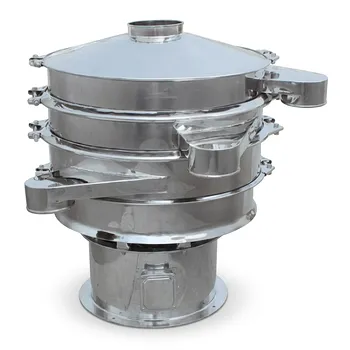
Stainless Steel Rotary Vibrating Sieve High Precision Circular Vibratory Separator Industrial Powder Grading Machine Multi Layer Sifting Equipment
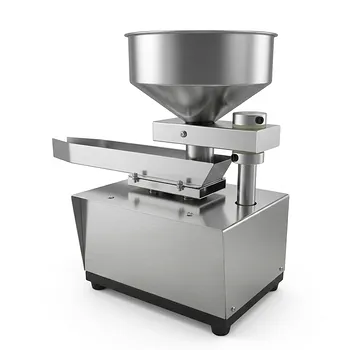
Automatic Vibrating Powder Feeder for Laboratory Material Processing Precision Vibratory Hopper Feeder for Granular and Powder Material Handling Industrial Grade Vibrating Tray Feeder for Consistent Material Sample Preparation
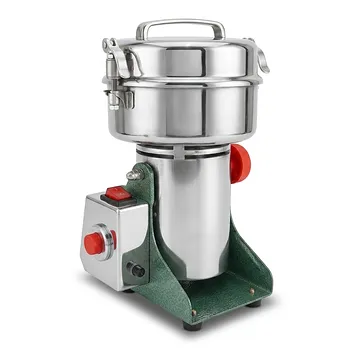
Small High-Speed Laboratory Grinder for Powder Processing
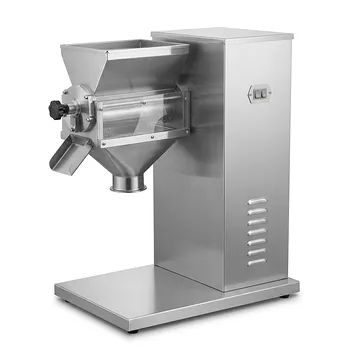
Small Swing Granulator Efficient Powder Granulation for Pharmaceutical Chemical Food Industries