How does a double cone mixer contribute to the blending and lubrication stages of tablet production? Expert Insights
Updated 5 months ago
The double cone mixer is a cornerstone of pharmaceutical solid dosage manufacturing. It facilitates a two-stage process that first ensures a homogeneous distribution of active pharmaceutical ingredients (APIs) and then applies a precise layer of lubricant to the mixture. By utilizing a low-shear, tumbling action, this equipment prepares powders for the compression stage while protecting the physical integrity and chemical efficacy of the formulation.
The double cone mixer balances macro-level blending with micro-level coating, ensuring that powder mixtures are uniform and flowable. Its primary value lies in its ability to lubricate granules effectively without the excessive shear that leads to tablet failure or dissolution delays.
The Mechanics of Homogeneous Blending
Convective and Shear Force Interaction
The double cone mixer operates by rotating its vessel, which subjects the internal powder bed to continuous convection and shear forces. This motion causes the material to cascade and intermix, ensuring that APIs and excipients are distributed uniformly across both macro and micro levels.
Maintaining Granule Integrity
Because the mixer provides a low-shear environment, it is particularly effective for handling sensitive granules produced through hot-melt or wet granulation. The tumbling action prevents the granules from breaking down into "fines," which would otherwise negatively affect the weight uniformity of the final tablets.
Achieving Macro and Micro Uniformity
The geometry of the double cone ensures that there are no "dead spots" within the vessel where powder can remain stagnant. This results in a reliable coefficient of variation (CV), ensuring that every tablet compressed from the batch contains the exact prescribed dose of the API.
Optimizing the Lubrication Stage
Uniform Coating of Surface Agents
After the primary blending phase, lubricants such as magnesium stearate or hydrogenated castor oil are added for a short-duration secondary mix. The mixer’s tumbling action allows these agents to uniformly coat the surface of the granules, which is essential for reducing friction during the compression process.
Enhancing Flow and Ejection
Effective lubrication facilitated by the double cone mixer significantly reduces the ejection force required to remove a tablet from the die. This prevents "sticking" or "picking," where the powder adheres to the punch faces rather than forming a clean, smooth tablet surface.
Precision Timing in Secondary Mixing
The ability to control mixing duration precisely is vital during the lubrication stage. A double cone mixer allows manufacturers to find the "sweet spot" where the lubricant is sufficiently dispersed to aid flow without being over-mixed into the core of the granules.
Understanding the Trade-offs
The Risk of Over-Lubrication
The most significant pitfall in this process is over-lubrication, which occurs if the secondary mixing phase is too long or too intense. This can create a hydrophobic film around the granules, leading to a marked decrease in tablet hardness and a significant delay in disintegration and dissolution.
Efficiency vs. Shear Intensity
While the low-shear nature of the double cone mixer protects granule structure, it may require longer cycle times compared to high-shear mixers to achieve the same level of homogeneity. This trade-off must be managed by optimizing the fill volume, typically recommended at 50% to 60% of the total vessel capacity.
Material Cohesion Challenges
For highly cohesive or "sticky" powders, the low-intensity shear of a standard double cone mixer may be insufficient to break up agglomerates. In these specific cases, an internal intensifier bar may be required, though this introduces higher shear that could potentially damage fragile components.
How to Apply This to Your Production Goal
Making the Right Choice for Your Goal
To maximize the efficiency of your double cone mixer, your operational parameters should be dictated by the specific needs of your formulation.
- If your primary focus is sensitive or friable granules: Utilize the lowest effective rotation speed to ensure blending occurs through gentle tumbling rather than impact.
- If your primary focus is rapid drug dissolution: Keep the secondary lubrication mixing time to the absolute minimum required to prevent punch sticking.
- If your primary focus is batch-to-batch consistency: Standardize the fill volume and rotation count rather than just the mixing time to ensure repeatable shear application.
By mastering the balance between convective blending and controlled lubrication, you ensure a high-quality compression cycle and a reliable therapeutic outcome for the end user.
Summary Table:
| Process Stage | Core Mechanism | Key Benefit in Tablet Production |
|---|---|---|
| Blending | Convective Tumbling | Ensures homogeneous API distribution and batch consistency. |
| Lubrication | Surface Coating | Reduces ejection force and prevents punch sticking/picking. |
| Protection | Low-Shear Action | Maintains granule integrity, preventing fines and weight issues. |
| Optimization | Controlled Timing | Prevents over-lubrication to ensure proper tablet dissolution. |
Elevate Your Material Science Research with Precision Equipment
At [Brand Name], we provide complete laboratory sample preparation solutions tailored for material science and pharmaceutical R&D. Our expertise in powder processing ensures your formulations achieve the highest levels of uniformity and performance.
From double cone mixers and defoaming mixers for perfect blending to a full spectrum of hydraulic presses—including Cold Isostatic Presses (CIP) and standard lab presses for final tablet compression—we offer the tools you need for success. Our extensive line also includes:
- Crushers & Mills: Jaw/roll crushers, planetary ball mills, and jet mills.
- Sieving & Mixing: Sieve shakers and powder mixers for precise particle size control.
- Advanced Pressing: Vacuum hot presses and XRF pellet presses.
Ready to optimize your powder processing workflow? Contact our technical team today to discuss how our equipment can enhance your laboratory efficiency!
References
- Tambe St, Sujit Tambe. FORMULATION DEVELOPMENT AND EVALUATION OF IMMEDIATE RELEASE TABLETS OF MUSCARINIC RECEPTOR ANTAGONIST USING VARIOUS GRADES OF LACTOSE MONOHYDRATE AND API PSD TO STUDY IMPACT ON FLOW PROPERTIES AND DISSOLUTION OF DRUG PRODUCT. DOI: 10.31032/ijbpas/2021/10.6.5540
Mentioned Products
- Industrial Double Cone Mixer for Powder Blending and Homogeneous Mixing
- Hydraulic Double Shaft Disperser for High Viscosity Liquid Mixing and Dispersion
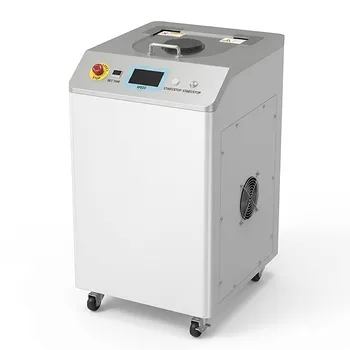
- Dual Cup Vacuum Centrifugal Mixer Planetary Paste Defoaming Machine Industrial Material Processor
- Industrial Planetary Centrifugal Vacuum Defoaming Mixer for High Viscosity Paste and Advanced Material Science
- 非介入式材料均质机真空脱泡行星搅拌高粘度混合设备
People Also Ask
- What is the primary function of industrial powder mixers in SLS 3D printing of tablets? Ensure Homogeneity & Accuracy
- What is the necessity of using industrial powder mixers for multi-component inoculants? Achieve Homogeneity & Precision
- What is the function of an industrial powder mixer in NiTiZn preparation? Achieve Homogeneity for 3D Printing
- What is the necessity of using industrial powder mixers? Achieve Perfect Homogeneity in Graphite-Copper Composites
- What role does precision powder mixing play in Defect Cluster TBCs? Achieve Atomic-Level Thermal Insulation

Tech Team · PowderPreparation
Last updated on May 14, 2026
Related Products
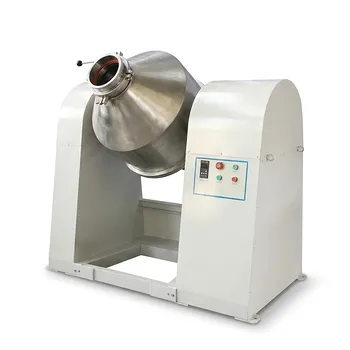
Industrial Double Cone Mixer for Powder Blending and Homogeneous Mixing
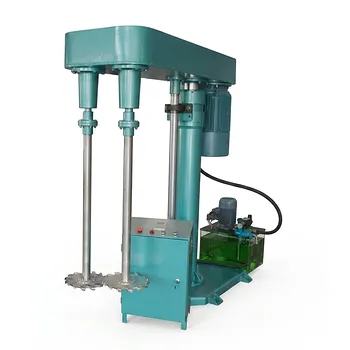
Hydraulic Double Shaft Disperser for High Viscosity Liquid Mixing and Dispersion
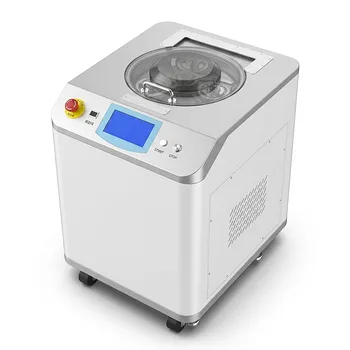
Dual Cup Vacuum Centrifugal Mixer Planetary Paste Defoaming Machine Industrial Material Processor
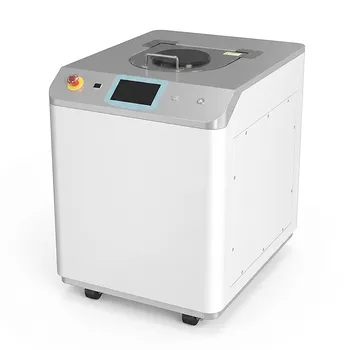
Industrial Planetary Centrifugal Vacuum Defoaming Mixer for High Viscosity Paste and Advanced Material Science
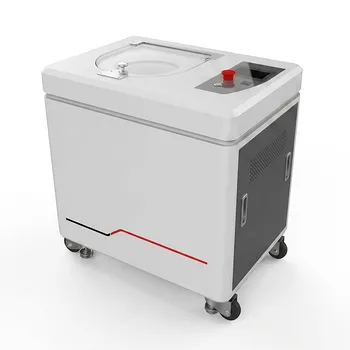
非介入式材料均质机真空脱泡行星搅拌高粘度混合设备
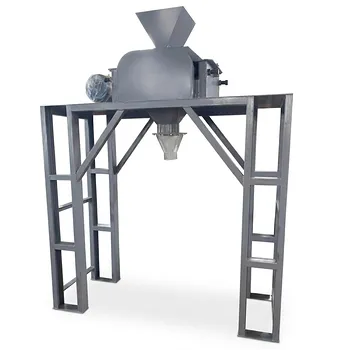
Heightened Customized Laboratory Double Roll Crusher for Coal Ore Rock Crushing
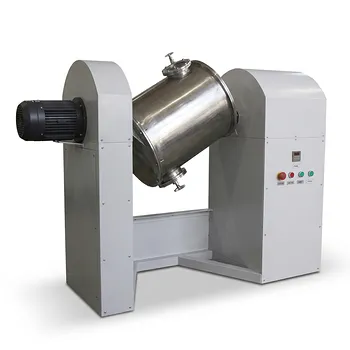
Inclined Mixer for Homogeneous Powder Blending and Grinding
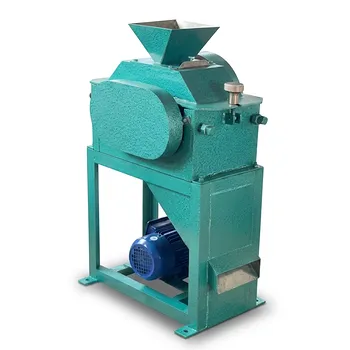
Laboratory Double Roll Crusher for Medium Hardness Materials Coal Ore Sample Preparation
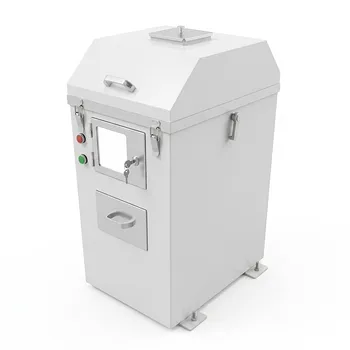
Sealed Double Roll Crusher for Laboratory Sample Preparation of Medium Hardness Materials
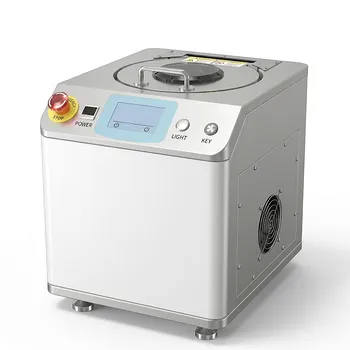
High Efficiency Vacuum Planetary Centrifugal Mixer and Defoaming Machine for Industrial Material Research and Precise Laboratory Powder Dispersion
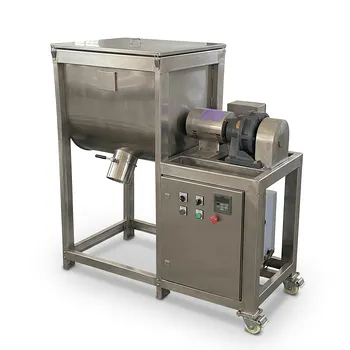
Horizontal Ribbon Mixer for Dry Powder and Slurry Blending
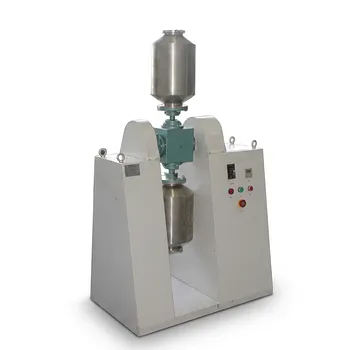
Multi Dimensional Universal Mixer for High Uniformity Powder Blending
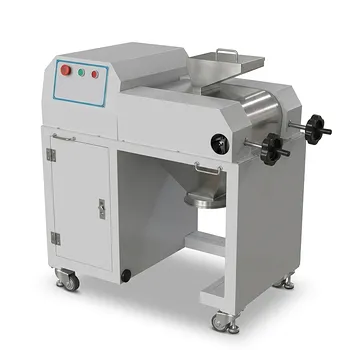
Laboratory Double Roller Crusher for Mining Construction Chemical Sample Preparation
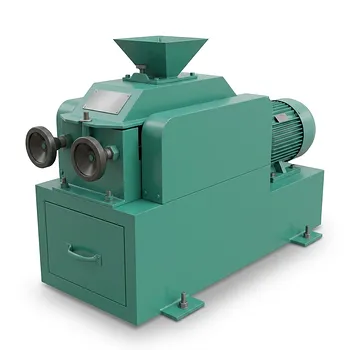
Horizontal Double Roll Crusher for Medium Fine Crushing of Coal Limestone and Ores
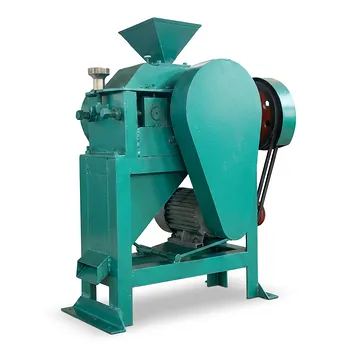
Laboratory Sealed Double Roll Crusher for Coal Ore Rock and Medium Hardness Materials Sample Preparation
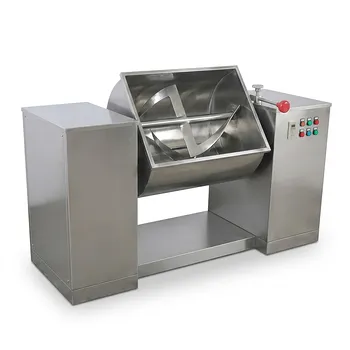
Horizontal Trough Mixer for Uniform Powder and Paste Blending
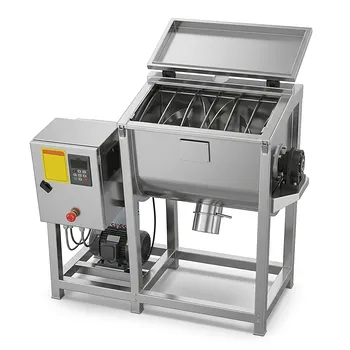
Horizontal Ribbon Mixer for Uniform Powder and Slurry Mixing
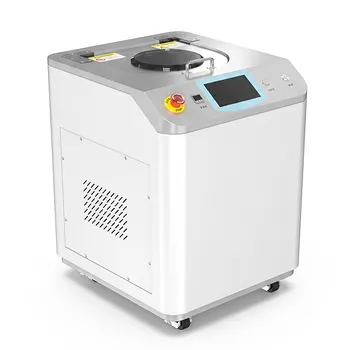
High Speed Vacuum Planetary Centrifugal Mixer and Defoamer for Industrial Paste Processing
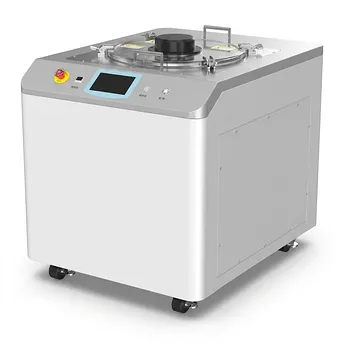
Industrial Planetary Centrifugal Vacuum Defoaming Mixer for High Viscosity Paste and Powder Homogenization