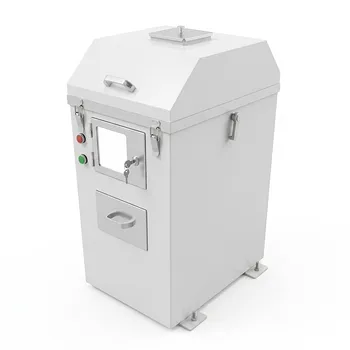
What is the primary function of industrial-grade crushers and grading equipment? Maximize Reactivity and Uniformity
Updated 5 months ago
The transformation of raw mine waste into functional filling material begins with precision particle size reduction. Industrial-grade crushers and grading equipment function primarily to reduce coarse ore blocks and mine tailings into powders with specific, uniform granularities. This physical processing is critical because it directly enhances the reaction activity of the material and ensures a seamless, stable mixture with binders such as fly ash and green cement.
The primary role of crushing and grading equipment is to convert physically inert, oversized waste into a reactive, high-surface-area powder. This process provides the essential physical foundation required for chemical activation and the creation of a homogenous mineral mixture.
Achieving Precision in Particle Size Distribution
Preparation for Secondary Processing
Industrial-grade crushers, such as jaw crushers, serve as the initial gatekeepers in the comminution process. They utilize mechanical pressure to reduce large raw ore fragments to a granularity suitable for secondary systems like ball mills or stirred mills.
Ensuring Mixture Uniformity
Grading equipment ensures that the resulting powder reaches a specific particle size distribution. This precision is vital for the subsequent stages where mine tailings are blended with supplementary cementitious materials (SCM), ensuring the final filling material is structurally consistent.
Optimization of Material Feed
By refining the dimensions of raw materials early, this equipment fundamentally influences the energy efficiency of the entire production line. Properly sized feed prevents overworking secondary grinding systems and reduces the overall mechanical load on the facility.
Maximizing Chemical and Physical Reactivity
Increasing Specific Surface Area (SSA)
The reduction of hard rock and tailings into micron-scale powders significantly increases the specific surface area of the mineral. A higher surface area provides more active sites for chemical reactions, which is essential for the effective bonding of the filling material.
Disruption of Mineral Structures
Aggressive mechanical shearing and impact forces do more than just break blocks; they disrupt the compact physical structure of the raw material. This disruption allows chemical activation reagents or heat to penetrate the particles more uniformly and rapidly during later treatment phases.
Enhancing Supplementary Cementitious Properties
In the context of mine filling, low-grade waste must often act as a binder or aggregate. Precision crushing transforms these materials into highly reactive powders that can successfully replace or augment traditional cement, improving the sustainability of the mining operation.
Understanding the Trade-offs
Energy Consumption vs. Fineness
While finer particles generally lead to higher reactivity and better structural stability, the energy required for multi-stage grinding increases exponentially as particle size decreases. Achieving a balance between the desired "fineness" and the cost of electricity is a constant operational challenge.
Equipment Wear and Maintenance
Industrial crushers deal with high-impact forces and abrasive materials, leading to significant mechanical wear. Maintaining the precision of grading equipment requires frequent calibration and part replacement, which can lead to downtime if not managed through a predictive maintenance strategy.
Dust Management and Environmental Impact
The process of reducing ore to fine powder generates substantial amounts of particulate matter. Facilities must invest in secondary dust suppression and filtration systems to remain compliant with environmental regulations and ensure worker safety.
Strategic Implementation for Mine Filling Projects
How to Apply This to Your Project
To successfully integrate crushing and grading equipment into your mine filling workflow, your choice of technology should align with your specific material output goals.
- If your primary focus is Maximum Structural Strength: Prioritize multi-stage grinding systems that can achieve over 90% particle fineness below 500 microns to maximize chemical bonding.
- If your primary focus is Operational Cost Reduction: Focus on primary jaw crushers that optimize the feed size for secondary mills, thereby reducing the energy load of the final grinding stage.
- If your primary focus is Material Homogeneity: Invest in high-precision grading and screening equipment to ensure a uniform particle distribution that prevents "clumping" during the mixing of fly ash and cement.
By viewing crushing not merely as waste reduction but as a critical "activation" step, operators can transform mine tailings into a high-performance resource.
Summary Table:
| Process Stage | Primary Function | Equipment Example | Key Impact on Material |
|---|---|---|---|
| Primary Crushing | Coarse size reduction | Jaw Crushers, Roll Crushers | Prepares feed for secondary processing |
| Fine Grinding | Increasing specific surface area | Ball Mills, Jet Mills | Enhances chemical and physical reactivity |
| Grading/Sizing | Particle size distribution | Sieve Shakers (Vibratory/Air-jet) | Ensures mixture uniformity and stability |
| Material Prep | Structural disruption | Mills and Grinders | Improves bonding with binders/cement |
Transform Your Raw Materials into High-Performance Resources
At [Brand Name], we provide complete laboratory sample preparation solutions for material science, specializing in high-performance powder processing and compaction equipment. Whether you are optimizing mine waste for filling materials or researching new mineral applications, our precision tools ensure the reactivity and uniformity your project demands.
Our extensive product lines include:
- Size Reduction: Heavy-duty jaw/roll crushers and liquid nitrogen cryogenic grinders.
- Advanced Milling: Planetary ball mills, jet mills, sand/bead mills, and rotor mills.
- Precision Grading: Vibratory and air-jet sieve shakers with a full range of test sieves.
- Mixing & Compaction: Powder and defoaming mixers, plus a full spectrum of hydraulic presses including Cold/Warm Isostatic Presses (CIP/WIP), vacuum hot presses, and XRF pellet presses.
Ready to enhance your lab's efficiency and material quality?
Contact our experts today to find the perfect solution for your specific application!
References
- Junbeum Lee, Eunhyea Chung. Assessment of Long-Term Leaching Characteristics of Mine Backfill Materials. DOI: 10.7844/kirr.2025.34.5.60
Mentioned Products
- Versatile Industrial Crusher for Laboratory Crushing and Material Processing
- Industrial Sealed Hammer Knife Crusher for Mining Ore and Coal Sample Preparation
- Heavy Duty Industrial Jaw Crusher for Primary Ore Crushing and High Capacity Mineral Material Size Reduction
- Heavy-Duty Jaw Crusher for Medium-Hard Ore and Industrial Mineral Crushing
- 250x400mm Jaw Crusher Medium Crushing Equipment for Mining Mineral Sample Preparation
People Also Ask
- What is the purpose of using industrial crushers and vibratory sieve shakers in the pretreatment of coal gangue? Ensure Uniformity
- What is the role of industrial crushers and standard test sieves in biomass pyrolysis? Optimize Heat Transfer & Yield
- What is the function of industrial crushers in the initial preparation of silicate minerals? Enhance Sample Uniformity
- What is the function of an industrial crusher in CRSS filler preparation? Essential Size Reduction for Carbonization
- How do crushers and mills work together in gypsum recycling? Transform drywall waste into reactive ceramic materials.

Tech Team · PowderPreparation
Last updated on May 14, 2026
Related Products
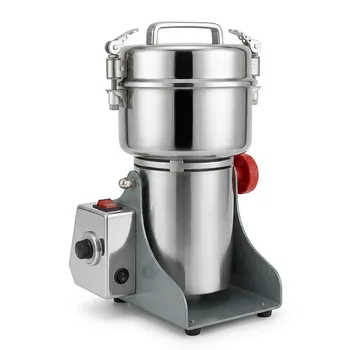
Versatile Industrial Crusher for Laboratory Crushing and Material Processing
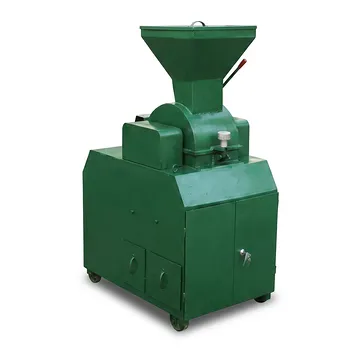
Industrial Sealed Hammer Knife Crusher for Mining Ore and Coal Sample Preparation
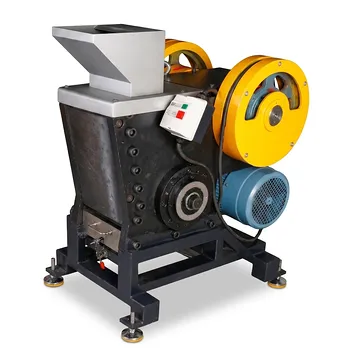
Heavy Duty Industrial Jaw Crusher for Primary Ore Crushing and High Capacity Mineral Material Size Reduction
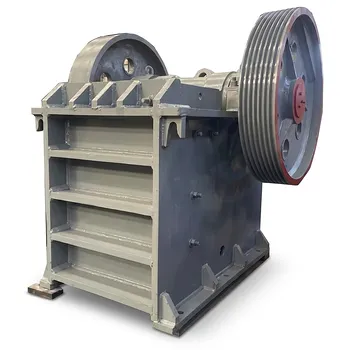
Heavy-Duty Jaw Crusher for Medium-Hard Ore and Industrial Mineral Crushing
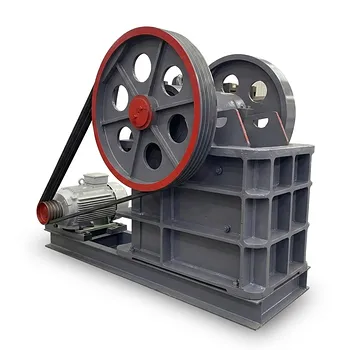
250x400mm Jaw Crusher Medium Crushing Equipment for Mining Mineral Sample Preparation
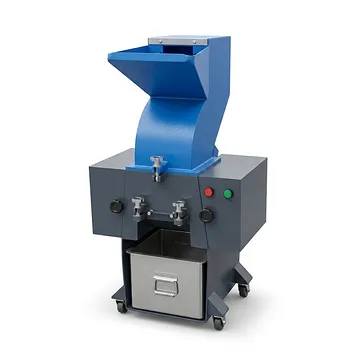
Heavy-Duty Crusher for Laboratory and Industrial Material Size Reduction
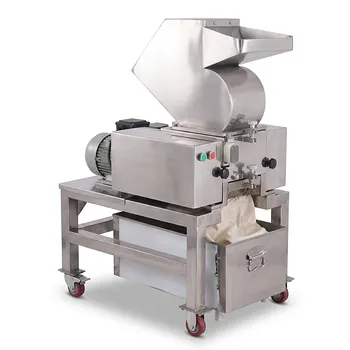
Stainless Steel Coarse Crusher for Pharmaceutical Food and Plastic Material Processing
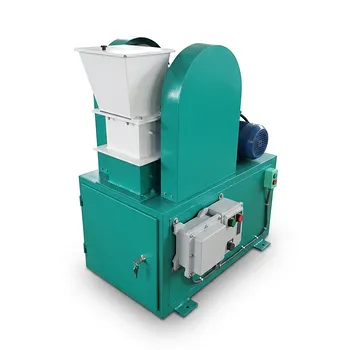
Custom Explosion-Proof Sealed Jaw Crusher for Laboratory and Industrial Sample Preparation
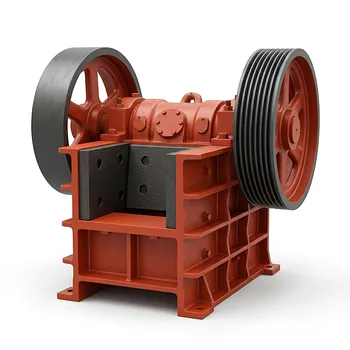
250x400 Jaw Crusher for Primary Crushing of Ores and Bulk Materials
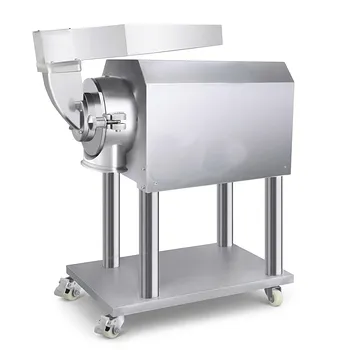
High Speed Small Laboratory Crusher for Dry Material Sample Preparation
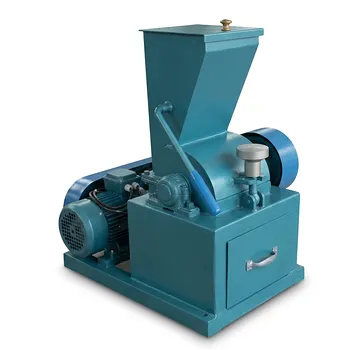
Small Hammer Crusher for Brittle Material Crushing in Mining Metallurgy and Lab Sample Preparation
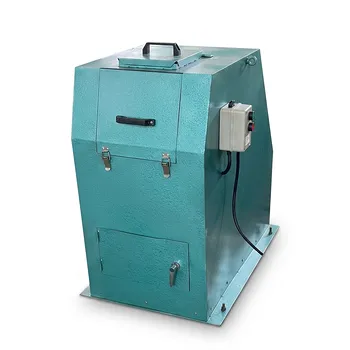
Environmentally Friendly Sealed Laboratory Jaw Crusher for Sample Preparation
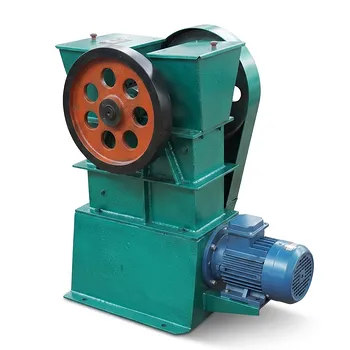
150×125mm Laboratory Jaw Crusher for Medium and Fine Crushing of Brittle Materials
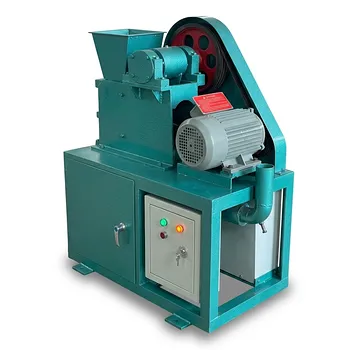
EP-B Type Sealed Jaw Crusher for Laboratory Sample Preparation
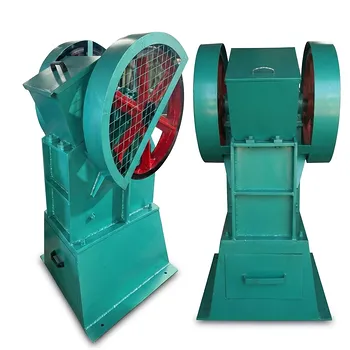
Sealed Jaw Crusher for Laboratory Material Crushing and Sample Preparation
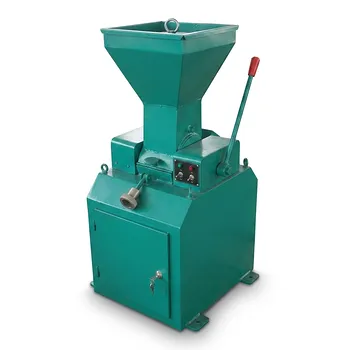
Laboratory Sealed Hammer Crusher for Coal and Mineral Sample Preparation
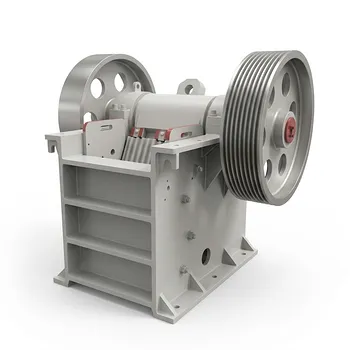
Jaw Crusher with 400x600mm Feed Opening for Primary Rock Crushing in Mining and Construction
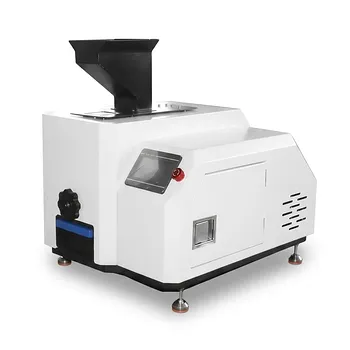
Laboratory Jaw Crusher 2025 Model for Ore and Brittle Material Crushing
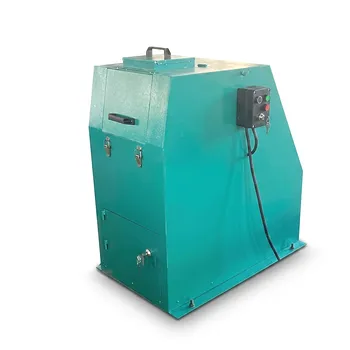
Environmentally Friendly Sealed Jaw Crusher for Laboratory Sample Preparation