What is the primary function of a vacuum hot press furnace in B4C-SiC-TiC-TiB2 synthesis? Maximize Density & Purity
Updated 4 months ago
The primary function of a vacuum hot press furnace is to provide the simultaneous application of high temperatures and axial pressure to drive in-situ chemical reactions and achieve high material density. In the synthesis of B4C-SiC-TiC-TiB2 composites, this equipment facilitates a solid-phase reaction between titanium carbide (TiC) and boron carbide (B4C) at approximately 1620°C to generate titanium diboride (TiB2) while ensuring a relative density of roughly 96%.
A vacuum hot press furnace serves as the critical engine for "thermal-mechanical coupling," transforming raw powder mixtures into high-strength ceramics by combining chemical synthesis, degassing, and physical densification into a single controlled process.
Driving In-Situ Chemical Synthesis
Facilitating Solid-Phase Reactions
The furnace provides the necessary thermal and kinetic energy to initiate reactions between constituent materials. In this specific composite, the heat triggers a solid-phase reaction where TiC and B4C interact to form TiB2 directly within the matrix.
Enhancing Phase Purity and Distribution
By generating TiB2 in situ, the furnace ensures a more uniform distribution of the reinforcement phase than mechanical mixing could achieve. This process, occurring under controlled pressure, results in a more stable and high-performance crystalline structure.
Controlling the Reaction Environment
The vacuum environment is essential to prevent the oxidation of sensitive components like titanium-based compounds at elevated temperatures. It ensures that the chemical energy is spent on the desired synthesis rather than reacting with atmospheric oxygen or contaminants.
Achieving Maximum Material Densification
Forced Degassing and Porosity Elimination
One of the most critical roles of the vacuum hot press is forced degassing. By removing gases from the powder compact during heating, the furnace eliminates internal pores that would otherwise weaken the final ceramic product.
Grain Rearrangement and Plastic Deformation
The application of axial pressure (often reaching 50 MPa or higher) forces grain rearrangement and plastic deformation. This physical compaction moves particles into a dense packing arrangement, filling voids that heat alone cannot close.
Improving Compressive Strength
Through these mechanisms, the furnace achieves a relative density of approximately 96%. This high density is the direct prerequisite for the superior compressive strength required in advanced technical ceramics.
Understanding the Trade-offs
Geometry and Scalability Limitations
Vacuum hot pressing is primarily a uniaxial process, meaning pressure is applied in one direction. This limits the complexity of the parts that can be produced compared to methods like Isostatic Pressing, often restricting production to plates, discs, or simple cylinders.
Cost and Cycle Time
The requirement for simultaneous high heat, high vacuum, and mechanical pressure makes this an energy-intensive process. Additionally, the cooling and heating cycles are time-consuming, which can lead to higher per-unit costs compared to atmospheric sintering.
Material Interaction with Tooling
The high temperatures and pressures can cause the composite to react with the graphite dies or molds used in the furnace. This necessitates the use of specialized coatings or foils to prevent contamination or bonding between the part and the equipment.
How to Apply This to Your Project
Making the Right Choice for Your Goal
- If your primary focus is maximum hardness and strength: Utilize high axial pressure (50 MPa+) and temperatures above 1600°C to ensure 96%+ relative density and complete in-situ reaction.
- If your primary focus is preventing phase contamination: Prioritize a high-vacuum environment (or ultra-pure argon) to inhibit oxidation and ensure the purity of the Ti2AlC or TiB2 phases.
- If your primary focus is complex geometric precision: Consider using the vacuum hot press to create a high-density "blank" or preform that can be precision-machined in its final hardened state.
The vacuum hot press furnace is the indispensable tool for bridging the gap between raw powder chemistry and high-performance structural integrity.
Summary Table:
| Key Mechanism | Role in Composite Synthesis | Primary Benefit |
|---|---|---|
| In-Situ Reaction | Drives solid-phase synthesis (TiC + B4C → TiB2) | High phase purity and uniform reinforcement |
| Axial Pressure | Forces grain rearrangement & plastic deformation | Eliminates internal pores for maximum density |
| Vacuum Environment | Removes gases and prevents oxidation | Protects titanium-based phases from contamination |
| Thermal Coupling | Provides kinetic energy at ~1620°C | Achieves ~96% relative density and high strength |
Elevate Your Advanced Material Synthesis with Laboratory Solutions
Achieving theoretical density and phase purity in complex composites like B4C-SiC-TiC-TiB2 requires precision at every stage. [Brand Name] provides complete laboratory sample preparation solutions for material science, specializing in high-performance powder processing and compaction equipment designed for rigorous research environments.
From initial particle size reduction to final high-pressure synthesis, our expertise covers the entire workflow:
- Powder Processing: High-efficiency crushers (jaw/roll), liquid nitrogen cryogenic grinders, and a variety of mills (planetary ball, jet, sand, rotor) for perfect precursor mixing.
- Sieving & Mixing: Precision sieve shakers and advanced powder/defoaming mixers to ensure sample homogeneity.
- Advanced Compaction: A full spectrum of hydraulic presses, including Cold/Warm Isostatic Presses (CIP/WIP), standard lab presses, XRF pellet presses, and our specialized Vacuum Hot Presses for in-situ synthesis.
Ready to optimize your ceramic densification and achieve superior material properties? Contact our technical team today to discuss how our equipment can empower your next breakthrough.
References
- Zviad Kovziridze, Nino Darakhvelidze. Multifunctional Composite in the B<sub>4</sub>C-SiC-TiC-TiB<sub>2</sub> System. DOI: 10.4236/jectc.2025.141001
Mentioned Products
- Industrial Vacuum Kneader for High-Viscosity Silicone, Rubber, and Compound Mixing
- Dual Cup Vacuum Centrifugal Mixer Planetary Paste Defoaming Machine Industrial Material Processor
- Industrial Planetary Centrifugal Vacuum Defoaming Mixer for High Viscosity Paste and Powder Homogenization
- High Speed Vacuum Planetary Centrifugal Mixer and Defoamer for Industrial Paste Processing
- Heating Temperature Controlled High Energy Vibratory Ball Mill
People Also Ask
- Why is a vacuum hot press sintering furnace necessary for producing silicon-based advanced materials? Achieve High-Purity
- What is the role of a vacuum hot press sintering furnace in CBST target prep? Achieve high-density & pure alloy targets.
- What are the core processing advantages of vacuum hot pressing for magnesium alloy composites? Maximize Material Purity.
- What are the advantages of using a vacuum hot press furnace? Superior Density and Strength for SiCp/Al Composites
- What are the technical advantages of using a vacuum hot press furnace for Si3N4/BN ceramics? Achieve 99%+ Density

Tech Team · PowderPreparation
Last updated on Jun 03, 2026
Related Products
Industrial Vacuum Kneader for High-Viscosity Silicone, Rubber, and Compound Mixing
Dual Cup Vacuum Centrifugal Mixer Planetary Paste Defoaming Machine Industrial Material Processor
Industrial Planetary Centrifugal Vacuum Defoaming Mixer for High Viscosity Paste and Powder Homogenization
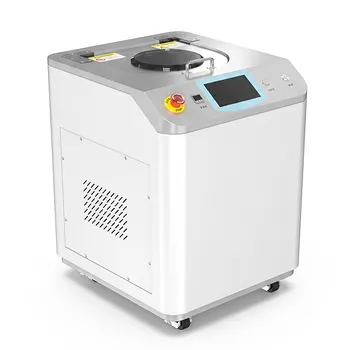
High Speed Vacuum Planetary Centrifugal Mixer and Defoamer for Industrial Paste Processing
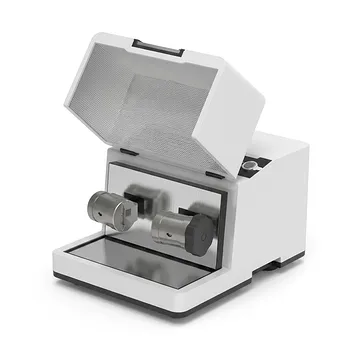
Heating Temperature Controlled High Energy Vibratory Ball Mill
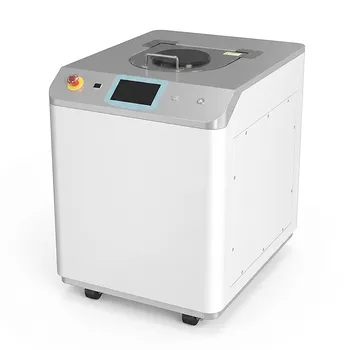
Industrial Planetary Centrifugal Vacuum Defoaming Mixer for High Viscosity Paste and Advanced Material Science
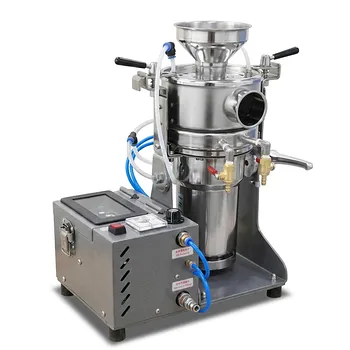
Water Cooled Pulse Jet Ultrafine Grinder
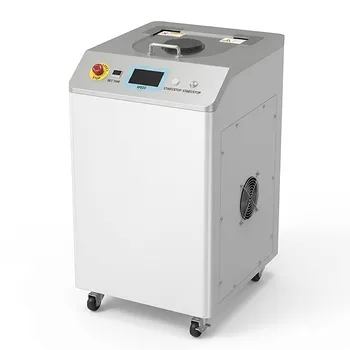
High Viscosity Planetary Centrifugal Vacuum Mixer for Material Defoaming and Uniform Mixing
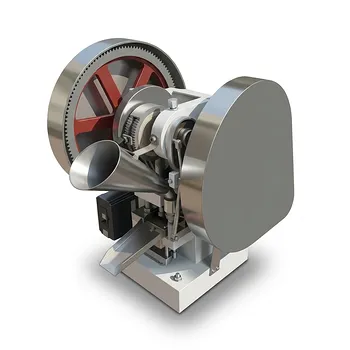
6 Ton Variable Frequency Single Punch Tablet Press
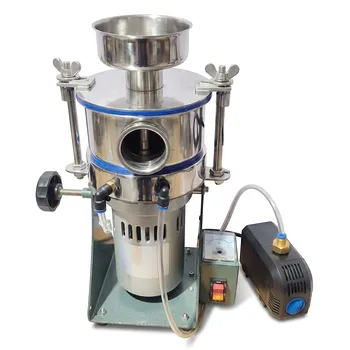
Water Cooled Airflow Ultra Fine Grinder for Low Temperature Material Processing
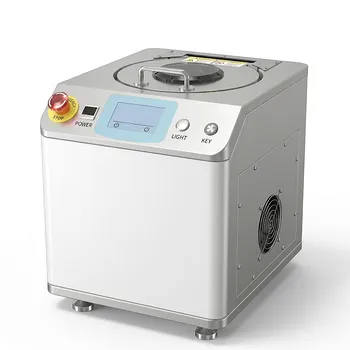
High Efficiency Vacuum Planetary Centrifugal Mixer and Defoaming Machine for Industrial Material Research and Precise Laboratory Powder Dispersion
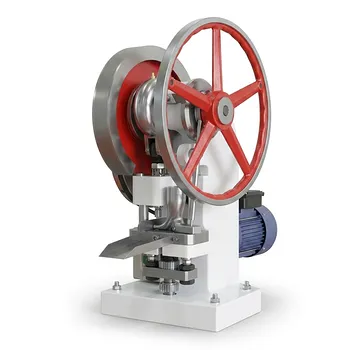
5 Ton Single Punch Tablet Press Laboratory Small Batch Production
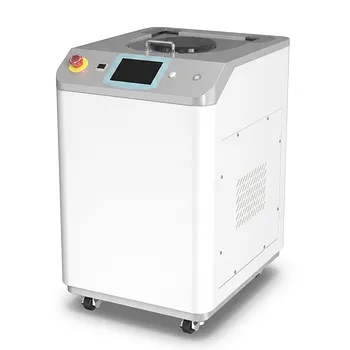
High Viscosity Planetary Centrifugal Mixing and Vacuum Defoaming Machine for Laboratory Material Preparation
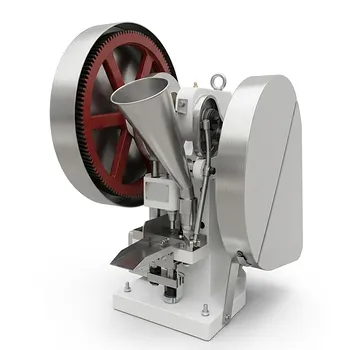
6-Ton Small Single-Punch Tablet Press — Laboratory Powder & Granule Tableting Equipment / Tablet Forming Machine
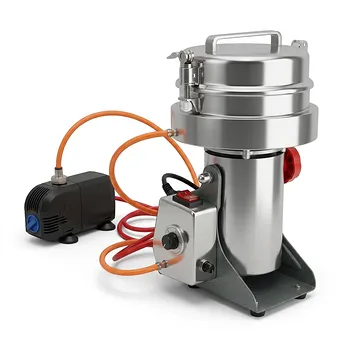
Water Cooled High Speed Grinder with Cryogenic Option for Laboratory Sample Preparation
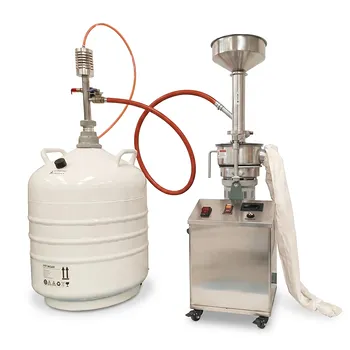
Laboratory Liquid Nitrogen Cryogenic Grinder Polymer Sample Preparation Pulverizer
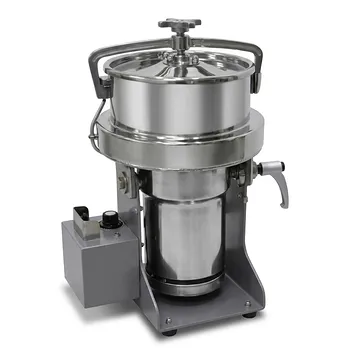
500g Capacity Water Cooled Low Temperature Grinder with Variable Speed and Safety Cover
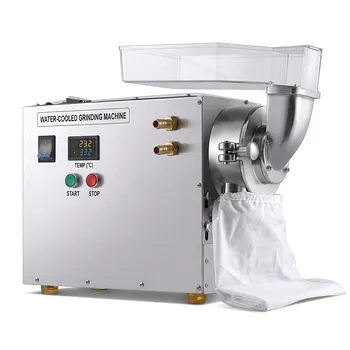
Water Cooled Graduated Continuous Feed Pulverizer for Industrial Powder Processing and Laboratory Material Preparation
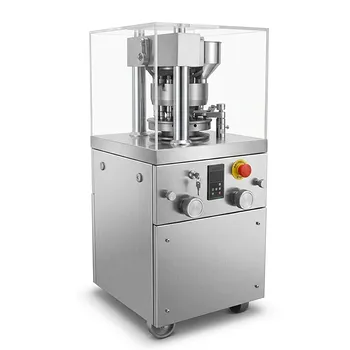
Ordinary Type Rotary Tablet Press for Pharmaceutical Chemical Food Electronic Industries