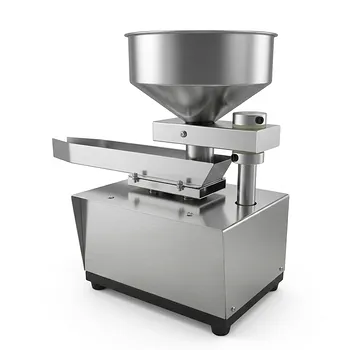
What is the necessity of using standard test sieves and vibratory sieve shakers? Optimize Concrete Quality & Compliance
Updated 3 months ago
Standardized aggregate grading is the bedrock of concrete quality. Using standard test sieves and vibratory sieve shakers allows engineers to precisely classify materials into fine and coarse aggregates. This process ensures that the resulting mixture meets specific grading standards, such as BS 882 or ASTM, which are essential for achieving the required mechanical stability, workability, and long-term durability of the concrete.
Core Takeaway: Precise sieve analysis optimizes aggregate packing density, which minimizes internal voids and reduces the amount of expensive cement paste needed. This balance is critical for producing high-strength, cost-effective concrete that remains easy to handle during construction.
The Role of Precision Grading in Concrete Performance
Achieving Optimal Packing Density
The primary goal of using test sieves is to determine the particle size distribution (grading) of the aggregates. When particles are graded correctly, smaller grains fill the gaps between larger stones, creating a dense matrix.
This tight packing significantly reduces the "void ratio" within the mixture. A lower void ratio means less cement paste is required to bind the aggregates together, which directly lowers material costs and reduces the risk of shrinkage cracks.
Compliance with Engineering Standards
Engineering standards like BS 882, SNI, or ASTM define specific nominal grading ranges for concrete. Using standard test sieves (such as the 4.75mm sieve for sand and 10–20mm sieves for stone) ensures the aggregate falls within these "grading zones."
Compliance with these standards is not just a formality; it is a prerequisite for ensuring the compressive strength and structural integrity of the final build. Grading curves derived from this data allow for the precise control of the fresh mixture’s flowability.
The Mechanical Necessity of Vibratory Sieve Shakers
Consistency and Speed in Particle Separation
A vibratory sieve shaker uses controlled mechanical vibration to move material through a stack of sieves with decreasing aperture sizes. This method is far more efficient and accurate than manual shaking, as it applies consistent force to ensure every particle has the opportunity to pass through the mesh.
The shaker forcibly screens the aggregates, ensuring that the particle size distribution frequency is recorded accurately. This data is fundamental for optimizing the mix design and ensuring repeatability across different batches of concrete.
Determining the Fine vs. Coarse Threshold
Standardized equipment is necessary to define the critical transition point between fine aggregates (like natural sand) and coarse aggregates (like crushed stone). Typically, a 4.75mm sieve acts as the separator for these classifications.
By precisely controlling the volume of fine material passing through this threshold, engineers can enhance the workability of the concrete. A well-balanced ratio of fine-to-coarse material ensures the fresh concrete can be easily pumped and finished without segregating.
Understanding the Trade-offs and Limitations
Equipment Calibration and Mesh Wear
The accuracy of a sieve analysis is entirely dependent on the integrity of the sieve mesh. Over time, abrasive aggregates can stretch or wear down the wires, leading to inaccurate grading data and potential structural failures.
Regular calibration and inspection are required to maintain the standardized apertures. Using damaged sieves can result in an "out-of-spec" mixture that may appear correct on paper but fails under mechanical testing.
Impact of Sieve Overloading
One common pitfall is overloading the sieves during the shaking process. When too much material is placed on a single sieve, particles can become trapped or "blinded" by other grains, preventing them from passing through the mesh.
This leads to an inaccurate representation of the distribution curve, often suggesting the material is coarser than it actually is. Following strict weight limits for each sieve diameter is essential for maintaining the objectivity of the test.
How to Apply Gradation Analysis to Your Project
Making the Right Choice for Your Goal
To achieve the best results with aggregate distribution, your approach should vary based on the project's specific requirements:
- If your primary focus is High-Performance Strength: Use a vibratory shaker to achieve the tightest possible packing density, which maximizes compressive strength by reducing internal voids.
- If your primary focus is Workability and Pumping: Ensure your fine aggregates strictly meet the grading zone requirements of BS 882 to maintain a smooth, flowable mixture.
- If your primary focus is Cost Optimization: Utilize precise sieve analysis to minimize the void ratio, allowing you to reduce the volume of expensive cement paste without sacrificing quality.
Precise aggregate grading through standardized sieving is the most effective way to guarantee the structural integrity and economic efficiency of any concrete mixture.
Summary Table:
| Key Component | Function in Concrete Testing | Primary Benefit |
|---|---|---|
| Standard Test Sieves | Classifies aggregates into specific size fractions | Ensures compliance with ASTM/BS grading standards |
| Vibratory Sieve Shaker | Automates consistent particle separation | Increases accuracy and repeatability vs. manual shaking |
| Grading Analysis | Determines optimal packing density | Reduces cement consumption and lowers material costs |
| Threshold Control | Defines fine vs. coarse aggregate ratio | Enhances workability and prevents mixture segregation |
Elevate Your Material Testing Precision with Our Expert Solutions
Achieving the perfect concrete mix requires more than just standards—it requires precision equipment. At [Company Name], we provide complete laboratory sample preparation solutions for material science, specializing in high-performance powder processing and compaction equipment.
Whether you need to optimize aggregate distribution or advance your research in material durability, our extensive product line supports every stage of your workflow:
- Sieving & Milling: Vibratory and air-jet sieve shakers, test sieves, planetary ball mills, jet mills, and cryogenic grinders.
- Compaction & Pressing: A full spectrum of hydraulic presses, including Cold/Warm Isostatic Presses (CIP/WIP), vacuum hot presses, and XRF pellet presses.
- Mixing: High-efficiency powder mixers and defoaming mixers for uniform results.
Ready to enhance your lab's efficiency and ensure structural integrity? Contact our specialists today to discuss how our specialized equipment can streamline your project requirements and maximize your ROI.
References
- Adejoh A. Adaji, Charles A. Balami. Assessment of the Strength Properties of Biu Soil Concrete Incorporating Rice Husk Ash and Soybean Hull Ash. DOI: 10.70382/hujaeed.v9i4.008
Mentioned Products
- Vibratory Sieve Shaker Electromagnetic 3D Motion Powder Particle Size Analyzer for Dry and Wet Sieving
- Heavy Duty Dry Three Dimensional Vibratory Sieve Shaker for Particle Separation
- Small Laboratory Vibratory Sieve Shaker for Powder Gradation and Particle Size Analysis
- Dry Three Dimensional Vibratory Sieve Shaker
- Laboratory Dry and Wet Three Dimensional Vibratory Sieve Shaker for Particle Analysis
People Also Ask
- How does a vibratory sieve shaker contribute to optimizing the performance of activated carbon? Enhance Adsorption Precision
- Why is a laboratory vibratory sieve shaker necessary for processing magnesium-based borate precursor powders? Boost Activity
- Why use a vibratory sieve shaker to verify coarse aggregate grading in rubberized concrete? Ensure Structural Integrity
- What function do vibratory sieve shakers and standard test sieves serve in the preparation of adsorbents? Key Guide
- What role does a vibratory sieve shaker play in the particle size analysis of ground corn products? Enhance QC Precision

Tech Team · PowderPreparation
Last updated on Jun 03, 2026
Related Products
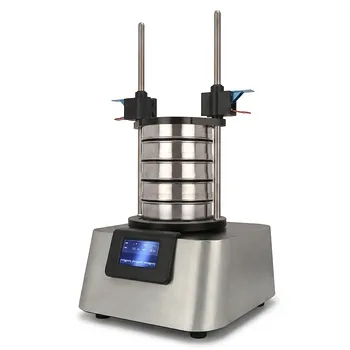
Vibratory Sieve Shaker Electromagnetic 3D Motion Powder Particle Size Analyzer for Dry and Wet Sieving
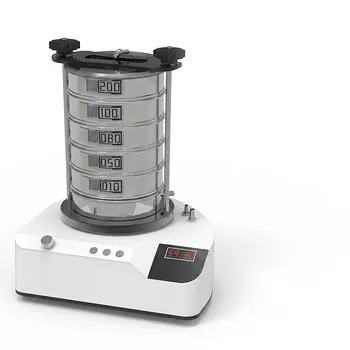
Heavy Duty Dry Three Dimensional Vibratory Sieve Shaker for Particle Separation
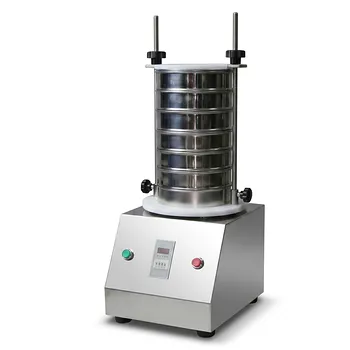
Small Laboratory Vibratory Sieve Shaker for Powder Gradation and Particle Size Analysis
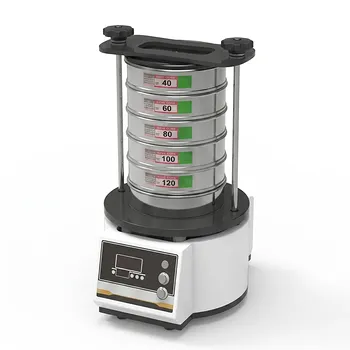
Dry Three Dimensional Vibratory Sieve Shaker
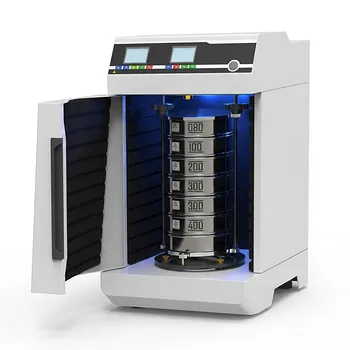
Laboratory Dry and Wet Three Dimensional Vibratory Sieve Shaker for Particle Analysis
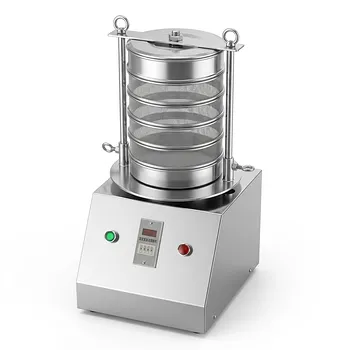
Stainless Steel Laboratory Vibratory Test Sieve Shaker
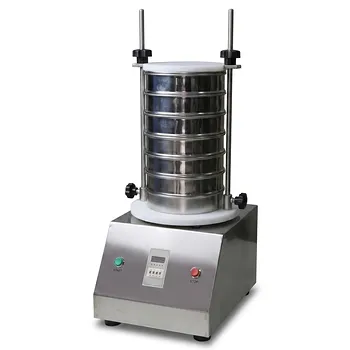
Laboratory Vibratory Test Sieve Shaker for Precision Particle Size Analysis and Powder Grading
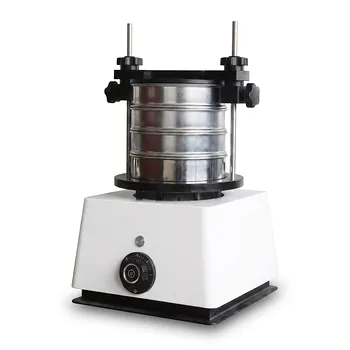
Small Laboratory Vibrating Sieve Shaker for Precise Particle Size Analysis
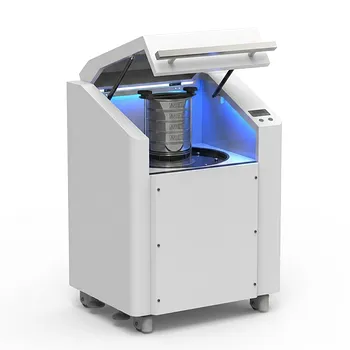
High Frequency Cabinet Type Three-Dimensional Rotary Vibrating Sieve Shaker for Dry Sieving and Particle Classification
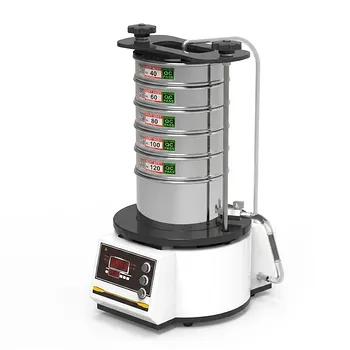
High Frequency Wet Three-Dimensional Vibrating Sieve Shaker for Dry and Wet Particle Size Analysis
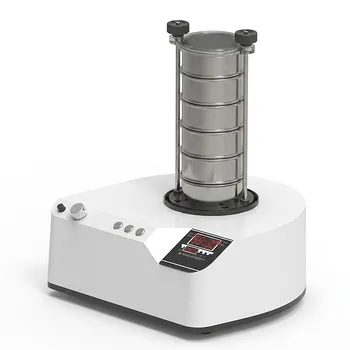
三维电磁微量振动筛分仪
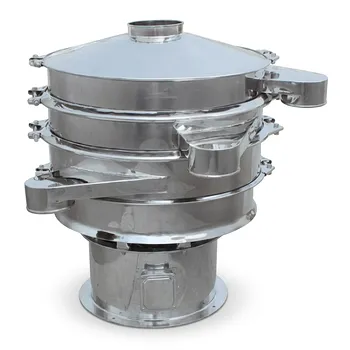
Stainless Steel Rotary Vibrating Sieve High Precision Circular Vibratory Separator Industrial Powder Grading Machine Multi Layer Sifting Equipment
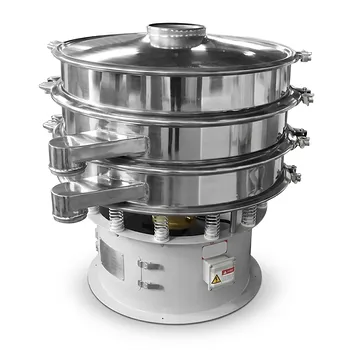
Three Dimensional Rotary Vibrating Sieve
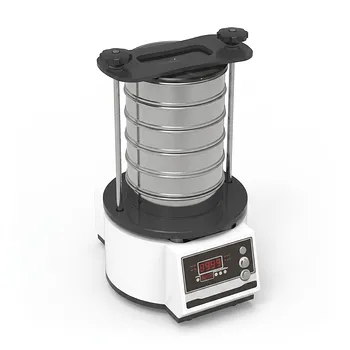
Tapping Oscillating Sieve Shaker for Dry and Wet Particle Size Analysis