What is the necessity of a lab hydraulic press for high-performance insulating bricks? Optimize Strength & Insulation
Updated 4 months ago
The laboratory hydraulic press is the fundamental tool for achieving the precise balance of mechanical strength and thermal efficiency required in high-performance insulating bricks. By applying controlled, uniform pressure to mixtures of laterite, cement, and insulating additives, the press facilitates "compressed earth technology." This process ensures that the resulting geoconcrete exceeds industrial compressive strength standards (often surpassing 2 MPa) while maintaining the structural integrity necessary for superior thermal insulation.
A laboratory hydraulic press is essential because it transforms loose material mixtures into dense, stable "green bodies" through synchronized particle rearrangement and void reduction. This mechanical compaction is the only way to ensure uniform density and repeatable thermal performance across experimental samples.
Engineering Structural Integrity Through Particle Rearrangement
Eliminating Internal Voids
High-pressure compression, often reaching levels like 50MPa, is necessary to force particles into the tightest possible packing arrangement. This mechanical action minimizes internal voids and air pockets that would otherwise create structural weak points or lead to unpredictable cracking. By reducing porosity at the macro level, the press ensures the material develops a crack-resistant structure capable of withstanding handling and environmental stress.
Enhancing Physical Interlocking
The application of significant force promotes physical interlocking between diverse materials, such as clay, cement, and biomass additives. In many insulating mixtures, this pressure forces binders to penetrate the microscopic pores of the aggregates. This deep penetration creates a robust matrix that prevents the brick from loosening or crumbling during the critical drying and curing phases.
Establishing the "Green Body" Foundation
Before a brick is fired or cured, it exists as a "green body" that must be dense enough to demold and handle. The hydraulic press provides the initial density required for these unfired bricks to maintain their shape. For refractory or advanced insulating materials, this initial compaction is the physical foundation that dictates the final shrinkage rates and dimensional stability of the finished product.
Optimizing Performance and Repeatability
Reaching Industrial Strength Standards
While insulating bricks must be lightweight, they must also meet strict compressive strength standards to be viable in construction or industrial lining. Controlled pressing allows manufacturers to produce bricks that exceed the 2 MPa threshold by ensuring every square centimeter of the brick is subjected to identical force. This uniformity transforms a loose mixture into a high-strength geoconcrete without requiring excessive chemical binders.
Balancing Density and Insulation
High-performance bricks require a delicate trade-off between density (for strength) and porosity (for insulation). A laboratory press allows for precise pressure control, enabling researchers to identify the exact compaction level where the material is strong enough for use but still porous enough to trap heat. This precision is impossible to achieve with manual tamping or inconsistent vibration methods.
Ensuring Experimental Consistency
In a laboratory setting, reducing variables is critical for gathering accurate data. A hydraulic press ensures that every test briquette has consistent geometric dimensions and initial density. This uniformity is fundamental for reducing experimental error, ensuring that any variations in thermal or mechanical performance are due to material composition rather than inconsistent fabrication.
Understanding the Trade-offs
The Density-Insulation Paradox
While higher pressure generally increases mechanical strength, it also increases thermal conductivity by reducing the air-trapping pores that provide insulation. Over-compaction can lead to a brick that is structurally "over-engineered" but thermally inefficient. Finding the "sweet spot" requires incremental pressure adjustments that only a calibrated hydraulic press can provide.
Mold Wear and Precision
Using high-pressure hydraulic systems requires high-quality, precision-machined molds. Inadequate molds can lead to pressure leakage or "flashing," where material is forced out of the seams, resulting in uneven density distribution. Furthermore, the high forces involved mean that molds must be regularly inspected for wear to maintain the dimensional accuracy of the samples.
Making the Right Choice for Your Goal
How to Apply This to Your Project
- If your primary focus is structural load-bearing: Use higher pressure settings (e.g., 50MPa) to maximize particle contact and density at the expense of some insulating value.
- If your primary focus is maximum thermal resistance: Calibrate the press to the lowest possible pressure that still achieves the 2 MPa strength standard to preserve internal air-cell structures.
- If your primary focus is material research and development: Prioritize a press with digital pressure gauges to ensure that every sample is identical, allowing for valid comparisons between different chemical additives.
The laboratory hydraulic press is not merely a compaction tool, but a precision instrument that dictates the fundamental mechanical and thermal DNA of an insulating brick.
Summary Table:
| Key Requirement | Role of Hydraulic Press | Performance Impact |
|---|---|---|
| Structural Integrity | Eliminates internal voids via high-pressure (50MPa) | Prevents cracking; ensures industrial durability |
| Particle Interlocking | Forces binders into microscopic pores | Creates a robust matrix for the "green body" |
| Strength Standard | Uniformly exceeds industrial 2 MPa thresholds | Ensures load-bearing viability without extra binders |
| Thermal Precision | Balances density with air-trapping porosity | Optimizes the density-insulation paradox |
| Data Accuracy | Ensures consistent geometric dimensions | Reduces experimental error in R&D |
Elevate Your Material Research with Precision Engineering
Achieving the perfect "green body" for high-performance insulating bricks requires more than just pressure—it requires precision. At our core, we provide complete laboratory sample preparation solutions for material science, specializing in professional-grade powder processing and compaction equipment.
Whether you are refining geoconcrete mixtures or developing advanced refractory materials, our extensive product line supports every stage of your workflow:
- Powder Processing: Crushers (jaw/roll), liquid nitrogen cryogenic grinders, and advanced mills (planetary ball, jet, sand/bead, disc, rotor).
- Preparation & Sizing: Sieve shakers (vibratory/air-jet) and specialized powder/defoaming mixers.
- Advanced Compaction: A full spectrum of hydraulic presses, including Cold/Warm Isostatic Presses (CIP/WIP), standard lab presses, XRF pellet presses, and high-performance vacuum hot presses.
Don't settle for inconsistent results. Let us help you find the "sweet spot" between mechanical strength and thermal efficiency. Contact our technical team today to discuss your specific application and discover how our equipment can transform your R&D outcomes.
References
- Biram Dieng Amadou Warore, Alphousseyni Ghabo and Ibra Bop. THERMAL CHARACTERIZATION OF A GEOCONCRETE COMPOSITE: LATERITE WITH ADDITION OF PEANUT SHELL. DOI: 10.5281/zenodo.6032728
Mentioned Products
- 6-Ton Small Single-Punch Tablet Press — Laboratory Powder & Granule Tableting Equipment / Tablet Forming Machine
- 5 Ton Single Punch Tablet Press Laboratory Small Batch Production
- Manual Tablet Press with Dual Scale Pressure Gauge for Pharmaceutical Food Chemical Laboratory Sample Preparation
- 6 Ton Variable Frequency Single Punch Tablet Press
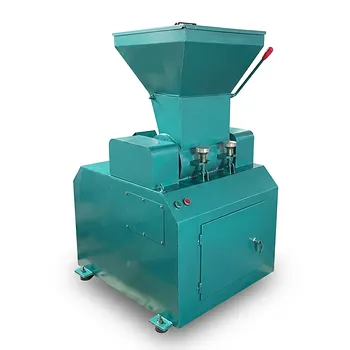
- Laboratory Double Roll Crusher for Medium Hardness Materials Coal Ore Sample Preparation
People Also Ask
- What is the function of a laboratory press in Cr-Ti alloy evaluation? Quantify Fracture Stress & Strength
- What is the function of a laboratory press in assessing the hydrophobic performance of modified vermiculite fillers?
- What is the core function of a laboratory press in the forming of ceramic filter element green bodies? Maximize Density.
- What is the function of a laboratory press in the preparation of ceramic feed rods? Master Density and Precision
- Why is vacuum sealing and flexible packaging necessary for Aluminum Titanate powders during CIP? Ensure Peak Density

Tech Team · PowderPreparation
Last updated on Jun 03, 2026
Related Products
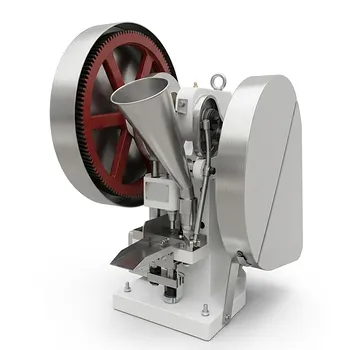
6-Ton Small Single-Punch Tablet Press — Laboratory Powder & Granule Tableting Equipment / Tablet Forming Machine
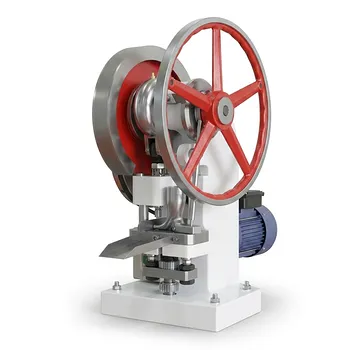
5 Ton Single Punch Tablet Press Laboratory Small Batch Production
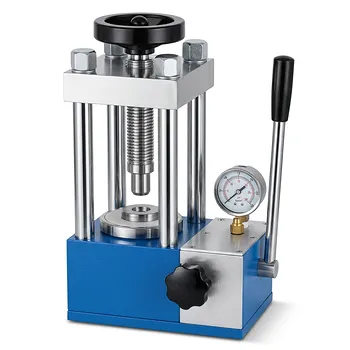
Manual Tablet Press with Dual Scale Pressure Gauge for Pharmaceutical Food Chemical Laboratory Sample Preparation
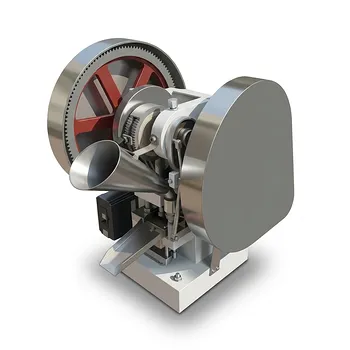
6 Ton Variable Frequency Single Punch Tablet Press
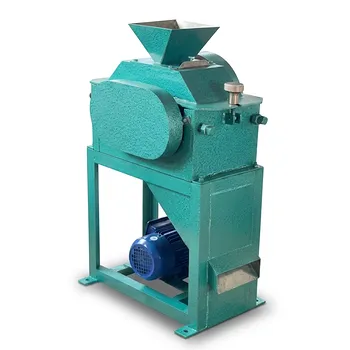
Laboratory Double Roll Crusher for Medium Hardness Materials Coal Ore Sample Preparation
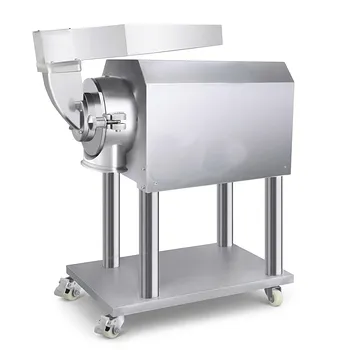
High Speed Small Laboratory Crusher for Dry Material Sample Preparation
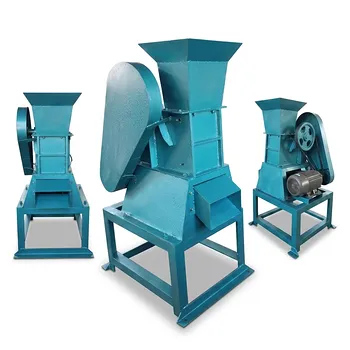
Custom Raised Height Laboratory Jaw Crusher for Precision Sample Preparation in Material Science
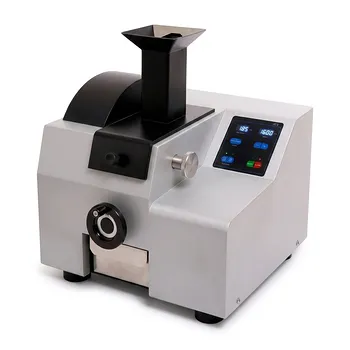
Laboratory Benchtop Jaw Crusher for Hard Brittle Materials Primary Size Reduction and Sample Preparation
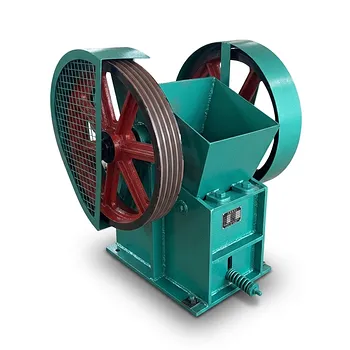
150x250mm Laboratory Jaw Crusher for Medium Hard Material Crushing and Sample Preparation
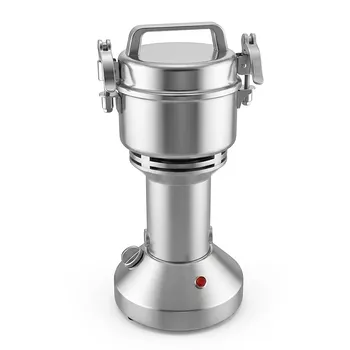
Small High Speed Upright Grinder for Laboratory Sample Preparation
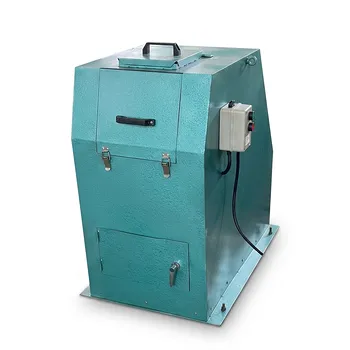
Environmentally Friendly Sealed Laboratory Jaw Crusher for Sample Preparation
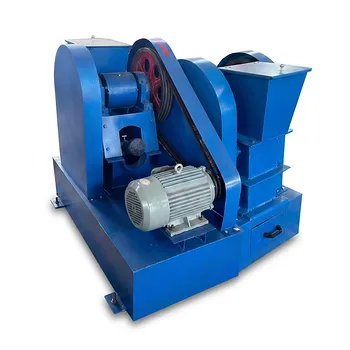
Horizontal Jaw Crusher Medium Hard Material Crushing Laboratory Sample Preparation Equipment
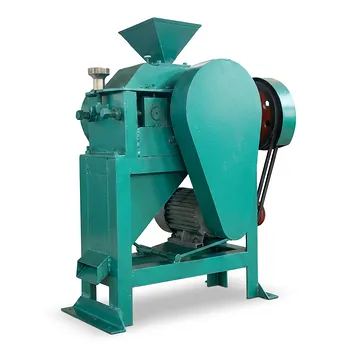
Laboratory Sealed Double Roll Crusher for Coal Ore Rock and Medium Hardness Materials Sample Preparation
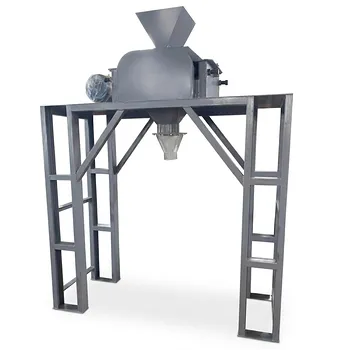
Heightened Customized Laboratory Double Roll Crusher for Coal Ore Rock Crushing
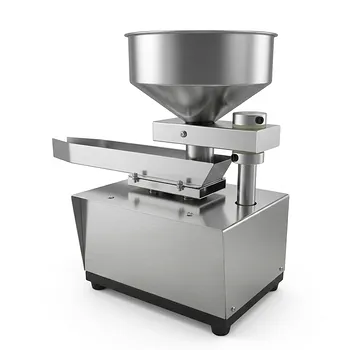
Automatic Vibrating Powder Feeder for Laboratory Material Processing Precision Vibratory Hopper Feeder for Granular and Powder Material Handling Industrial Grade Vibrating Tray Feeder for Consistent Material Sample Preparation
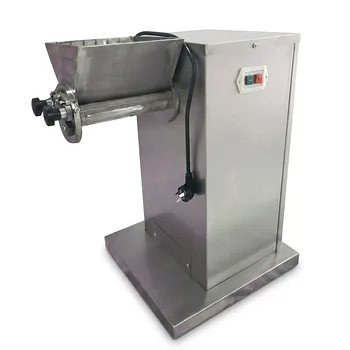
Small Laboratory Oscillating Granulator for Wet and Dry Granulation Processing

Industrial Knife Mill for Food and Biological Sample Preparation High Speed Laboratory Homogenizer
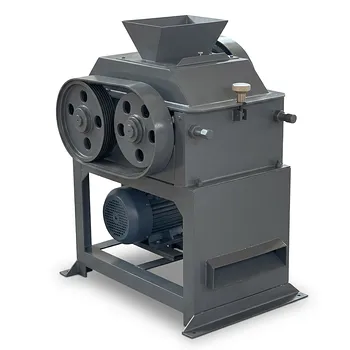
Sealed Laboratory Double Roll Crusher for Coal, Mineral, Ore Sample Preparation
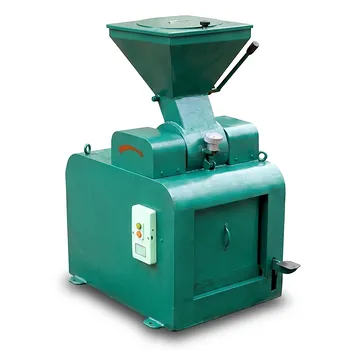
Laboratory Sealed Hammer Crushers for Coal Sample Preparation and Medium Strength Material Crushing