Necessity of Lab Hydraulic Press for (Hf0.7Ta0.3)C/SiC: Achieve Superior Green Body Density & Sintering Success
Updated 4 months ago
The laboratory hydraulic press is the critical bridge between raw powder and a high-performance ceramic structure. For (Hf0.7Ta0.3)C/SiC composites, the press provides the stable, high-intensity pressure required to force particle rearrangement and achieve initial densification. By reducing internal voids and ensuring a uniform distribution of the multi-component powder, it creates a high-quality "green body" pre-form that is essential for the success of subsequent Spark Plasma Sintering (SPS).
The necessity of the hydraulic press lies in its ability to establish structural uniformity and maximize particle contact. This physical foundation is required to prevent macroscopic defects, minimize shrinkage fluctuations, and ensure the chemical homogeneity of the final ceramic product.
Achieving Initial Densification and Particle Rearrangement
Overcoming Inter-particle Friction
Loose (Hf0.7Ta0.3)C/SiC powders naturally resist dense packing due to internal friction and irregular particle morphologies. The hydraulic press applies unidirectional or isostatic force to overcome these resistances, forcing particles to slide and rotate into a more compact arrangement.
Increasing Contact Points for Sintering Kinetics
High-temperature solid-phase reactions depend on the surface area of contact between different powder components. By compressing the powder into a green body, the press increases the number of atomic diffusion paths, which effectively lowers the energy barrier for grain growth during sintering.
Establishing the Pre-Sintering Geometry
The press, used in conjunction with high-strength steel molds, defines the initial geometric shape of the sample, such as 4x4x60 mm bars or circular discs. This mechanical interlocking gives the green body enough structural integrity to be handled and loaded into sintering equipment without crumbling.
Ensuring Structural Integrity in Complex Systems
Managing High-Entropy Material Complexity
(Hf0.7Ta0.3)C involves multiple components with varying hardness levels and particle sizes. Precise pressure control ensures that these diverse particles undergo plastic deformation and displacement uniformly, preventing the segregation of components that could lead to structural weak points.
Eliminating Entrapped Air and Macroscopic Voids
Air trapped between powder particles acts as a barrier to densification and can cause cracking during rapid heating. The high-pressure environment of the hydraulic press excludes residual air, significantly reducing the internal porosity that leads to "bloat" or structural failure in the finished ceramic.
Minimizing Shrinkage Fluctuations
A green body with non-uniform density will shrink inconsistently during Spark Plasma Sintering (SPS). By achieving a high initial green density, the hydraulic press ensures predictable shrinkage rates, which is vital for maintaining the dimensional accuracy of the final component.
Understanding the Trade-offs and Limitations
Pressure Gradients and Density Variation
In dry pressing, friction between the powder and the mold walls can lead to pressure gradients, resulting in a green body that is denser at the edges than in the center. If not managed through proper lubrication or double-action pressing, this can lead to warping during the sintering stage.
Mold Material Constraints
While higher pressures generally improve green density, they also increase the mechanical stress on steel or carbide molds. Exceeding the elastic limit of the mold can lead to tool failure or the introduction of metallic contaminants into the high-purity (Hf0.7Ta0.3)C/SiC mixture.
How to Apply This to Your Project
Making the Right Choice for Your Goal
To achieve the best results with your (Hf0.7Ta0.3)C/SiC precursors, tailor your pressing strategy to your specific experimental requirements:
- If your primary focus is maximizing final density: Utilize higher pressures (e.g., up to 80 MPa or 1000 psi) to minimize the initial void volume and increase the driving force for mass transfer.
- If your primary focus is structural homogeneity: Implement a slow, incremental pressure increase to allow for steady air escape and more uniform particle rearrangement across the entire volume.
- If your primary focus is preventing sintering cracks: Ensure the green body reaches a threshold density that prevents large-scale differential shrinkage during the rapid heating cycles of SPS.
By mastering the green body formation stage through precise hydraulic pressing, you ensure that the complex chemistry of your high-entropy carbides is supported by a flawless physical foundation.
Summary Table:
| Key Benefit | Mechanism | Final Ceramic Impact |
|---|---|---|
| Initial Densification | Overcomes inter-particle friction | High green density & predictable shrinkage |
| Enhanced Kinetics | Increases atomic diffusion paths | Faster sintering & improved grain growth |
| Structural Integrity | Mechanical interlocking of particles | Handles complex geometries without crumbling |
| Defect Prevention | Eliminates entrapped air | Prevents cracking and "bloating" during heating |
| Homogeneity | Ensures uniform particle distribution | Eliminates weak points in high-entropy systems |
Achieve Flawless Ceramic Structures with Expert Sample Preparation
At [Brand Name], we provide complete laboratory sample preparation solutions for material science, specializing in advanced powder processing and compaction equipment. Whether you are developing high-entropy carbides like (Hf0.7Ta0.3)C or advanced SiC composites, our equipment ensures the physical foundation required for research success.
Our extensive range includes:
- Advanced Hydraulic Presses: Cold/Warm Isostatic Presses (CIP/WIP), standard lab presses, XRF pellet presses, and vacuum hot presses.
- Precision Milling & Grinding: Planetary ball mills, jet mills, and liquid nitrogen cryogenic grinders.
- Material Processing: Jaw/roll crushers, powder mixers, and vibratory sieve shakers.
Maximize your lab's efficiency and ensure structural uniformity in every sample—contact our specialists today for a tailored solution!
References
- Mozhdeh Fathidoost, Bai‐Xiang Xu. Thermal Conductivity Analysis of Polymer‐Derived Nanocomposite via Image‐Based Structure Reconstruction, Computational Homogenization, and Machine Learning. DOI: 10.1002/adem.202302021
Mentioned Products
- 6-Ton Small Single-Punch Tablet Press — Laboratory Powder & Granule Tableting Equipment / Tablet Forming Machine
- 5 Ton Single Punch Tablet Press Laboratory Small Batch Production
- Manual Tablet Press with Dual Scale Pressure Gauge for Pharmaceutical Food Chemical Laboratory Sample Preparation
- 6 Ton Variable Frequency Single Punch Tablet Press
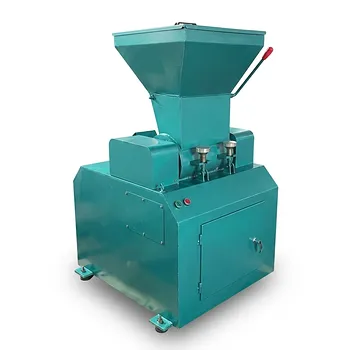
- High Speed Small Laboratory Crusher for Dry Material Sample Preparation
People Also Ask
- What is the function of a laboratory press in Cr-Ti alloy evaluation? Quantify Fracture Stress & Strength
- What is the function of a laboratory press in assessing the hydrophobic performance of modified vermiculite fillers?
- What is the core function of a laboratory press in the forming of ceramic filter element green bodies? Maximize Density.
- What is the function of a laboratory press in the preparation of ceramic feed rods? Master Density and Precision
- Why is vacuum sealing and flexible packaging necessary for Aluminum Titanate powders during CIP? Ensure Peak Density

Tech Team · PowderPreparation
Last updated on Jun 03, 2026
Related Products
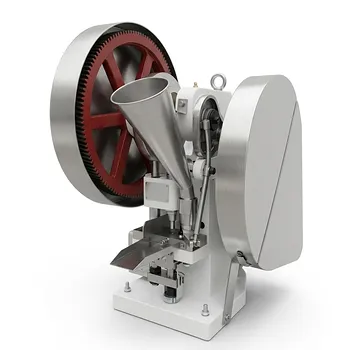
6-Ton Small Single-Punch Tablet Press — Laboratory Powder & Granule Tableting Equipment / Tablet Forming Machine
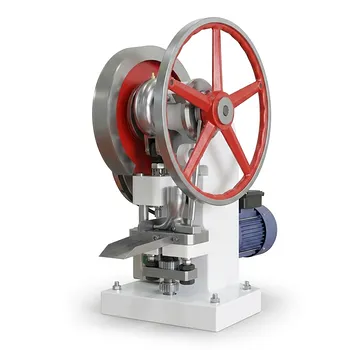
5 Ton Single Punch Tablet Press Laboratory Small Batch Production
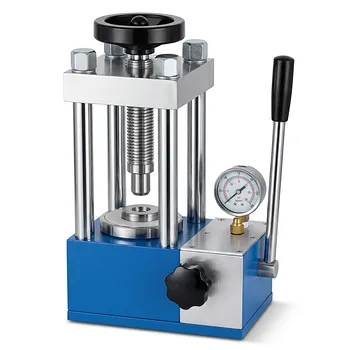
Manual Tablet Press with Dual Scale Pressure Gauge for Pharmaceutical Food Chemical Laboratory Sample Preparation
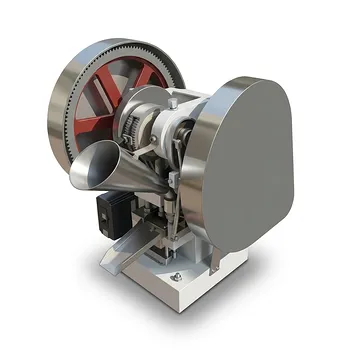
6 Ton Variable Frequency Single Punch Tablet Press
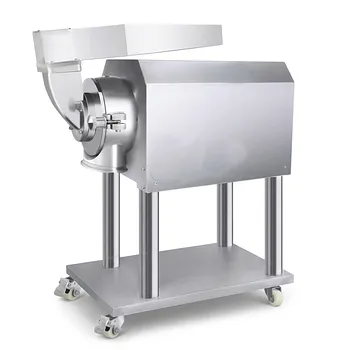
High Speed Small Laboratory Crusher for Dry Material Sample Preparation
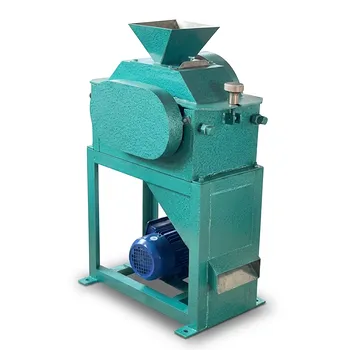
Laboratory Double Roll Crusher for Medium Hardness Materials Coal Ore Sample Preparation
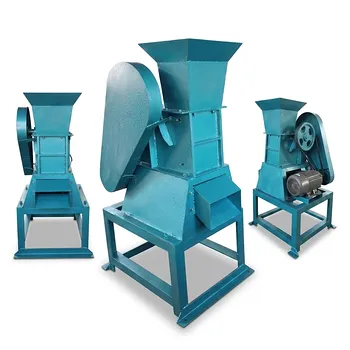
Custom Raised Height Laboratory Jaw Crusher for Precision Sample Preparation in Material Science
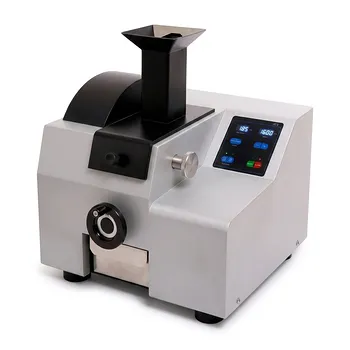
Laboratory Benchtop Jaw Crusher for Hard Brittle Materials Primary Size Reduction and Sample Preparation
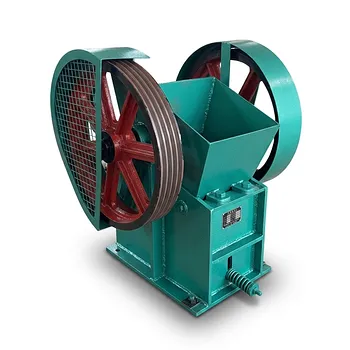
150x250mm Laboratory Jaw Crusher for Medium Hard Material Crushing and Sample Preparation
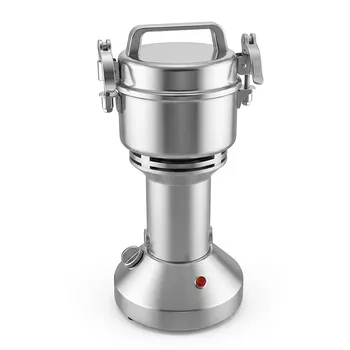
Small High Speed Upright Grinder for Laboratory Sample Preparation
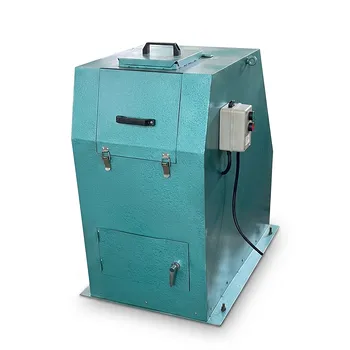
Environmentally Friendly Sealed Laboratory Jaw Crusher for Sample Preparation
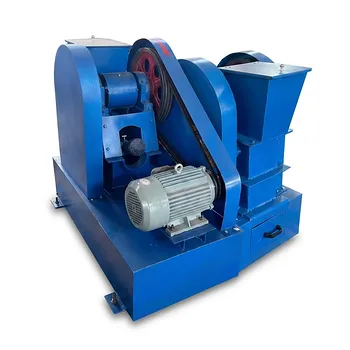
Horizontal Jaw Crusher Medium Hard Material Crushing Laboratory Sample Preparation Equipment
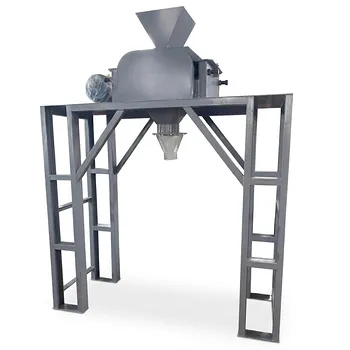
Heightened Customized Laboratory Double Roll Crusher for Coal Ore Rock Crushing
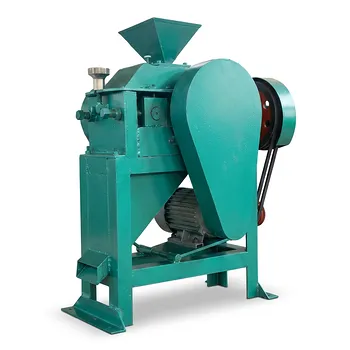
Laboratory Sealed Double Roll Crusher for Coal Ore Rock and Medium Hardness Materials Sample Preparation
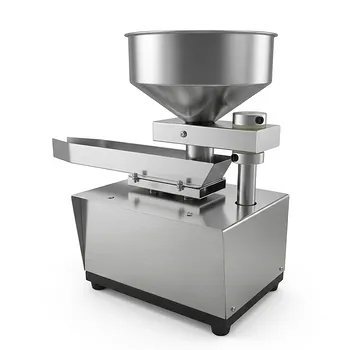
Automatic Vibrating Powder Feeder for Laboratory Material Processing Precision Vibratory Hopper Feeder for Granular and Powder Material Handling Industrial Grade Vibrating Tray Feeder for Consistent Material Sample Preparation
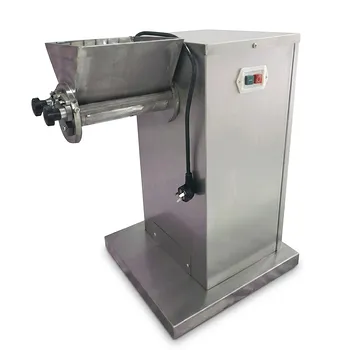
Small Laboratory Oscillating Granulator for Wet and Dry Granulation Processing
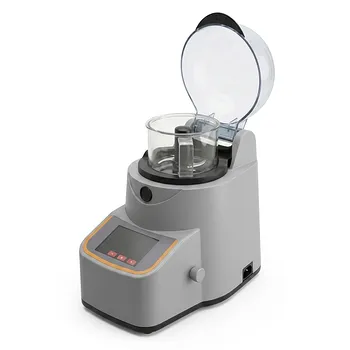
Industrial Knife Mill for Food and Biological Sample Preparation High Speed Laboratory Homogenizer
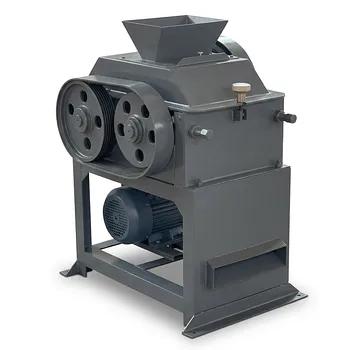
Sealed Laboratory Double Roll Crusher for Coal, Mineral, Ore Sample Preparation
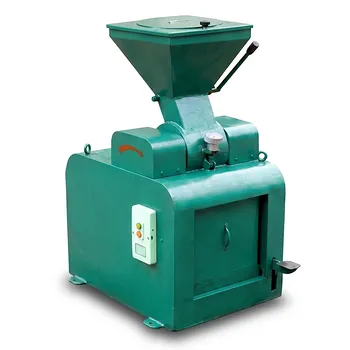
Laboratory Sealed Hammer Crushers for Coal Sample Preparation and Medium Strength Material Crushing