Necessity of adding acetone in ZrB2 ball milling? Improve homogeneity and prevent oxidation for better ceramics.
Updated 5 months ago
Acetone serves as a critical process control agent in the planetary ball milling of Zirconium Diboride (ZrB2). It primarily functions to prevent particle agglomeration and thermal degradation, ensuring a homogenous, high-purity powder blend necessary for the successful sintering of high-performance ceramic composites.
Adding acetone transitions the milling process from dry to wet, which suppresses the surface energy effects that cause ultra-fine powders to clump. By acting as a heat sink and a volatile lubricant, it maintains the chemical integrity and uniform distribution of ZrB2 particles.
Preventing Agglomeration and Ensuring Homogeneity
Breaking Surface Energy Barriers
Ultra-fine ceramic powders like Zirconium Diboride naturally tend to agglomerate during dry milling due to high surface energy. Acetone acts as a dispersion medium that alters the surface energy states, preventing these fine particles from clumping together under the pressure of the milling media.
Enhancing Distribution in Multi-Component Systems
In composites involving additives like Silicon Carbide or Boron Carbide, acetone ensures a molecular-level uniform distribution. This homogenization is vital because it prevents the "clustering" of secondary phases, which would otherwise lead to structural weaknesses in the final sintered ceramic.
Particle Size Refinement
The presence of a liquid medium facilitates more efficient grinding by allowing particles to flow freely between the grinding balls. This helps reduce ZrB2 reinforcement particles from an original size of 3-12 micrometers down to a refined range of 1-3 micrometers without the particles welding back together.
Thermal Management and Oxidation Control
Dissipating Localized Heat
Planetary ball milling generates intense centrifugal and impact forces that produce significant localized heat. Acetone, characterized by its low surface tension and high volatility, effectively absorbs and dissipates this heat during the milling cycle.
Suppressing Oxidation Reactions
Excessive heat in a dry environment can trigger the oxidation of ZrB2 powder, compromising its purity. By maintaining a lower process temperature, acetone prevents the formation of unwanted secondary phases, such as oxides, which would degrade the mechanical properties of the composite.
Maintaining Chemical Stability
In specialized systems, such as those involving metal matrices or reactive additives, the cooling effect of acetone is essential to suppress secondary phase formations. This ensures the final powder morphology remains stable and chemically consistent with the intended design.
Process Efficiency and Purity Preservation
Preventing Jar Adhesion
During dry milling, fine powders often adhere to the walls of the grinding jar or the surface of the balls, reducing milling efficiency. Acetone acts as a grinding aid, keeping the powder in a slurry state and ensuring that all material remains subjected to the high-energy impact and shear forces.
Clean Removal via Volatility
One of the primary reasons for selecting acetone over other solvents is its high volatility. After the mixing process is complete, the acetone can be easily and completely evaporated, leaving behind a dry, high-purity ZrB2 powder blend with no residual solvent contamination.
Achieving Denser Microstructures
The uniform dispersion achieved through wet milling leads to a more consistent mechanical alloying effect. This results in flattened, well-distributed particles that produce a significantly denser microstructure during the subsequent sintering phase.
Understanding the Trade-offs
Solvent Handling and Safety
While acetone is highly effective, its flammability and volatility require stringent safety protocols. Milling jars must be properly sealed to prevent leakage, and the evaporation process must be conducted in a controlled environment to manage vapor accumulation.
Media Wear and Contamination
Wet milling can sometimes increase the wear on certain types of grinding media compared to dry milling. If the milling duration is excessive, small amounts of material from the grinding jar or balls may wear down and introduce trace impurities into the ZrB2 mixture.
How to Apply This to Your Milling Project
Tactical Recommendations for Powder Preparation
- If your primary focus is Maximum Homogeneity: Use a higher ratio of acetone to powder to ensure a low-viscosity slurry, allowing for molecular-level distribution of additives.
- If your primary focus is Oxidation Prevention: Ensure the milling jar is adequately filled with acetone to fully submerge the powders, acting as a thermal buffer against localized hot spots.
- If your primary focus is Ultra-High Purity: Select high-purity analytical grade acetone and use a vacuum drying oven after milling to ensure the total removal of volatile components.
The strategic use of acetone transforms planetary ball milling from a simple grinding step into a sophisticated stabilization process that is essential for high-quality ZrB2 ceramic production.
Summary Table:
| Feature | Effect of Adding Acetone | Impact on ZrB2 Powder Quality |
|---|---|---|
| Particle State | Prevents agglomeration/clumping | Ensures ultra-fine size (1-3 μm) |
| Distribution | Enables molecular-level mixing | High homogeneity in composites |
| Temperature | Dissipates localized impact heat | Prevents oxidation & secondary phases |
| Efficiency | Eliminates jar/ball adhesion | Maximizes grinding energy transfer |
| Purity | Clean evaporation (high volatility) | Zero residual solvent contamination |
Optimize Your Material Preparation with Professional Lab Solutions
Achieving perfect homogeneity in Zirconium Diboride (ZrB2) and other advanced ceramics requires more than just the right solvent—it requires precision equipment. At [Your Brand Name], we provide complete laboratory sample preparation solutions tailored for material science.
Whether you are refining powders or preparing dense green bodies, our extensive line includes:
- High-Energy Milling: Planetary ball mills, jet mills, and cryogenic grinders for ultra-fine particle size control.
- Advanced Mixing: Powder and defoaming mixers for uniform multi-component blends.
- Precision Pressing: A full spectrum of hydraulic presses, including Cold/Warm Isostatic Presses (CIP/WIP), hot presses, and XRF pellet presses.
Ready to enhance your lab's efficiency and material purity?
Contact our technical experts today to find the ideal equipment configuration for your specific powder processing needs.
References
- Annamária Duszová, Marcin Podsiadło. Selected properties of ZrB2 composites obtained by SPS method for parts of electro-erosion shaping machines. DOI: 10.17814/mechanik.2018.2.32
Mentioned Products
- Vertical Semi Circular Planetary Ball Mill for Laboratory Precision Grinding
- High Energy Planetary Ball Mill for Nano Scale Grinding and Mechanical Alloying
- Vertical Production Planetary Ball Mill for High Throughput Powder Processing
- Heavy Duty Horizontal Planetary Ball Mill for Efficient Industrial Grinding and Sample Preparation
- 360° Rotating Omnidirectional Laboratory Planetary Ball Mill for Homogeneous Ultra-Fine Grinding and Mixing
People Also Ask
- What role does a planetary ball mill play in the synthesis of Li6PS5Cl (LPSCl)? Unlock High Ionic Conductivity
- Why is a planetary ball mill essential for SiBCN-rGO wet-spinning? Achieve Superior Dispersion and Spinnability
- Why is an intermittent grinding process required for perovskites in a planetary ball mill? Ensure Stability & Purity
- Why is a planetary ball mill required for PET micronization? Ensure Accurate Chemical Analysis of Reprocessed PET
- How does mechanized planetary ball milling compare to manual agate grinding? Optimize sulfide standard material precision.

Tech Team · PowderPreparation
Last updated on May 14, 2026
Related Products
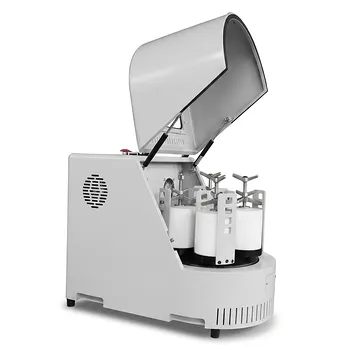
Vertical Semi Circular Planetary Ball Mill for Laboratory Precision Grinding
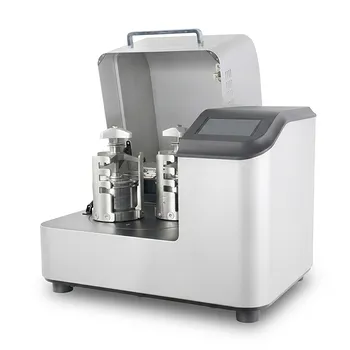
High Energy Planetary Ball Mill for Nano Scale Grinding and Mechanical Alloying
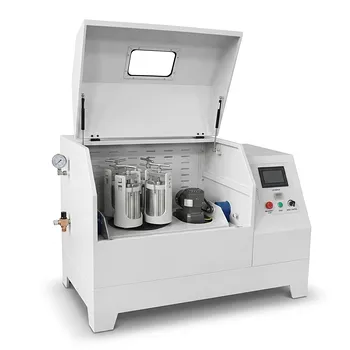
Vertical Production Planetary Ball Mill for High Throughput Powder Processing
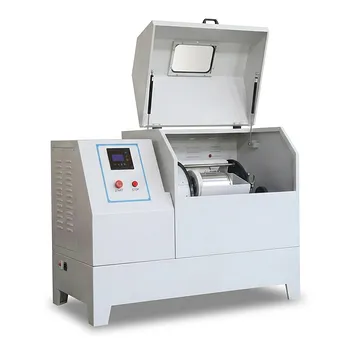
Heavy Duty Horizontal Planetary Ball Mill for Efficient Industrial Grinding and Sample Preparation
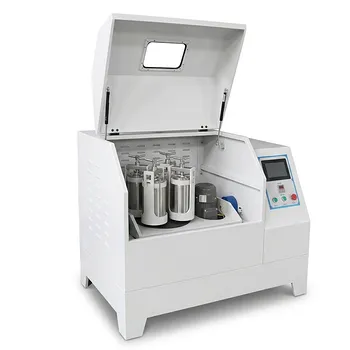
360° Rotating Omnidirectional Laboratory Planetary Ball Mill for Homogeneous Ultra-Fine Grinding and Mixing

Vertical Square Planetary Ball Mill for Laboratory Sample Preparation and Nanoscale Grinding
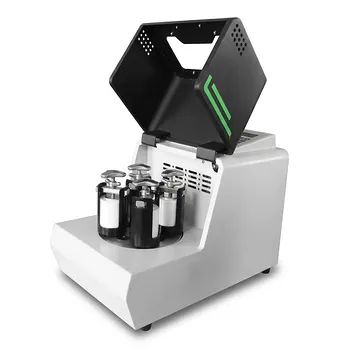
Miniature Planetary Ball Mill with Vacuum Grinding and High Efficiency for Laboratory Sample Preparation

High Energy Laboratory Planetary Ball Mill for Nano Grinding and Material Science Sample Preparation
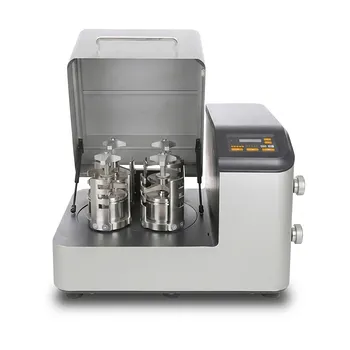
High Energy Planetary Ball Mill for Nano Scale Grinding and Colloidal Mixing in Material Science Research

High Energy Omnidirectional Planetary Ball Mill 16L
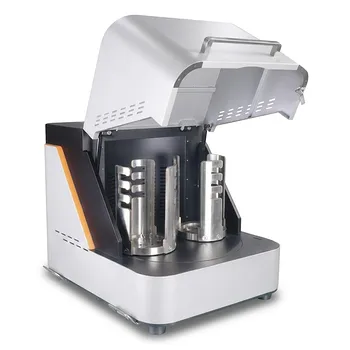
High Energy Laboratory Planetary Ball Mill for Nano Grinding and Colloidal Mixing of Hard and Brittle Materials
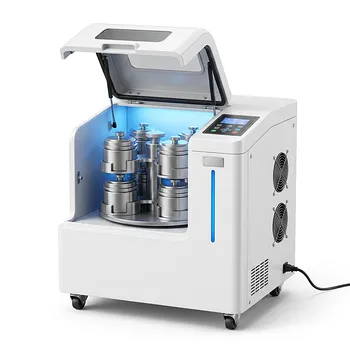
High Energy Omnidirectional Planetary Ball Mill 20L
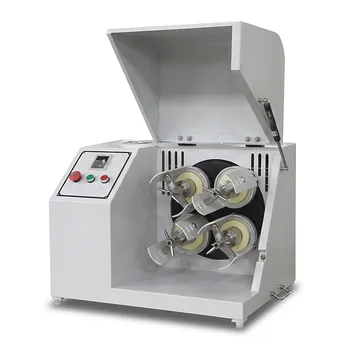
Horizontal Light Duty Planetary Ball Mill for Laboratory Sample Preparation
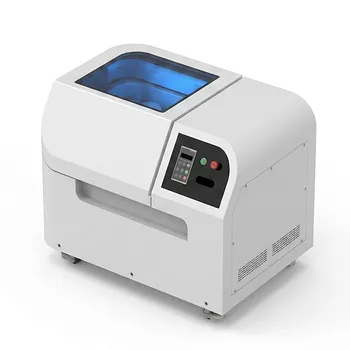
8L Planetary Ball Mill for Laboratory Grinding and Sample Preparation
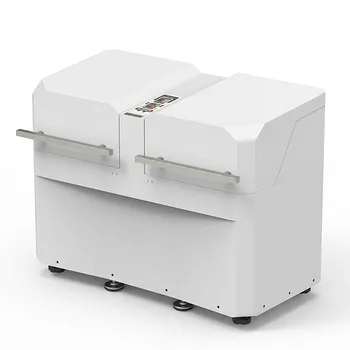
Dual Station Planetary Ball Mill 24L
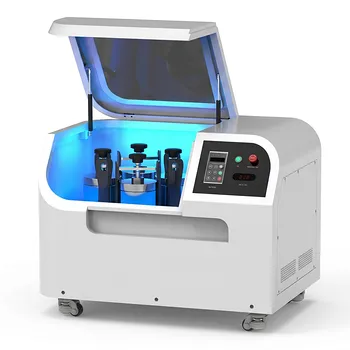
Planetary Ball Mill 12L
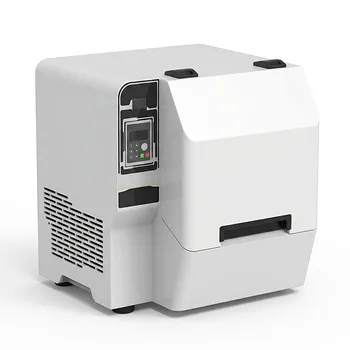
Nano High Energy Vibratory Ball Mill for Laboratory Sample Preparation
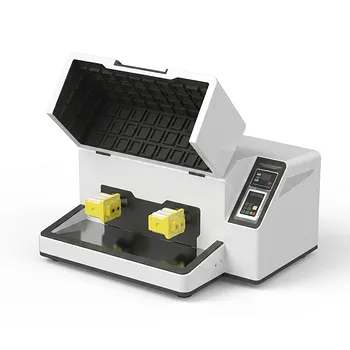
Multi-Platform Nanoscale High-Energy Vibratory Ball Mill
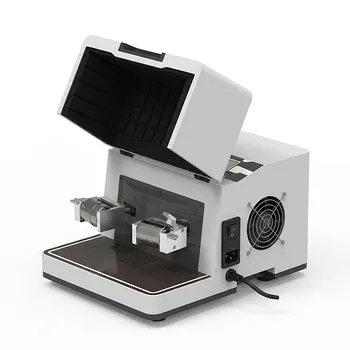
High Energy Hybrid Vibratory Ball Mill for Grinding Mixing and Cell Disruption
