What is the importance of using a high-precision laboratory hydraulic press for Mo2N? Ensure Accurate Transport Data
Updated 5 months ago
The precision of a laboratory hydraulic press is the primary factor in ensuring that electronic transport measurements reflect the intrinsic properties of Mo2N rather than sample defects. High-precision presses create dense, crack-free bulk or thin-film samples that eliminate internal porosity. By minimizing these voids, researchers prevent external carrier scattering, ensuring that measured conductivity accurately represents the electronic transport behavior of the anti-rutile Mo2N material.
Achieving high sample density through controlled hydraulic pressure is essential to eliminate porosity-induced interference, allowing for the accurate characterization of a material’s fundamental electronic and mechanical properties.
Eliminating Porosity and Carrier Scattering
The Impact of Density on Electronic Flow
In Mo2N samples, the density of the material directly dictates how charge carriers move through the lattice. Low-density samples contain microscopic voids that act as barriers, forcing carriers to scatter and artificially increasing electrical resistance.
Minimizing Voids to Reveal Intrinsic Properties
A high-precision hydraulic press applies consistent force to eliminate porosity interference. This ensures that the data collected during testing reflects the intrinsic electronic transport properties of the Mo2N rather than the limitations of the sample preparation process.
Optimizing Particle-to-Particle Contact
For powdered materials like Mo2N to conduct electricity effectively, individual particles must be in tight physical contact. High-precision pressing facilitates this contact, creating a continuous path for electrons and reducing contact resistance that could skew sensitive transport measurements.
Ensuring Geometric and Structural Integrity
Achieving Uniform Density Distribution
Standard presses may apply uneven force, leading to density gradients within the sample. A high-precision press ensures a highly consistent distribution of particles, which is critical for reliability studies and preventing fluctuations in material characterization.
Preventing Internal Cracks and Macro-Defects
Structural failures, such as internal cracks or delamination, often occur when pressure is applied or released inconsistently. Precise control over the pressure cycle creates a stable physical foundation, resulting in "green bodies" that are robust enough for subsequent handling and testing.
Maintaining Precise Sample Dimensions
Electronic transport testing often requires samples of a specific thickness or geometry to calculate resistivity accurately. High-precision presses, used with precision molds, allow for the repeatable fabrication of samples with exact dimensions, ensuring data consistency across multiple trials.
Understanding the Trade-offs
Pressure Limits and Material Deformation
While high pressure increases density, exceeding the yield strength of the material can cause unwanted phase changes or grain crushing. Researchers must balance the need for densification with the risk of altering the material's microstructure through excessive force.
The Role of Binder Additives
In some cases, powders may require a binder (like paraffin) to achieve structural integrity, which can introduce chemical impurities. While the press eliminates physical voids, it cannot compensate for the electronic interference caused by non-conductive additives used to hold the sample together.
Equipment Calibration Requirements
The accuracy of a high-precision press is dependent on regular calibration and the quality of the molds used. Even a minor misalignment in the hydraulic ram or wear in the mold can introduce geometric irregularities that invalidate high-sensitivity transport data.
Applying Precision Pressing to Your Research
How to Apply This to Your Project
To ensure your Mo2N sample preparation yields high-quality, publishable data, consider the following objectives:
- If your primary focus is Intrinsic Conductivity: Use the highest possible precision setting to minimize porosity and reduce carrier scattering at grain boundaries.
- If your primary focus is Data Repeatability: Standardize your pressing duration and force to ensure every sample has an identical density profile.
- If your primary focus is Mechanical Reliability: Focus on the slow, controlled release of pressure to prevent the formation of internal micro-cracks that lead to sample failure.
- If your primary focus is Geometric Accuracy: Pair your hydraulic press with high-tolerance tungsten carbide molds to maintain strict control over sample dimensions.
By mastering the application of uniform static pressure, you transform raw Mo2N powder into a high-fidelity medium for advanced electronic characterization.
Summary Table:
| Key Feature of High-Precision Press | Benefit for Mo2N Sample Preparation | Impact on Research Data |
|---|---|---|
| High-Density Compaction | Eliminates internal voids and porosity | Reveals intrinsic conductivity by reducing carrier scattering |
| Uniform Force Distribution | Prevents density gradients within the pellet | Ensures consistent and repeatable measurement results |
| Controlled Pressure Cycle | Prevents internal micro-cracks and delamination | Maintains structural integrity for sensitive transport testing |
| Precision Mold Integration | Maintains strict control over sample geometry | Allows for accurate resistivity and dimension-based calculations |
Elevate Your Research with Precision Sample Preparation
Achieving accurate and publishable results in material science begins with the highest quality sample preparation. At [Brand Name], we provide complete laboratory solutions tailored for advanced research in powder processing and compaction.
Whether you are characterizing Mo2N or developing new electronic materials, our extensive equipment range ensures your samples meet the most rigorous standards:
- Advanced Compaction: A full spectrum of hydraulic presses, including Cold/Warm Isostatic Presses (CIP/WIP), standard lab presses, XRF pellet presses, and vacuum hot presses for superior sample density.
- Powder Processing: High-performance crushers, liquid nitrogen cryogenic grinders, and diverse mills (planetary ball, jet, sand/bead, rotor) to achieve ideal particle sizes.
- Sieving & Mixing: Precision sieve shakers and advanced powder/defoaming mixers for perfect material homogeneity.
Ready to optimize your lab’s workflow? Contact us today to discuss your specific application and discover how our specialized equipment can enhance your data accuracy and research efficiency.
References
- Lauren N. Walters, James M. Rondinelli. Metallicity and chemical bonding in anti-anatase Mo<sub>2</sub>N. DOI: 10.1039/d3cp05054h
Mentioned Products
- High Speed Small Laboratory Crusher for Dry Material Sample Preparation
- Small High-Speed Laboratory Grinder for Rapid Sample Preparation
- Small High-Speed Grinder for Efficient Laboratory Sample Preparation
- Small High Speed Grinder for Laboratory Sample Preparation
- High Speed Laboratory Powder Grinder Small Batch Sample Preparation Mill
People Also Ask
- What is the primary function of laboratory-scale crushers in the pre-treatment stage of iron ore bio-dephosphorization?
- Lab Crusher's Role in Banana Stem Cellulose Extraction? Enhance Your Raw Material Preparation Now
- What is the primary role of laboratory crushers in the recycling process of inorganic old sand? Essential for Sand Reuse
- What role do high-precision laboratory crushers play in mineral sample preparation? Ensure Accuracy & Feed Uniformity.
- What is the role of a laboratory crusher or grinder in activated carbon preparation? Optimize biomass for high porosity.

Tech Team · PowderPreparation
Last updated on May 14, 2026
Related Products
High Speed Small Laboratory Crusher for Dry Material Sample Preparation
Small High-Speed Laboratory Grinder for Rapid Sample Preparation
Small High-Speed Grinder for Efficient Laboratory Sample Preparation
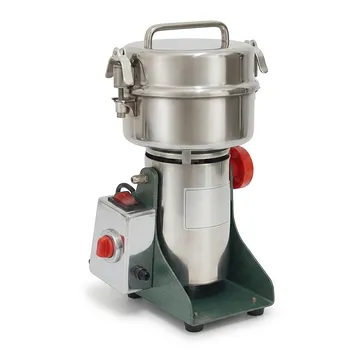
Small High Speed Grinder for Laboratory Sample Preparation
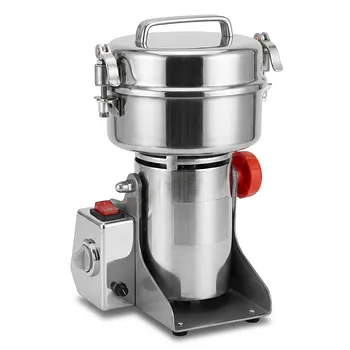
High Speed Laboratory Powder Grinder Small Batch Sample Preparation Mill
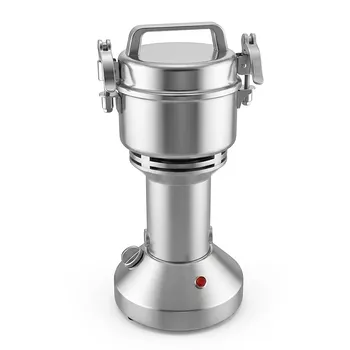
Small High Speed Upright Grinder for Laboratory Sample Preparation
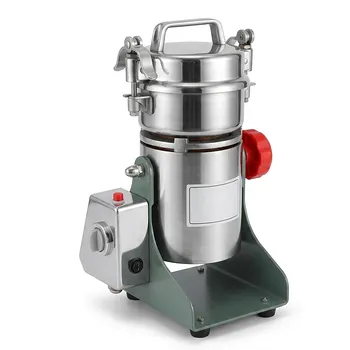
High Speed Swing Type Laboratory Pulverizer for Fine Powder Grinding and Sample Preparation
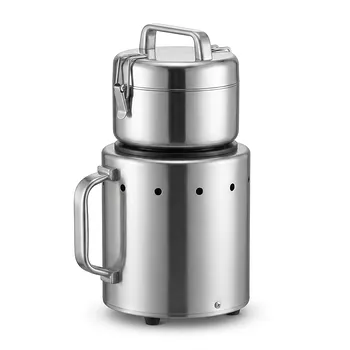
Small High Speed Grinder for Laboratory Sample Preparation
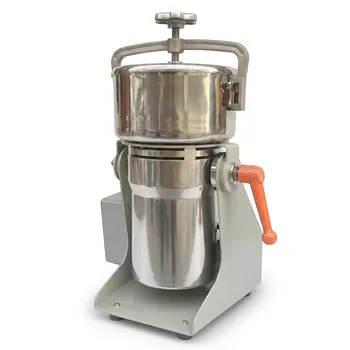
High Speed Laboratory Grinder Efficient Stainless Steel Powder Pulverizer Universal Material Science Mill for Sample Preparation
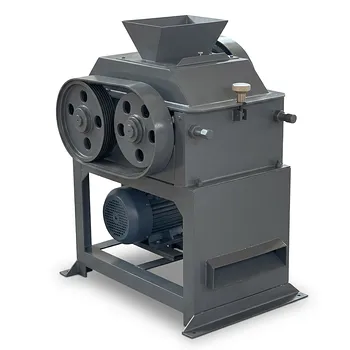
Sealed Laboratory Double Roll Crusher for Coal, Mineral, Ore Sample Preparation
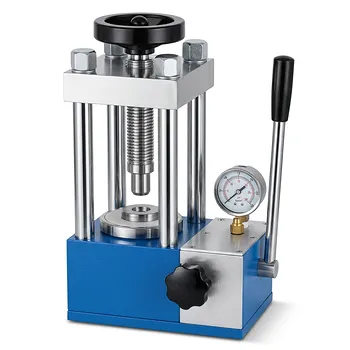
Manual Tablet Press with Dual Scale Pressure Gauge for Pharmaceutical Food Chemical Laboratory Sample Preparation
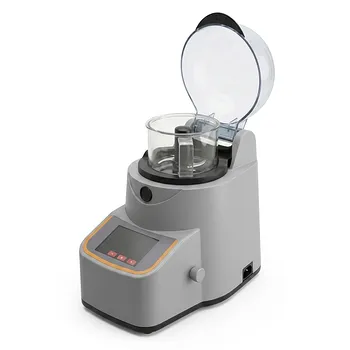
Industrial Knife Mill for Food and Biological Sample Preparation High Speed Laboratory Homogenizer
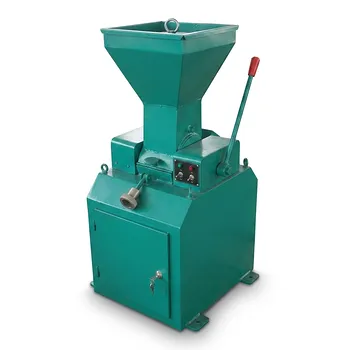
Laboratory Sealed Hammer Crusher for Coal and Mineral Sample Preparation
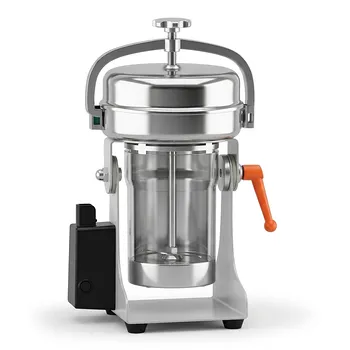
High Efficiency High Speed Grinder 2200W 25000 RPM Laboratory Sample Preparation
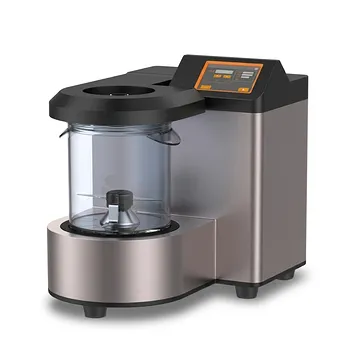
Laboratory Knife Mill for Large Volume Sample Homogenization and Food Preparation
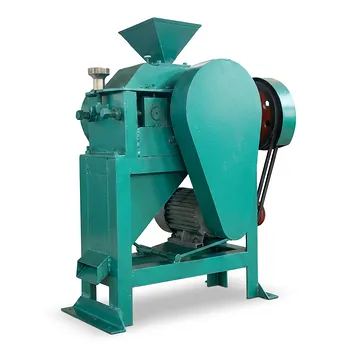
Laboratory Sealed Double Roll Crusher for Coal Ore Rock and Medium Hardness Materials Sample Preparation
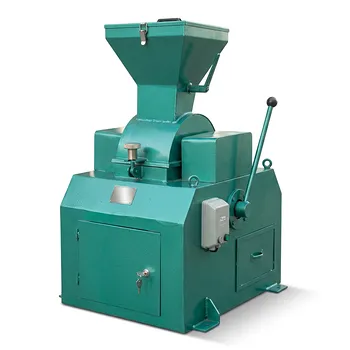
Laboratory Sealed Hammer Blade Crusher Divider for High Hardness Sample Preparation
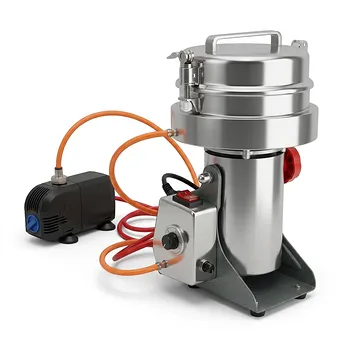
Water Cooled High Speed Grinder with Cryogenic Option for Laboratory Sample Preparation
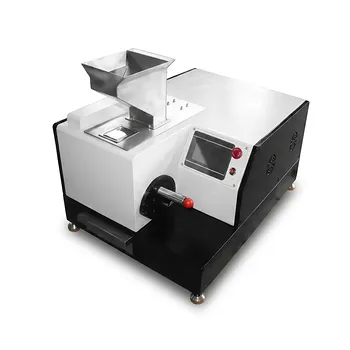
Experimental Jaw Crusher for Laboratory Ore Crushing and Sample Preparation