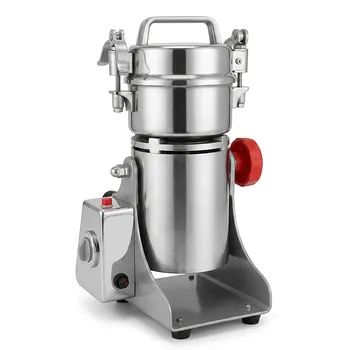
What is the function of the laboratory standard vibratory sieve shaker? Master Precise Grading for Asphalt Success
Updated 5 months ago
The laboratory standard vibratory sieve shaker is the primary tool for precisely separating aggregates into specific particle size fractions. By utilizing standardized mechanical vibration, it classifies materials—including Natural Aggregate (NA) and Recycled Concrete Aggregate (RCA)—to ensure the final grading aligns with engineering specifications. This process is critical for establishing the optimal density and skeletal structure required for high-performance asphalt mixtures.
The core function of a vibratory sieve shaker is to provide a standardized, repeatable method for determining the particle size distribution of aggregates. This data is the essential foundation for creating an interlocking mineral skeleton that dictates the structural strength and durability of the final asphalt pavement.
Facilitating Precise Particle Size Distribution
Mechanized Classification of Materials
The vibratory sieve shaker utilizes high-frequency mechanical vibration to drive aggregate particles through a vertical stack of standard test sieves. This automation ensures that each particle has multiple opportunities to pass through the correct aperture, providing far greater consistency than manual shaking methods.
Adherence to Engineering Standards
To ensure asphalt quality, the shaker must accommodate sieves ranging from coarse apertures (such as 19.5mm or 10mm) down to fine mineral fillers (0.075mm or 75µm). This allows technicians to verify that the mineral aggregate grading complies with strict standards like ASTM E11, which is necessary for legal and technical project compliance.
Foundation for Proportioning Methods
Accurate screening is the physical prerequisite for performing complex proportioning designs, such as the Rothfuch method. By accurately separating coarse and fine crushed stone, the shaker allows engineers to plot precise grading curves that determine the ideal mass ratio of different particle sizes.
Ensuring Asphalt Mixture Performance
Optimizing the Mineral Skeleton
The grading analysis performed by the shaker directly influences the interlocking structure of the asphalt. A well-graded mixture ensures that larger coarse aggregates are supported by smaller particles, creating a stable "skeleton" that can withstand heavy traffic loads without deforming.
Managing Density and Void Ratios
By strictly controlling the particle size distribution, the sieve shaker helps engineers achieve the ideal density and appropriate porosity in the mixture. Proper grading ensures that the asphalt is not too porous (which leads to water damage) nor too dense (which can cause bleeding or stability issues).
Enhancing Material Workability
Standardized grading ensures the uniformity of the aggregate mixture, which significantly impacts the workability of the concrete or asphalt during placement. Consistent particle distribution prevents segregation, ensuring that the pavement maintains the same structural properties across the entire project site.
Understanding Potential Limitations
The Risk of Sieve Overloading
If too much material is placed on a sieve at once, the shaker may fail to separate particles accurately, as smaller grains can become trapped on top of larger ones. Users must strictly follow sample mass limits to ensure every particle makes contact with the sieve mesh.
Sensitivity to Particle Shape
Vibratory shakers classify particles based on their smallest cross-section, which can be problematic for elongated or flaky aggregates. These shapes may pass through a sieve aperture that does not accurately represent their true volume, potentially skewing the grading curve.
Mechanical Wear and Calibration
Over time, the mechanical vibration can lead to sieve mesh tension loss or aperture enlargement. Regular calibration and inspection of both the shaker's vibration frequency and the sieve's physical integrity are mandatory to maintain the accuracy of the grading analysis.
How to Apply This to Your Grading Analysis
Making the Right Choice for Your Goal
- If your primary focus is structural load-bearing: Use the shaker to prioritize a dense, interlocking skeleton by focusing on the precise ratio of coarse aggregates (10mm to 20mm).
- If your primary focus is pavement longevity and moisture resistance: Focus on the fine aggregate and filler fractions (below 4.75mm) to ensure the void ratio and asphalt mastic consistency are optimized.
- If your primary focus is regulatory compliance: Ensure your shaker is calibrated to maintain the high-frequency vibration standards required by ASTM E11 or local technical specifications.
Accurate sieve shaker analysis is the definitive starting point for any asphalt project, transforming raw stone into a scientifically balanced engineering material.
Summary Table:
| Key Function | Impact on Asphalt Performance | Compliance & Method |
|---|---|---|
| Particle Classification | Ensures precise separation of coarse/fine aggregates | ASTM E11 Standards |
| Skeleton Optimization | Creates interlocking structures for heavy traffic loads | Rothfuch Proportioning |
| Density Management | Controls void ratios to prevent water damage or bleeding | Engineering Specifications |
| Quality Consistency | Prevents material segregation for uniform pavement | Standardized Vibration |
Elevate Your Material Analysis with Precision Equipment
Achieving the perfect asphalt mixture requires more than just a process—it requires the right tools. We provide complete laboratory sample preparation solutions for material science, specializing in high-performance powder processing and compaction equipment.
Whether you are grading coarse aggregates or developing advanced mineral fillers, our extensive product lines are designed for accuracy and durability:
- Sieving & Grading: High-precision vibratory and air-jet sieve shakers, plus a wide range of test sieves and meshes.
- Sample Preparation: Jaw/roll crushers, liquid nitrogen cryogenic grinders, and advanced mills (planetary ball, jet, sand/bead, disc, rotor).
- Compaction & Pressing: A full spectrum of hydraulic presses, including Cold/Warm Isostatic Presses (CIP/WIP), standard lab presses, XRF pellet presses, and vacuum hot presses.
- Mixing: High-efficiency powder mixers and defoaming mixers.
Ready to optimize your lab’s workflow? Contact our experts today to find the ideal equipment for your material science applications and ensure every sample meets the highest engineering standards.
References
- Mohd. Yousuf, Mohd Shoaibuddin. An Experimental Study on Recycled Concrete Aggregates Utilized in Bituminous Mixtures. DOI: 10.36948/ijfmr.2025.v07i03.48456
Mentioned Products
- Stainless Steel Laboratory Vibratory Test Sieve Shaker
- Laboratory Dry and Wet Three Dimensional Vibratory Sieve Shaker for Particle Analysis
- Laboratory Vibratory Test Sieve Shaker for Precision Particle Size Analysis and Powder Grading
- Small Laboratory Vibratory Sieve Shaker for Powder Gradation and Particle Size Analysis
- Vibratory Sieve Shaker Electromagnetic 3D Motion Powder Particle Size Analyzer for Dry and Wet Sieving
People Also Ask
- What function does a laboratory vibratory sieve shaker serve in the production process of metakaolin? Optimize Reactivity
- Why is a precision laboratory vibratory sieve shaker necessary for particle size control? Optimize Biomass Carbonization
- What is the function of a laboratory vibratory sieve shaker? Enhance Coal Particle Size Distribution (PSD) Analysis
- What role do laboratory vibratory sieve shakers and test sieves play before the molding of Nb-Cu composite powders?
- What is the primary function of a laboratory vibratory sieve shaker in the evaluation of sand liquefaction potential?

Tech Team · PowderPreparation
Last updated on May 14, 2026
Related Products
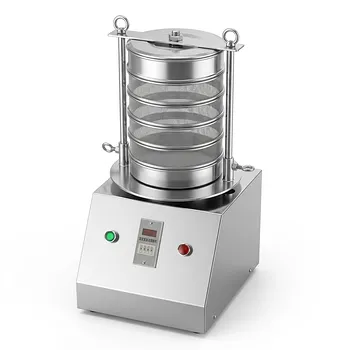
Stainless Steel Laboratory Vibratory Test Sieve Shaker
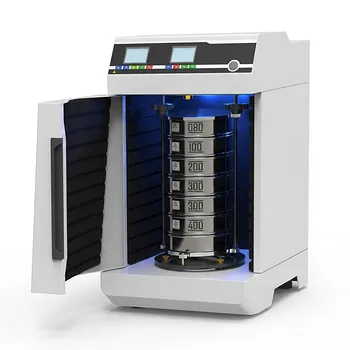
Laboratory Dry and Wet Three Dimensional Vibratory Sieve Shaker for Particle Analysis
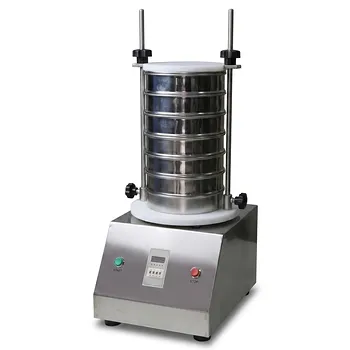
Laboratory Vibratory Test Sieve Shaker for Precision Particle Size Analysis and Powder Grading
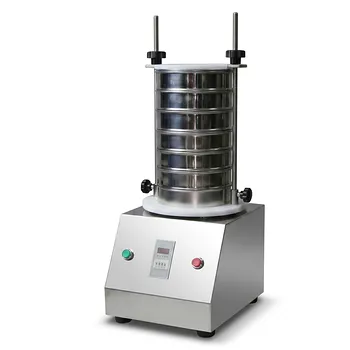
Small Laboratory Vibratory Sieve Shaker for Powder Gradation and Particle Size Analysis
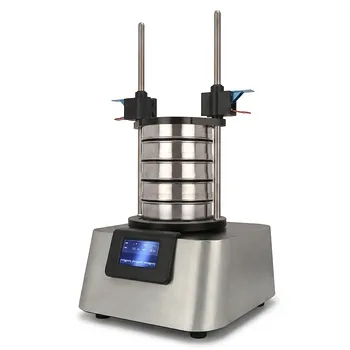
Vibratory Sieve Shaker Electromagnetic 3D Motion Powder Particle Size Analyzer for Dry and Wet Sieving
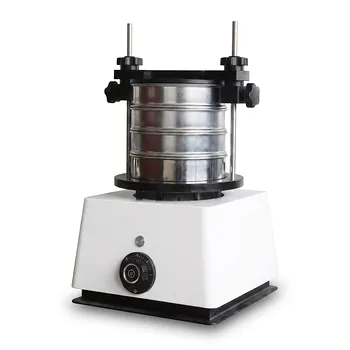
Small Laboratory Vibrating Sieve Shaker for Precise Particle Size Analysis
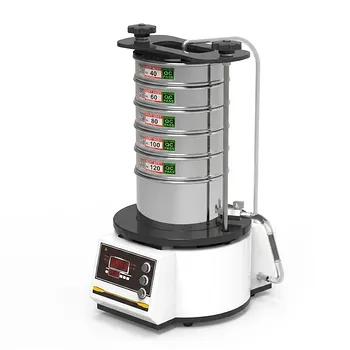
High Frequency Wet Three-Dimensional Vibrating Sieve Shaker for Dry and Wet Particle Size Analysis
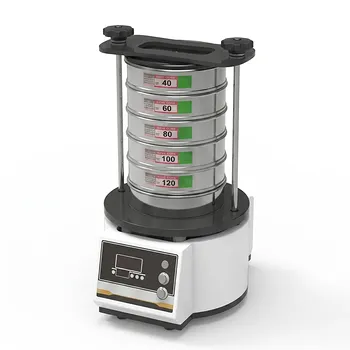
Dry Three Dimensional Vibratory Sieve Shaker
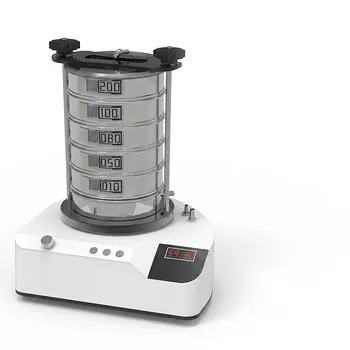
Heavy Duty Dry Three Dimensional Vibratory Sieve Shaker for Particle Separation
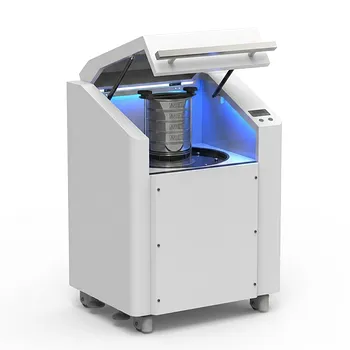
High Frequency Cabinet Type Three-Dimensional Rotary Vibrating Sieve Shaker for Dry Sieving and Particle Classification
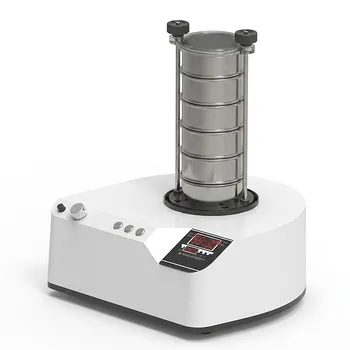
三维电磁微量振动筛分仪
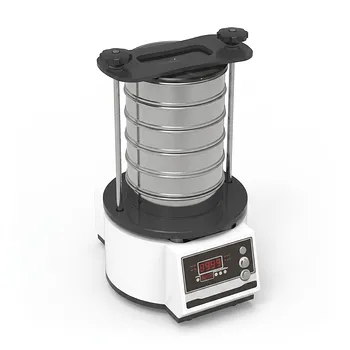
Tapping Oscillating Sieve Shaker for Dry and Wet Particle Size Analysis
Automatic Vibrating Powder Feeder for Laboratory Material Processing Precision Vibratory Hopper Feeder for Granular and Powder Material Handling Industrial Grade Vibrating Tray Feeder for Consistent Material Sample Preparation
Vibratory Superfine Grinder for Ultra Fine Laboratory Powder Milling
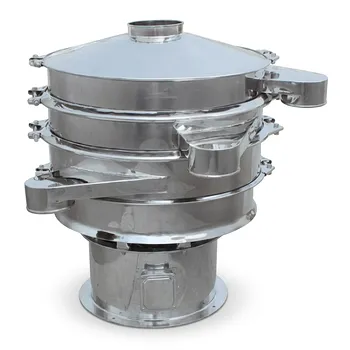
Stainless Steel Rotary Vibrating Sieve High Precision Circular Vibratory Separator Industrial Powder Grading Machine Multi Layer Sifting Equipment
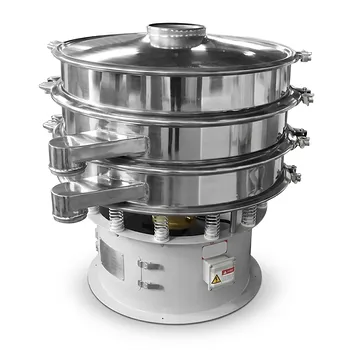
Three Dimensional Rotary Vibrating Sieve
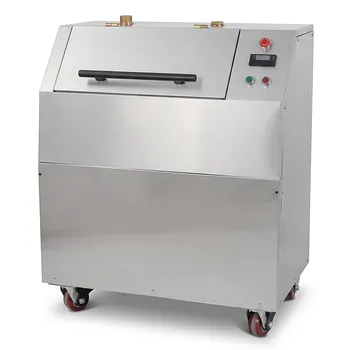
Vibratory Disc Mill for Rapid Fine Grinding and High Throughput Sample Preparation of Hard and Brittle Materials
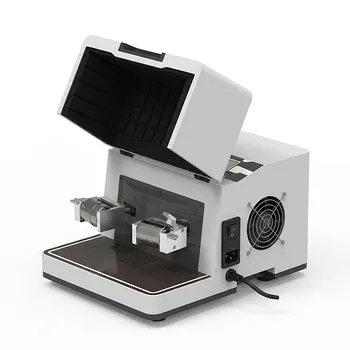
High Energy Hybrid Vibratory Ball Mill for Grinding Mixing and Cell Disruption
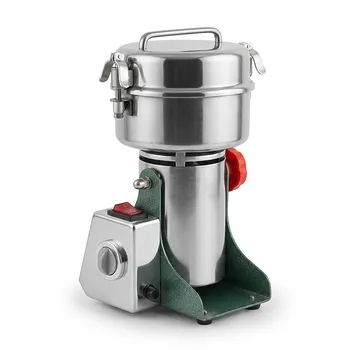
Small High-Speed Swing Grinder for Laboratory Sample Preparation