What is the function of standard test sieves in wheat flour grading? Optimize Nutrition & Texture
Updated 5 months ago
Standard test sieves function as mechanical instruments for the precise geometric classification of wheat flour particles. By utilizing a vertical stack of graduated mesh apertures, these sieves separate pulverized grain into distinct micron-scale fractions to determine the particle size distribution (PSD). This process ensures the flour remains within the optimal range for nutrient release—typically between 250 and 360 micrometers—while maintaining the specific surface area required for consistent food processing.
Core Takeaway: Standard test sieves provide a quantitative method to audit the granularity of wheat flour, ensuring the final product meets strict standards for hydration, nutrient availability, and dough performance.
Mechanical Classification and Layered Separation
Geometric Fractioning
Standard test sieves act as physical barriers that intercept particles based on their cross-sectional diameter. By stacking sieves with decreasing mesh sizes, the flour is separated into layers, allowing for a precise measurement of the mass retained at each level.
Quantifying Particle Distribution
The primary goal of sieving is to map the Particle Size Distribution (PSD). This data allows millers to identify the ratio of coarse to fine components, ensuring that the batch is uniform and lacks outliers that could disrupt downstream production.
Detection of Particle Aggregation
Sieving is a critical diagnostic tool for assessing the impact of additives like Tricalcium Phosphate. It allows technicians to determine if these inclusions cause unwanted particle aggregation, which can negatively impact the precision of the flour's mouthfeel.
Impact on Flour Quality and Nutrition
Optimizing Nutrient Release
The size of flour particles directly influences how nutrients are released during digestion. Research indicates that maintaining a particle size between 250 and 360 micrometers creates the ideal balance for biological availability and nutrient absorption.
Surface Area and Hydration Speed
The specific surface area of wheat flour increases as particle size decreases. Proper grading ensures that the flour interacts with water at a predictable rate, which is essential for managing hydration speed and the degree of starch damage during mixing.
Achieving Texture and Mouthfeel
Standardized grain size eliminates the variance that causes grittiness or uneven textures in finished goods. By ensuring particles pass through specific meshes (such as 100 or 150 mesh), manufacturers guarantee a smooth surface and consistent mouthfeel in the final food product.
Influence on Downstream Processing
Dough Formation and Consistency
Uniform particle sizes lead to more predictable water absorption across the entire batch of dough. This uniformity prevents localized "dry spots" or over-hydrated zones, resulting in a stable dough structure that is easier to handle mechanically.
Precision in Powder Mixing
During the blending phase, standardized particle sizes ensure that ingredients like rice flour or additives disperse evenly. This homogeneity prevents the separation of ingredients (segregation) during transport or storage, maintaining the integrity of the flour blend.
Understanding the Trade-offs
Mechanical Limitations of Sieving
While highly effective for 2D geometric sizing, sieves cannot account for particle shape or elongated grains that might "needle" through the mesh. This means two samples with the same sieve profile could still behave differently in a fluid environment based on their morphology.
The Risk of Mesh Blinding
Finely ground flours, particularly those with higher moisture or fat content, can cause mesh blinding, where particles clog the apertures. This requires the use of vibratory sieving or mechanical cleaners to ensure the accuracy of the data is not compromised by restricted flow.
Sample Degradation
The mechanical energy used during vibratory sieving can occasionally cause further pulverization of fragile flour particles. If the sieving duration is too long, the test may report a finer distribution than what actually exists in the bulk material.
Applying Sieving Data to Your Production Goal
Making the Right Choice for Your Goal
To achieve the best results with standard test sieves, align your mesh selection with your specific functional requirements.
- If your primary focus is nutritional optimization: Monitor the fractions between 250 and 360 micrometers to ensure the highest potential for nutrient release.
- If your primary focus is dough rheology and hydration: Focus on the "fines" passing through the 150-200 mesh range to control the specific surface area and starch damage.
- If your primary focus is mouthfeel and texture: Use a strict 100-mesh or 150-mesh cutoff to eliminate coarse particles that contribute to a gritty sensory experience.
By mastering the grading of wheat flour through standard test sieves, you ensure a consistent, high-quality product that performs reliably from the mixing bowl to the final consumer experience.
Summary Table:
| Function | Target Range / Mesh Size | Impact on Quality & Production |
|---|---|---|
| Nutritional Optimization | 250 – 360 Micrometers | Balances biological availability and nutrient absorption. |
| Dough Rheology | 150 – 200 Mesh (Fines) | Controls water absorption speed and starch damage levels. |
| Texture Management | 100 – 150 Mesh Cutoff | Eliminates grittiness to ensure a smooth, premium mouthfeel. |
| PSD Mapping | Vertical Sieve Stack | Ensures batch uniformity and prevents ingredient segregation. |
Achieve Perfection in Powder Analysis and Preparation
At the intersection of material science and precision engineering, we provide complete laboratory sample preparation solutions tailored to your rigorous standards. Whether you are grading agricultural products like wheat flour or processing advanced industrial powders, our equipment ensures accuracy, repeatability, and efficiency.
Our Specialized Product Lines Include:
- Sieving & Particle Analysis: Vibratory and air-jet sieve shakers with a wide array of precision test sieves and meshes.
- Milling & Grinding: High-performance planetary ball mills, jet mills, disc mills, and liquid nitrogen cryogenic grinders.
- Crushing & Mixing: Heavy-duty jaw/roll crushers and high-homogeneity powder/defoaming mixers.
- Advanced Compaction: A full spectrum of hydraulic presses, including Cold/Warm Isostatic Presses (CIP/WIP), XRF pellet presses, and vacuum hot presses.
Ready to elevate your lab's capabilities? Contact our experts today to discuss how our powder processing and compaction equipment can bring superior value to your research or production workflow.
References
- SN Singh, M. G. Varma. Effect of moisture content and pulley shaft speed on grinding characteristics of wheat (Triticum aestivum). DOI: 10.33545/26174693.2024.v8.i3g.775
Mentioned Products
- Laboratory Vibratory Test Sieve Shaker for Precision Particle Size Analysis and Powder Grading
- Three Dimensional Rotary Vibrating Sieve
- Laboratory Air Jet Sieving Machine for Fine Powder Particle Size Analysis and Deagglomeration
- Small Laboratory Vibratory Sieve Shaker for Powder Gradation and Particle Size Analysis
- Stainless Steel Laboratory Vibratory Test Sieve Shaker
People Also Ask
- What role does a laboratory sieve shaker play in determining PDI? Achieve Precision in Biomass Quality Testing
- What are the functions of sieve shakers for coconut shell powder? Achieve Precise Particle Size & Quality Control.
- What function does a laboratory sieve shaker perform in the PSD analysis of residual soil? Ensure Precise Grading
- What is the role of a laboratory sieve shaker in the preparation of plantain peel adsorbents? Standardize Particle Size
- What is the function of a laboratory vibratory sieve shaker? Enhance Coal Particle Size Distribution (PSD) Analysis

Tech Team · PowderPreparation
Last updated on May 14, 2026
Related Products
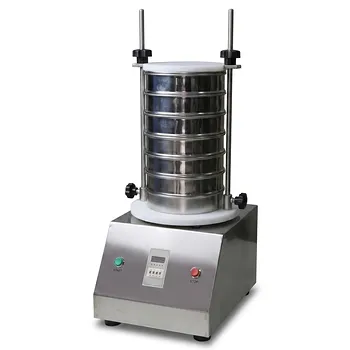
Laboratory Vibratory Test Sieve Shaker for Precision Particle Size Analysis and Powder Grading
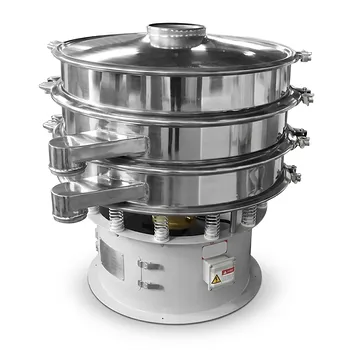
Three Dimensional Rotary Vibrating Sieve
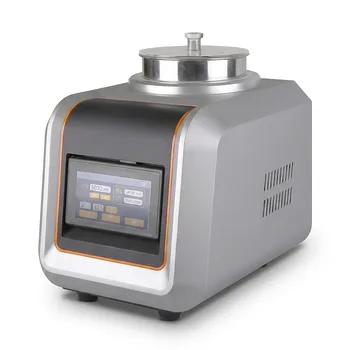
Laboratory Air Jet Sieving Machine for Fine Powder Particle Size Analysis and Deagglomeration
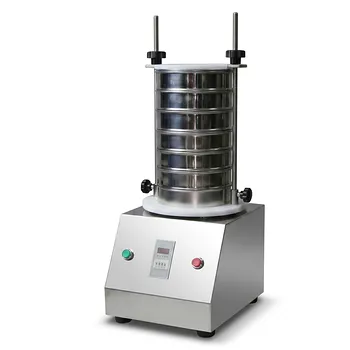
Small Laboratory Vibratory Sieve Shaker for Powder Gradation and Particle Size Analysis
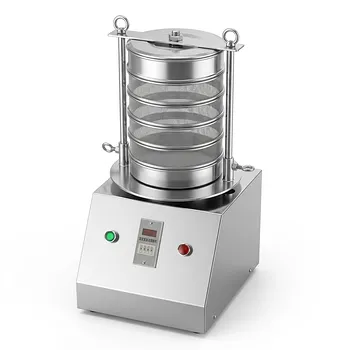
Stainless Steel Laboratory Vibratory Test Sieve Shaker
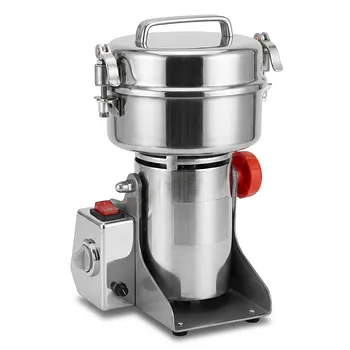
High Speed Laboratory Powder Grinder Small Batch Sample Preparation Mill
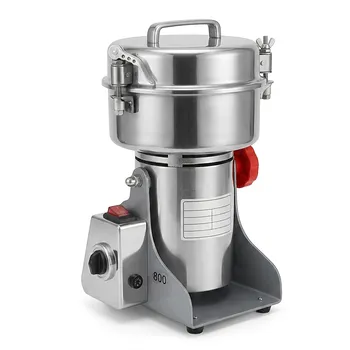
Small High-Speed Laboratory Grinder for Rapid Sample Preparation
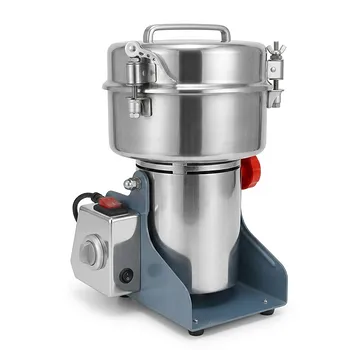
Small High-Speed Grinder for Efficient Laboratory Sample Preparation
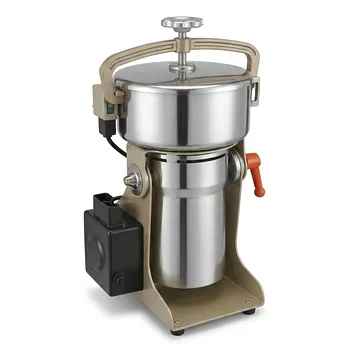
Multifunctional High Efficiency High Speed Laboratory Grinder
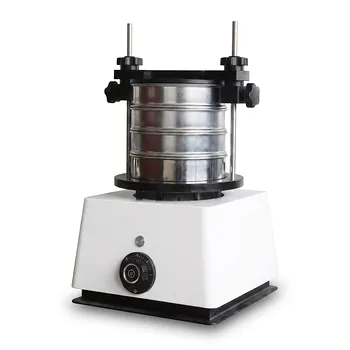
Small Laboratory Vibrating Sieve Shaker for Precise Particle Size Analysis
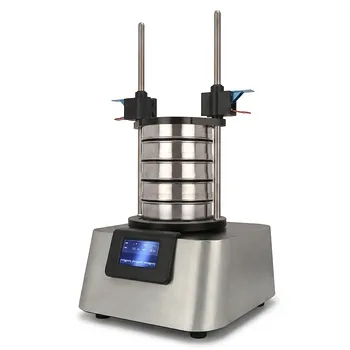
Vibratory Sieve Shaker Electromagnetic 3D Motion Powder Particle Size Analyzer for Dry and Wet Sieving
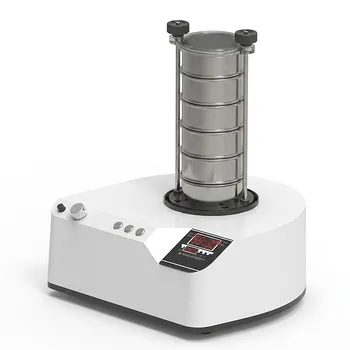
三维电磁微量振动筛分仪
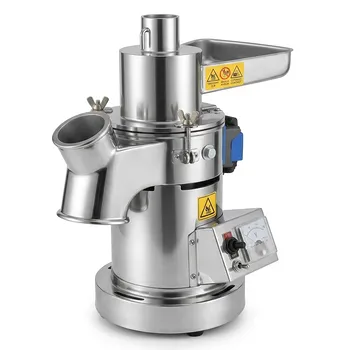
Continuous Feeding Grinder High Efficiency Pulverizer for Lab Sample Preparation
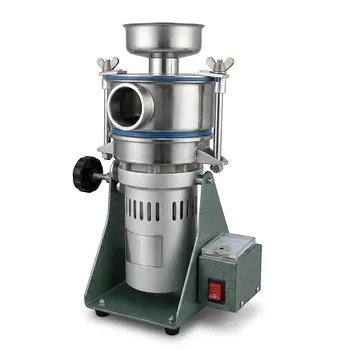
Small Airflow Ultra-Fine Grinder for Laboratory Sample Preparation
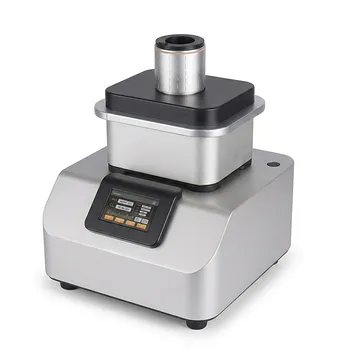
Ultra Centrifugal Mill High Speed Laboratory Grinder for Fibrous and Brittle Sample Preparation
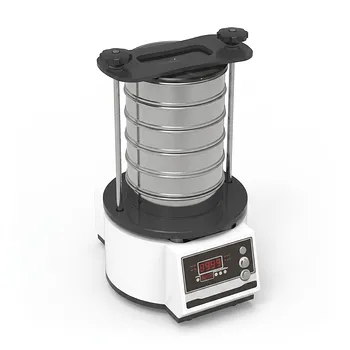
Tapping Oscillating Sieve Shaker for Dry and Wet Particle Size Analysis