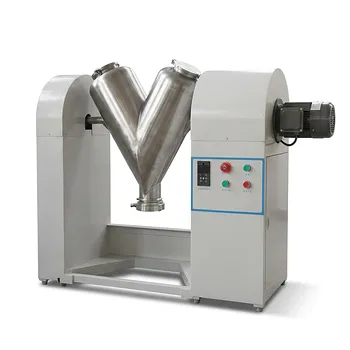
What is the function of industrial mixing and churning equipment in the raw material preparation stage of ceramic production? Enhancing Homogeneity & Plasticity
Updated 4 months ago
The foundation of high-quality ceramic production lies in the homogeneity of its base material. Industrial mixing and churning equipment serve to uniformly distribute water, mineral raw materials, and chemical additives throughout the specialized clay. By achieving this precise blend, the equipment establishes the necessary plasticity for shaping and eliminates internal defects that would otherwise cause failure during the firing process.
Core Takeaway: Industrial mixing and churning transform raw components into a uniform, workable mass by ensuring the perfect distribution of additives and moisture while removing trapped air. This stage is critical for preventing structural deformation and ensuring the ceramic body can withstand the thermal stresses of the kiln.
Enhancing Material Workability and Plasticity
The Role of Uniform Distribution
Mixing equipment ensures that every part of the clay body contains the exact same ratio of minerals and chemical additives. This consistency is vital because even minor variations in composition can lead to uneven shrinkage or localized structural weaknesses.
Maximizing Green Body Plasticity
Proper churning facilitates the deep penetration of water into the mineral structures, significantly enhancing the plasticity of the "green body" (unfired ceramic). High plasticity allows the material to be molded into complex shapes without tearing or losing its structural integrity.
Wetting and Pore Filling
In specialized applications like carbon/ceramic composites, mixing equipment ensures that liquid resins completely wet the raw particles. This process effectively fills the microscopic pores between particles, creating a dense molding mixture that reacts uniformly during subsequent stages.
Ensuring Structural Integrity Through De-airing
The Elimination of Internal Air Bubbles
Mechanical churning and kneading are essential for forcing out internal air bubbles trapped within the clay. If left unaddressed, these pockets of air expand rapidly when heated, leading to catastrophic failure or "bloating" in the kiln.
Preventing Cracking and Deformation
A well-mixed, air-free material exhibits uniform density, which is the primary defense against cracking and warping. Because the material reacts consistently to heat, the internal stresses generated during drying and firing are distributed evenly rather than concentrating at weak points.
Breaking Down Powder Agglomerates
High-efficiency mixing and milling equipment use mechanical force to break down powder agglomerates. By dispersing these clusters, the equipment ensures a fine-grained distribution that leads to a more stable suspension and higher solid loading in ceramic slips.
Optimizing the Sintering Foundation
Facilitating Atomic Diffusion
By ensuring a uniform distribution of various components at the molecular level, mixing equipment sets the stage for efficient atomic diffusion. This allows the ceramic to densify more quickly and at potentially lower temperatures during the sintering process.
Creating a Uniform Microstructure
The consistency achieved during mixing directly translates to the microstructure of the finished product. A homogeneous mix ensures that the final ceramic component possesses consistent hardness, mechanical strength, and low porosity across its entire volume.
Understanding the Trade-offs and Pitfalls
The Risk of Over-Mixing
Excessive mixing can occasionally lead to material fatigue or the introduction of contaminants from the wear and tear of the mixing blades. It is a delicate balance to achieve homogeneity without degrading the physical properties of the raw minerals.
Energy Consumption vs. Material Quality
High-shear mixing provides superior dispersion but requires significant energy input. Manufacturers must weigh the cost of intensive mixing against the required performance specifications of the final ceramic part.
Equipment Maintenance and Contamination
Industrial churners are subject to high levels of abrasion from mineral particles. If the equipment is not properly maintained or lined with wear-resistant materials, metallic contamination can leach into the clay, leading to discoloration or electrical failure in technical ceramics.
How to Apply This to Your Production Process
Selecting the right mixing strategy depends entirely on the requirements of your final ceramic product and the nature of your raw materials.
- If your primary focus is structural durability: Prioritize equipment that excels at vacuum de-airing and high-pressure kneading to eliminate all internal voids.
- If your primary focus is complex shaping: Focus on high-intensity churning that maximizes water distribution to achieve the highest possible material plasticity.
- If your primary focus is technical or electronic ceramics: Invest in high-shear, lined mixing equipment that ensures the dispersion of chemical additives without introducing metallic impurities.
Effective industrial mixing is the essential bridge between raw mineral powders and a reliable, high-performance ceramic masterpiece.
Summary Table:
| Key Function | Mechanism | Impact on Ceramic Quality |
|---|---|---|
| Homogenization | Uniform distribution of minerals & additives | Prevents uneven shrinkage and localized structural weak points. |
| De-airing | Mechanical kneading and air pocket removal | Eliminates "bloating" and catastrophic failure during kiln firing. |
| Plasticity Boost | Deep moisture penetration into mineral structures | Allows for complex molding without tearing or structural loss. |
| Particle Dispersion | Breaking down powder agglomerates | Ensures a stable suspension and higher solid loading in slips. |
Elevate Your Ceramic Production with Professional Preparation Solutions
Achieving the perfect ceramic body requires precision from the very first mix. We provide complete laboratory sample preparation solutions tailored for material science, specializing in advanced powder processing and compaction equipment.
Our extensive range is designed to ensure maximum homogeneity and structural integrity for your materials:
- Advanced Mixing: High-efficiency powder mixers and defoaming mixers for air-free results.
- Precision Milling: Planetary ball, jet, sand/bead, disc, and rotor mills, plus cryogenic grinders.
- Superior Compaction: A full spectrum of hydraulic presses, including Cold/Warm Isostatic Presses (CIP/WIP), standard lab presses, and vacuum hot presses.
- Sieving & Crushing: Jaw/roll crushers and vibratory/air-jet sieve shakers for perfect particle sizing.
Whether you are developing technical ceramics or industrial components, our equipment provides the reliability and performance your research demands. Contact our experts today to optimize your workflow and transform your raw materials into high-performance masterpieces.
References
- Jitesh Singh. Socio economic development versus ceramic industry in western Uttar Pradesh. DOI: 10.33545/27068919.2021.v3.i4a.629
Mentioned Products
- 非介入式材料均质机真空脱泡行星搅拌高粘度混合设备
- Industrial Double Cone Mixer for Powder Blending and Homogeneous Mixing
- Industrial Vacuum Kneader for High-Viscosity Silicone, Rubber, and Compound Mixing
- Dual Cup Vacuum Centrifugal Mixer Planetary Paste Defoaming Machine Industrial Material Processor
- High Speed Vacuum Planetary Centrifugal Mixer and Defoamer for Industrial Paste Processing
People Also Ask
- How does a planetary vacuum defoaming mixer help magnesium calcium phosphate slurries? Achieve Flawless 3D Printed Bone
- Why is vacuum defoaming necessary for PDMS mixtures before microwave irradiation curing? Key to Structural Integrity
- What role does a vacuum defoaming mixer play in BNT MLCC slurry? Ensure High Dielectric Strength & Pinhole-Free Prep
- Why is a vacuum defoaming mixer essential for DLP 3D printing ceramic slurries? Key to Structural Integrity
- What is the purpose of using a high-vacuum defoaming mixer for SiC/Cf composites? Optimize Density and Strength

Tech Team · PowderPreparation
Last updated on Jun 03, 2026
Related Products
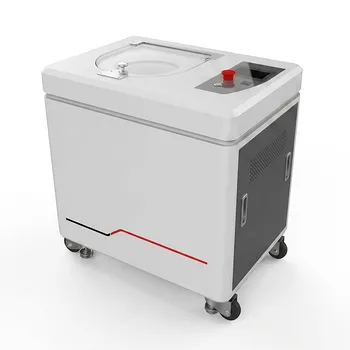
非介入式材料均质机真空脱泡行星搅拌高粘度混合设备
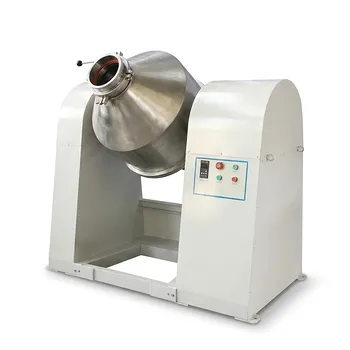
Industrial Double Cone Mixer for Powder Blending and Homogeneous Mixing
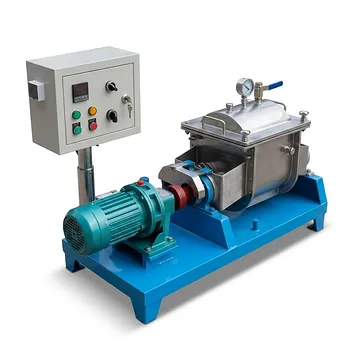
Industrial Vacuum Kneader for High-Viscosity Silicone, Rubber, and Compound Mixing
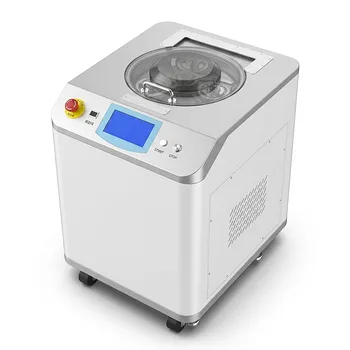
Dual Cup Vacuum Centrifugal Mixer Planetary Paste Defoaming Machine Industrial Material Processor
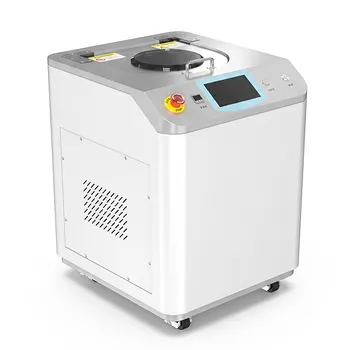
High Speed Vacuum Planetary Centrifugal Mixer and Defoamer for Industrial Paste Processing
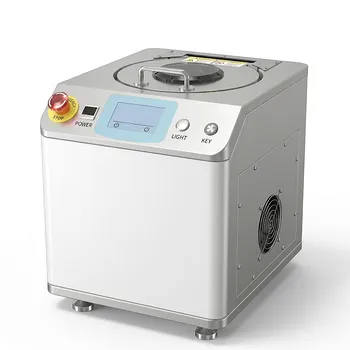
High Efficiency Vacuum Planetary Centrifugal Mixer and Defoaming Machine for Industrial Material Research and Precise Laboratory Powder Dispersion
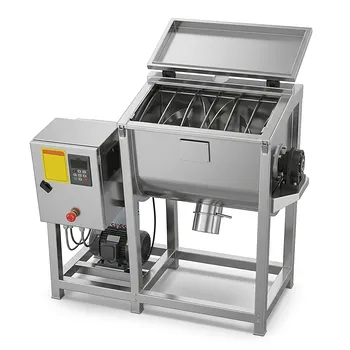
Horizontal Ribbon Mixer for Uniform Powder and Slurry Mixing
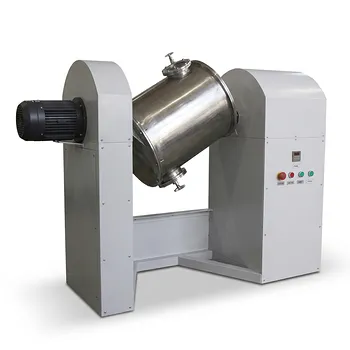
Inclined Mixer for Homogeneous Powder Blending and Grinding
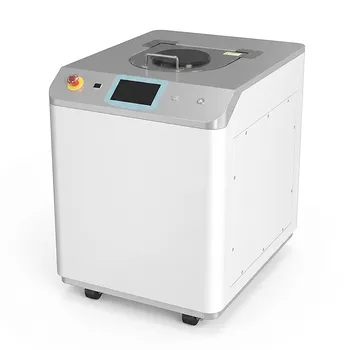
Industrial Planetary Centrifugal Vacuum Defoaming Mixer for High Viscosity Paste and Advanced Material Science
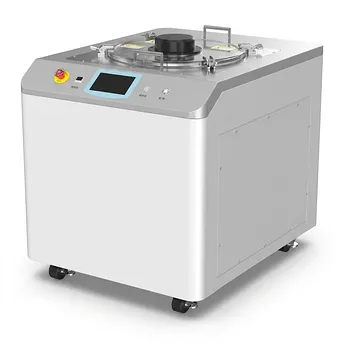
Industrial Planetary Centrifugal Vacuum Defoaming Mixer for High Viscosity Paste and Powder Homogenization
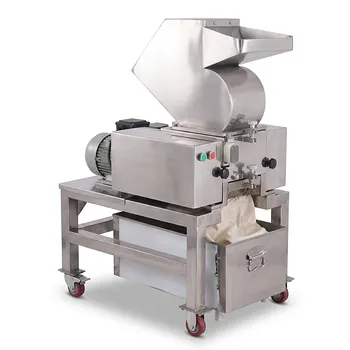
Stainless Steel Coarse Crusher for Pharmaceutical Food and Plastic Material Processing
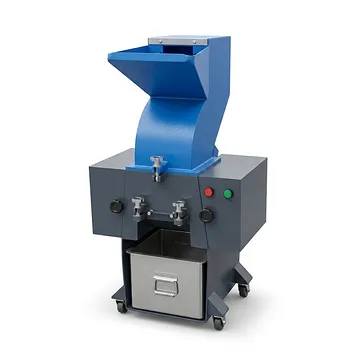
Heavy-Duty Crusher for Laboratory and Industrial Material Size Reduction
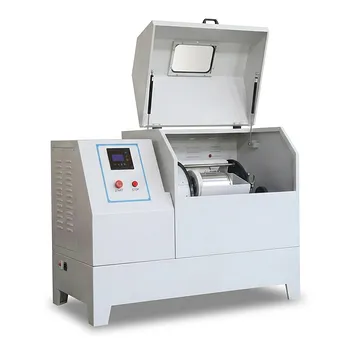
Heavy Duty Horizontal Planetary Ball Mill for Efficient Industrial Grinding and Sample Preparation
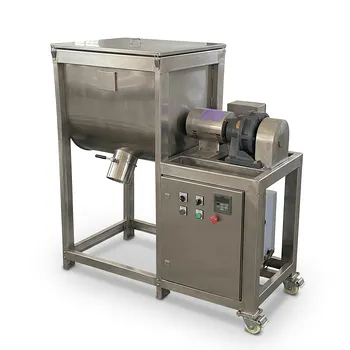
Horizontal Ribbon Mixer for Dry Powder and Slurry Blending
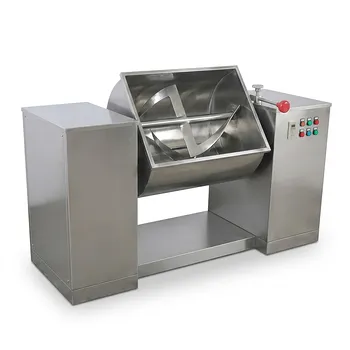
Horizontal Trough Mixer for Uniform Powder and Paste Blending
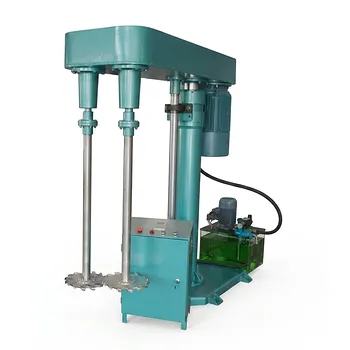
Hydraulic Double Shaft Disperser for High Viscosity Liquid Mixing and Dispersion
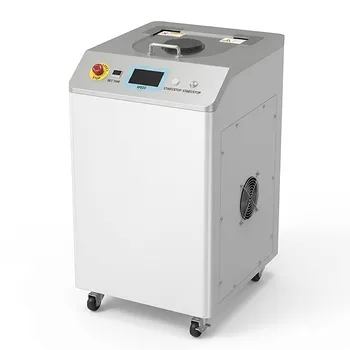
High Viscosity Planetary Centrifugal Vacuum Mixer for Material Defoaming and Uniform Mixing
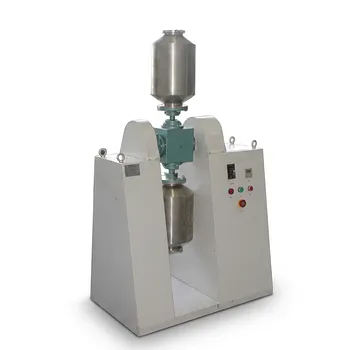
Multi Dimensional Universal Mixer for High Uniformity Powder Blending
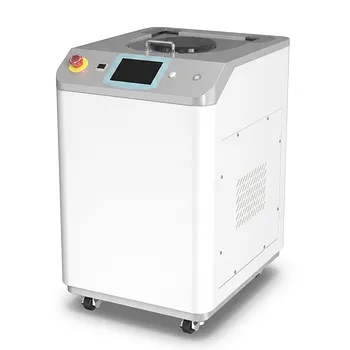
High Viscosity Planetary Centrifugal Mixing and Vacuum Defoaming Machine for Laboratory Material Preparation