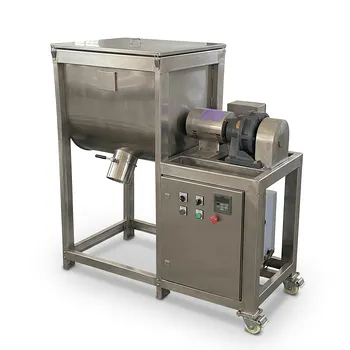
How does a planetary vacuum defoaming mixer help magnesium calcium phosphate slurries? Achieve Flawless 3D Printed Bone
Updated 5 months ago
The planetary vacuum defoaming mixer is the critical technological bridge between raw powder and a high-performance 3D-printed bone scaffold. It ensures that magnesium calcium phosphate ceramic powders are uniformly dispersed within photosensitive resins while simultaneously extracting micro-bubbles that would otherwise compromise the structural integrity of the final implant.
By combining high-speed centrifugal mixing with a controlled vacuum environment, this equipment achieves a molecular-level distribution of particles and eliminates internal voids. This dual-action process is the prerequisite for ensuring the high density and mechanical reliability required for ceramic-based medical applications.
Achieving Homogeneous Particle Dispersion
The Power of Paddle-less Mixing
The mixer utilizes a dual-motion system of revolution and rotation to generate intense centrifugal shear forces. This "paddle-less" approach is vital because it prevents the contamination and material loss often associated with traditional stirring blades.
Overcoming High Viscosity
Photosensitive slurries used in ceramic 3D printing are often highly viscous due to high solid loadings of magnesium calcium phosphate. The planetary motion forces these dense particles to distribute evenly within the liquid resin, preventing agglomeration and ensuring a consistent chemical composition throughout the slurry.
Molecular-Level Uniformity
This deep mixing ensures that every part of the slurry responds identically to UV light during the 3D printing process. Without this level of uniformity, the scaffold might suffer from uneven curing, leading to warped geometries or weak points in the ceramic green body.
The Role of Integrated Vacuum Degassing
Eliminating Micro-Bubbles
As the materials are mixed, the integrated vacuum system lowers the pressure within the chamber to force out tiny air pockets. These micro-bubbles are often introduced during the initial weighing or the ball-milling stages of slurry preparation.
Preventing Structural Voids
In medical bone scaffolds, even a microscopic bubble can lead to an internal void or a "blind pore" after the sintering process. By removing these bubbles before printing, the mixer ensures that the resulting ceramic has the necessary relative density to withstand physiological loads.
Ensuring Printing Continuity
Air bubbles can cause flow interruptions or "pinholes" during technologies like Continuous Liquid Interface Production (CLIP). Removing gas ensures a stable, continuous flow of material, which is essential for maintaining the permeation flux and mechanical integrity of the printed structure.
Understanding the Trade-offs
Heat Generation and Premature Curing
The high-speed rotation required for effective mixing (often up to 1800 rpm) can generate significant internal friction heat. If not carefully monitored, this heat can trigger the premature polymerization of the photosensitive resin, ruining the slurry batch.
Volatile Solvent Loss
Under a deep vacuum, certain components of the photosensitive resin or added solvents may reach their boiling point. This can inadvertently change the chemical ratio of the slurry, potentially affecting its curing depth or the final mechanical properties of the ceramic.
How to Apply This to Your Project
Making the Right Choice for Your Goal
- If your primary focus is Maximum Structural Strength: Prioritize longer vacuum cycles at moderate speeds to ensure the absolute removal of micro-bubbles that cause stress concentration points.
- If your primary focus is High-Precision Printing: Focus on optimizing the revolution-to-rotation ratio to achieve a perfectly smooth, agglomerate-free slurry for consistent UV light penetration.
- If your primary focus is Processing High-Viscosity Materials: Utilize the highest possible revolution speeds to generate the shear force needed to "wet" the magnesium calcium phosphate particles within the resin.
The planetary vacuum defoaming mixer is the foundational tool for transforming raw ceramic materials into reliable, medical-grade bone scaffolds through flawless slurry preparation.
Summary Table:
| Feature | Mechanism | Benefit to Slurry Preparation |
|---|---|---|
| Dual-Motion Mixing | High-speed revolution & rotation | Achieves molecular-level uniformity without paddle contamination. |
| Vacuum Degassing | Controlled low-pressure environment | Eliminates micro-bubbles to prevent structural voids in bone scaffolds. |
| High Shear Force | Intense centrifugal action | Effectively disperses high-viscosity ceramic powders in photosensitive resins. |
| Paddle-less Design | Non-contact processing | Prevents material loss and maintains chemical purity of the medical-grade slurry. |
Elevate Your Material Research with TMAX Precision Solutions
Achieving the perfect slurry for medical-grade 3D printing requires more than just mixing—it requires absolute precision. At TMAX, we provide complete laboratory sample preparation solutions for material science, specializing in high-performance powder processing and compaction equipment.
Whether you are developing magnesium calcium phosphate scaffolds or advanced technical ceramics, our extensive product line is designed to ensure consistency and reliability:
- Advanced Mixing: Planetary vacuum defoaming mixers and powder mixers for flawless dispersion.
- Milling & Grinding: Planetary ball mills, jet mills, and liquid nitrogen cryogenic grinders for precise particle size control.
- Compaction Excellence: A full spectrum of hydraulic presses, including Cold/Warm Isostatic Presses (CIP/WIP), vacuum hot presses, and XRF pellet presses.
- Preparation Tools: Jaw/roll crushers and vibratory/air-jet sieve shakers for comprehensive material processing.
Ready to optimize your lab's performance? Contact our technical experts today to find the ideal equipment for your specific application and take your material development to the next level.
References
- Peng Zhang, Kwi‐Dug Yun. Evaluation of the Characteristics of Digital Light Processing 3D-Printed Magnesium Calcium Phosphate for Bone Regeneration. DOI: 10.3390/jfb16040139
Mentioned Products
- Industrial Planetary Centrifugal Vacuum Defoaming Mixer for High Viscosity Paste and Powder Homogenization
- High Viscosity Planetary Centrifugal Vacuum Mixer for Material Defoaming and Uniform Mixing
- Industrial Planetary Centrifugal Vacuum Defoaming Mixer for High Viscosity Paste and Advanced Material Science
- High Efficiency Vacuum Planetary Centrifugal Mixer and Defoaming Machine for Industrial Material Research and Precise Laboratory Powder Dispersion
- High Speed Vacuum Planetary Centrifugal Mixer and Defoamer for Industrial Paste Processing
People Also Ask
- What are the advantages of planetary centrifugal mixers for LSM-CeO2 slurries? Superior Results
- Why is a planetary centrifugal defoaming mixer essential in battery slurry? Achieve High Homogeneity & Degassing
- What process advantages do planetary gravity mixers provide for r-GO/RuO2 electrodes? Achieve Superior Nanoscale Dispersion
- What is the function of industrial planetary centrifugal mixers in 3D printing inks? Achieve Perfect Homogenization
- What are the primary advantages of planetary centrifugal mixers? Master Bladeless Mixing & Vacuum Defoaming

Tech Team · PowderPreparation
Last updated on May 14, 2026
Related Products
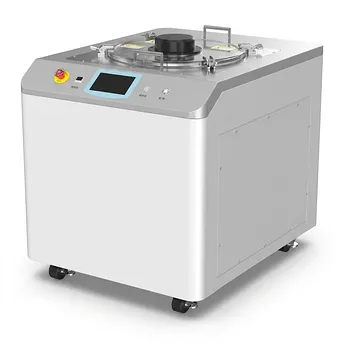
Industrial Planetary Centrifugal Vacuum Defoaming Mixer for High Viscosity Paste and Powder Homogenization
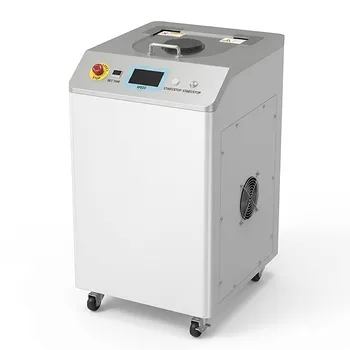
High Viscosity Planetary Centrifugal Vacuum Mixer for Material Defoaming and Uniform Mixing
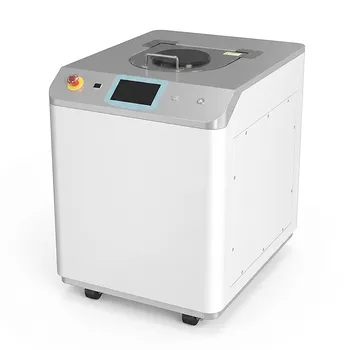
Industrial Planetary Centrifugal Vacuum Defoaming Mixer for High Viscosity Paste and Advanced Material Science
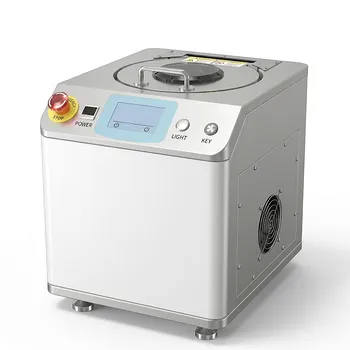
High Efficiency Vacuum Planetary Centrifugal Mixer and Defoaming Machine for Industrial Material Research and Precise Laboratory Powder Dispersion
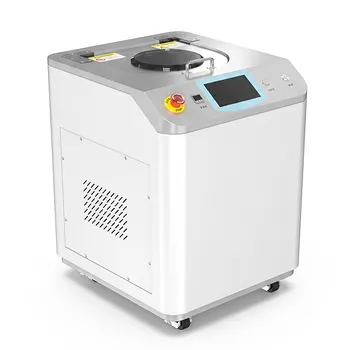
High Speed Vacuum Planetary Centrifugal Mixer and Defoamer for Industrial Paste Processing
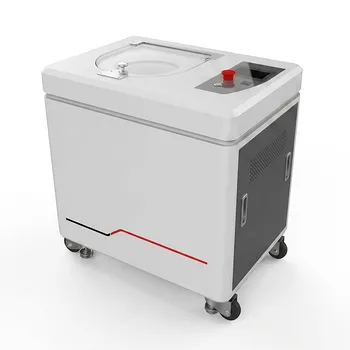
非介入式材料均质机真空脱泡行星搅拌高粘度混合设备
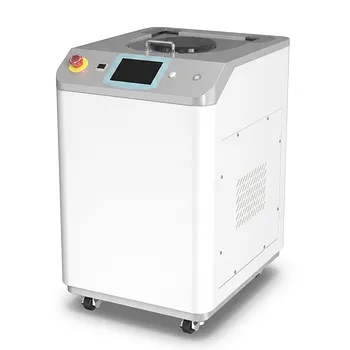
High Viscosity Planetary Centrifugal Mixing and Vacuum Defoaming Machine for Laboratory Material Preparation
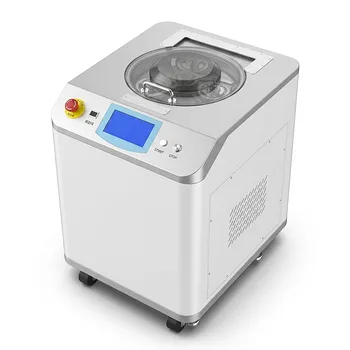
Dual Cup Vacuum Centrifugal Mixer Planetary Paste Defoaming Machine Industrial Material Processor
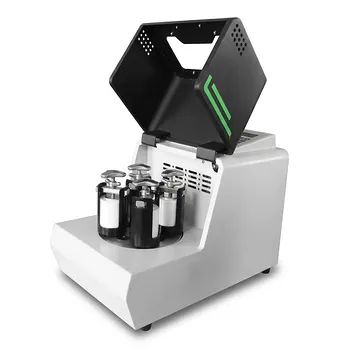
Miniature Planetary Ball Mill with Vacuum Grinding and High Efficiency for Laboratory Sample Preparation

360° Rotating Omnidirectional Laboratory Planetary Ball Mill for Homogeneous Ultra-Fine Grinding and Mixing
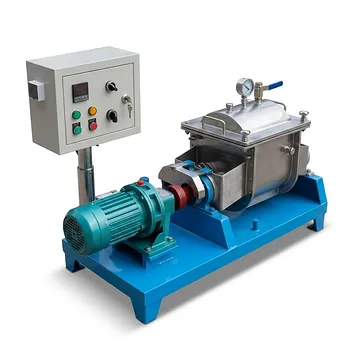
Industrial Vacuum Kneader for High-Viscosity Silicone, Rubber, and Compound Mixing
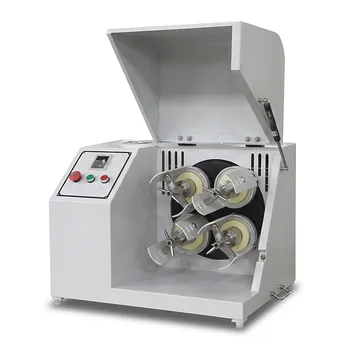
Horizontal Light Duty Planetary Ball Mill for Laboratory Sample Preparation
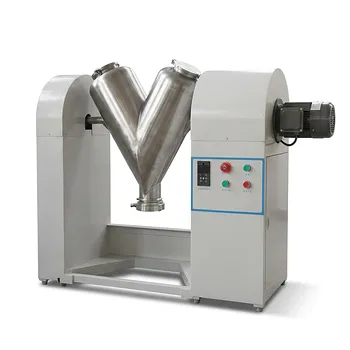
V-Type Powder Mixer for Uniform Blending of Dry Powders and Granules

Vertical Production Planetary Ball Mill for High Throughput Powder Processing
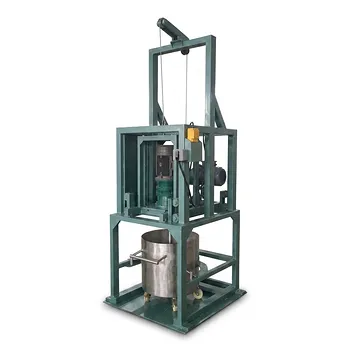
High-Speed Simple Disperser for Efficient Mixing, Dispersion, and Emulsification
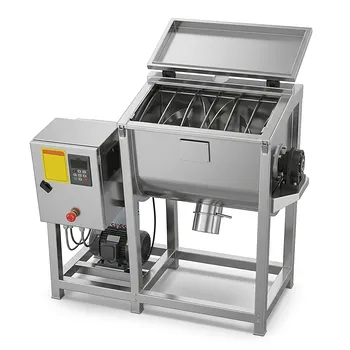
Horizontal Ribbon Mixer for Uniform Powder and Slurry Mixing